Home

  • A Truly Reliable Fire Safety Solution: Vicon Intelligent Sprinkler System

    A Truly Reliable Fire Safety Solution: Vicon Intelligent Sprinkler System

    Currently, the number of fires worldwide remains consistently high, posing significant safety hazards. Traditional fire rescue systems, considering time constraints and infrastructure limitations, often take 15-45 minutes to arrive at the scene and begin firefighting operations.
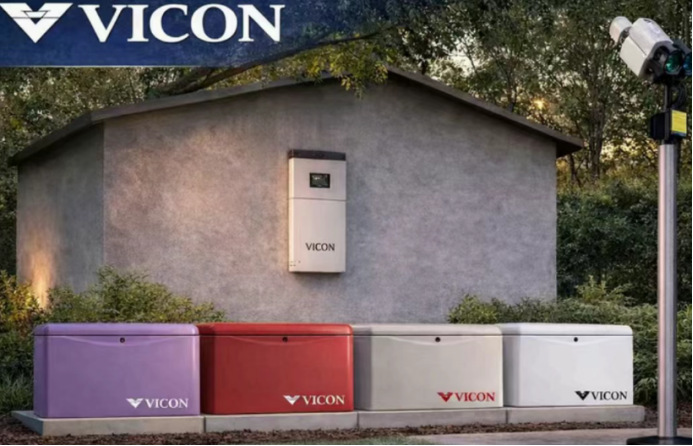
    Vicon Intelligent Sprinkler System
    Vicon Intelligent Sprinkler System

    During this time, ordinary people often can only use basic firefighting equipment or evacuate the scene immediately, helplessly watching their property being relentlessly consumed by flames.

    Addressing this safety gap, the Vicon Home AI Fire Protection System, developed by a team led by Chinese engineer Victor Duan, is breaking through with a “proactive defense” logic. It weakens the fire and reduces losses during the crucial time before firefighters arrive.

    This article, based on aicrunchx test data, breaks down the technical architecture and provides a truly reliable fire safety solution brought by AI fire protection systems.

    🔍 Why have traditional fire prevention equipment reached their limits?

    Data shows that the United States experiences over 380,000 residential fires annually, resulting in direct property losses exceeding $11 billion. Traditional smoke detectors can only provide “after-the-fact warnings” and cannot intervene in the early stages of a fire’s spread.

    Vicon’s core logic is to bring firefighting capabilities down to each household’s yard: through AI multispectral flame and smoke recognition and a thermal sensing array, it triggers an early warning tens of minutes before an open flame contacts the building, and activates a high-pressure water curtain to form a physical barrier.

    Vicon Product Matrix and Core Technical Parameters

    • AI Fire Source Recognition Engine: Equipped with a local edge AI chip, integrating temperature sensing and visual algorithms, it boasts a 99.99% accuracy rate, millisecond-level response, and can operate independently even without a network connection.
    • Adaptive High-Pressure Sprinkler Network: 360° wide-angle sprinklers can quickly cover the building facade, supporting dual-mode switching between solar and mains power, and compatible with residential water storage facilities such as yard swimming pools and rainwater collection tanks.
    • Third-Generation Mobile AI Firefighting Robot: Upgraded from “fixed protection” to “autonomous inspection + dynamic decision-making.” Built-in SLAM positioning and a local inference model, it can automatically track heat source trajectories and adjust the spray angle.
    • End-to-End Intelligent Hub: The accompanying APP supports real-time water pressure/power monitoring, seamless switching between automatic and manual modes, meets consumer-grade ready-to-use standards, and requires no structural modifications. Design Team: A Breakthrough in Engineering with a Chinese Team

    Vicon is not just a concept project, but a tangible technology company deeply rooted in hardware implementation. Founder Victor Duan has 20 years of experience in emergency equipment R&D, comes from a four-generation manufacturing family, and leads core structural design and supply chain quality control. Co-founder Janice Jia has 17 years of experience in North American channel operations, responsible for offline regional expansion and ecosystem integration with insurance/construction companies. The R&D team spans sensor algorithms, fluid dynamics engineering, and North American UL/CSA compliance certification, taking less than 5 months from proof of concept to mass production deployment. Currently, Vicon has completed joint testing with over 70 construction companies and 3 leading insurance companies, achieving cumulative revenue of millions of dollars.
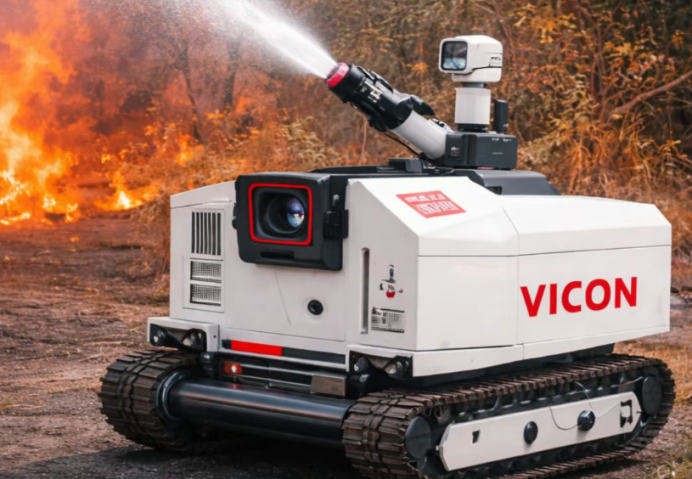
    Vicon AI Firefighting Robot
    Vicon AI Firefighting Robot

    Purchase Guide: How to Determine if it’s Right for Your Home?

    • Target Audience and Scenarios: High Fire Risk (WUI) residential areas, timber/light steel villas, detached houses with independent water tanks, and homeowners seeking home insurance discounts.
    • Budget Reference (USD): The starting price for the first-generation fixed smart sprinkler system is approximately $2,499–$4,999 (fluctuating based on house size and sprinkler head number); the initial price for the third-generation mobile AI fire-fighting robot is approximately $12,500. Some partner insurance companies offer a $3,000/year premium credit or 0% interest installment plans.
    • Deployment and Compliance Recommendations: Before purchasing, confirm the roof drainage slope, exterior wall material, and water supply access distance; prioritize officially certified channels offering a 3-year hardware warranty + lifetime OTA firmware upgrades; it is recommended to register with the local fire department.

    Conclusion

    As AI moves from the cloud to the yard, home security is undergoing a generational leap from “passive alarm” to “active suppression.”

    Vicon, with its Chinese-made engineering efficiency and algorithmic precision, accurately fills the hardware gap in North American wildfire protection. For homeowners in high-fire-risk areas, this is not just a consumer-grade smart hardware device, but also an insurance-grade asset to withstand extreme weather. Stay tuned to aicrunchx for more AI hardware reviews, where we’ll guide you through understanding and using AI in the AI ​​era.

  • Say Goodbye To Data Anxiety, DreamOK Uses AI To Reshape The Bedroom Ecosystem

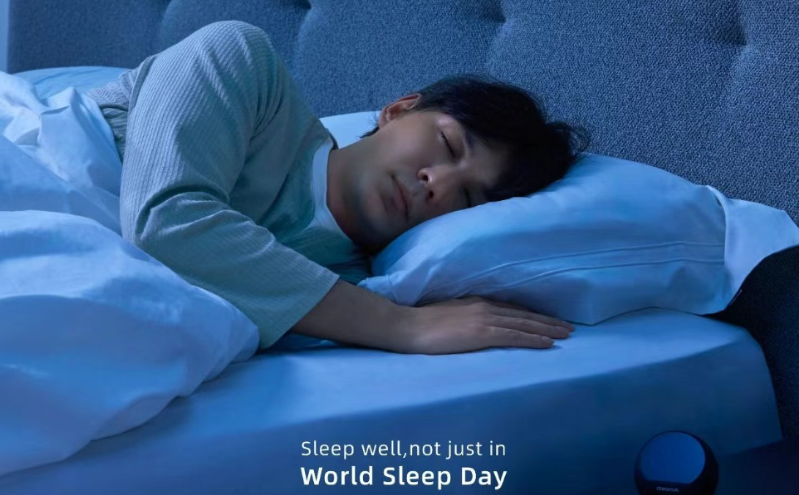
    In recent years, smart wearable devices have flooded bedrooms. Bracelets track heart rate, watches calculate deep sleep, and various sensors break down the night into all sorts of data .

    In 2025 alone , the number of new health monitoring sensor brands worldwide increased by more than 100% . Even with unprecedented access to body metrics, we remain trapped in a cycle of anxiety stemming from “sleep scores.”

    Dream OK
    Dream OK

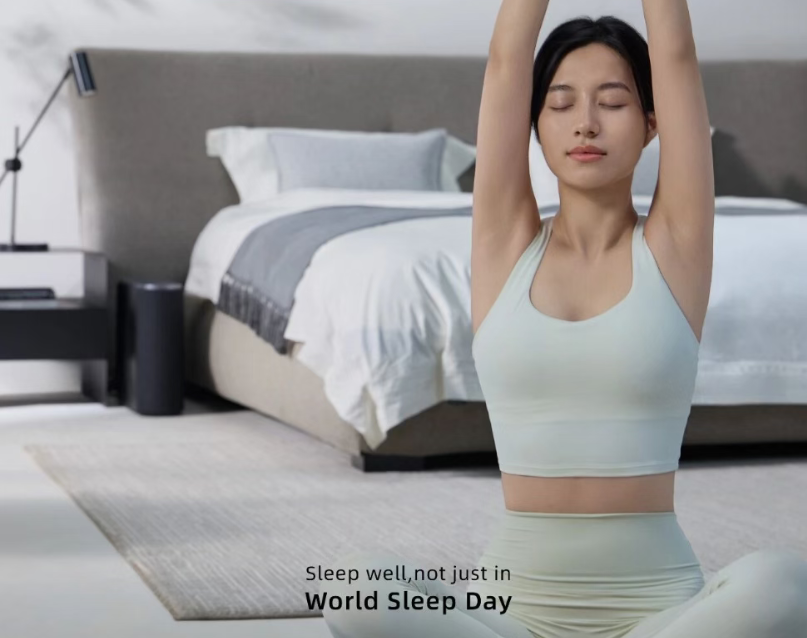
    Recording is never the end; intervention is the key to breaking the deadlock. Recently, DreamOK entered the market with a completely different logic, attempting to bring a complete closed loop of “perception-decision-execution-evolution” into the bedroom, allowing technology to truly serve the circadian rhythm.

    From “Data Logger” to “Proactive Interventionist”

    Traditional smart mattresses have long been stuck in the old paradigm of “data collection + reporting.” DreamOK skips this step, establishing temperature as the core intervention variable. The natural drop in the human body’s core temperature is the physiological switch that initiates sleep. Air conditioners on the market can only regulate the room temperature, and wearable devices simply count silently.

    VitaFlux™ dynamic temperature control technology directly addresses this pain point. Independently operating hot and cold temperature control units lock the adjustment accuracy to ±0.01℃. Based on real-time body movement and environmental parameters, the system reshapes the microclimate inside the mattress in milliseconds.

    Users do not need to manually adjust; the mattress automatically outputs the optimal temperature curve according to the sleep stage. Seamless intervention is precisely the highest level of technological expression.

    Automotive-grade genes injected into the bedroom

    This company’s technological foundation is quite noteworthy. The founding team originated from the R&D department of a leading domestic emerging autonomous driving company, with core engineers comprising over 80% of the team.

    They have completely transplanted the “real-time perception-decision-execution” framework of autonomous driving to the health field. The VitaEcho™ ultra-micro stealth perception system completely eliminates the constraints of wearable devices, using a flexible material only 50μm thick embedded in the bed. Sensors scan thousands of times per second, accurately capturing breathing frequency and minute body movements.

    The team has also introduced a “shadow system” architecture. The algorithm simultaneously performs strategy deduction during actual operation, using real-world scenarios to complete imperceptible comparative tests. This redundant design, derived from automotive electronics, directly enhances the decision-making reliability of consumer-grade health products.

    Long-term memory and personal companionship

    Hardware stacking is merely the foundation; AI is the soul. The VitaNeuro™ health vertical model is responsible for overall decision-making. It integrates static vital signs and dynamic environmental parameters to output personalized control strategies.

    The desktop robot “Xiao Ke” not only provides voice interaction but also has a built-in MemoryBase memory bank. This system extends the memory cycle to three years, filtering redundant information through a hierarchical architecture. Contextual memories and physiological trends are structured and archived, and localized deployment strictly adheres to privacy standards.

    The more you use the device, the better it understands you, transforming technological products into long-term companions. The modular fitted sheet design and ready-to-use feature further lower the decision-making threshold for users.

    Integrates AI perception
    Integrates AI perception

    The next stop in the AI sleep technology field

    The industry is undergoing three iterations: from mechanical adjustment to data recording, and then to proactive intervention. Temperature control will become a basic feature, but simple temperature control alone cannot create a competitive advantage.

    Future competition will focus on the personalized depth of algorithms and the completeness of the closed-loop ecosystem. Manufacturers with multimodal perception, localized large-scale model inference, and cross-scene migration capabilities will dominate.

    Sleep is just a technological entry point; a healthy bedroom space is the ultimate goal. A truly seamless and healthy era will only arrive when devices learn to proactively adapt to human rhythms, rather than requiring humans to adapt to mechanical parameters. DreamOK has delivered a solid answer to this question. We look forward to more cross-industry forces joining in to jointly raise the ceiling of industry innovation.

  • MacBook Neo ‘s Digital Minimalism

    With the development of technology, information overload has become the norm. Screens flash incessantly , and messages keep popping up. Modern people receive far more data every day than their brains can process. Digital anxiety is rampant. Attention spans are also severely fragmented.

    Mac Book Neo
    Mac Book Neo

    Against this backdrop, a concept called digital minimalism technology has emerged. It advocates reducing distractions and returning to the essence of tools.

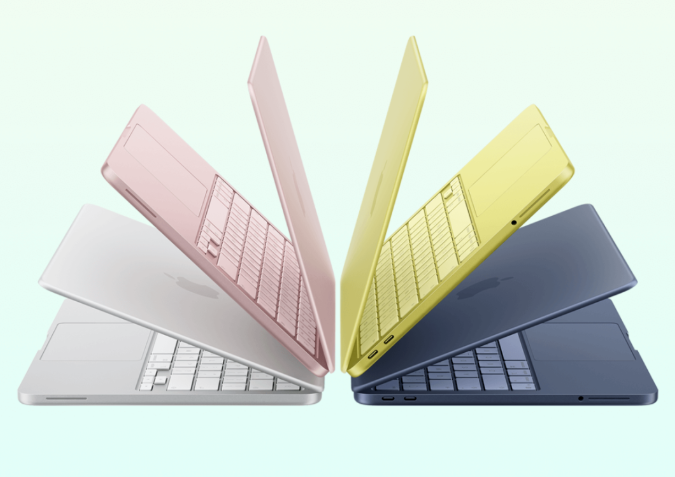
    Apple’s MacBook Neo is a tangible product of this philosophy. It proactively abandons redundant features, focuses on the core experience, emphasizes privacy protection, and pursues focus management. Its emergence is not accidental ; in fact, it is a product of contemporary anxieties and a precise test of the commercial market.

    In the modern information society, the value of minimalist technology is very clear.

    The first layer is psychological relief. It frees users from being overwhelmed by a deluge of applications. The notification bar finally quiets down. Attention is refocused. Work efficiency naturally improves. Mental strain is significantly reduced.

    The second layer is data security. The system is closed. Access is restricted. Individual activity is more controllable. The risk of information leakage is reduced. Corporate compliance costs also decrease accordingly.

    The third layer is a pure user experience. It’s ready to use right out of the box. The interface is clean. The operation logic is straightforward. The learning curve is significantly reduced. These products address the real pain points of modern people. They don’t sell top-tier computing power, but rather disposable time. They don’t sell a mountain of features, but rather a conscious state of use , directly embedding the “less is more” philosophy into the hardware and system’s underlying layers.

    From a business perspective, these products operate in a niche market. The target audience is clearly defined: creative professionals, avid readers, and those seeking to combat internal friction. Brands maintain profits through high premiums. Marketing focuses on emotional value: health, focus, and freedom. The supply chain is relatively streamlined, utilizing custom chips and fixed configurations to minimize after-sales complexity.

    However, in actual business operations, this path has natural bottlenecks.

    Niche markets struggle to support large-scale expansion. High price barriers prevent ordinary consumers from paying for “restraint.” A closed system also limits the third-party ecosystem. Developer enthusiasm is limited. Software adaptation cycles are long. Repurchase frequency is low. The growth curve is destined to be flat. The business world values economies of scale. A minimalist product, however, actively forgoes scale. This is a contradictory path. Profits depend on brand loyalty, not user base. Once the hype fades, sales are prone to a precipitous drop.

    So , can the MacBook Neo or similar products lead a new trend in the future? After comprehensive market and consumer psychology analysis , Aicrunchx’s conclusion leans towards the negative.

    First, mainstream demand is still shifting towards adding features. Users need all-in-one devices: office work, entertainment, social interaction, and multitasking. One machine must handle it all. Subtractive products cannot cover complex scenarios.

    Secondly, technological evolution is shifting. Large-scale models are rapidly becoming more widespread. Demand for local computing power is soaring. The plug-in ecosystem is experiencing explosive growth. Minimalist architectures are struggling to support complex services with high-frequency iterations. Furthermore , cost and pricing are major drawbacks. High-end customization , environmentally friendly materials , and small-batch production inevitably drive up prices.

    Most users will still choose the cost-effective option. Finally, while the concept of digital health is gaining popularity, it hasn’t yet translated into a necessity for purchasing. It’s more like a lifestyle embellishment, not a required option for technological upgrades.

    Mac Book Neo Minimalist technological philosophy
    Mac Book Neo Minimalist technological philosophy

    The essence of industry competition is a battle of efficiency. A minimalist approach sacrifices some efficiency. It cannot adapt to high-frequency collaboration. It struggles with cross-platform synchronization. It limits multi-device联动 (interconnection/coordination). Major companies won’t abandon ecosystem expansion; they will simply turn minimalist features into “modes,” such as a focus mode or hiding notifications. Using software switches instead of hardware reduction is more in line with commercial interests and more easily accepted by the public. The hardware restraint of the MacBook Neo will ultimately be diluted by software optimization.

    The market will remember them, but it won’t follow them universally. They will remain in high-end niche markets, serving specific groups, supplementing mainstream products, rather than setting industry benchmarks. Tech companies will continue to fiercely compete on performance, screen quality, interface expansion, and AI capabilities. This is a business principle and a result of user votes. The MacBook Neo has its unique value. It reminds the industry that technology shouldn’t just pursue faster and more; it can also be lighter and quieter. It offers another possibility for digital life. But leading a trend requires public acceptance, scenario coverage, and continuous expansion. The minimalist approach naturally rejects these elements; it’s destined to have a limited reach. But in the noisy information age, maintaining restraint is itself a form of clarity.

  • How are Dexterous Hands Reshaping Robots and Entering Our Lives

    How are Dexterous Hands Reshaping Robots and Entering Our Lives

    In the past, it was considered amazing for a robot to be able to run and jump; now, the real skill is to be able to steadily pick up a screw and gently fold a shirt.

    As embodied intelligence moves from “walking” to “working,” the biggest obstacle between ideal and reality is no longer chip computing power, but rather the end effectors that can truly “shake hands” with the physical world. Dexterous hands (and bionic hands) are rapidly transforming from sophisticated teaching tools in laboratories into core engines for industrial application.

    The choice of technological path is returning to pragmatism. Early on, the industry was obsessed with making it “as human-like as possible,” and five-fingered bionics became the standard. But reality quickly offered a better solution:

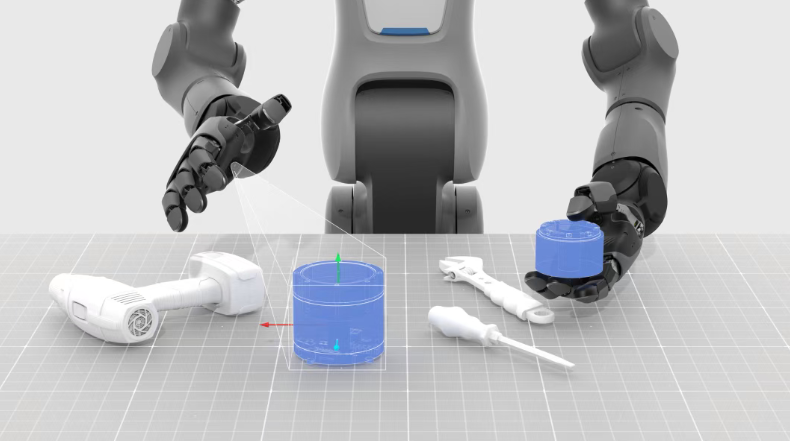
    Pacini proactively eliminated its little finger, using a four-finger solution to cover 85% of industrial scenarios, reducing hardware costs by 20%; Sunday Robotics’ three-finger design targets 80% of household chores, using fewer joints to achieve higher reliability.

    Pasini 's four-finger design
    Pasini ‘s four-finger design

    This is not a compromise, but a precise trade-off. In terms of underlying transmission technology, the industry has also figured out the characteristics of each: chord drives are like human tendons, flexible but prone to fatigue and loosening; direct drive motors have precise force and zero backlash, but heat generation and size are major drawbacks; linkage structures are sturdy and durable, but sacrifice the flexibility of the joints.

    Today, leading manufacturers are no longer “betting” on a single solution, but rather modularly assembling it to create a system that adapts to scientific research, factory assembly, and light-duty scenarios. Dexterous hands are no longer focused on “looking like a human,” but rather on “doing things beautifully.”

    More noteworthy is that dexterous hands have evolved from “execution components” to “data entry points.” Xiaomi and several startups have simultaneously launched isomorphic “haptic gloves”: when a person wears them to work, data such as fingertip pressure, grasping angle, and sliding friction are synchronized in real time, allowing the robot to directly “copy the work.” This “human-teacher-machine” model significantly bypasses the trial-and-error costs of traditional reinforcement learning, exponentially shortening the algorithm training cycle.

    Sunday Robotics
    Sunday Robotics

    Meanwhile, the industrial chain is experiencing a dual recovery in manufacturing and capital. From Zhaowei Electromechanical’s highly integrated micro motors to Lingxin Qiaoshou achieving a monthly production of thousands of units and covering all technical routes, and Yinshi Robotics’ self-developed micro servo electric cylinders connecting upstream and downstream, the domestic supply chain is pushing down the price of what were once “luxury goods” costing hundreds of thousands of yuan to the thousands or even hundreds of yuan level. When the cost curve and the data flywheel form a positive cycle, the large-scale popularization of dexterous hands is only a matter of time.

    Imagine this morning: before you’re fully awake, a robot in the kitchen has already steadily cracked an egg with three fingers, while its other flexible hand gently pushes warm milk towards you. This isn’t science fiction; it’s the everyday reality that’s about to become a reality after dexterity robots have broken the thousand-yuan mark in cost and crossed the critical reliability barrier.

    For consumers, the true significance of dexterous hands lies not in making robots “look like humans,” but in enabling robots to “truly do work for humans.” In the past, most home robots were limited to sweeping and playing music, essentially “smart speakers with wheels.”

    A pair of dexterous hands capable of precise force control and material perception will completely streamline the final step of housework: it can distinguish the washing intensity of silk from wool, locate medicines deep in drawers without looking, and provide just the right amount of assistance when the elderly get up. Home service will shift from “standardized instructions” to “personalized companionship,” and robots will no longer be cold executors, but rather considerate and understanding life collaborators.

    Of course, the road to widespread adoption is not smooth. First and foremost is safety: the robotic fingers come into direct contact with the human body, requiring a medical-grade margin of error. Secondly, privacy is paramount; frequent physical interactions will record a vast amount of family habits, and the anonymization and attribution of this data urgently need to be standardized. Finally, there’s the psychological barrier: whether users can truly trust a machine that “touches you” still requires time and experience to refine. However, the direction of technological evolution is irreversible. When the dexterous hand moves from the industrial production line to the living room dining table, the human-machine relationship will undergo a quiet but profound transformation.

    We no longer need to adapt to the logic of machines; instead, machines will learn to adapt to human habits. For ordinary families, this might mean dual-income parents can spend an extra hour with their children, elderly people living alone can receive more peace of mind , and weary city dwellers can have more uninterrupted time without being interrupted by trivial matters. After all, the essence of technology has always been to serve humanity.