Author: Gavin

  • KANNAN K2 AI Smart Glasses Review: 25.8 Grams of First-Person AI Capture

    KANNAN K2 AI Smart Glasses Review: 25.8 Grams of First-Person AI Capture

    Introduction: When AI Glasses Become Light Enough to Forget
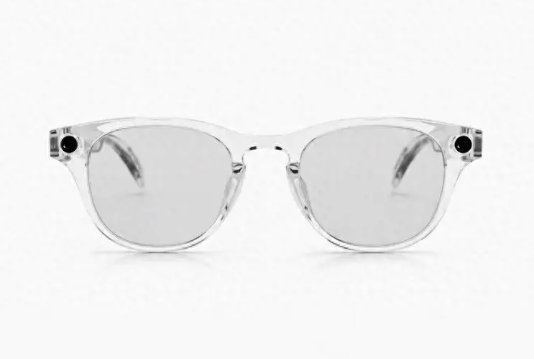
    KANNAN K2 transparent frame front view
    KANNAN K2 transparent frame front view

    On June 5, Kannan Tech released the K2 smart glasses in Hangzhou. Twenty-five point eight grams total weight, 7.1mm temple thickness at the thinnest point, European-imported ultra-light nylon material—these three numbers alone tell me this company is not playing with concepts but with materials science. Priced at 2350 yuan, with a 32MP camera, 4K 30FPS recording, EIS plus AI dual stabilization, and Kiro OS built specifically for AI glasses.

    Honestly, the AI glasses track is already insanely competitive. Meta Ray-Ban, Vidda G11, RayNeo V3—each finding their own differentiation. The K2’s approach is crystal clear: no AR display, no complex interactions, just focus on doing one thing well—letting you capture first-person life with the lightest weight and most natural approach. This sounds simple, but achieving 25.8 grams, lighter than Vidda G11’s 26.5g and nearly half the weight of Meta Ray-Ban’s ~49g, is itself a demonstration of technical strength.

    Product Overview: Kannan Tech’s AI Glasses Ambition

    Kannan Tech is an AI glasses startup headquartered in Hangzhou, China, with unclear team background but solid product definition capabilities. The K2’s positioning is very clear: first-person AI capture glasses for general consumers, not a geek toy, not a business tool, but a “life recording” carry-everywhere device.

    The K2’s design language is “invisible.” Five frame styles available, from classic black to fashionable titanium, aiming to make it unnoticeable that you are wearing smart glasses. European-imported ultra-light nylon material, combined with internal structure optimization, compresses total weight to 25.8 grams—approaching regular optical glasses weight, with no obvious pressure during extended wear.

    Specifications: How Much Tech Fits in 25.8 Grams

    SpecDetails
    Weight25.8g (total)
    Temple Thickness7.1mm (thinnest point)
    MaterialEuropean-imported ultra-light nylon
    Camera32MP, f/2.4 aperture
    Video Recording4K 30FPS
    StabilizationEIS + AI dual stabilization
    Photo FeaturesLive Photo support
    Operating SystemKiro OS (built for AI glasses)
    ProcessorWQ7036 smart audio main control chip
    AI AssistantXiaonan
    InteractionMinimalist gestures + voice
    Special FeaturesAI flash memo, message sharing
    Battery60 min recording / 7 days standby / 1.5 days typical use
    Price2350 yuan

    Data source: Kannan Tech official launch materials
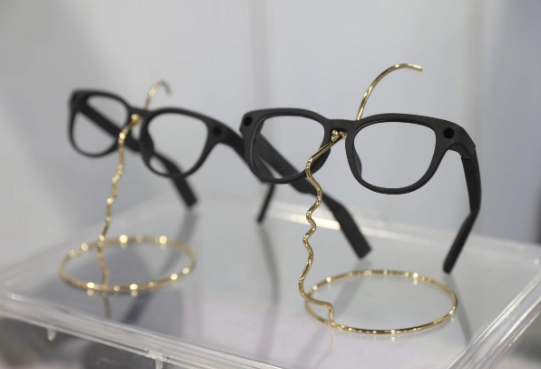
    KANNAN K2 black frame product display
    KANNAN K2 black frame product display

    Twenty-five point eight grams—what does this mean? Regular prescription glasses typically weigh 20-30g, so the K2 falls completely within the “daily wearable” range. The 7.1mm temple thickness at the thinnest point makes it almost indistinguishable from regular glasses from the side. Kannan Tech invested heavily in material selection—European-imported ultra-light nylon, lighter, tougher, and more wear-resistant than traditional TR90 material.

    The 32MP camera is high-end among AI glasses. Meta Ray-Ban’s camera is 12MP, RayNeo V3’s Sony IMX681 is around 12MP equivalent, so the K2’s 32MP clearly leads in hardware specs. The f/2.4 aperture is relatively large for glasses cameras, allowing more light intake in low-light environments, theoretically improving night shooting performance.

    EIS plus AI dual stabilization is a practical configuration. EIS (Electronic Image Stabilization) compensates hand shake through algorithms, while AI stabilization further optimizes through scene recognition and motion prediction. For walking, cycling, handheld shooting scenarios, dual stabilization significantly improves frame usability.

    Hands-On Experience: What Can First-Person Capture Actually Do?

    The K2’s core usage scenarios fall into three categories: life recording, content creation, and social sharing.

    Life Recording: Playing with kids, pet interactions, travel experiences—these scenarios captured with traditional cameras or phones always have a “third-person perspective” sense of distance. The K2’s first-person capture shows exactly what the glasses see, without deliberate composition or the awkwardness of holding up a phone. The Live Photo feature makes photos “come alive,” recording 1.5 seconds of motion before and after the shutter press, giving ordinary photos more storytelling power.

    Content Creation: Vlog creators, food bloggers, exploration influencers—the K2’s 4K 30FPS recording quality is sufficient for short video platform publishing. The AI flash memo feature lets you quickly trigger “remember this” by voice when seeing exciting moments; the AI automatically captures surrounding clips and categorizes storage, saving post-production footage review time. The message sharing feature can generate 15-second short videos from highlight clips, sharing directly to WeChat, TikTok, and Xiaohongshu with one click.

    Social Sharing: Friend gatherings, family dinners, outdoor activities—the K2’s minimalist gesture interaction (tap temple to shoot, slide to switch modes) makes capturing natural and non-awkward. You don’t need to pull out your phone, open the camera, and hold it up—the entire process completes within 2 seconds without interrupting the present moment.

    But the K2 also has obvious limitations:

    No AR Display: The K2 has no built-in display; all operation feedback comes through the mobile app or voice announcements. This means you cannot see shooting previews on the glasses, only “blind shooting” and reviewing through the phone later. For composition-critical scenarios, this is a pain point.

    Battery Bottleneck: Sixty minutes of recording battery life is mid-range among AI glasses, but heavy use (continuous Vlog shooting) requires carrying a charging case. Seven days of standby sounds long, but the “typical daily use” 1.5-day definition is vague—if you shoot 20 minutes of video daily and use the AI assistant for 30 minutes, actual battery life may be less than a day.

    Limited AI Assistant Depth: The Xiaonan assistant supports basic functions like voice weather queries, setting reminders, and playing music, but compared to Siri or Xiao Ai on phones, feature coverage is clearly insufficient. The K2’s AI capabilities focus on “shooting assistance” rather than “general intelligence”—clear positioning but a visible ceiling.

    Comparison: K2 vs Meta Ray-Ban vs RayNeo V3

    FeatureKANNAN K2Meta Ray-BanRayNeo V3
    Weight25.8g~49g~39g
    Price2350 yuan~$299 (~2150 yuan)973 yuan (after price drop)
    Camera32MP12MPSony IMX681 (~12MP)
    Video4K 30FPS1080P1080P
    StabilizationEIS + AI dualBasic EISBasic EIS
    AI FeaturesFlash memo, message sharingSocial sharing, Meta AI200+ scenario AI
    AudioOpen-ear directionalOpen-earOpen-ear
    Battery60 min recording~36 hours combined4-6 hours
    EcosystemStandalone appMeta ecosystemRayNeo ecosystem
    PositioningFirst-person captureSocial + AIExploratory AI

    Three glasses, three paths: Meta focuses on social ecosystem, RayNeo on AI exploration, K2 on capture quality. The K2’s 32MP camera and 4K recording clearly lead in hardware, but software ecosystem and AI depth lag behind Meta and RayNeo. If you pursue “shooting clearly, recording steadily, sharing fast,” the K2 is the best choice; if you need “all-powerful AI assistant, seamless social integration,” Meta is more suitable; if you want to “try AI features on a budget,” the RayNeo V3 offers the best value.
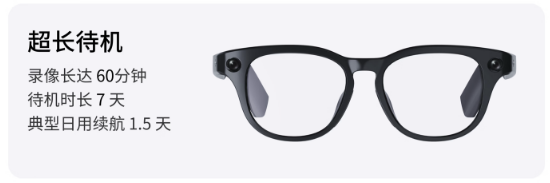
    KANNAN K2 battery life promotional feature
    KANNAN K2 battery life promotional feature

    Pros and Cons

    ProsCons
    25.8g extreme lightweight, top-tier wearing comfortNo AR display, cannot preview shots in real-time
    32MP + 4K 30FPS, leading hardware specs60-minute recording battery, heavy use needs charging case
    EIS + AI dual stabilization, good frame stabilityLimited AI assistant depth, inferior to phone voice assistants
    Kiro OS optimized for AI glasses, smooth interactionLow brand recognition, after-sales and accessory ecosystem to be built
    Minimalist gesture interaction, low learning curve2350 yuan mid-range pricing, value inferior to RayNeo V3
    Live Photo and AI flash memo, more storytellingChinese-only interaction, limited for overseas users

    Who Should Buy

    Recommended for:

    • Users pursuing extreme lightweight, long-term wear without nose bridge pressure
    • Vlog creators and short video bloggers needing high-quality first-person footage
    • Parents and pet owners wanting to record daily interactions without phone interruption
    • Travel enthusiasts needing portable, discreet capture devices

    Not recommended for:

    • Users needing AR display and real-time information overlay (choose RayNeo or Meta)
    • Users pursuing comprehensive AI features and rich ecosystem (choose Meta Ray-Ban)
    • Budget-constrained users only accepting under 1000 yuan (choose RayNeo V3)
    • Users demanding brand after-sales and accessory ecosystem (wait for K2 ecosystem maturity)

    FAQ

    Q: Does the K2 support prescription lens customization?

    A: Yes. The K2 provides prescription lens customization services, available at purchase or through designated optical shops.

    Q: How is the photo quality from the 32MP camera?

    A: Hardware specs lead, but actual image quality is limited by optical design constrained by glasses form factor. Excellent in daylight with sufficient light; noise control is average in low-light, inferior to phone main cameras.

    Q: Does the AI flash memo feature require internet?

    A: Basic flash memo functions support local processing, but generating message sharing and cloud storage require internet. Recommend using in Wi-Fi environments for optimal experience.

    Q: What is the K2’s water resistance?

    A: Daily splash-proof level, handling sweat and light rain. Not recommended for swimming, showering, or prolonged immersion.

    Conclusion

    The KANNAN K2 is a product that “does one thing to the extreme.” In an AI glasses track where everyone pursues “all-in-one,” the K2 chooses subtraction—removing AR display, simplifying the AI assistant, focusing on capture experience, establishing clear differentiation through 25.8 grams of extreme lightweight and 32MP plus 4K hardware specs.

    This strategy carries both risks and opportunities. The risk: the ultimate form of AI glasses may be “all-in-one terminals,” and the K2’s single-function positioning may limit long-term market space. The opportunity: before all-in-one terminals mature, “professional tools” often gain more loyal user bases—just as DSLR cameras were never replaced by phones, first-person capture devices may also become an independent category.

    At 2350 yuan, pricing sits in the mid-range—slightly more expensive than Meta Ray-Ban but with clearly higher hardware specs. For users pursuing capture quality and wearing comfort, the K2 is worth considering. But if you prioritize AI ecosystem and social integration, Meta Ray-Ban remains the safer choice. The K2’s true test lies in whether Kannan Tech can continuously iterate Kiro OS, enrich AI features, and build accessory and after-sales ecosystems—these soft capabilities are the key determining whether an AI glasses product can evolve from “niche gem” to “mass-market hit.”
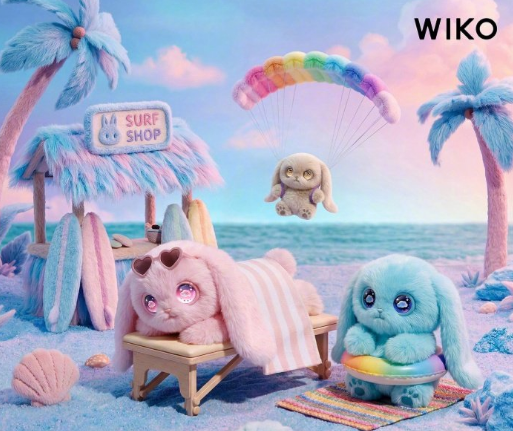

  • WIKO Xingzai Unboxing: Do Young People Need This?

    WIKO Xingzai Unboxing: Do Young People Need This?

    Introduction: When AI Evolves from Tool to Pet

    WIKO Xingzai AI companion toy promotional poster
    WIKO Xingzai AI companion toy promotional poster

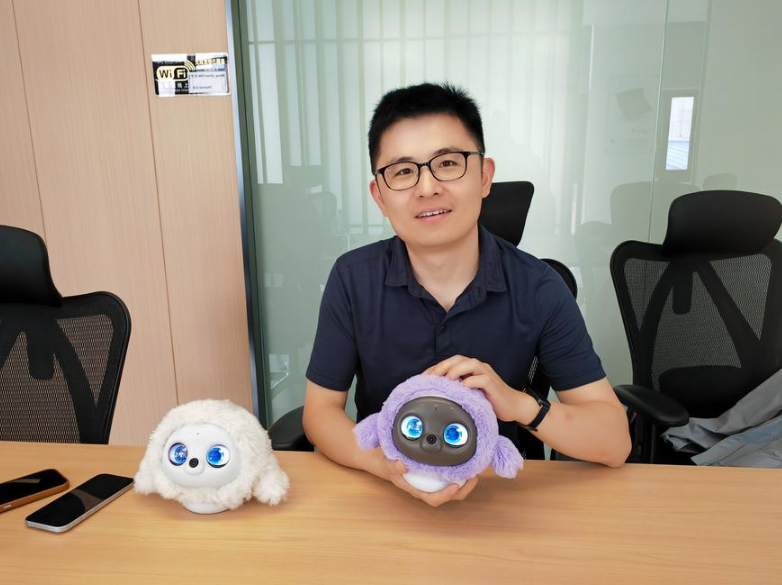
    At the Huawei Nova 16 launch event on May 30, alongside phones, a fluffy little creature emerged—Xingzai. It is not a phone accessory, not a smart speaker, but an AI companion toy that hangs on your bag. It turns its head toward you when you speak, shrinks shyly when you pet its forehead, and shakes excitedly when you sway it. Priced at 499 yuan, powered by Huawei Xiaoyi large model, with Wi-Fi plus 4G dual-network independent operation.

    Honestly, my first reaction seeing the product images was: is this not just an upgraded electronic pet? But after getting hands-on, I discovered WIKO aims far beyond that. Xingzai’s core selling point is not “can talk” but “reacts”—every head turn, every light change, every body tremor simulates real pet feedback logic.

    Product Overview: A New Species in Huawei’s Ecosystem

    First, clarifying relationships: WIKO is not a Huawei subsidiary but a deep ecosystem partner. Huawei provides Xiaoyi large model and HarmonyOS ecosystem connectivity; WIKO handles R&D, design, production, and sales. Xingzai is WIKO’s first AI companion product built on Huawei technology, with the nova planet IP licensed from Huawei’s youth-focused nova brand.

    Xingzai measures 110x110x125mm and weighs approximately 260g, similar to a smartphone. The magnetic design attaches directly to backpacks or purses, becoming a fashion accessory on the go. This positioning is clever—traditional AI toys are mostly bulky and home-bound, while Xingzai breaks scenario limitations entirely.

    Specifications: How Much Tech Fits in This Small Body

    SpecDetails
    Dimensions110x110x125mm
    Weight~260g
    AttachmentMagnetic design
    AI ModelHuawei Xiaoyi large model
    NetworksWi-Fi + 4G dual
    Battery1900mAh
    Battery Life6 hours continuous dialogue / 48 hours standby
    InteractionsVoice + touch + shake + sound-following head turn
    MemoryExclusive diary memory, intimacy unlocks
    Price499 yuan

    Data source: WIKO official launch materials

    Huawei fluffy AI pet toy handheld display
    Huawei fluffy AI pet toy handheld display

    Hands-On Experience: Does It Actually Touch Your Heart

    Sound-Following Head Turn: This is Xingzai’s most moving feature. Speak from the left, its head turns left, starry eyes lighting up, simulating “I am listening to you attentively.” The psychological logic is precise—humans have innate affinity for “being watched,” and head-turning delivers stronger emotional impact than mere voice replies.

    Touch Interaction: Petting the forehead triggers shyness (softened lights + slight body shrink), while prolonged petting triggers (flashing lights + gentle trembling). These reactions are not random but based on Xiaoyi large model’s learning of interaction frequency and duration—the more you interact, the more it understands you.

    Shake Reaction: A gentle shake makes Xingzai tremble excitedly, with starry eyes flashing rapidly, simulating a pet being amused. This scenario shines at friend gatherings, maximizing social appeal.

    Voice Dialogue: Powered by Xiaoyi large model, natural language understanding is solid. It chats about daily life, tells jokes, offers advice, and adjusts responses based on your mood. When you are down, it comforts you; when happy, it celebrates with you. The exclusive diary memory system records your conversations, forming “shared memories,” with more interaction modes unlocking as intimacy grows.

    Independent Operation: Wi-Fi plus 4G dual-network support means no phone connection needed outdoors. Whether on the subway, at a cafe, or camping, Xingzai works normally. Traditional AI toys become mere plush fabric without phones; Xingzai solves this pain point.

    AI companion pet toy physical product display
    AI companion pet toy physical product display

    Comparison: WIKO Xingzai vs Traditional AI Toys vs LOVOT

    FeatureWIKO XingzaiTraditional AI Story MachineJapan LOVOT
    Price499 yuan200-500 yuan~3000 yuan + monthly fee
    PortabilityMagnetic bag charm, portableHome use onlyHome use only
    Dynamic InteractionHead turn + tremor + lightsNoneMovement + expressions + body heat
    AI ModelHuawei Xiaoyi large modelBasic voice chipSelf-developed emotional AI
    NetworksWi-Fi + 4G independentRequires phone/Wi-FiRequires Wi-Fi
    PositioningYouth fashion accessoryChildren’s educationPremium emotional companion

    Xingzai’s differentiation is clear: more dynamic interaction and independent networks than traditional AI toys, an order of magnitude cheaper than LOVOT. At 499 yuan for an emotionally responsive, go-anywhere AI buddy, the barrier is low for young people.

    Pros and Cons

    ProsCons
    Magnetic design, truly portable companionship260g is slightly heavy on bags
    Multi-modal interaction, genuine emotional feedback6-hour battery, heavy use needs daily charging
    Huawei Xiaoyi large model, natural conversationsPlush material not dirt-resistant, outdoor use requires care
    499 yuan friendly price, low trial costLimited functional depth, unsuitable for deep emotional dependence
    Wi-Fi + 4G independent, no phone tetheringCurrently supports Chinese interaction only

    Who Should Buy

    Recommended for:

    • Young female users who love cute accessories
    • Urban youth living alone needing emotional companionship
    • Students curious about AI toys on limited budgets
    • Frequent outdoor activity users needing portable companions

    Not recommended for:

    • Pragmatists indifferent to plush toys
    • Users needing deep emotional anchors (professional counseling recommended)
    • Consumers seeking premium robot experiences

    FAQ

    Q: Does Xingzai require a Huawei phone? A: No. Xingzai supports independent Wi-Fi and 4G operation; any brand phone can pair, though Huawei/HarmonyOS users get the most complete experience.

    Q: Is the diary memory function secure? A: Dialogue data is stored locally and on Huawei cloud, following Huawei privacy protection policies. Users can delete memory records anytime.

    Q: Is it washable? A: The plush cover is detachable for cleaning; internal electronics must not be submerged. Wipe the shell regularly with a damp cloth.

    Conclusion

    WIKO Xingzai is not a technological revolution but a scenario innovation. It transforms AI companionship from “toys left at home” to “buddies taken outdoors,” lowering the experience barrier for AI emotional products at a friendly 499 yuan price. With Huawei Xiaoyi large model and dual-network independence, it has no direct competitors at this price point.

    But Xingzai faces a fundamental question: what is the ultimate value of AI companion toys? Replacing real pets, or serving as temporary patches for loneliness? If Xingzai makes you smile while waiting for the subway or gives you someone to talk to during late work nights, then 499 yuan is worth it. But if you expect it to become a true emotional pillar, you may need to wait for AI to evolve a few more generations.

  • YuanSheng Qinlu Elderly Care Review

    YuanSheng Qinlu Elderly Care Review

    Introduction: Do People Who Made Kids’ Watches Understand What Elders Need?

    元生秦路Z9老年监视器产品

    Recently an interesting player emerged in the eldercare track: YuanSheng Intelligence. Founder Deng Longsheng previously led Xiaotiancui learning tablet products; co-founder Fang Shaojie worked on Xiaotiancui phone watches and Huohuotu; marketing lead Li Ge comes from rehabilitation robotics. This team just secured over 10 million yuan in Pre-A funding, generates nearly one million yuan monthly revenue, and exports products overseas.

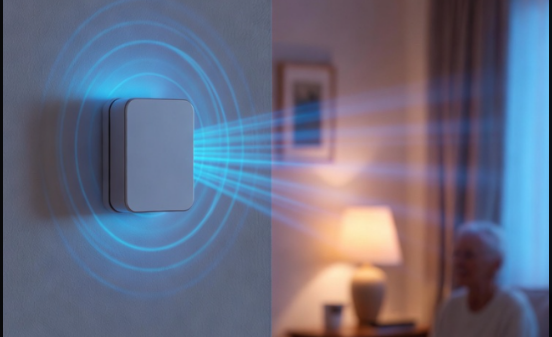
    Their Qinlu elderly care monitor’s core selling point is “wear-free, disturbance-free” fall detection. Not cameras constantly recording, but millimeter-wave radar fused with vision-based large model solutions—monitoring through air whether seniors have fallen, whether heart rates are normal, whether breathing is stable. With over 280 million people aged 60+ in China and a massive base of empty-nest seniors living alone, this market is certainly large enough. But the question remains: can a team experienced in children’s products replicate that success in eldercare scenarios?

    Product Overview: Switching Tracks from Kids to Silver Economy

    Millimeter-wave radar elderly care sensor tech
    Millimeter-wave radar elderly care sensor tech

    Qinlu currently has two product lines: the Z9 series and D series. The first Z9 launched in early 2025; in 2026 the fall detection model was upgraded, introducing the D series and refreshed Z9E. Core functions center on three scenarios: fall detection, heart rate and respiration monitoring, and remote care.

    YuanSheng’s supply chain cost control approaches major manufacturer levels, thanks to hardware manufacturing and channel resources accumulated during the Xiaotiancui era. Pricing strategy targets the mid-range—cheaper than professional medical-grade equipment, more expensive than traditional camera solutions, occupying the gray zone between “consumer electronics” and “medical devices.”

    Specifications: Millimeter-Wave Radar Plus Vision Fusion, Achieving Privacy Without Invasion

    SpecDetails
    Detection TechnologyMillimeter-wave radar + vision fusion large model
    Fall DetectionHybrid large model fusion technology
    Heart RateMillimeter-wave radar remote detection
    RespirationMillimeter-wave radar real-time monitoring
    Alert MethodAutomatic family member APP notification
    Target UsersEmpty-nest/solo seniors aged 65+
    InstallationNon-wearable, fixed placement
    NetworkWi-Fi/4G

    Data source: YuanSheng Intelligence official materials

    Millimeter-wave radar’s advantage lies in “perception-free” operation: no devices for seniors to wear, no cameras recording 24/7. Radar waves penetrate clothing to detect body posture changes, with visual modules providing auxiliary confirmation; both feed into large models to determine actual falls. This approach protects privacy better than pure cameras and offers more convenience than wearables—seniors need not remember charging or wearing devices.

    But millimeter-wave radar has limitations: accuracy suffers environmental interference (metal furniture, pet activity), and slow sliding falls are harder to detect than sudden tumbles. YuanSheng’s solution is “hybrid large model fusion,” feeding radar data, visual data, and historical behavior data together into the model to improve recognition accuracy in complex scenarios.

    Deep Analysis: Where Is the Real Demand in Elderly Consumer Electronics

    China’s population aged 60+ exceeds 280 million, with empty-nest and solo seniors comprising an increasing share. Traditional eldercare solutions fall into two categories: professional eldercare institutions (high cost, bed shortages) and remote family monitoring (children cannot stare at phones 24/7). Qinlu targets precisely the middle ground—real-time safety monitoring for home-based eldercare.

    Fall Detection Pain Point: Falls are the leading cause of accidental injury death among seniors over 65. Existing solutions either rely on cameras (privacy invasion, senior resistance) or wearables (forgetting to wear, forgetting to charge). Qinlu’s non-wearable solution addresses both pain points.

    Heart Rate and Respiration Value: Millimeter-wave radar can remotely detect heart rate and breathing frequency, automatically alerting when rates are too low or high. This suits seniors better than smartwatches—no operation needed, no screen to read, with family phones receiving notifications directly when anomalies occur.

    Remote Care Boundaries: Qinlu provides remote viewing, but core logic is “notify only on anomalies” rather than “peek anytime.” This design balances safety needs with privacy respect, making seniors more likely to accept.

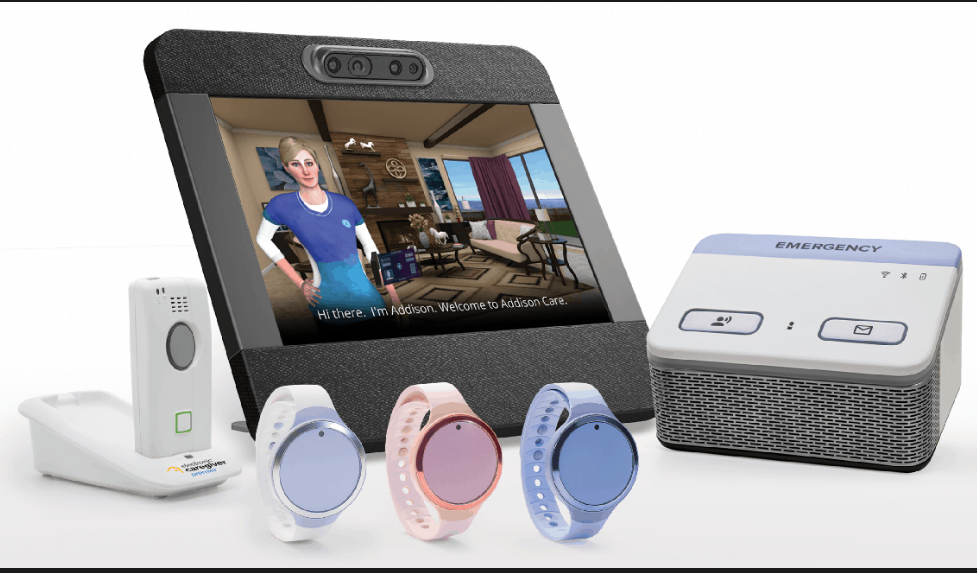
    家居老年监测设备收藏
    智能家居老年监测设备收藏

    Comparison: Qinlu vs Professional Medical Devices vs Consumer Cameras

    FeatureQinlu Z9/D SeriesProfessional Medical MonitorsConsumer Smart Cameras
    DetectionMillimeter-wave radar + visionProfessional sensors + doctor reviewPure visual AI
    PrivacyHigh (radar-primary)Medium (requires contact)Low (continuous recording)
    Ease of UseLow (non-wearable)High (requires professional operation)Low (plug and play)
    PriceMid-rangeHigh (thousands of yuan)Low (hundreds of yuan)
    Alert SpeedReal-time automaticRequires human interventionCloud-dependent delay
    Medical CertificationNoneHas medical device qualificationNone

    Qinlu’s positioning is clear: more accurate and private than camera solutions, cheaper and easier than medical devices. It is not medical equipment but “consumer electronics-grade safety guardianship.”

    Pros and Cons

    ProsCons
    Non-wearable design, high senior acceptanceMillimeter-wave radar affected by environment
    Radar + vision fusion, relatively accurate detectionSlow fall recognition remains challenging
    Privacy-friendly, no continuous recordingNo medical device certification, cannot replace professional diagnosis
    Strong team supply chain, good cost controlLow brand recognition, channel expansion needs time
    Automatic family alerts, timely responseRequires home network environment support

    Who Should Buy

    Recommended for:

    • Families with solo/empty-nest seniors aged 65+
    • Children working remotely needing remote care capabilities
    • Families with privacy concerns about camera monitoring
    • Middle-class families with limited budgets seeking improved senior home safety

    Not recommended for:

    • Chronic patients requiring medical-grade precision monitoring
    • Complex living environments (multiple pets, extensive metal furniture)
    • Families where seniors are extremely resistant to new technology

    FAQ

    Q: How accurate is Qinlu’s fall detection? A: Official specific accuracy data has not been published, but the millimeter-wave radar + vision fusion + large model approach is theoretically more reliable than single-sensor solutions. Recommend testing in your specific home environment before evaluating.

    Q: Can heart rate and respiration data serve as medical reference? A: No. Qinlu is a consumer electronics product, not a medical device. Monitoring data is for reference only and cannot replace professional medical diagnosis.

    Q: What if seniors resist being “monitored”? A: Qinlu is designed with “notify only on anomalies” mode, without continuous recording or daily push notifications, reducing seniors’ sense of surveillance. Recommend thorough communication with seniors before installation.

    Conclusion

    YuanSheng Qinlu’s value lies not in cutting-edge technology but in precisely targeting an overlooked刚需: the “golden rescue window” after elderly falls. The Xiaotiancui team’s experience—understanding user psychology, controlling supply chain costs, building channel networks—unexpectedly translates to eldercare scenarios.

    But eldercare consumer electronics challenges exceed children’s products: senior acceptance of new technology, the disconnect between purchasing children and actual users, and medical compliance boundaries are all hurdles YuanSheng must tackle one by one. The market of 280 million elderly is large enough, but who can truly create products seniors want to use and families feel confident buying remains to be verified by time.

  • Microsoft Project Solara Deep Dive: Your Next PC May Not Need Apps at All

    Microsoft Project Solara Deep Dive: Your Next PC May Not Need Apps at All

    Introduction: Windows Is No Longer Just for Humans

    Microsoft Project Solara AI agent hardware platform showcase
    Microsoft Project Solara AI agent hardware platform showcaseMicrosoft Project Solara AI agent hardware platform showcase

    On June 2, at the Build 2026 developer conference in San Francisco, Microsoft dropped a bombshell: Windows is changing its last name to “Agent.” No longer serving apps, it is becoming the landlord for AI agents. Project Solara, this hardware platform, represents Microsoft’s ultimate answer to “what should the next computer look like”—no keyboard, no mouse, no grid of app icons. You walk up, and the AI agent knows who you are and what you need.

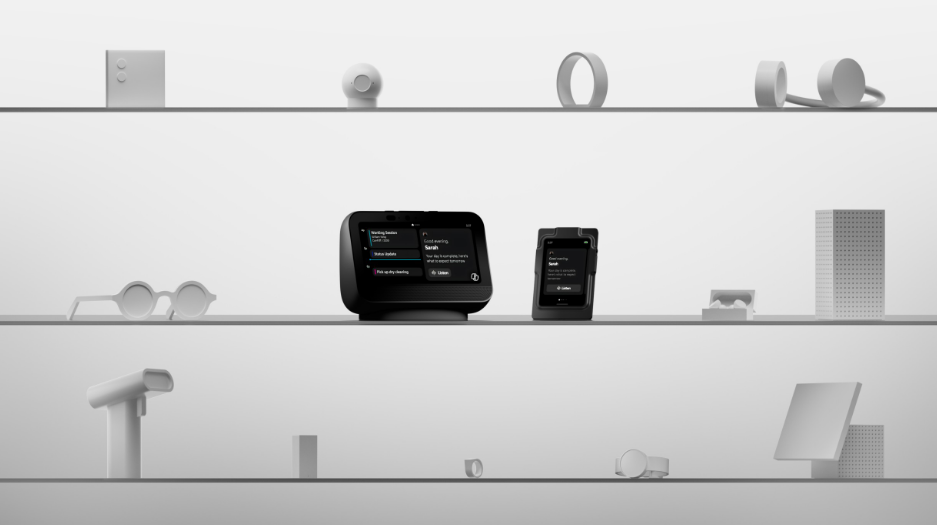
    This is not a concept slide. Microsoft has already produced two reference designs: a desktop terminal resembling a smart speaker, and a wearable digital badge hanging from your chest. Their shared characteristic: you do not need to learn any operations. Just talk.

    Event Details: Full-Stack Reconstruction from OS to Hardware

    Windows Agent Runtime: System-Level Citizenship for Agents

    Windows 11 24H2 will embed Agent Runtime—the “household registration” for agents within the system. Previously, AI assistants were plugins inside apps. Now agents stand equal to users, with their own identity, permissions, and lifecycle. More critically, they can directly tap hybrid compute across NPU, GPU, and CPU without routing through any third-party app.

    Microsoft demonstrated a local meeting minutes agent live: no internet connection, analyzing locally stored Teams recordings within 2 seconds and generating complete summaries. All data stays on device—this is a knockout punch for enterprise users who refuse to upload internal meeting content to the cloud.

    Project Solara Desktop Terminal: Your Dedicated AI Workstation

    Powered by MediaTek chips with minimalist design, no traditional keyboard or mouse. Windows Hello automatically recognizes and logs you in as you approach, immediately connecting to your personal AI agent. It displays daily priorities, accepts voice or tap commands for task delegation, and serves as a companion to Windows PCs or connects to Cloud PC.

    The design logic is clear: it does not replace your laptop but handles what your agent should do when you are away from the desk. Imagine leaving work—the agent continues processing emails, scheduling tomorrow’s meetings on the device, only vibrating for true emergencies.

    Microsoft Scout 企业 AI 代理 Build 2026
    Microsoft Scout 企业 AI 代理 2026 版本

    Wearable Digital Badge: AI Assistant on Your Chest

    This is more radical. Worn on the chest, integrating identity recognition, voice interaction, and haptic feedback. Employees issue voice commands to their agent anytime; the agent confirms completion through vibration, never requiring phones or computers. Picture factory inspections, hospital rounds, or retail floor operations—when both hands are occupied, voice plus vibration becomes the most efficient interaction mode.

    Scout Enterprise Agent: Digital Employee That Never Clocks Out

    Nadella calls it the “enterprise lobster,” because lobsters continuously molt and grow. Built on the OpenClaw framework, Scout operates 24/7, interacting in Teams like a human colleague. It reads emails, checks calendars, processes work messages, automatically completes repetitive tasks, reschedules conflicting meetings, and drafts professional replies.

    Microsoft Corporate VP Omar Shahine put it bluntly: “Your company is essentially hiring your assistant. The whole point of having a personal assistant is that they keep working when you are not.”

    Background Analysis: Why Microsoft Is Betting Big

    Windows dominated the PC market for 40 years but was crushed by Apple and Google in the mobile era. The AI age gives Microsoft a chance to flip the board—if Windows becomes the “best agent execution platform,” the reason users choose Windows shifts from “needing Office” to “needing to run my AI agent.”

    The business model transforms alongside: from one-time software licensing to continuous subscription services. You are not buying Windows; you are buying agent compute power and services.

    Microsoft’s confidence stems from its complete AI ecosystem: Azure cloud services, MAI large models, GitHub developer tools, and Microsoft 365 productivity suite. What was missing was a hardware entry point to bundle and deliver these capabilities to users. Project Solara is that entry point.

    Industry Impact: Giants Racing for Next-Gen Computing Entry

    Microsoft is not the only player betting on AI-native hardware. Google released the Fitbit Air screenless band and Gemini AI glasses in May; Meta cut metaverse budgets by 30% to focus on AI glasses, with the Orion AR prototype already unveiled; Apple is secretly developing screenless Apple Glasses and camera-equipped AirPods; Amazon acquired Bee to enter the AI health wearable space.

    All giants are pursuing the same goal: making AI agents the new operating system, and hardware the body for agents. For 40 years, users learned to use apps. In the future, apps will learn to understand users.

    Follow-Up: Deployment Challenges and Competitive Landscape

    Project Solara remains at the reference design stage, with mass production timelines and pricing yet to be announced. Microsoft must resolve several critical issues: agent reliability (24/7 operation without errors), enterprise data security compliance, and compatibility with existing IT systems.

    More realistic competition comes from Apple. If Apple launches Apple Glasses by end of 2026, leveraging iPhone ecosystem stickiness, users may prefer running agents within their familiar environment rather than migrating to Windows.

    Conclusion

    Project Solara represents a radical vision of the future: computing devices are no longer machines you operate, but employees that work for you. This vision is beautiful, but widespread adoption remains a long road. For Microsoft, this is a do-or-die battle. For the industry, it is Operating System War 2.0. Whoever defines the interaction standards for the agent era will claim the next 40 years.