Meta has officially partnered with Oakley to launch the Oakley Meta HSTN, its first performance-oriented AI smart glasses. Priced at $399, this device targets athletes and outdoor enthusiasts with upgraded cameras, longer battery life, and sport-specific features. Moreover, pre-orders open on July 11, with standard models shipping later this summer.
What Makes HSTN Different
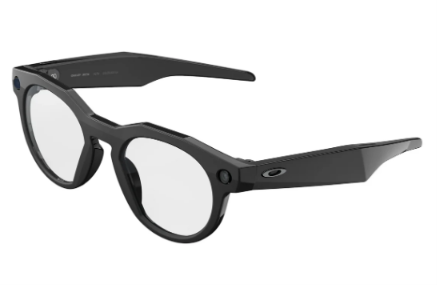
The Oakley Meta HSTN stands apart from the Ray-Ban Meta lineup because it prioritizes athletic performance over casual style. Consequently, it features IPX4 water resistance to handle sweat and rain, while the 8-hour battery life covers entire marathons or golf rounds. In addition, Oakley’s signature PRIZM lens technology enhances visibility across varying light conditions.
The camera system sees a major upgrade. The 12-megapixel ultra-wide sensor now captures 3K video at 2880 by 1620 resolution, a significant jump from the Ray-Ban Meta’s 1080p output. Furthermore, it records up to 3 minutes of continuous footage, enough for complete action sequences. The five-microphone array includes wind noise reduction, ensuring clear audio during cycling or running.
For safety, open-ear speakers let users hear music and AI responses while remaining aware of surrounding traffic. Therefore, road cyclists and trail runners can stay connected without compromising situational awareness.
Meta AI for Athletes
Meta AI serves as the HSTN’s core intelligence. Users activate it with “Hey Meta” and ask sport-specific questions in real time. For example, golfers can inquire how wind affects their upcoming shot, and runners can request pace and heart rate zone updates. Meanwhile, the assistant also handles translation, object recognition, and music identification.
All processing runs through the Meta AI App on a connected phone, since the glasses themselves lack standalone computing power. However, this dependency means users must carry their smartphones during workouts.
Battery and Pricing
The HSTN delivers 8 hours of typical use per charge, with 19 hours in standby mode. The included charging case adds roughly 40 extra hours, bringing total portability to 48 hours. Additionally, a 20-minute fast charge restores 50% capacity.
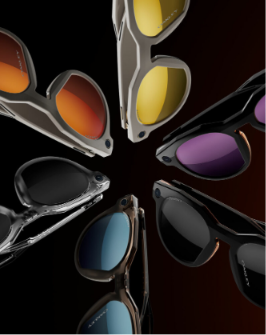
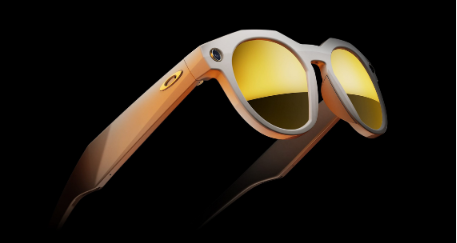
Meta offers two pricing tiers. The standard collection starts at $399 with six frame and lens combinations. Alternatively, a limited-edition 50th-anniversary model costs $499 and features gold accents with 24K PRIZM lenses.
Initial launch markets include the United States, Canada, United Kingdom, Ireland, France, Italy, Spain, Austria, Belgium, Australia, Germany, Sweden, Norway, Finland, and Denmark. Mexico, India, and the United Arab Emirates will follow later this year.
How HSTN Stacks Against Rivals
The HSTN occupies a unique niche. Compared to the Ray-Ban Meta, it offers higher video resolution, doubled battery life, and sport-optimized optics. On the other hand, it costs $100 more and features a bulkier frame less suited for daily wear.
Against the Apple Vision Pro, the HSTN weighs a fraction as much and costs nearly one-tenth the price. However, it lacks the immersive spatial computing capabilities of Apple’s headset.
The table below summarizes the key differences:
| Feature | Oakley Meta HSTN | Ray-Ban Meta | Apple Vision Pro |
| Weight | ~50g | ~50g | 600-650g |
| Camera | 12MP, 3K video | 12MP, 1080p | None |
| Battery | 8h + 48h total | 4h + 36h total | 2-2.5h |
| Water Resistance | IPX4 | IPX4 | None |
| AI Assistant | Meta AI | Meta AI | Siri |
| Lens Tech | PRIZM/Transitions | Standard | None |
| Price | $399 | $299 | $3,499 |
Who Should Buy HSTN
The HSTN suits athletes who want hands-free POV recording and real-time coaching data. Likewise, outdoor content creators benefit from the durable build and high-resolution capture. Oakley loyalists already familiar with the brand’s lens technology will find the transition seamless.
However, budget-conscious buyers may prefer the Ray-Ban Meta at $299, since it offers the same core AI features for less. Similarly, users seeking an everyday wearable might find the sporty frame too conspicuous for office or casual settings.
Final Verdict
The Oakley Meta HSTN is not revolutionary, but it represents a smart strategic expansion. Meta and EssilorLuxottica are building a multi-brand AI glasses ecosystem, and Oakley brings authentic athletic credibility that Ray-Ban cannot match.
For sports enthusiasts, the HSTN offers the best balance of performance, durability, and AI intelligence currently available. The 3K camera and 8-hour battery justify the $100 premium over the Ray-Ban Meta for anyone who actually plans to use these glasses during workouts.
For everyone else, the Ray-Ban Meta remains the better value. But if you have been waiting for AI glasses that can keep up with your training schedule, the HSTN is the closest answer yet.
Oakley Meta HSTN: Meta’s First Sport-Focused AI Glasses Launch
Meta has officially partnered with Oakley to launch the Oakley Meta HSTN, its first performance-oriented AI smart glasses. Priced at $399, this device targets athletes and outdoor enthusiasts with upgraded cameras, longer battery life, and sport-specific features. Moreover, pre-orders open on July 11, with standard models shipping later this summer.
What Makes HSTN Different
The Oakley Meta HSTN stands apart from the Ray-Ban Meta lineup because it prioritizes athletic performance over casual style. Consequently, it features IPX4 water resistance to handle sweat and rain, while the 8-hour battery life covers entire marathons or golf rounds. In addition, Oakley’s signature PRIZM lens technology enhances visibility across varying light conditions.
The camera system sees a major upgrade. The 12-megapixel ultra-wide sensor now captures 3K video at 2880 by 1620 resolution, a significant jump from the Ray-Ban Meta’s 1080p output. Furthermore, it records up to 3 minutes of continuous footage, enough for complete action sequences. The five-microphone array includes wind noise reduction, ensuring clear audio during cycling or running.
For safety, open-ear speakers let users hear music and AI responses while remaining aware of surrounding traffic. Therefore, road cyclists and trail runners can stay connected without compromising situational awareness.
Meta AI for Athletes
Meta AI serves as the HSTN’s core intelligence. Users activate it with “Hey Meta” and ask sport-specific questions in real time. For example, golfers can inquire how wind affects their upcoming shot, and runners can request pace and heart rate zone updates. Meanwhile, the assistant also handles translation, object recognition, and music identification.
All processing runs through the Meta AI App on a connected phone, since the glasses themselves lack standalone computing power. However, this dependency means users must carry their smartphones during workouts.
Battery and Pricing
The HSTN delivers 8 hours of typical use per charge, with 19 hours in standby mode. The included charging case adds roughly 40 extra hours, bringing total portability to 48 hours. Additionally, a 20-minute fast charge restores 50% capacity.
Meta offers two pricing tiers. The standard collection starts at $399 with six frame and lens combinations. Alternatively, a limited-edition 50th-anniversary model costs $499 and features gold accents with 24K PRIZM lenses.
Initial launch markets include the United States, Canada, United Kingdom, Ireland, France, Italy, Spain, Austria, Belgium, Australia, Germany, Sweden, Norway, Finland, and Denmark. Mexico, India, and the United Arab Emirates will follow later this year.
How HSTN Stacks Against Rivals
The HSTN occupies a unique niche. Compared to the Ray-Ban Meta, it offers higher video resolution, doubled battery life, and sport-optimized optics. On the other hand, it costs $100 more and features a bulkier frame less suited for daily wear.
Against the Apple Vision Pro, the HSTN weighs a fraction as much and costs nearly one-tenth the price. However, it lacks the immersive spatial computing capabilities of Apple’s headset.
The table below summarizes the key differences:
表格
| Feature | Oakley Meta HSTN | Ray-Ban Meta | Apple Vision Pro |
| Weight | ~50g | ~50g | 600-650g |
| Camera | 12MP, 3K video | 12MP, 1080p | None |
| Battery | 8h + 48h total | 4h + 36h total | 2-2.5h |
| Water Resistance | IPX4 | IPX4 | None |
| AI Assistant | Meta AI | Meta AI | Siri |
| Lens Tech | PRIZM/Transitions | Standard | None |
| Price | $399 | $299 | $3,499 |
Who Should Buy HSTN
The HSTN suits athletes who want hands-free POV recording and real-time coaching data. Likewise, outdoor content creators benefit from the durable build and high-resolution capture. Oakley loyalists already familiar with the brand’s lens technology will find the transition seamless.
However, budget-conscious buyers may prefer the Ray-Ban Meta at $299, since it offers the same core AI features for less. Similarly, users seeking an everyday wearable might find the sporty frame too conspicuous for office or casual settings.
Final Verdict
The Oakley Meta HSTN is not revolutionary, but it represents a smart strategic expansion. Meta and EssilorLuxottica are building a multi-brand AI glasses ecosystem, and Oakley brings authentic athletic credibility that Ray-Ban cannot match.
For sports enthusiasts, the HSTN offers the best balance of performance, durability, and AI intelligence currently available. The 3K camera and 8-hour battery justify the $100 premium over the Ray-Ban Meta for anyone who actually plans to use these glasses during workouts.
For everyone else, the Ray-Ban Meta remains the better value. But if you have been waiting for AI glasses that can keep up with your training schedule, the HSTN is the closest answer yet.
Leave a Reply