Home

  • VITURE Helix: Why Enterprise AI Glasses Beat Consumer Wearables

    VITURE has unveiled Helix at AWE 2026, the world’s first industrial-grade AI safety eyewear built on NVIDIA’s XR AI platform. Priced at $600, this device targets industrial, scientific, and clinical workflows with real-time multimodal AI coaching. Moreover, it represents a fundamental shift from consumer entertainment to enterprise productivity in the XR industry.
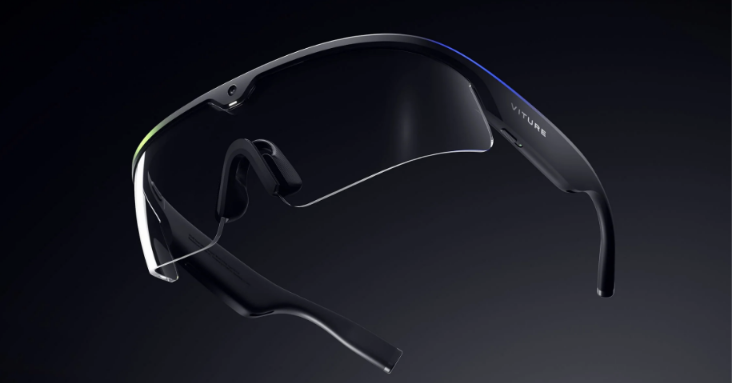
    VITURE Helix safety glasses front view
    VITURE Helix transparent safety glasses front view

    What Makes Helix Different

    Helix departs entirely from consumer-grade design principles. The device uses a fully transparent industrial safety frame engineered to ANSI Z87.1-2025 standards, with certification currently in progress. Consequently, it satisfies eye protection requirements while integrating a 12MP first-person camera, four-microphone array, stereo speakers, Wi-Fi, and Bluetooth 5.3.

    Crucially, Helix operates completely standalone without requiring a companion phone or external compute unit. It delivers over 60 minutes of battery life per charge while supporting charge-while-using functionality for continuous operation. Therefore, workers can wear it like standard safety glasses while an AI system monitors their operations in real time.

    VITURE collaborated with NVIDIA for 12 months to integrate the XR AI solution deeply into the hardware. According to the latest IDC Worldwide AR/VR Headset Tracker, VITURE ranks #1 in AR/XR display glasses and #2 across all AR/VR headsets in the U.S. and Europe, second only to Meta.

    How AI “Sees” and “Guides” Work

    Helix’s core capability is scene understanding, not information display. Powered by NVIDIA XR AI, it streams the wearer’s first-person audio and video to a multimodal AI system in real time. As a result, the AI can “see” the environment and “hear” operational sounds, delivering three key value propositions.

    First, real-time operational coaching. The system guides operators through standard operating procedures step by step, automatically identifying materials, equipment, and actions for compliance. Second, full-process compliance monitoring. It tracks workflows continuously and issues instant warnings for non-compliant actions, reducing safety and quality risks. Third, structured data provenance. The platform automatically converts entire operations into traceable, reproducible digital records without manual report writing, while building reusable organizational knowledge.
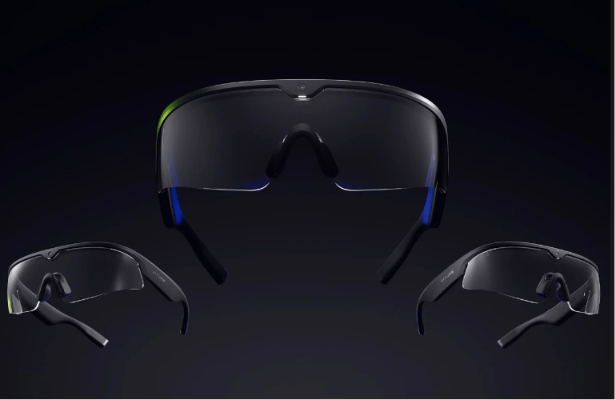
    VITURE Helix multiple angles display
    VITURE Helix glasses shown from multiple angles

    This essentially digitizes offline, non-standardized workflows. Previous industrial AR glasses functioned primarily as display terminals plus remote communication tools, with AI as a secondary feature. However, new multimodal large-model products can now actively understand scenes, assist decisions, and automatically capture data.

    Real-World Validation

    Helix is not a concept product. The platform has already undergone validation through collaboration between VITURE, NVIDIA, Stanford University’s Le Cong Lab, and Princeton University’s Mengdi Wang Lab. It has been deployed in wet-lab and life sciences research environments.

    Enterprise partner Rana built the LabOS system on this platform, enabling researchers to complete reagent identification, experimental step guidance, and automatic structured record generation. In fields such as immunotherapy, stem cell engineering, and materials science, this solution has compressed years of work into weeks while reducing costs from millions to thousands of dollars.

    Moving forward, Helix will expand into pharmaceutical operations, clinical research, and industrial manufacturing. At AWE 2026, NVIDIA Vice President of Spatial Computing and XR David Chu featured Helix as a flagship case study demonstrating how XR AI empowers physical AI systems.

    Consumer vs. Enterprise: Two Diverging Paths

    The table below contrasts Helix against leading consumer alternatives:

    FeatureVITURE HelixMeta Ray-BanXREAL Aura
    PositioningIndustrial AI SafetyConsumer AI FashionConsumer XR Display
    Core FunctionAI Coaching + ComplianceCamera + AI Chat + MusicSpatial Computing + Display
    OperationStandalone, No PhonePhone-DependentPhone/Compute Required
    Safety StandardANSI Z87.1-2025NoneNone
    AI DepthMultimodal Real-TimeVoice AI AssistantSpatial AI + Gemini
    Target UserEnterprise/Lab/FactoryGeneral ConsumersTech Enthusiasts
    Price$600From $299≤$1,500
    Value LogicCost Reduction + ComplianceEntertainment + NoveltyImmersion + Ecosystem

    Consumer products compete on weight, aesthetics, and basic interaction. They function as smartphone accessories. In contrast, enterprise products bind deeply to specific industry workflows with highly vertical and customized requirements. Their core value shifts from entertainment to cost reduction, compliance control, and knowledge.
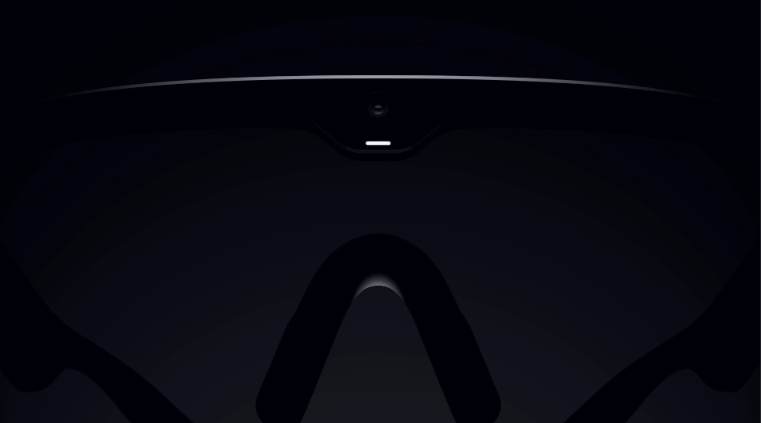
    VITURE Helix camera sensor detail
    VITURE Helix camera sensor close-up detail

    Who Should Adopt Helix

    Helix suits pharmaceutical and biotech enterprises requiring strict compliance management and experimental traceability. Likewise, industrial manufacturers benefit from standardized operational guidance and quality control. Research institutions can leverage AI-assisted experimental recording and step-by-step protocols.

    However, individual consumers should look elsewhere, since this product is not designed for daily personal use. Similarly, small studios may find the $600 base price plus customization costs prohibitive.

    Final Verdict

    Helix marks the formal transition of enterprise XR glasses from “information display” to “AI-native” functionality. It reveals a truth obscured by consumer market noise: the real value of XR technology may not lie in making TikTok more immersive, but in preventing factory accidents, reducing lab waste, and helping new workers avoid mistakes.

    While consumer AI glasses continue searching for mass-market demand, enterprise scenarios offer clearer cost-reduction and efficiency gains, making them the more predictable growth track for the XR industry. When XR hardware evolves from consumer entertainment novelty to industrial digital infrastructure, the entire sector’s commercial potential expands dramatically.

    Helix is not perfect. Its 60-minute battery life, invite-only pilot program, and Q1 2027 shipping timeline present real limitations. Nevertheless, it points in the right direction. For enterprises seeking practical AI hardware deployment, this may be the most significant industrial XR product of 2026.
  • NUNA AI Pendant: First Wearable That Reads Your Emotions

    NUNA AI Pendant: First Wearable That Reads Your Emotions

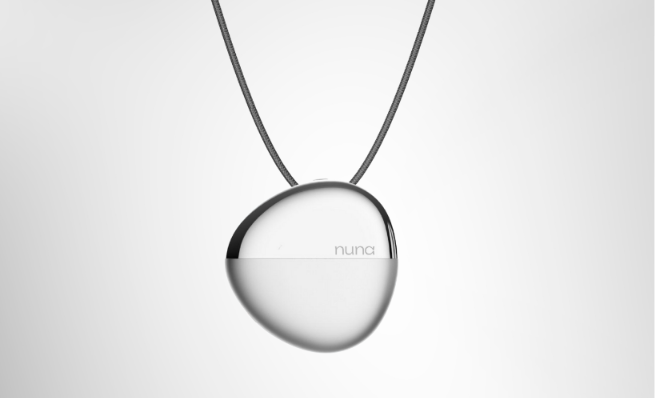
    ThingX has officially launched NUNA, the world’s first AI-powered emotion-tracking smart pendant. Weighing merely 16 grams with a pebble-inspired design, NUNA uses millimeter-wave radar and microphone arrays to monitor emotional states continuously. Moreover, it offers 48-hour battery life and a $299 price point, making it one of the most accessible advanced wearables in the emotional wellness space.

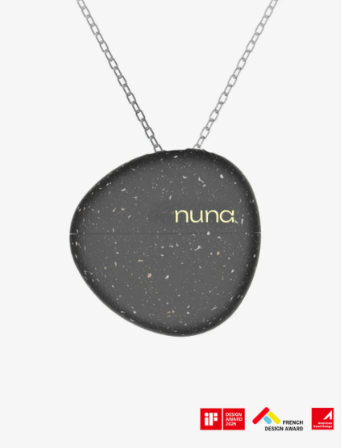
    NUNA black pendant iF design award
    NUNA black pendant showing iF design award

    How NUNA Senses Your Feelings

    NUNA integrates two core sensing modules. The microphone array captures vocal tone, pitch, and speaking pace, while the millimeter-wave radar detects heart rate variability, breathing patterns, and micro-movements without physical contact. Consequently, these dual data streams fuse through a multimodal AI algorithm to generate real-time emotional profiles.

    Unlike traditional wearables that demand active user engagement, NUNA operates through passive, continuous perception. Therefore, users simply wear the pendant around their neck and forget about it. The device builds a “continuous understanding” of the wearer’s physical and mental state without requiring button presses or manual logging.

    The pebble-shaped body comes in four colors: Moonlight Silver, Obsidian Black, Stream White, and Dusk Stone. Furthermore, the design has earned both the 2026 German iF Design Award and dual international design honors from the United States and France.

    Privacy-First Architecture

    NUNA’s most significant technical choice is its privacy-by-design approach. All raw data processing happens locally on the device and paired smartphone, never uploading to cloud servers. As a result, users maintain complete physical isolation of their biometric information.

    This architecture delivers two key benefits. First, it eliminates privacy concerns that often deter users from emotional monitoring tools. Second, it ensures full functionality even in areas with poor network coverage. Thus, NUNA achieves 99% field usability without the “memory interruptions” caused by connectivity issues.

    The device achieves 48 hours of continuous always-on recording between charges. Interestingly, founder Ernest Xie shared that battery life varies with user expressiveness—introverted users typically enjoy longer runtime. This detail reflects the product’s genuine focus on human behavior patterns.

    Woman wearing NUNA silver pendant
    Woman wearing NUNA silver pendant necklace

    Daily Experience: Memory Spheres and Reports

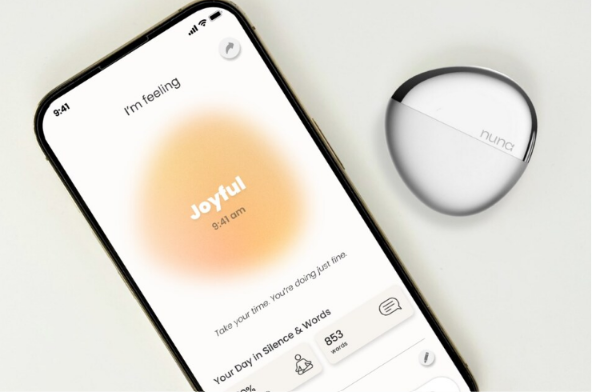
    The companion app generates hourly “memory spheres” that visualize emotional states through color coding. Purple indicates calmness, yellow represents joy, and red signals excitement or stress.

    Daily reports present chronological timelines including highlight moments, wellness tips, expression patterns, and physical status. When the system detects significant emotional fluctuations, NUNA delivers gentle vibration alerts alongside guided breathing exercises through haptic feedback and ambient audio.

    Over time, the AI engages in “co-evolution” with the user. The system continuously learns individual patterns, generating personalized logs and status reports that grow more accurate with extended use. Ernest Xie describes NUNA as “a cyber mirror that helps users understand themselves better.”

    How NUNA Compares to Rivals

    The table below positions NUNA against established wearables:

    FeatureNUNAApple WatchOura Ring
    Core FocusEmotion SensingHealth MetricsSleep Tracking
    SensorsmmWave Radar + MicOptical HR + SpO2Infrared PPG + Temp
    InteractionPassive PerceptionActive CheckingPassive Collection
    Data PrivacyOn-Device OnlyCloud SyncCloud Sync
    Battery Life48 Hours18 Hours7 Days
    Weight~16g~50g~4g
    Price$299From $399From $299
    Form FactorPendantWatchRing

    NUNA clearly differentiates itself from competitors. While Apple Watch tells you what happened to your body, NUNA reveals what is happening to your mood.

    Who Should Buy NUNA

    NUNA suits individuals prioritizing mental wellness and emotional self-awareness. Likewise, high-pressure professionals benefit from its stress management and intervention tools. Mindfulness practitioners can use the data feedback to optimize meditation routines.

    However, users uncomfortable with emotional data recording may find the concept intrusive. Similarly, minimalists who avoid wearing any accessories will likely skip this category entirely.

    NUNA app joyful mood sphere
    NUNA app showing joyful mood sphere display

    Final Verdict

    NUNA is not the first AI wearable, but it may be the first to genuinely treat emotion as a core metric. In a market dominated by Apple Watch’s health dashboards and Oura Ring’s sleep analytics, NUNA identifies a long-neglected entry point—our emotional states.

    Behind the 16-gram weight, 48-hour battery, on-device privacy, and passive sensing lies a more fundamental question: can technology help us understand ourselves better?

    ThingX answers affirmatively. NUNA functions as a “cyber mirror” that observes without judging, records without pressuring. It may not solve your anxiety, but it will let you see your anxiety clearly for the first time.

    As AI hardware grows increasingly homogeneous, NUNA proves a compelling direction: extending AI perception from physical metrics to psychological states, shifting from data management to emotional companionship. This may represent the next evolutionary step for wearable technology.

  • Oakley Meta HSTN: Meta’s First Sport-Focused AI Glasses Launch

    Oakley Meta HSTN: Meta’s First Sport-Focused AI Glasses Launch

    Meta has officially partnered with Oakley to launch the Oakley Meta HSTN, its first performance-oriented AI smart glasses. Priced at $399, this device targets athletes and outdoor enthusiasts with upgraded cameras, longer battery life, and sport-specific features. Moreover, pre-orders open on July 11, with standard models shipping later this summer.

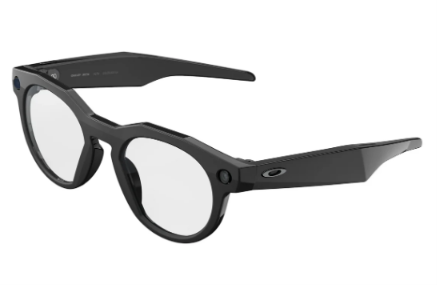
    Oakley Meta HSTN black frame camera
    Oakley Meta HSTN black frame with camera

    What Makes HSTN Different

    The Oakley Meta HSTN stands apart from the Ray-Ban Meta lineup because it prioritizes athletic performance over casual style. Consequently, it features IPX4 water resistance to handle sweat and rain, while the 8-hour battery life covers entire marathons or golf rounds. In addition, Oakley’s signature PRIZM lens technology enhances visibility across varying light conditions.

    The camera system sees a major upgrade. The 12-megapixel ultra-wide sensor now captures 3K video at 2880 by 1620 resolution, a significant jump from the Ray-Ban Meta’s 1080p output. Furthermore, it records up to 3 minutes of continuous footage, enough for complete action sequences. The five-microphone array includes wind noise reduction, ensuring clear audio during cycling or running.

    For safety, open-ear speakers let users hear music and AI responses while remaining aware of surrounding traffic. Therefore, road cyclists and trail runners can stay connected without compromising situational awareness.

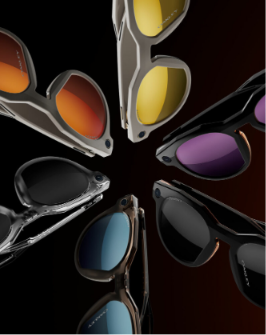
    Oakley Meta HSTN color variants
    Oakley Meta HSTN multiple color options displayed

    Meta AI for Athletes

    Meta AI serves as the HSTN’s core intelligence. Users activate it with “Hey Meta” and ask sport-specific questions in real time. For example, golfers can inquire how wind affects their upcoming shot, and runners can request pace and heart rate zone updates. Meanwhile, the assistant also handles translation, object recognition, and music identification.

    All processing runs through the Meta AI App on a connected phone, since the glasses themselves lack standalone computing power. However, this dependency means users must carry their smartphones during workouts.

    Battery and Pricing

    The HSTN delivers 8 hours of typical use per charge, with 19 hours in standby mode. The included charging case adds roughly 40 extra hours, bringing total portability to 48 hours. Additionally, a 20-minute fast charge restores 50% capacity.

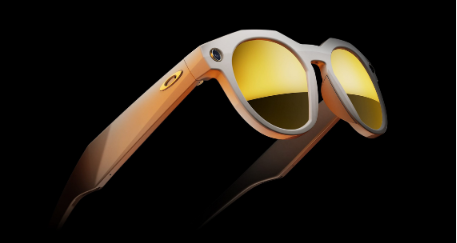
    Meta offers two pricing tiers. The standard collection starts at $399 with six frame and lens combinations. Alternatively, a limited-edition 50th-anniversary model costs $499 and features gold accents with 24K PRIZM lenses.

    Initial launch markets include the United States, Canada, United Kingdom, Ireland, France, Italy, Spain, Austria, Belgium, Australia, Germany, Sweden, Norway, Finland, and Denmark. Mexico, India, and the United Arab Emirates will follow later this year.

    How HSTN Stacks Against Rivals

    The HSTN occupies a unique niche. Compared to the Ray-Ban Meta, it offers higher video resolution, doubled battery life, and sport-optimized optics. On the other hand, it costs $100 more and features a bulkier frame less suited for daily wear.

    Against the Apple Vision Pro, the HSTN weighs a fraction as much and costs nearly one-tenth the price. However, it lacks the immersive spatial computing capabilities of Apple’s headset.

    Oakley Meta HSTN gold edition
    Oakley Meta HSTN limited gold edition model.

    The table below summarizes the key differences:

    FeatureOakley Meta HSTNRay-Ban MetaApple Vision Pro
    Weight~50g~50g600-650g
    Camera12MP, 3K video12MP, 1080pNone
    Battery8h + 48h total4h + 36h total2-2.5h
    Water ResistanceIPX4IPX4None
    AI AssistantMeta AIMeta AISiri
    Lens TechPRIZM/TransitionsStandardNone
    Price$399$299$3,499

    Who Should Buy HSTN

    The HSTN suits athletes who want hands-free POV recording and real-time coaching data. Likewise, outdoor content creators benefit from the durable build and high-resolution capture. Oakley loyalists already familiar with the brand’s lens technology will find the transition seamless.

    However, budget-conscious buyers may prefer the Ray-Ban Meta at $299, since it offers the same core AI features for less. Similarly, users seeking an everyday wearable might find the sporty frame too conspicuous for office or casual settings.

    Final Verdict

    The Oakley Meta HSTN is not revolutionary, but it represents a smart strategic expansion. Meta and EssilorLuxottica are building a multi-brand AI glasses ecosystem, and Oakley brings authentic athletic credibility that Ray-Ban cannot match.

    For sports enthusiasts, the HSTN offers the best balance of performance, durability, and AI intelligence currently available. The 3K camera and 8-hour battery justify the $100 premium over the Ray-Ban Meta for anyone who actually plans to use these glasses during workouts.

    For everyone else, the Ray-Ban Meta remains the better value. But if you have been waiting for AI glasses that can keep up with your training schedule, the HSTN is the closest answer yet.

    Oakley Meta HSTN: Meta’s First Sport-Focused AI Glasses Launch

    Meta has officially partnered with Oakley to launch the Oakley Meta HSTN, its first performance-oriented AI smart glasses. Priced at $399, this device targets athletes and outdoor enthusiasts with upgraded cameras, longer battery life, and sport-specific features. Moreover, pre-orders open on July 11, with standard models shipping later this summer.

    What Makes HSTN Different

    The Oakley Meta HSTN stands apart from the Ray-Ban Meta lineup because it prioritizes athletic performance over casual style. Consequently, it features IPX4 water resistance to handle sweat and rain, while the 8-hour battery life covers entire marathons or golf rounds. In addition, Oakley’s signature PRIZM lens technology enhances visibility across varying light conditions.

    The camera system sees a major upgrade. The 12-megapixel ultra-wide sensor now captures 3K video at 2880 by 1620 resolution, a significant jump from the Ray-Ban Meta’s 1080p output. Furthermore, it records up to 3 minutes of continuous footage, enough for complete action sequences. The five-microphone array includes wind noise reduction, ensuring clear audio during cycling or running.

    For safety, open-ear speakers let users hear music and AI responses while remaining aware of surrounding traffic. Therefore, road cyclists and trail runners can stay connected without compromising situational awareness.

    Meta AI for Athletes

    Meta AI serves as the HSTN’s core intelligence. Users activate it with “Hey Meta” and ask sport-specific questions in real time. For example, golfers can inquire how wind affects their upcoming shot, and runners can request pace and heart rate zone updates. Meanwhile, the assistant also handles translation, object recognition, and music identification.

    All processing runs through the Meta AI App on a connected phone, since the glasses themselves lack standalone computing power. However, this dependency means users must carry their smartphones during workouts.

    Battery and Pricing

    The HSTN delivers 8 hours of typical use per charge, with 19 hours in standby mode. The included charging case adds roughly 40 extra hours, bringing total portability to 48 hours. Additionally, a 20-minute fast charge restores 50% capacity.

    Meta offers two pricing tiers. The standard collection starts at $399 with six frame and lens combinations. Alternatively, a limited-edition 50th-anniversary model costs $499 and features gold accents with 24K PRIZM lenses.

    Initial launch markets include the United States, Canada, United Kingdom, Ireland, France, Italy, Spain, Austria, Belgium, Australia, Germany, Sweden, Norway, Finland, and Denmark. Mexico, India, and the United Arab Emirates will follow later this year.

    How HSTN Stacks Against Rivals

    The HSTN occupies a unique niche. Compared to the Ray-Ban Meta, it offers higher video resolution, doubled battery life, and sport-optimized optics. On the other hand, it costs $100 more and features a bulkier frame less suited for daily wear.

    Against the Apple Vision Pro, the HSTN weighs a fraction as much and costs nearly one-tenth the price. However, it lacks the immersive spatial computing capabilities of Apple’s headset.

    The table below summarizes the key differences:

    表格

    FeatureOakley Meta HSTNRay-Ban MetaApple Vision Pro
    Weight~50g~50g600-650g
    Camera12MP, 3K video12MP, 1080pNone
    Battery8h + 48h total4h + 36h total2-2.5h
    Water ResistanceIPX4IPX4None
    AI AssistantMeta AIMeta AISiri
    Lens TechPRIZM/TransitionsStandardNone
    Price$399$299$3,499

    Who Should Buy HSTN

    The HSTN suits athletes who want hands-free POV recording and real-time coaching data. Likewise, outdoor content creators benefit from the durable build and high-resolution capture. Oakley loyalists already familiar with the brand’s lens technology will find the transition seamless.

    However, budget-conscious buyers may prefer the Ray-Ban Meta at $299, since it offers the same core AI features for less. Similarly, users seeking an everyday wearable might find the sporty frame too conspicuous for office or casual settings.

    Final Verdict

    The Oakley Meta HSTN is not revolutionary, but it represents a smart strategic expansion. Meta and EssilorLuxottica are building a multi-brand AI glasses ecosystem, and Oakley brings authentic athletic credibility that Ray-Ban cannot match.

    For sports enthusiasts, the HSTN offers the best balance of performance, durability, and AI intelligence currently available. The 3K camera and 8-hour battery justify the $100 premium over the Ray-Ban Meta for anyone who actually plans to use these glasses during workouts.

    For everyone else, the Ray-Ban Meta remains the better value. But if you have been waiting for AI glasses that can keep up with your training schedule, the HSTN is the closest answer yet.

  • XREAL Aura: First Android XR Glasses Hit Consumer Market

    XREAL Aura: First Android XR Glasses Hit Consumer Market

    XREAL has officially unveiled Aura, the world’s first consumer-grade XR glasses running Google’s Android XR platform. At just 95 grams with a 70-degree field of view, Aura bridges the gap between bulky headsets and everyday eyewear. Moreover, it arrives this fall with a price ceiling of $1,500, making it one of the most accessible high-end XR devices yet.

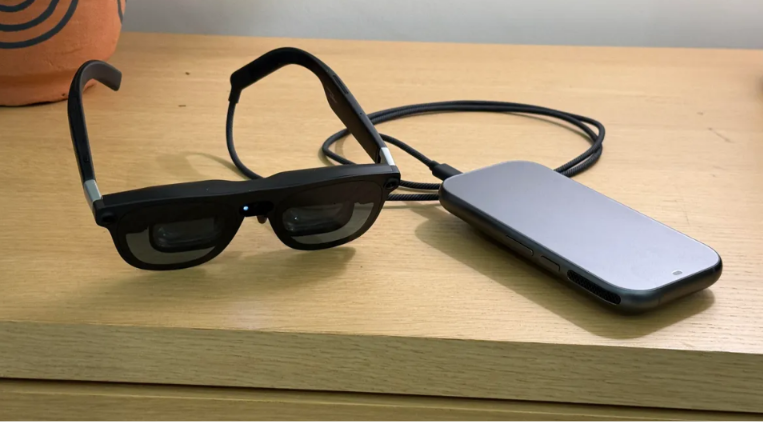
    XREAL Aura glasses with compute puck
    XREAL Aura glasses connected to compute puck

    What Makes Aura Different

    Aura stands out because it runs native Android XR, not a stripped-down companion OS. Consequently, millions of apps from Google Play work on day one, including spatial versions of Google Maps, YouTube, and Chrome. In addition, Google baked Gemini AI directly into the platform, so Aura can understand what you see and offer real-time context.

    The hardware uses a split design. The glasses themselves weigh merely 95 grams, while a tethered compute puck houses the Snapdragon Reality Elite chip and battery. Therefore, XREAL keeps the weight off your face without sacrificing performance. Furthermore, the glasses pack an X1S spatial coprocessor for real-time rendering and 6DoF tracking.

    Optically, Aura employs next-generation birdbath optics with optical see-through passthrough. As a result, users see the real world directly through transparent lenses while digital overlays float in space. Additionally, the lenses feature electronically adjustable dimming, which adapts to ambient light and reduces washout in bright environments.

    The Google-Qualcomm-XREAL Alliance

    Aura marks a strategic shift for Google. Previously, Android XR only powered Samsung’s Galaxy XR headset, a niche enterprise device. Now, Aura brings the platform to consumers for the first time. In fact, Google treats XR as its fourth screen alongside phones, tablets, and watches.

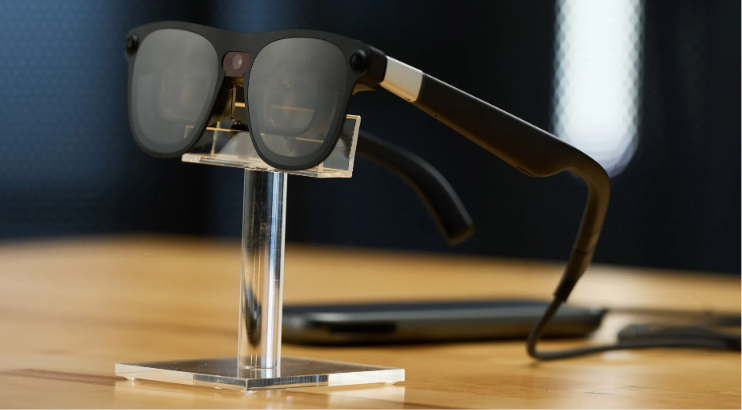
    XREAL Aura glasses display stand
    XREAL Aura glasses on display stand

    The Snapdragon Reality Elite chip inside the compute puck delivers enough horsepower for spatial multitasking, hand tracking, and immersive video. Meanwhile, Gemini AI enables multimodal interactions—Aura can identify objects, translate text, and guide repairs simply by looking at them. During AWE 2026 demos, attendees experienced spatial Google Maps navigation, 180°/360° YouTube videos, and multi-window Chrome browsing.

    Over 100 XR-optimized apps are already in development. Thus, Aura launches with both a massive existing library and a growing native ecosystem.

    Pricing and Availability

    XREAL opened reservations immediately after the AWE announcement. For $99, buyers receive a $199 launch credit, effectively saving $100. Alternatively, a $299 Founder Priority Pass guarantees launch-day delivery and includes special-edition hardware. Notably, all 2,000 Founder units sold out within 36 hours.

    The company confirmed the base model will not exceed $1,500 before tax. However, XREAL has not disclosed the exact final price. Initial launch markets include the United States, United Kingdom, Japan, Canada, and South Korea, with European availability following soon after.

    How Aura Stacks Against Rivals

    Aura occupies a unique position. Compared to the Apple Vision Pro, it weighs one-seventh as much and costs less than half the price. On the other hand, it sacrifices some immersion with a smaller field of view. Against the Meta Quest 3, Aura offers superior AI through Gemini and deeper app integration via Google Play, though it trails in raw gaming performance.

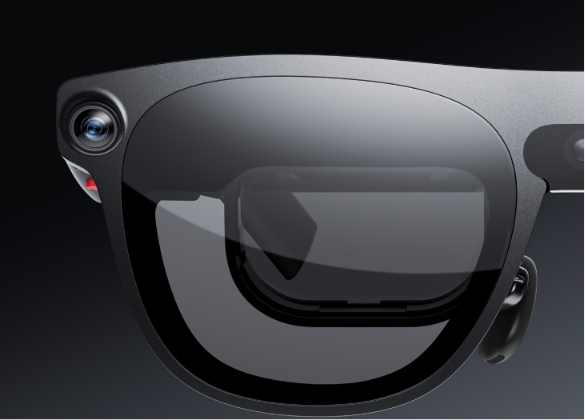
    XREAL Aura front camera view
    XREAL Aura front view showing camera

    The table below summarizes the key differences:

    FeatureXREAL AuraApple Vision ProMeta Quest 3
    Weight95g600-650g515g
    Field of View70°~100°110°
    OpticsOST PassthroughVST VideoVST Video
    OSAndroid XRvisionOSHorizon OS
    AI AssistantGeminiSiriMeta AI
    Price≤$1,500$3,499$499
    Form FactorGlassesHeadsetHeadset

    Who Should Buy Aura

    Aura suits tech enthusiasts eager to explore Android XR early. Likewise, content creators benefit from its portable spatial computing capabilities. Developers targeting the Android XR platform should also consider it as a reference device.

    However, budget-conscious buyers may find the $1,500 ceiling steep, especially since the final price remains undisclosed. Similarly, hardcore gamers might prefer the wider field of view and stronger performance of dedicated headsets.

    Final Verdict

    Aura is not perfect. The tethered puck adds cable clutter, and four-hour battery life demands frequent charging. Nevertheless, it represents the most credible consumer XR launch since Meta Quest 2. Google, Qualcomm, and XREAL each bring essential pieces—ecosystem, silicon, and hardware design—to create a genuinely wearable spatial computer.

    For anyone waiting for AR glasses that actually work, Aura is the closest answer in 2026.