VITURE has unveiled Helix at AWE 2026, the world’s first industrial-grade AI safety eyewear built on NVIDIA’s XR AI platform. Priced at $600, this device targets industrial, scientific, and clinical workflows with real-time multimodal AI coaching. Moreover, it represents a fundamental shift from consumer entertainment to enterprise productivity in the XR industry.
What Makes Helix Different
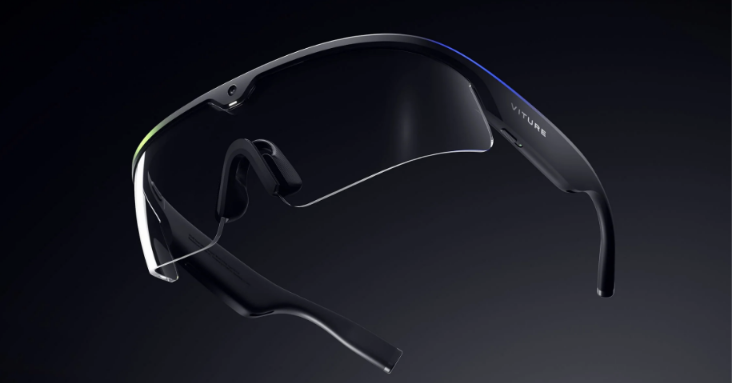
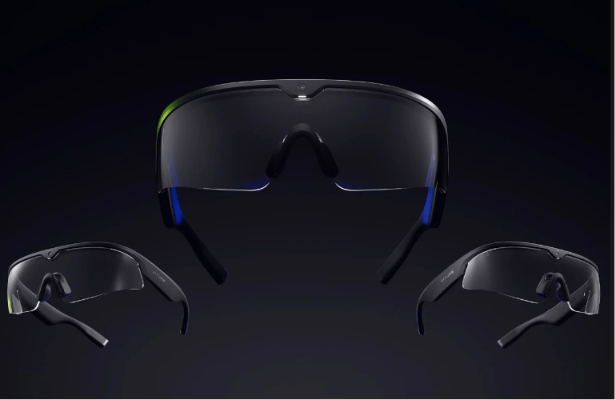
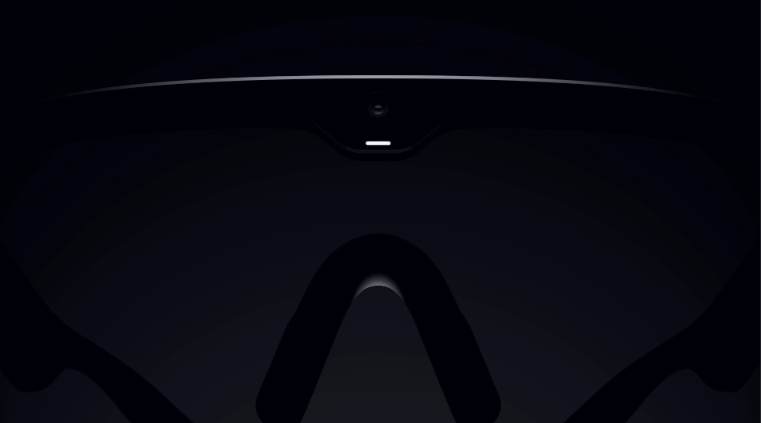
Helix departs entirely from consumer-grade design principles. The device uses a fully transparent industrial safety frame engineered to ANSI Z87.1-2025 standards, with certification currently in progress. Consequently, it satisfies eye protection requirements while integrating a 12MP first-person camera, four-microphone array, stereo speakers, Wi-Fi, and Bluetooth 5.3.
Crucially, Helix operates completely standalone without requiring a companion phone or external compute unit. It delivers over 60 minutes of battery life per charge while supporting charge-while-using functionality for continuous operation. Therefore, workers can wear it like standard safety glasses while an AI system monitors their operations in real time.
VITURE collaborated with NVIDIA for 12 months to integrate the XR AI solution deeply into the hardware. According to the latest IDC Worldwide AR/VR Headset Tracker, VITURE ranks #1 in AR/XR display glasses and #2 across all AR/VR headsets in the U.S. and Europe, second only to Meta.
How AI “Sees” and “Guides” Work
Helix’s core capability is scene understanding, not information display. Powered by NVIDIA XR AI, it streams the wearer’s first-person audio and video to a multimodal AI system in real time. As a result, the AI can “see” the environment and “hear” operational sounds, delivering three key value propositions.
First, real-time operational coaching. The system guides operators through standard operating procedures step by step, automatically identifying materials, equipment, and actions for compliance. Second, full-process compliance monitoring. It tracks workflows continuously and issues instant warnings for non-compliant actions, reducing safety and quality risks. Third, structured data provenance. The platform automatically converts entire operations into traceable, reproducible digital records without manual report writing, while building reusable organizational knowledge.
This essentially digitizes offline, non-standardized workflows. Previous industrial AR glasses functioned primarily as display terminals plus remote communication tools, with AI as a secondary feature. However, new multimodal large-model products can now actively understand scenes, assist decisions, and automatically capture data.
Real-World Validation
Helix is not a concept product. The platform has already undergone validation through collaboration between VITURE, NVIDIA, Stanford University’s Le Cong Lab, and Princeton University’s Mengdi Wang Lab. It has been deployed in wet-lab and life sciences research environments.
Enterprise partner Rana built the LabOS system on this platform, enabling researchers to complete reagent identification, experimental step guidance, and automatic structured record generation. In fields such as immunotherapy, stem cell engineering, and materials science, this solution has compressed years of work into weeks while reducing costs from millions to thousands of dollars.
Moving forward, Helix will expand into pharmaceutical operations, clinical research, and industrial manufacturing. At AWE 2026, NVIDIA Vice President of Spatial Computing and XR David Chu featured Helix as a flagship case study demonstrating how XR AI empowers physical AI systems.
Consumer vs. Enterprise: Two Diverging Paths
The table below contrasts Helix against leading consumer alternatives:
| Feature | VITURE Helix | Meta Ray-Ban | XREAL Aura |
| Positioning | Industrial AI Safety | Consumer AI Fashion | Consumer XR Display |
| Core Function | AI Coaching + Compliance | Camera + AI Chat + Music | Spatial Computing + Display |
| Operation | Standalone, No Phone | Phone-Dependent | Phone/Compute Required |
| Safety Standard | ANSI Z87.1-2025 | None | None |
| AI Depth | Multimodal Real-Time | Voice AI Assistant | Spatial AI + Gemini |
| Target User | Enterprise/Lab/Factory | General Consumers | Tech Enthusiasts |
| Price | $600 | From $299 | ≤$1,500 |
| Value Logic | Cost Reduction + Compliance | Entertainment + Novelty | Immersion + Ecosystem |
Consumer products compete on weight, aesthetics, and basic interaction. They function as smartphone accessories. In contrast, enterprise products bind deeply to specific industry workflows with highly vertical and customized requirements. Their core value shifts from entertainment to cost reduction, compliance control, and knowledge.
Who Should Adopt Helix
Helix suits pharmaceutical and biotech enterprises requiring strict compliance management and experimental traceability. Likewise, industrial manufacturers benefit from standardized operational guidance and quality control. Research institutions can leverage AI-assisted experimental recording and step-by-step protocols.
However, individual consumers should look elsewhere, since this product is not designed for daily personal use. Similarly, small studios may find the $600 base price plus customization costs prohibitive.
Final Verdict
Helix marks the formal transition of enterprise XR glasses from “information display” to “AI-native” functionality. It reveals a truth obscured by consumer market noise: the real value of XR technology may not lie in making TikTok more immersive, but in preventing factory accidents, reducing lab waste, and helping new workers avoid mistakes.
While consumer AI glasses continue searching for mass-market demand, enterprise scenarios offer clearer cost-reduction and efficiency gains, making them the more predictable growth track for the XR industry. When XR hardware evolves from consumer entertainment novelty to industrial digital infrastructure, the entire sector’s commercial potential expands dramatically.
Helix is not perfect. Its 60-minute battery life, invite-only pilot program, and Q1 2027 shipping timeline present real limitations. Nevertheless, it points in the right direction. For enterprises seeking practical AI hardware deployment, this may be the most significant industrial XR product of 2026.
Leave a Reply