Category: AI Wearables

AI Wearables dedicated zone, focusing on the latest news, in-depth reviews, technical principles and industry trends of AI smart wearable devices. It covers smart watches, AI glasses, smart earbuds, health monitoring wearables and other full-category content.

  • RayNeo V3 AI Camera Glasses Review: 200 AI Features Under $150

    RayNeo V3 AI Camera Glasses Review: 200 AI Features Under $150

    Introduction: 200 AI Features with Under 6% Usage Rate, RayNeo Claims They Found the Right Answer
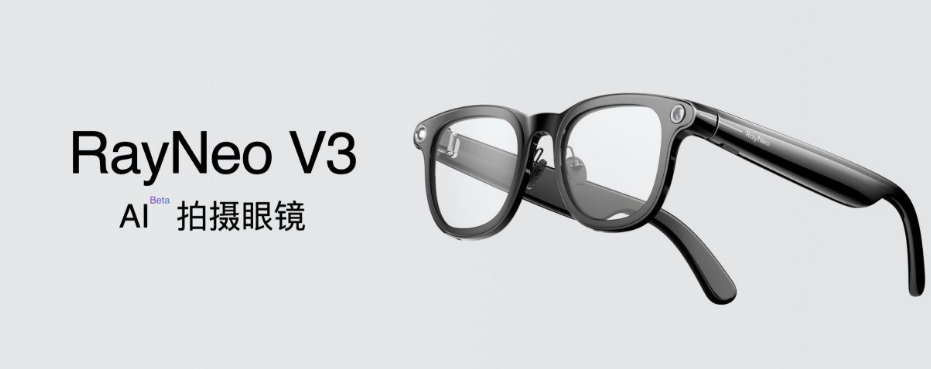
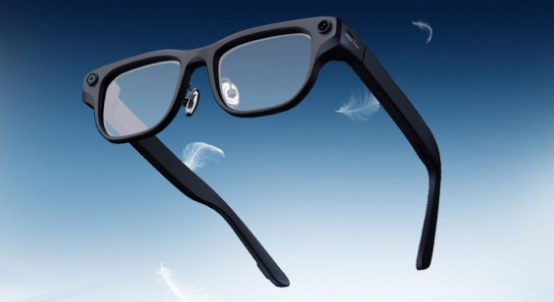
    RayNeo V3 AI camera glasses product render
    RayNeo V3 AI camera glasses product render

    Seeing the number “200 AI features,” my first reaction was: they must be counting every filter separately, right? But after getting hands-on with the RayNeo V3, I discovered it takes a completely different path from the Vidda G11—while Vidda subtracts, RayNeo adds. Launch price 1799 yuan, now dropped to 973 yuan, packing Sony IMX681 and Snapdragon AR1. This configuration would have cost at least 2500 yuan six months ago. The question is: do more features equal better usability? Let’s unbox and test.

    Product Overview: TCL-Backed Brand’s AI Glasses Ambition

    RayNeo Innovation is an AR/AI glasses brand incubated by TCL, previously focused on AR headsets. This pivot to lightweight AI glasses clearly aims to capture the entry-level market in the “Hundred Glasses Battle.” The V3’s positioning is clear: young people’s first AI glasses, bundling photography + AI recognition + voice interaction, skipping complex AR displays to drive the price down.

    The design follows the classic black frame route, looking little different from ordinary glasses except for slightly thicker temples (needed to fit battery, motherboard, and camera). Weight stays within reasonable limits, with no obvious pressure during extended wear.

    Specifications: Sony + Qualcomm, No Cutting Corners

    SpecDetails
    SensorSony IMX681
    PlatformFirst-generation Snapdragon AR1
    CameraSingle camera, photo/video support
    AI Features200+ scenario-based functions
    AudioOpen-ear directional speakers
    InteractionVoice + touch
    Weight~39g
    Battery~4-6 hours continuous use
    ConnectivityBluetooth + WiFi
    StorageLocal + cloud

    Data source: RayNeo Innovation official specs

    The Sony IMX681 is a mature smartphone-grade sensor; putting it on glasses means photo quality far exceeds “acceptable” levels. The Snapdragon AR1 is Qualcomm’s platform specifically designed for lightweight AI glasses, with core advantages in power consumption control—after all, glasses batteries are tiny.

    Performance Analysis: 200 AI Features, Which Ones Actually Matter
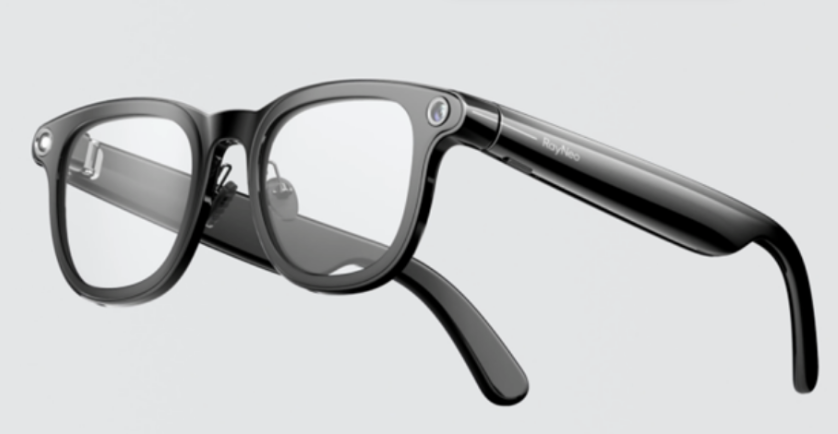
    Side View of RayNeo V3 Smart Glasses
    RayNeo V3智能眼镜侧面展示神庙设计

    The V3’s AI functions fall into several categories:

    Photo Recognition: See an unfamiliar flower, car, or product? Snap a photo and AI automatically identifies it with information. Tested recognition accuracy is solid, but response speed depends heavily on network conditions. In museums viewing exhibits or malls checking product labels, this is indeed more convenient than pulling out your phone.

    Real-Time Translation: Looking at foreign menus or street signs? AI translates in real-time and displays through the mobile app. Valuable for international travel, but translation quality lags behind dedicated translation apps.

    Voice Assistant: Check weather, set reminders, play music—basically overlapping with smartphone voice assistants. Advantage: no need to pull out your phone. Disadvantage: recognition accuracy affected by ambient noise.

    Social Sharing: Snap and directly share to social platforms. This workflow is faster than phone photo-select-send, but image quality and editing features trail smartphones.

    Honestly, among 200 functions, probably fewer than 20 see regular use. But RayNeo’s smart move is handing choice to users—you pick which scenarios you want, rather than forcing everything on you. This “scenario-based AI” approach fits actual usage habits better than “all-purpose AI.”

    Comparison: RayNeo V3 vs Meta Ray-Ban vs Vidda G11

    FeatureRayNeo V3Meta Ray-BanVidda G11
    Price973 yuan (after drop)~$2991104 yuan (after subsidy)
    CameraYes (Sony IMX681)YesNo
    AI Features200+ scenario-basedSocial + basic AIOffice-focused
    AudioOpen-earOpen-earDirectional + Vifa tuned
    Weight~39g~49g26.5g
    PositioningEntry AI photographySocial entertainmentMobile office

    Three glasses, three paths: Meta for social, Vidda for office, RayNeo for exploration. The V3’s advantage is extreme cost-performance—973 yuan for glasses with a Sony camera and 200 AI functions, what more could you want? But if you already know exactly what you need, Vidda (office) or Meta (social) might be more specialized.

    Pros and Cons

    ProsCons
    Extremely low price, 973 yuan barrier-friendlyMany features lack depth
    Sony sensor, photo quality is solid4-6 hour battery life is short
    200 AI scenarios, highly exploratorySome AI functions depend on network
    Open-ear audio, good environmental awarenessThicker temples, average aesthetics
    Snapdragon AR1 platform, good power controlLower brand recognition

    Who Should Buy

    Recommended for:

    • Students/young people wanting to try AI glasses on a budget
    • Tech enthusiasts who love exploring new features
    • Frequent travelers/exhibition visitors needing photo recognition
    • Vlog creators wanting first-person perspective shots

    Not recommended for:

    • Business professionals seeking professional office functions
    • Heavy users with high battery life demands
    • Consumers valuing brand premium and social status
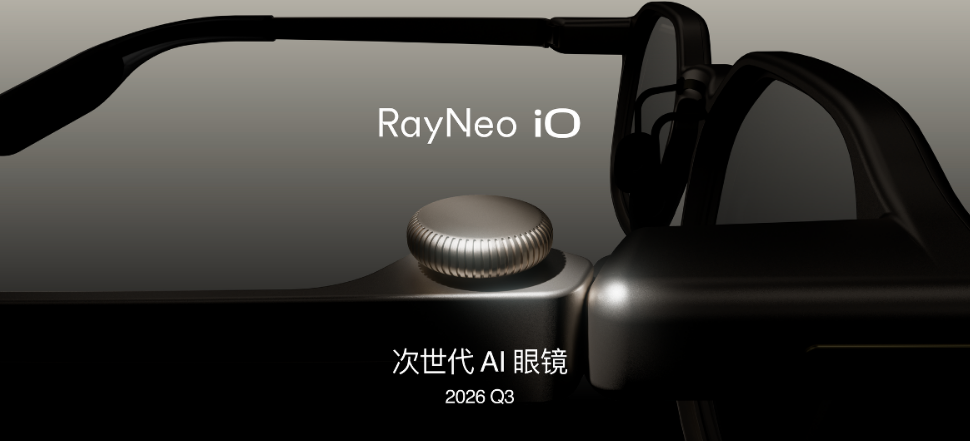
    RayNeo iO next-generation AI glasses teaser image
    RayNeo iO next-generation AI glasses teaser image

    FAQ

    Q: Are the 200 AI features free? A: Basic functions are free; some advanced AI features may require subscription or per-use fees, subject to official policy.

    Q: How does photo quality compare to smartphones? A: The Sony IMX681 is capable, but limited by glasses form factor and optical design. Overall quality matches mid-range phone main cameras, with noticeable gaps in low-light conditions.

    Q: Does it support prescription lenses? A: Yes, prescription customization is available, but adds weight and thickness.

    Conclusion

    The RayNeo V3 is a pair of AI glasses that lets you “get on board first.” With extreme cost-performance at 973 yuan, it lowers the AI glasses entry barrier below 1000 yuan, letting more people experience the futuristic feeling of “wearing glasses to photograph, recognize, and interact.” While most of the 200 AI features see low usage frequency, this “scenario-based AI” exploration direction is correct—letting users discover what they truly need rather than being led by AI.

    If you’ve always been curious what AI glasses can do but don’t want to spend 2000 yuan to find out, the V3 may be the most cost-effective ticket available. But if you already know whether you need office assistance or social sharing, the Vidda G11 or Meta Ray-Ban would be more precise choices.
  • iFLYTEK AI Smart Glasses: When China’s Voice AI Leader Makes Eyewear

    iFLYTEK AI Smart Glasses: When China’s Voice AI Leader Makes Eyewear

    Introduction: When China’s Voice AI Leader Makes Glasses

    iFLYTEK AI glasses product render front view
    NVIDIA COMPUTEX venue Taipei Music Center entrance

    On May 28, 2026, iFLYTEK launched an AI glasses product. No keynote, no press conference—just a product video and a spec sheet.

    But this may be the most important AI glasses product in the Chinese market—not because of the most radical technology, but because it understands Chinese users best.

    Product Overview: Voice-First, Office-Oriented

    iFLYTEK AI glasses’ core logic is completely different from Meta Ray-Ban:

    • Meta Ray-Ban: Photo + social + music, targeting young consumers
    • iFLYTEK: Voice + translation + meetings, targeting working professionals

    Hardware specs:

    • Weight: 6.5g per ear, ~35g total (with frame)
    • Audio: Open-ear audio, directional sound transmission, environmental awareness
    • Battery: ~6 hours continuous use, charging case provides 3 additional full charges
    • Lenses: Supports prescription custom lenses for myopia/hyperopia/astigmatism/presbyopia, medical-grade optical center fitting
    • AI: Spark large language model, wake word “Xiao Fei Xiao Fei”

    Killer Feature #1: Spark LLM, Voice Interaction at Its Peak

    iFLYTEK’s 24 years of voice technology accumulation make this glasses’ voice interaction potentially the best among all AI glasses:

    • Wake-up: “Xiao Fei Xiao Fei”, response speed <500ms
    • Translation: Real-time translation for 60+ languages including Chinese, English, Japanese, Korean, German, French, Spanish, Russian
    • Meetings: Auto-recording meeting content, generating structured minutes (to-do/decisions/questions)
    • Q&A: Knowledge Q&A based on Spark LLM, covering professional domains

    More critical is offline capability: Core voice recognition and simple translation support offline operation, no phone connectivity required. For frequent travelers and poor-signal scenarios, this is essential.

    Killer Feature #2: Medical-Grade Optical Customization

    This is iFLYTEK glasses’ most underrated feature. It supports:

    • Myopia (0-1000 degrees)
    • Hyperopia (0-600 degrees)
    • Astigmatism (0-200 degrees)
    • Presbyopia (+100-+400 degrees)

    Through medical-grade optical center custom lenses, ensuring precise pupil distance, pupil height, and vertex distance matching. This is not “buy glasses get AI free,” but “the AI glasses themselves are good glasses.”

    Killer Feature #3: 1,499 Yuan, Price Slasher

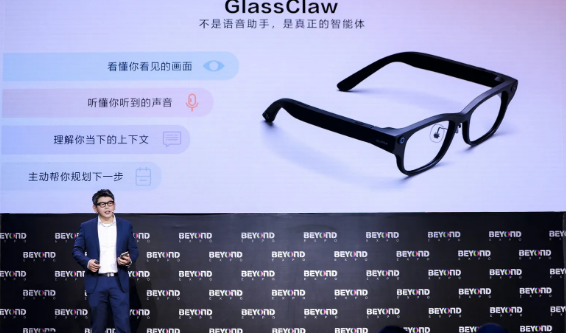
    iFLYTEK GlassClaw AI agent presentation stage
    iFLYTEK GlassClaw AI agent on presentation stage

    Pricing strategy:

    • Standard version: 1,499 yuan (with basic lenses)
    • Custom version: 1,999 yuan (with medical-grade optical custom lenses)
    • Pre-sale: Starts June 15

    Comparison:

    • Meta Ray-Ban: $299-$379 (~¥2,100-2,700)
    • Huawei Smart Glasses: ¥1,699-2,499
    • Xiaomi AI Glasses: ¥1,299 (fewer features)

    iFLYTEK’s price is not the lowest, but the feature focus is highest—every yuan spent buys office productivity, not photo/social function premiums.

    Specs Comparison: iFLYTEK vs Meta Ray-Ban vs Huawei

    FeatureiFLYTEK AI GlassesMeta Ray-BanHuawei Smart Glasses
    Price¥1,499¥2,100-2,700¥1,699-2,499
    Weight6.5g/ear~50g total~45g total
    Camera❌ None✅ 12MP❌ None
    Voice Interaction✅ Spark LLM✅ Meta AI✅ HarmonyOS AI
    Real-time Translation✅ 60+ languages✅ Limited✅ Limited
    Meeting Recording✅ Auto minutes❌ None✅ Simple recording
    Offline Capability✅ Core offline❌ Needs network❌ Needs network
    Optical Custom✅ Medical-grade❌ Basic lenses❌ Basic lenses
    Battery6h + case 3×4-6h4-5h
    Target UserWorking professionalsYoung consumersHuawei ecosystem users

    iFLYTEK’s differentiation is razor-sharp: the only AI glasses pushing “voice office” to the extreme while keeping price under 1,500 yuan.

    Caveats to Note

    • No camera: Cannot take photos/videos, unsuitable for scenarios requiring visual recording (site inspection, travel documentation)
    • Design: Traditional glasses form factor, lacks tech aesthetic; young users may find it “not cool enough”
    • Ecosystem closed: Primarily iFLYTEK ecosystem; integration depth with third-party apps (DingTalk, Lark, Notion) unverified
    • Battery limit: 6 hours may be insufficient for all-day meeting scenarios, requiring mid-day charging
    • Pre-sale risk: Pre-sale starts June 15; actual delivery time and quality control unknown
    iFLYTEK AI glasses MWC 2026 exhibition display
    iFLYTEK AI glasses MWC 2026 exhibition display

    Who Should Buy?

    Highly Recommended:

    • Business professionals attending frequent international meetings (real-time translation essential)
    • Product managers/consultants needing extensive meeting documentation
    • Working professionals requiring vision correction (medical-grade optical customization)
    • Entry-level users wanting to experience AI glasses on a budget

    Consider Alternatives:

    • Visual content creators (no camera is a dealbreaker)
    • Young users pursuing tech aesthetic (design is conservative)
    • Heavy photo/social users (Meta Ray-Ban more suitable)

    Future Outlook: The “Office Entry” for AI Glasses

    iFLYTEK AI glasses represent an overlooked direction: AI glasses are not phone replacements, but enhancement tools for specific scenarios.

    In office scenarios, its value is:

    • Check information, translate, record without pulling out your phone
    • Listen to meetings, take calls without wearing headphones
    • Generate meeting minutes without carrying a laptop

    If iFLYTEK can iterate quickly (adding camera, extending battery, deepening third-party integration), it could become the “office entry” for AI glasses in the Chinese market—just as iFLYTEK Input Method became the “voice entry” years ago.


    Rating: 8.5/10 (Value Pick)

    Bottom Line: The best voice-focused AI glasses for office scenarios at this price point. For Chinese working professionals, this is the most practical AI wearable of 2026.

  • Oura Ring 5 Review: The Smart Ring King Crowns Itself

    Oura Ring 5 Review: The Smart Ring King Crowns Itself

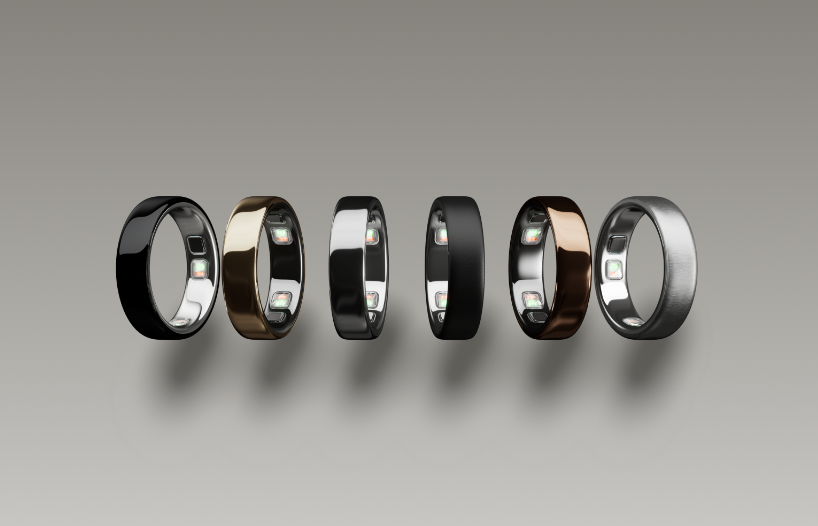
    Oura Ring 5 six colors official render
    Oura Ring 5 six colors official render

    Rating: 8.5/10

    Introduction: The Coronation of the Ring King

    On May 28, 2026, Oura—the undisputed leader in smart rings—launched its fifth-generation product, the Oura Ring 5. On the same day, the company confidentially filed its IPO prospectus with the US SEC.

    This is no coincidence. Oura needs a product stunning enough to justify its $11 billion valuation and $1.5 billion revenue target for 2026.

    The question is: can Ring 5 carry that ambition?

    Product Overview: 40% Smaller, 100% More Ambitious

    Oura Ring 5’s core selling points distill into three words: smaller, more accurate, smarter.

    Smaller: 40% volume reduction, width only 6.09mm, thickness 2.28mm, weight starting at 2g (size-dependent). For comparison, the previous Ring 4 started at 3.3g. Oura claims this is “the world’s smallest smart ring.”

    More accurate: New low-profile sensor domes with more powerful LEDs and 12 stronger signal pathways, improving overnight heart rate, workout heart rate, and overall signal quality.

    Smarter: Evolving from “data monitoring” to “proactive health management + care services,” with first-time foray into brain health research.

    Killer Feature #1: Health Radar, From Detection to Prevention

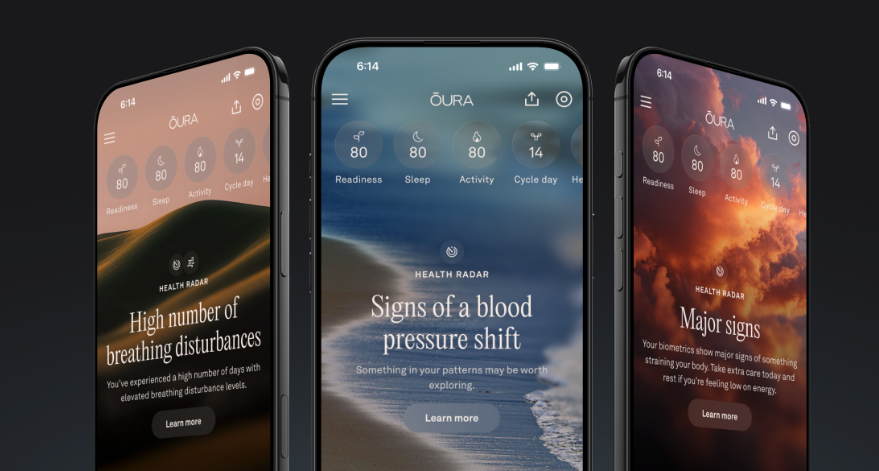
    Health Radar is Ring 5’s most significant software upgrade. It continuously monitors key biometrics in the background, surfacing patterns users should pay attention to—not waiting for illness to strike, but warning before problems worsen.

    Blood Pressure Signals: Utilizes the window during nighttime sleep when cardiovascular status is most stable, tracking blood pressure variation patterns. If blood pressure fails to drop normally, it may indicate cardiovascular risk—a signal that daytime single measurements could miss.

    Nighttime Breathing: A 30-day rolling view of sleep-related breathing patterns and disturbances. Oura also partnered with ResMed to provide sleep health resources and diagnostic pathways for users with abnormal breathing alerts.

    Oura Health Records: US users can import diagnosed conditions, medications, lab results, and allergies for a more complete health picture. Currently available in 43 states.

    Health Radar app showing blood pressure shift
    Health Radar app showing blood pressure shift

    Killer Feature #2: GLP-1 Medication Tracking, Catching the Weight-Loss Drug Wave

    This is Ring 5’s most eye-catching feature. As GLP-1 receptor agonists like Ozempic, Wegovy, and Mounjaro explode globally, more people are using these medications for weight management or diabetes treatment.

    Ring 5 can:

    • Track how dosage changes affect the body
    • Analyze corresponding shifts in stress, activity, and recovery long-term trends
    • Help users quantitatively evaluate GLP-1 treatment effectiveness

    This is not simply “logging medication times.” It connects pharmaceutical intervention with physiological data, answering a critical question: “Is this drug actually working for me?”

    Killer Feature #3: AI Health Advisor Oura Advisor

    Oura partnered with medical AI company Counsel Health to launch an AI health Q&A feature. Users can ask health questions in the app, receive personalized medical advice, and connect with US-licensed physicians.

    This requires additional payment (specific pricing unannounced), but Oura’s pricing logic is clear:

    • Hardware: $399-$499 (one-time)
    • Basic subscription: $5.99/month (standard features)
    • Premium services: AI advisor + medical consultation (pay-as-needed)

    From “selling rings” to “selling health services,” Oura is replicating the Apple Watch + Apple Fitness+ playbook.

    Killer Feature #4: Brain Health Research Initiative

    Oura proposed its first “Brain Health Research Initiative,” combining cognitive tests with physiological data to explore connections between cognitive function and sleep, stress, and recovery.

    Eligible users can voluntarily join, matching short cognitive tasks in the app with long-term physiological trends. Oura hopes to eventually map how daily choices affect mental sharpness and long-term brain health.

    This seems distant, but it lays data groundwork for early screening of neurodegenerative diseases like Alzheimer’s. Oura is leaping from “health tracking” to “disease prevention.”

    Oura Ring 5 GLP-1 medication tracking view
    Oura Ring 5 GLP-1 medication tracking view

    Specs Comparison: Ring 5 vs Ring 4 vs Samsung Galaxy Ring

    FeatureOura Ring 5Oura Ring 4Samsung Galaxy Ring
    Volume40% smallerBaselineSlightly larger
    Weight2-2.69g3.3-5.2g~3g
    Battery6-9 days5-8 days7 days
    Sensors12 pathways + low-profile domes18 pathwaysNot disclosed
    Blood Pressure✅ Nighttime signals❌ None❌ None
    GLP-1 Tracking✅ Supported❌ None❌ None
    AI Advisor✅ Oura Advisor❌ None❌ None
    Brain Health✅ Planned❌ None❌ None
    Charging Case$99 optional (5 charges)NoneIncluded
    Price$399-$499$349-$499$399
    Subscription$5.99/month$5.99/monthNone

    Ring 5’s upgrade over Ring 4 is comprehensive: smaller, lighter, more accurate, more features. Against Samsung Galaxy Ring, Oura’s advantage lies in health depth (blood pressure, GLP-1, AI advisor), but the disadvantage is subscription fees.

    Caveats to Note

    • Price increase: Base model $399, $50 more than Ring 4’s $349. Oura CEO attributes this to sensor precision improvements, GLP-1 tracking, and miniaturization costs.
    • Regional restrictions: Health Radar (including blood pressure signals and nighttime breathing) currently only available in US, India, and UAE, launching June 2026.
    • Subscription dependency: $5.99/month subscription is a long-term cost, totaling ~$699 over 5 years including hardware. Compared to subscription-free RingConn, the cost gap is significant.
    • IPO uncertainty: Although Oura filed S-1 with SEC, timing, pricing, and fundraising scale remain undetermined, subject to market volatility.

    Who Should Upgrade to Ring 5?

    Highly Recommended:

    • Ring 3 and earlier users (40% volume reduction is a qualitative leap)
    • GLP-1 medication users (tracking feature is essential)
    • Cardiovascular health watchers (nighttime blood pressure signals are unique)
    • Users pursuing ultimate wearing comfort (starting at 2g, near wedding-ring weight)

    Consider Waiting:

    • Ring 4 users (sensor upgrade limited, software features may roll down)
    • Budget-sensitive buyers ($399 + $5.99/month × 5 years = $699 total cost)
    • Non-US users (Health Radar features restricted)‘’
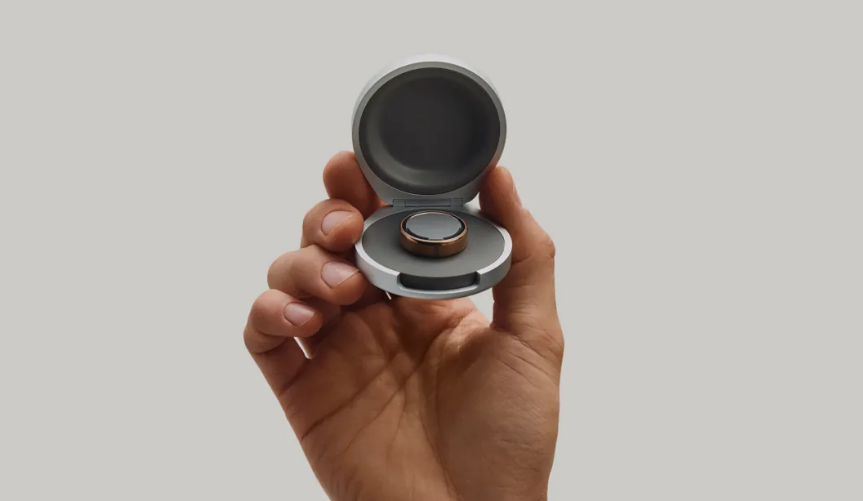
    Oura Ring 5 charging case in hand
    Oura Ring 5 charging case in hand

    Future Outlook: From Hardware to Health Platform

    The Ring 5 launch, paired with the IPO filing, reveals a clear strategic path:

    1. Hardware extreme: Smallest, most accurate, lightest—establishing technical moats
    2. Service transformation: From data monitoring to proactive health management + medical consultation
    3. Ecosystem expansion: Brain health research, GLP-1 tracking, health records import—building a health data platform
    4. Capitalization: IPO funding to support R&D and market expansion, $1.5B revenue target for 2026

    Omdia data shows Oura captured 74% of the smart ring market in H1 2025, with 5.5 million rings sold cumulatively and paid subscribers exceeding 5 million.

    This means Oura is no longer a “niche health toy.” It is evolving into mainstream health infrastructure. Ring 5 is a critical step in that evolution.


    Bottom Line: The most advanced smart ring ever made. Whether the subscription model and regional restrictions fit your needs depends on your location and budget.

  • MILESEEY Horizon Review: The First AR Glasses That Keep Golfers Eyes-Up

    MILESEEY Horizon Review: The First AR Glasses That Keep Golfers Eyes-Up

    Rating: 8.7/10

    Introduction: The Eyes-Up Era of Golf Has Arrived

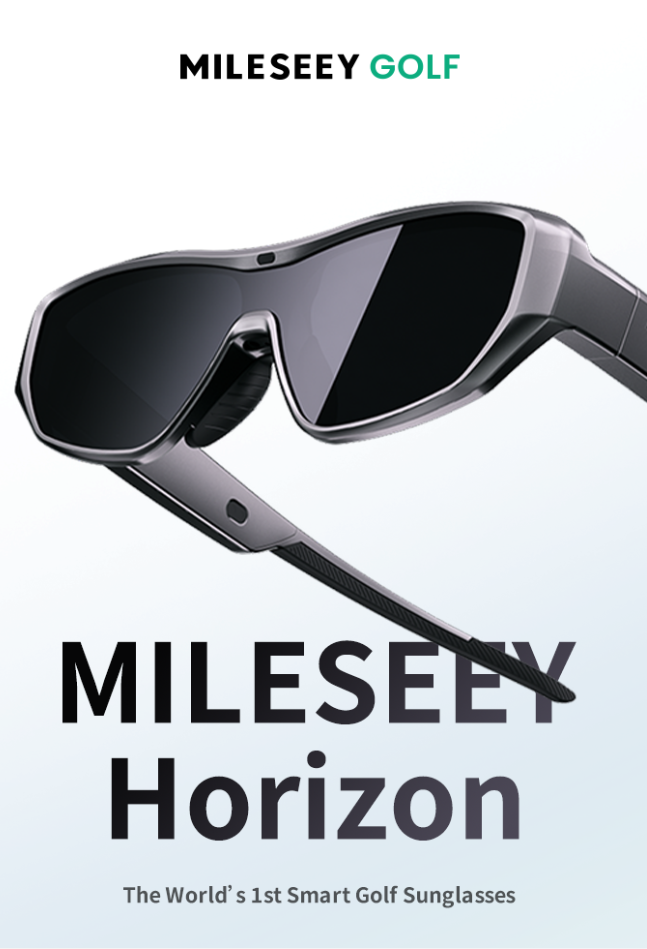
    MILESEEY Horizon smart golf sunglasses front view
    MILESEEY Horizon smart golf sunglasses front view

    Every golfer knows that moment before a shot—you’ve read the course, picked your target, and started to feel the swing. Then you look down. A rangefinder. A watch. A phone. One quick check breaks your rhythm, slows your routine, and makes you second-guess the shot.

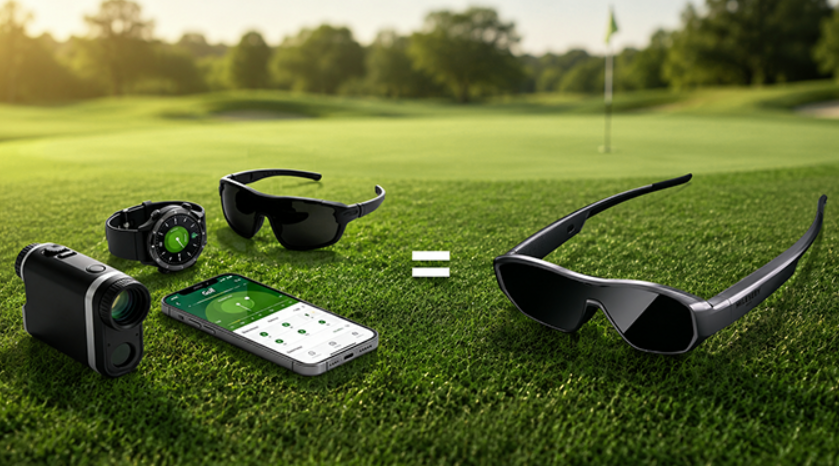
    MILESEEY Horizon exists to eliminate that moment. This is not a concept. It is a production-ready smart golf sunglasses that opened pre-orders and launched on Kickstarter on May 12. Shenzhen Mileseey Technology—the Chinese brand with 15 years in laser measurement and products sold across 50+ countries—crammed a rangefinder, GPS watch, golf app, and sunglasses into a 48g frame.

    Product Overview: Four-in-One, Zero Looking Down

    Horizon’s core logic is brutally clear: lift all golf data into your line of sight so you never look down.

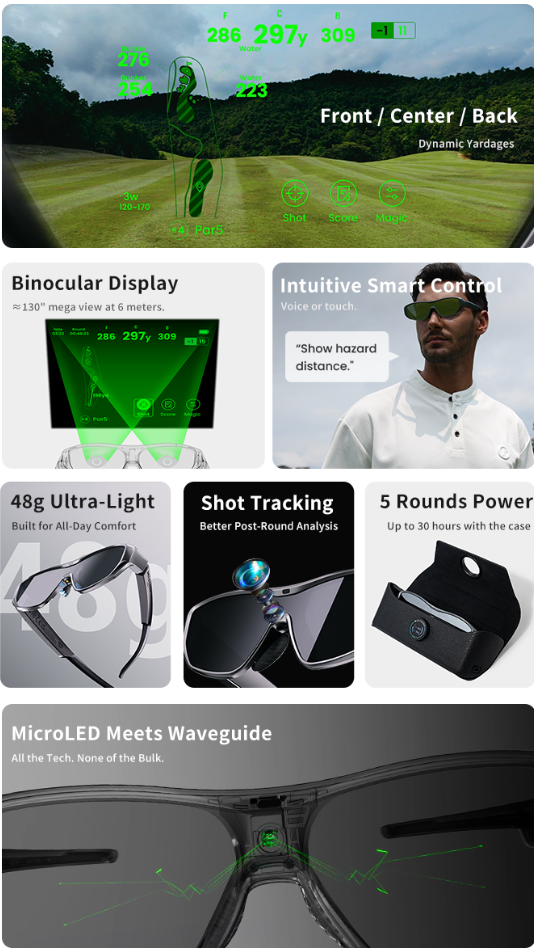
    A 130-inch virtual display projected from 6 meters away. What does this mean? Standing on the tee box, fairway distances, green positions, and bunker locations hover in your vision like a HUD. No turning. No phone fumbling. No rangefinder clicking. The caddie whispering yardages? Now it is written on your retina.

    Built-in GPS with 43,000+ courses worldwide. Front, center, and back pin distances, hazard alerts, live scoring—all refreshed in real time. The kicker: zero subscription fees. Golf is expensive enough. Horizon refuses to charge recurring rent after you buy the hardware.

    MILESEEY Horizon smart golf sunglasses front view
    MILESEEY Horizon smart golf sunglasses front view

    Killer Feature #1: Hypersight™ Display, Clear Under Blazing Sun

    What do AR glasses fear most? Becoming useless in direct sunlight. Horizon packs Hypersight™ display technology with adaptive brightness. Midday sun blasting down? Data stays razor-sharp. Twilight softening? Auto-dims to avoid eye strain.

    Mileseey brings 15 years of laser ranging and optoelectronic imaging expertise. This is not a white-label factory’s first consumer AR rodeo. From core chips to integrated optics, full-stack in-house R&D. That technical foundation makes Horizon sharper and more power-efficient than most “smart glasses” on the market.

    Killer Feature #2: Voice + Touch, Hands Never Leave the Club

    “Hey Horizon, what’s the yardage to the pin?”—voice commands pull data instantly. The touchpad hides on the temple side, tap to switch modes, quiet enough not to disturb playing partners.

    Team Mode is the social weapon: track up to three friends’ scores and key stats in real time. No caddie running back and forth with scorecards. Data syncs across lenses live.

    Killer Feature #3: 48g, All-Day Wear Without Fatigue

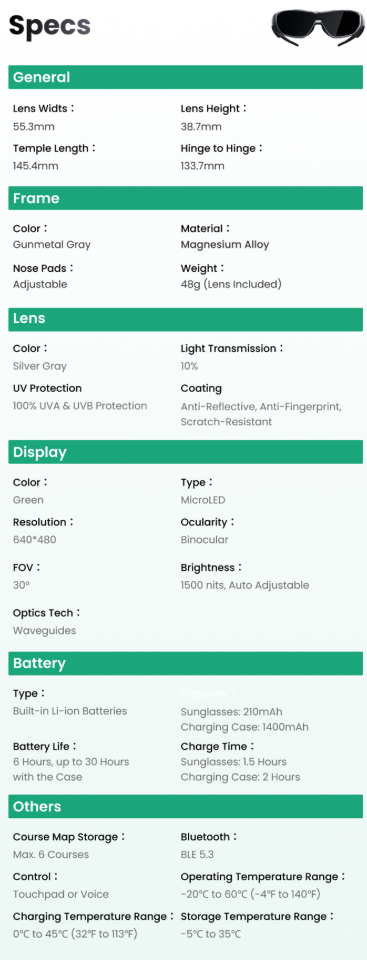
    What is 48g? Barely more than a standard pair of sport sunglasses. Magnesium alloy front frame. IP54 splash resistance—sweat and light rain shrugged off. Adjustable soft nose pads keep the fit secure through 18 holes without slipping or pressure marks.

    The smart charging case is more than a battery pack—it carries its own display. Check remaining juice for both glasses and case at a glance. It even shows center-green distances and subtle interactive animations. Toss it in the side pocket of your golf bag, top up between nines.

    Rangefinder watch and phone replaced by Horizon glasses
    Rangefinder watch and phone replaced by Horizon glasses

    Killer Feature #4: Ecosystem Loop, Data Does Not Die After the Round

    Horizon is not an isolated device. Sync with the MILESEEY Golf App to review performance, track progress curves, and strategize for the next round. Connect other Mileseey golf devices to build a fully connected system.

    From the GenePro G1 rangefinder to the Horizon smart glasses, Mileseey is constructing a “connected golf ecosystem.” Data flows across devices. Strategy accumulates in the app. Every swing leaves a trace.

    Specs Comparison: Horizon vs Garmin Approach vs Traditional Rangefinder

    FeatureMILESEEY HorizonGarmin Approach S70Bushnell Pro XE
    Form FactorAR SunglassesGPS WatchHandheld Rangefinder
    Display130-inch virtual screen1.4-inch dialOptical viewfinder
    Weight48g61g~350g
    Course Data43,000+43,000+Requires GPS companion
    Hazard AlertsReal-time AR overlayVibration alertsNone
    Team ModeYesNoNo
    SubscriptionZeroPartial features require subscriptionNone
    Price$599 (early bird)$599$549

    Horizon matches the Garmin Approach S70 in price but lifts data from the wrist to the eyes, freeing hands and reducing head-down moments. Against traditional rangefinders, Horizon is lighter while integrating GPS, scoring, and team features—one device doing four jobs.

    MILESEEY Horizon product specs and features list
    MILESEEY Horizon product specs and features list

    Design and Wearability: First a Great Pair of Shades

    Horizon’s design team clearly understands golf: first be a pair of sunglasses you want to wear all day, then add the tech. Aviator-style frame, magnesium alloy construction, no cyberpunk awkwardness. Playing partners will not think you are wearing a gadget. They will wonder why you never check your watch.

    Who Should Buy Horizon?

    Highly Recommended For:

    • Mid-to-high handicappers seeking fluid swing rhythm
    • Travelers playing unfamiliar courses needing real-time hazard awareness
    • Advanced players building personal shot archives and data-driven strategy
    • Early adopters who love tech gear and want the next thing

    Consider Alternatives If:

    • You are a minimalist (traditional rangefinder + watch covers your needs)
    • You are budget-sensitive (early bird $599, MSRP $1299)

    Caveats to Note

    • IP54 splash resistance, not IP67 submersion-grade. Stow in the charging case during heavy downpours.
    • Battery life: Officially rated for 5 rounds (~90 holes), actual runtime depends on display brightness and feature usage.
    • Kickstarter risk: As a crowdfunding product, delivery timelines carry uncertainty. Mileseey’s 15-year manufacturing history and 50-country sales network suggest reliable fulfillment, but project updates warrant monitoring.

    Conclusion: A Chinese Team Just Taught Golf Equipment a Lesson

    The MILESEEY Horizon is not existing technology crammed into eyewear. It is data interaction reinvented for the golf scenario. Rangefinder, GPS watch, app, and sunglasses fused into one. Zero subscriptions. 48g. 43,000+ courses. Those numbers represent 15 years of Mileseey’s optoelectronic expertise and a precise understanding of golfer pain points.

    While Garmin and Bushnell compete in traditional form factors, this Chinese company has already built the first AR glasses truly born for golf. If you are planning a trip to the Old Course at St Andrews, Pebble Beach, or just your local weekend 18—Horizon belongs in your bag.


    Bottom Line: The most golf-focused smart wearable on the market. Not perfect, but purpose-built in ways competitors are not.