Author: Gavin

  • The Casarte AI Coffee Machine

    The Casarte AI Coffee Machine

    Foreword: The New Battleground for High-End Home Coffee Machines

    In the high-end home appliance sector, Casarte has always been known for its “artistic home appliances.” Recently, its AI Double Extract Gold Cup Pro fully automatic coffee machine (model: EQ302), which has not yet been officially released, began pre-sales. Surprisingly, within just 24 hours of the pre-sale opening, sales exceeded 1,000 units.

    The pre-sale price of this machine is 7,999 RMB (approximately $1,100 USD). In a market dominated by international brands like Jura and De’Longhi, where coffee machines costing over 10,000 RMB are predominantly sold, Casarte’s move is undoubtedly a major offensive. For consumers considering upgrading their home coffee corner, is this machine worth the $1,100 USD investment? Are its claimed “AI Smart Extraction” and “Golden Cup Standard” marketing gimmicks or genuine cutting-edge technology?

    This article will provide you with a detailed purchase guide based on the officially disclosed technical specifications and functional highlights.

    I. Core Performance: The Hard Power to Reshape the “Golden Cup Standard”

    For a fully automatic coffee machine priced over $1,000, extraction quality is the only acceptable standard. The core selling point of the Casarte Pro is “both hot and cold brews are served in golden cups”.
    Casarte AI Coffee Machine
    Casarte AI Coffee Machine

    1. Professionalism of extraction parameters

    The Specialty Coffee Association (SCA) defines the “Golden Cup” standard as requiring an extraction rate between 18% and 22%. Many home-use fully automatic machines struggle to consistently achieve this range, but the Languang Pro claims that through its specially developed technology , it can precisely control the extraction rate within this golden range.

    • 19 Bar Super Pump Pressure: Compared to the traditional 15 Bar, the 19 Bar pressure can more fully extract the crema from the coffee beans, which is crucial for espresso lovers.
    • Intelligent and precise temperature control (85°C-96°C): This is the key difference between a “toy” and a “professional machine.” Light roast beans require high temperatures (approximately 93-96°C) to release floral and fruity aromas, while dark roast beans require low temperatures (approximately 85-90°C) to avoid burnt bitterness. The Languang Pro supports “one degree adjustment,” meaning it can adapt to 99% of coffee bean varieties on the market.

    2. 3D Stereoscopic Extract Patent

    Channeling is a major obstacle to extraction, leading to uneven coffee flavor. This machine uses a 3D extraction chamber to evenly moisten the coffee grounds before extraction , releasing carbon dioxide. The official description is that the water flow is like “gentle spring rain,” which effectively improves extraction uniformity, reduces waste coffee grounds, and directly enhances the purity of the flavor.

    Purchase recommendation: If you have discerning tastes when it comes to coffee flavor and frequently change the roast level of coffee beans, this temperature control and extraction system is a major plus.

    II. AI Intelligence: Is it a gimmick or genuine convenience?

    A $1,100 machine that still requires manual grinding and adjustment by the user defeats the purpose of being “fully automatic.” Casarte has bet its AI Master 2.0 technology on this model.

    1. SmartID Tech

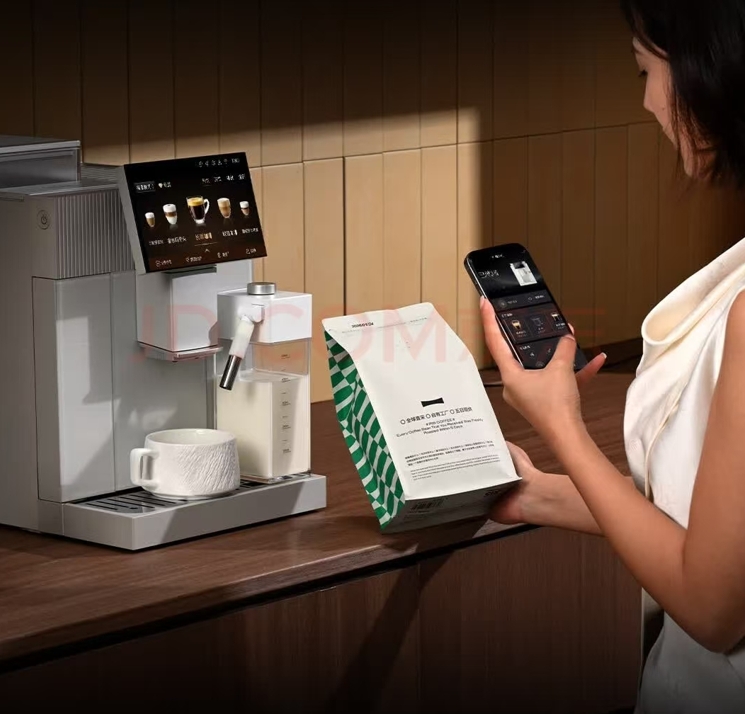
    This is one of the biggest highlights of this model. Its built-in large-scale coffee extraction library allows users to scan coffee bean packaging bags via the Haier Smart Home APP.

    • Function: Identifies bean type and roast level, and automatically matches master-level extraction solutions.
    • Value: It solves the pain point of “what parameters to use for what beans”. For users who don’t want to study parameters, it’s like having a personal barista.

    2. Voice interaction and dynamic feedback

    The machine supports voice control and can monitor the extraction process through 50 touch points per second.

    • Scenario: You can tell the machine via voice “too bitter” or “more concentrated”, and the system will automatically adjust the amount of grinding powder and the extraction process.
    • Intelligent grinding: Automatically adjusts the grinding degree based on pressure feedback, and works with 5-star stainless steel conical blades to ensure uniform powder distribution.

    Purchase Recommendation: For families with elderly members or young children, or for busy working professionals who are pressed for time in the morning, the voice interaction and automatic bean recognition functions greatly lower the barrier to entry.

    III. Scene adaptability: Hot and cold extraction and milk frothing system

    With the diversification of modern lifestyles, a machine’s ability to satisfy both “iced Americano” and “hot latte” needs determines its frequency of use.

    1. Cold Brew Process

    Most fully automatic coffee machines can only make hot coffee; adding ice will dilute the flavor. The Languang Pro supports low-temperature cold brew.

    • From a health perspective: The cold extraction process reduces acidic substances, making it more gentle on the sensitive stomach after exercise.
    • Fitness Scenario: The official description specifically emphasizes the concept of a “fitness enthusiast’s energy station.” Drink hot coffee before exercise to boost endurance, and cold brew after exercise to restore energy, all with no sugar or additives.

    2. Smooth Cream Milk Foaming System 2.0

    • Foaming rate: 1.2-2 times the foaming rate, mainly characterized by dense and delicate texture.
    • Experience: It can create milk foam suitable for latte art, so users who like cappuccino or latte do not need to buy a milk frother.

    Purchase recommendation: If you can’t live without iced coffee in the summer, or if you have a habit of exercising at home, the hot and cold brew function will greatly improve the utilization rate of the machine and avoid it being idle.

    IV. Design and Maintenance: The Quality Expected of a High-End Machine

    At the $1,100 price point, build quality and ease of cleaning are the areas where users have the lowest tolerance.

    • User interface: Equipped with a 7-inch TFT screen , supporting dual-system smart mode.
      • Beginner Mode: Simplified interface, one-click access.
      • Master Mode: Allows for free combination of water volume, temperature, and powder volume to satisfy geek players.
    • Cleaning and maintenance:
      • Two-step quick disassembly of the brewer: odorless, purer brew.
      • Side-sliding door design & removable water tray: thorough cleaning.
      • Pull-out water tank: The tank cover is integrated for easy removal, and a float indicates the water level.
    • Size and appearance:
      • Color: Swallow Feather Gray, which aligns with modern home aesthetics.
      • Dimensions: 275*340(400)*410mm. Note that the depth includes the handle; space needs to be reserved if it is to be embedded in a cabinet.
      • Dispenser: Height adjustable to fit various cup types and prevent splashing.

    Purchase Recommendation: The 10kg weight ensures the machine’s stability during operation. A detachable brewing unit is essential, and Casarte hasn’t skimped on this aspect, guaranteeing better hygiene over long-term use.

    V. Value Analysis: Is it worth buying at $1,100 USD?

    We will conduct a brief comparison between the Casarte Languang AI Dual Essence Jinbei Pro and international brands in the same price range:

    DimensionCasarte Languang Pro (EQ302)Competing international brands in the same price range (for reference)
    price~$1,100 USD (Pre-order)$1,200 – $1,500 USD
    AI intelligenceSmart bean recognition + voice interaction + automatic parameter tuningMostly preset menus, with manual adjustment as the primary method.
    Cold brew functionSupport professional cold brewMost only support hot extraction + ice cubes
    Temperature control accuracy85-96°C, adjust by one degree.Typically adjustable to 3-5 levels.
    LocalizationHaier Smart Home Ecosystem, Chinese VoiceMostly in English/basic Chinese, the app experience is average.

    in conclusion:

    1. Value for money: With a 19-bar pump pressure, precise temperature control and AI recognition, the price of $1,100 is slightly lower than that of international first-tier brands with the same configuration (such as the Jura E8, which is usually $1,300+).
    2. Smart advantages: For Chinese users, Haier Smart Home’s ecosystem integration and Chinese voice interaction experience are far superior to the localization adaptations of imported brands.
    3. Risk factors: As a new product, its long-term durability and the iterative capabilities of its AI algorithm remain to be tested by the market. However, considering Casarte’s after-sales service network, the risks are relatively manageable.

    VI. Final Purchase Guide: Who should buy this machine?

    ✅ Highly recommended for:

    • Middle-class families who value quality but dislike complicated procedures: They want to drink coffee that meets the Gold Cup standard, but don’t want to learn about complex extraction parameters.
    • Coffee bean enthusiasts: They often try different brands and roast levels of beans, and need a machine that can automatically adapt.
    • The “hot and cold coffee enthusiast”: needs both a hot latte in the morning and an iced Americano in the afternoon.
    • Haier ecosystem users: We already have Haier smart home devices at home and hope to achieve voice interaction.

    ❌ Not recommended for purchase:

    • For those who prefer manual control: If you enjoy the process of manually pressing powder and controlling the temperature, a semi-automatic Italian press is more suitable for you.
    • Budget-conscious: If your budget is under $500, there are more basic fully automatic machines available on the market.
    • For kitchens with very small spaces: the machine depth needs to be at least 400mm, and for extremely small kitchens, careful measurements are required.

    Conclusion

    The Casarte AI Double Extraction Gold Cup Pro is more than just a coffee machine; it’s a “home coffee solution.” It attempts to bridge the gap between “professional extraction” and “novice users” using AI technology.

    The sales of over 1,000 units on the first day of pre-sales demonstrate the market’s acceptance of its concept. If you are looking for a high-end coffee machine that satisfies both discerning palates and provides emotional value through voice interaction, and your budget is around $1,100, this machine is undoubtedly one of the most noteworthy candidates for 2024.

    Purchase Tips: This is currently in the pre-sale stage. We recommend paying attention to the official release date through official channels. Pre-sale benefits ( such as gifts and extended warranties) are usually better than those after the official release.
  • Muse S Athena Smart Headband in-Depth Review

    Muse S Athena Smart Headband in-Depth Review

    In today’s high-pressure world, “high-quality sleep” and “continuous focus” have become scarce commodities. InteraXon, a Canadian sleep technology company, has launched the Muse S Athena smart headband, attempting to break this deadlock by positioning itself as a “brain fitness coach”—it’s more than just a sleep tracking device; it claims to help users train focus and improve mental resilience through EEG monitoring.

    However, its high-end price of $474.99 has made this device controversial since its launch: is it a cutting-edge technology that democratizes clinical-grade EEG technology, or an expensive toy that exploits anxiety? This newspaper, through two weeks of testing, analyzes the true value of this “brain marvel” from three core dimensions: functional practicality, data accuracy, and cost-effectiveness.

    Smart Headband
    Smart Headband

    I. Wearing Experience: A “Seamless Design” for Long-Term Use

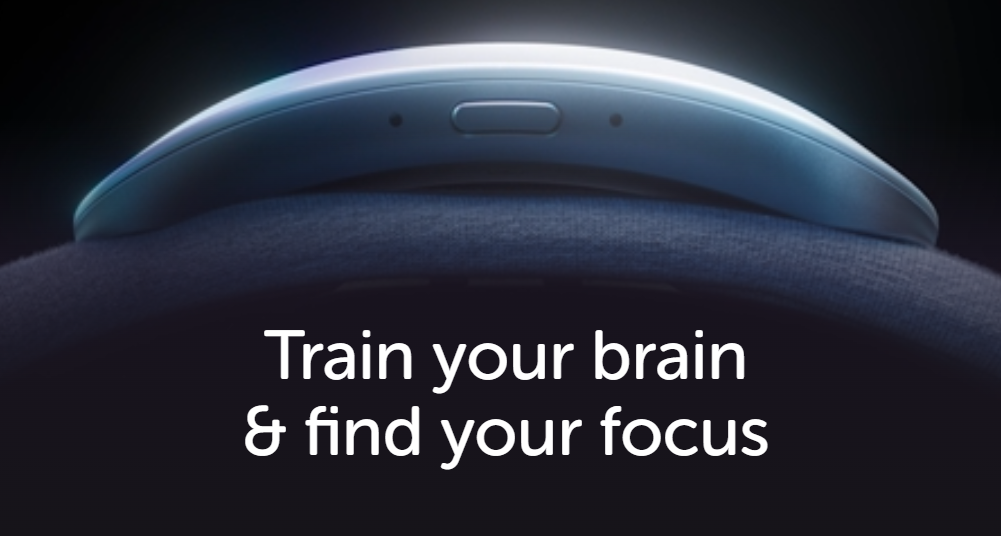
    For wearable devices, wearing comfort directly determines usage rate—this is one of the core advantages of the Muse S Athena. Unlike traditional rigid plastic EEG devices, this headband is made of soft fabric, more like a wide sports headband, and embeds seven high-precision sensors, covering core monitoring modules such as EEG brainwaves, PPG heart rate, and accelerometers.

    Real-world testing shows that its presence is extremely minimal, whether during meditation or sleep at night. Especially for side sleepers, the sensors are flattened, eliminating any discomfort, a significant advantage over similar EEG devices. Furthermore, the headband is machine washable (after removing the electronic modules), solving the cleaning pain point of long-term close-fitting wear.

    It is worth noting that there is still a compatibility barrier for people with extremely sensitive skin or those who resist head constriction during sleep—these users are advised to try it on in-store first. However, for most consumers, its comfort level is among the best in wearable devices, sufficient for long-term daily use.

    II. Core Function Testing: What is the Actual Value of EEG Technology?

    The core competitiveness of Muse S Athena lies in the consumerization of EEG (electroencephalography) technology, originally used in clinical settings. Its three core functions all revolve around this technology, with each demonstrating different strengths in real-world testing.

    1. Focus Training: Quantifying Attention with “Audio Feedback”

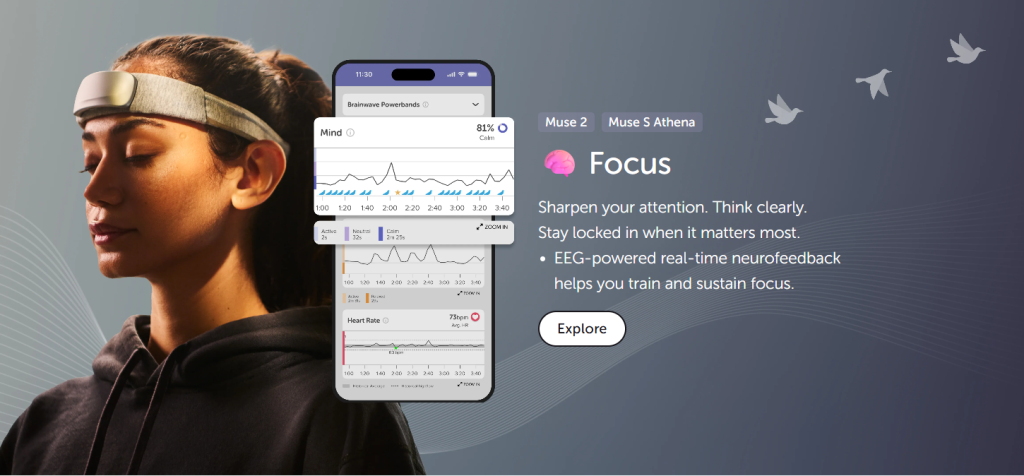
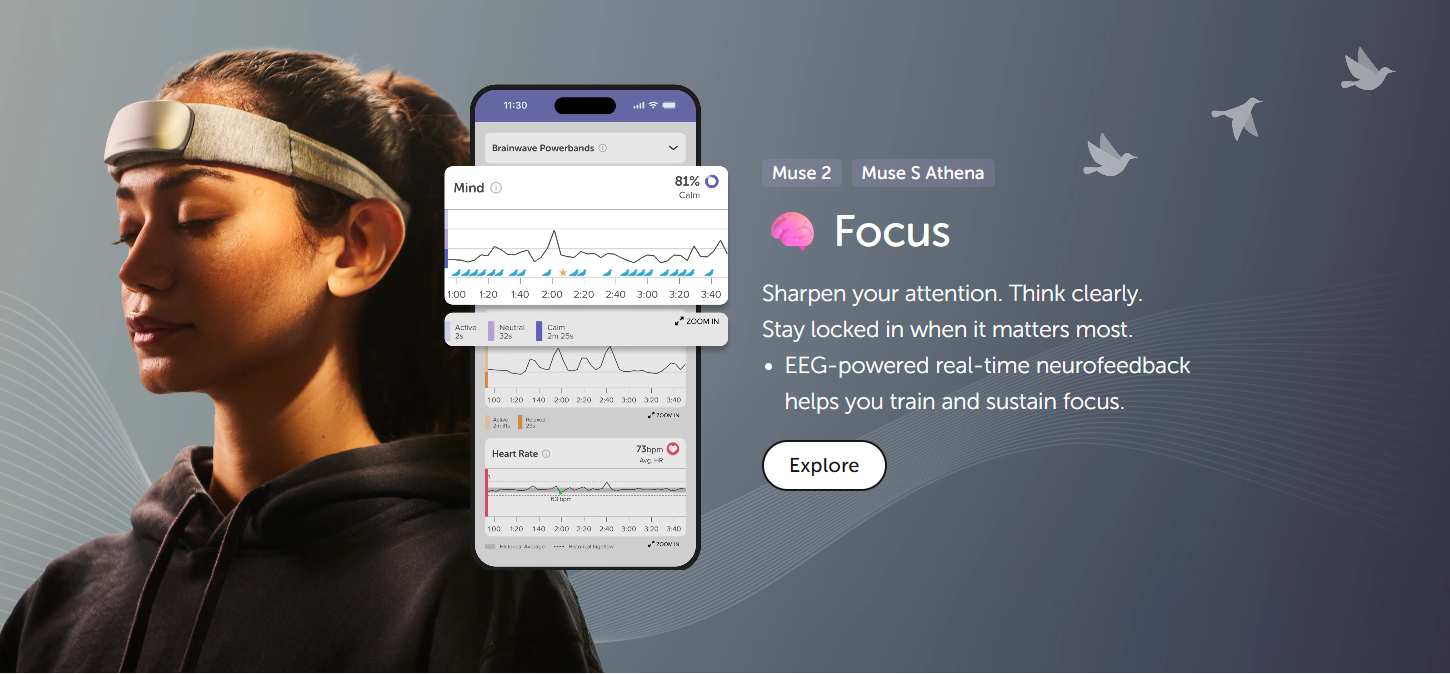
    This is the most classic function of the Muse series and the core support for its “brain fitness” positioning. It captures brainwave activity in real time through an EEG sensor, and the accompanying app converts this into intuitive audio feedback: when thoughts are calm and focus is adequate, soft birdsong or ocean waves sound; when distraction or anxiety occurs, the sound becomes rapid, even switching to a storm sound.

    In two weeks of testing, this “biofeedback” mechanism showed significant training effects—helping users quickly identify moments of distraction and actively bring their attention back to the target, significantly shortening the time to enter a deep focus or meditative state. Compared to traditional meditation apps, its advantage lies in “quantified feedback,” rather than simple guidance; users can clearly see their focus duration and state fluctuations.

    InteraXon Focus
    InteraXon Focus

    Its applicable scenarios are concentrated on warming up before deep work, calming down before high-pressure meetings, and attention training for students and mental workers. For people with ADHD (Attention Deficit Hyperactivity Disorder), it is also one of the most direct brainwave training tools currently available in the consumer market.

    1. Mental Endurance and Physiological Monitoring: “Empowering” Rather Than “Replacing” Athletic Performance

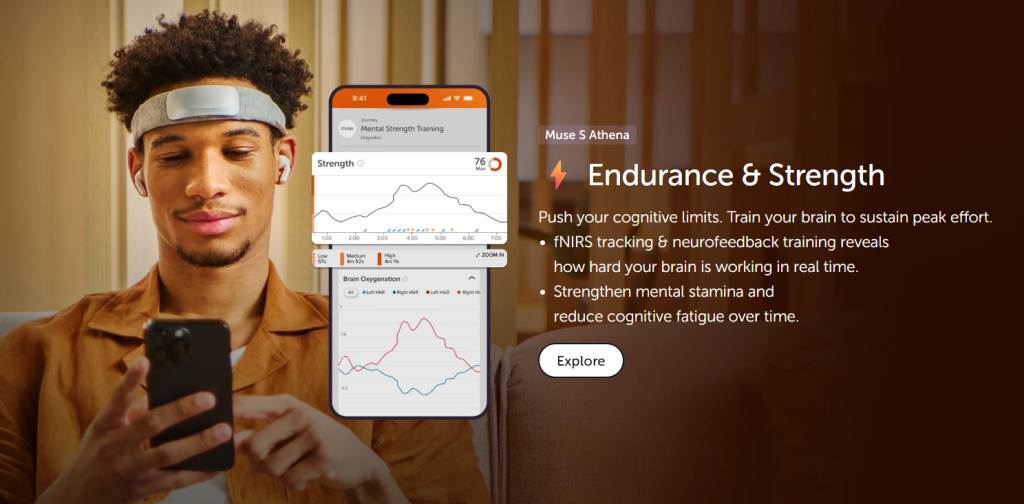
    It should be clarified that the Muse S Athena is not a muscle training device. Its claimed “endurance and strength” are essentially training in mental endurance and assisting in exercise recovery.

    In terms of mental endurance, its breathing training and stress monitoring functions can help athletes remain calm under extreme conditions—by monitoring cortisol levels in real time, it guides users to adjust their breathing, reduce anxiety, and thus maintain mental stability during long-distance endurance sports or heavy weight training. This has practical auxiliary value for serious runners and fitness enthusiasts.

    In terms of physiological data, the new version of the device integrates HRV (Heart Rate Variability) monitoring—a key indicator for measuring the body’s stress and recovery capabilities. Users can use HRV data to determine their physical condition for the day: whether it’s suitable for high-intensity strength training or requires active rest to avoid injury from overtraining. Furthermore, the app’s accompanying sports psychology guidance courses help users quickly enter a “flow” state, improving training efficiency.

    However, it’s important to understand that it cannot directly increase muscle strength or athletic performance. Its value lies in indirectly breaking through psychological bottlenecks and raising the upper limit of training performance by optimizing the nervous system.

    1. Sleep and Recovery: The True “Ace Feature” and the Core Support for Pricing

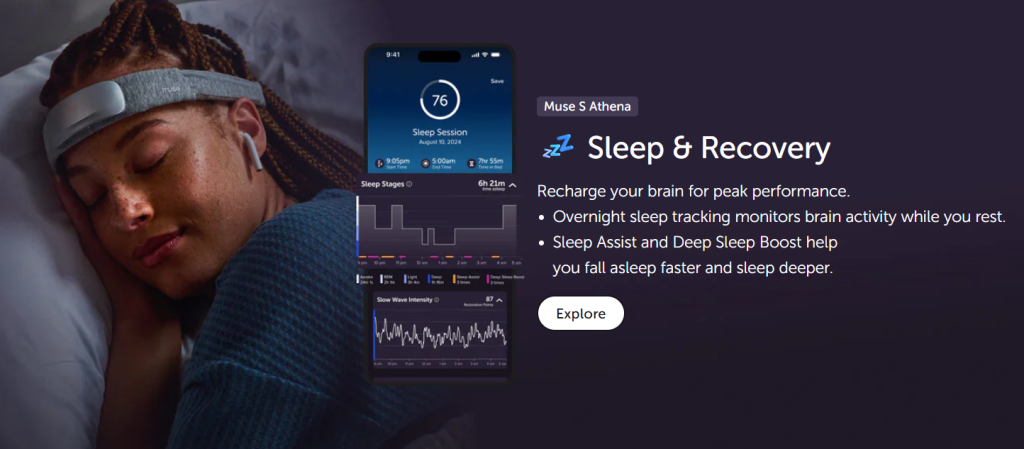
    If focus training is Muse’s “feature,” then its sleep and recovery function is the core reason for its $474.99 price tag. Unlike ordinary smartwatches and sleep rings, it doesn’t determine sleep state through motion tracking, but rather uses EEG monitoring to accurately identify three key stages: light sleep, deep sleep, and REM (rapid eye movement) sleep. The data has higher medical reference value.

    InteraXon Endurance - Strength
    InteraXon Endurance – Strength

    In real-world testing, its “active intervention” function performed exceptionally well: when it detects difficulty falling asleep, it automatically plays specific sound waves such as pink noise to guide the brain into a Delta wave state, accelerating sleep onset; when the user wakes up at night, it also uses gentle sounds to redirect sleep. Furthermore, the intelligent wake-up function wakes the user with a slight vibration when they are in a light sleep stage, avoiding the grogginess caused by “sleep inertia” and improving morning alertness.

    Some models also support snoring detection, recording nighttime snoring through ambient sound monitoring, providing data for potential sleep breathing problems. For insomniacs or those with extremely poor sleep quality, this is one of the few devices in the consumer market that can achieve “active intervention” rather than “passive recording.”

    III. Price Breakdown: Where Does the $474.99 Premium Go?

    The $474.99 price tag places the Muse S Athena in the high-end wearable device category. Compared to similar products, its price advantage isn’t significant; the premium logic mainly focuses on four aspects:

    1. Technology Demographic Cost: Transforming clinical-grade EEG monitoring technology into a consumer-grade product requires substantial R&D investment—this is the core difference between it and the Ora Ring (approximately $300, focusing on sleep, no brainwave monitoring) and Whoop 4.0 (subscription-based, focusing on exercise recovery, no brainwave monitoring).
    2. Software Ecosystem Value: Hardware purchases typically include a limited-time premium app membership, containing hundreds of meditation, sleep guidance, and psychological training courses, accessible without additional payment.
    3. Data Accuracy Advantage: In core scenarios such as sleep staging and stress monitoring, brainwave data is more authoritative and has higher reference value than photoelectric heart rate (PPG) monitoring from ordinary devices.
    4. Long-term holding costs: It should be noted that some premium features may require additional subscriptions after the free membership expires, which will increase long-term usage costs. Consumers should confirm whether lifetime app service is included before purchasing.

    IV. Advantages and Disadvantages Review: A Rational View of the Boundaries of “Brain Gadgets”

    Advantages:

    • Accurate Data: EEG brainwave monitoring is irreplaceable in the fields of sleep and concentration, with data accuracy superior to most consumer-grade wearable devices;
    • Active Intervention: Unlike simple “monitoring tools,” it can actively improve sleep and concentration through voice guidance and sound wave intervention;
    • Wearable User-Friendly: The fabric design is suitable for long-term wear, comfortable for side sleeping, and easy to clean;
    • Privacy and Security: As a Canadian company, its data privacy protection policy is relatively strict, avoiding the risk of user data leakage.

    Disadvantages (Cons):

    • High Price: The nearly $500 price tag deters many early adopters, making it unfriendly to those with limited budgets.
    • Frequent Charging: Under heavy use (daily meditation + nighttime sleep monitoring), it needs to be charged every 2-3 days, resulting in mediocre battery life.
    • Steep Learning Curve: Users need time to learn how to interpret brainwave data and incorporate breathing exercises to fully realize the device’s value.

    V. Purchase Guide: Who Should Buy This “Brain Mirror”?

    InteraXon Sleep Assistance
    InteraXon Sleep Assistance

    The Muse S Athena is not a “mirror of wonders,” but rather a “mirror of the brain”—by quantifying focus, stress, and sleep patterns, it guides users to confront their own physical and mental issues and provides tools for improvement. Whether its value is realized depends primarily on whether users are willing to invest time in practice and adjustment. Based on our hands-on testing experience, we offer the following purchase recommendations:

    Highly recommended for:

    1. Individuals with chronic insomnia or extremely poor sleep quality: They need proactive intervention rather than passive recording. Its brainwave guidance function can effectively improve problems such as difficulty falling asleep and nighttime awakenings.
    2. High-pressure mental workers/corporate executives: They need to quickly restore focus, manage stress levels, and improve work efficiency.
    3. Deep meditation enthusiasts: They want to quantify their meditation progress and overcome the confusion of “not being able to determine whether they have entered a meditative state.”
    4. “Biohacker” enthusiasts: They pursue ultimate body data management and hope to combine HRV and brainwave data to optimize their lifestyle and training.

    Not Recommended for:

    1. Those with limited budgets: When $474.99 represents a significant portion of your budget, a regular sleep ring or smartwatch offers better value.
    2. Purely performance-oriented users: If you only focus on basic exercise data such as pace and weightlifting, devices like Garmin and Apple Watch are more targeted.
    3. Those who cannot accept head-mounted devices: Regardless of comfort, the feeling of restriction on the head remains a psychological barrier for some, making long-term use difficult.

    Conclusion: An Investment in “Self-Awareness”

    The Muse S Athena won’t make you smarter or stronger while you sleep. Its core value lies in “quantifying yourself”—for $474.99, you’re buying a complete system for monitoring and improving your mind and body. If you’re experiencing high-pressure times or undergoing a health transition, and are willing to invest time in meditation, breathing exercises, and sleep hygiene, then the long-term health benefits of this device are worth anticipating.

    For consumers, it’s advisable to keep an eye on InteraXon’s official website for promotions before making a purchase—some promotions include extended warranties, extra accessories, and other benefits, which can slightly lower the barrier to entry. After all, the value of this “brain fitness coach” is never the device itself, but rather its ability to motivate you to make positive changes in your mind and body.

  • Robam Unveils World’s First AI Cooking Glasses

    Robam Unveils World’s First AI Cooking Glasses

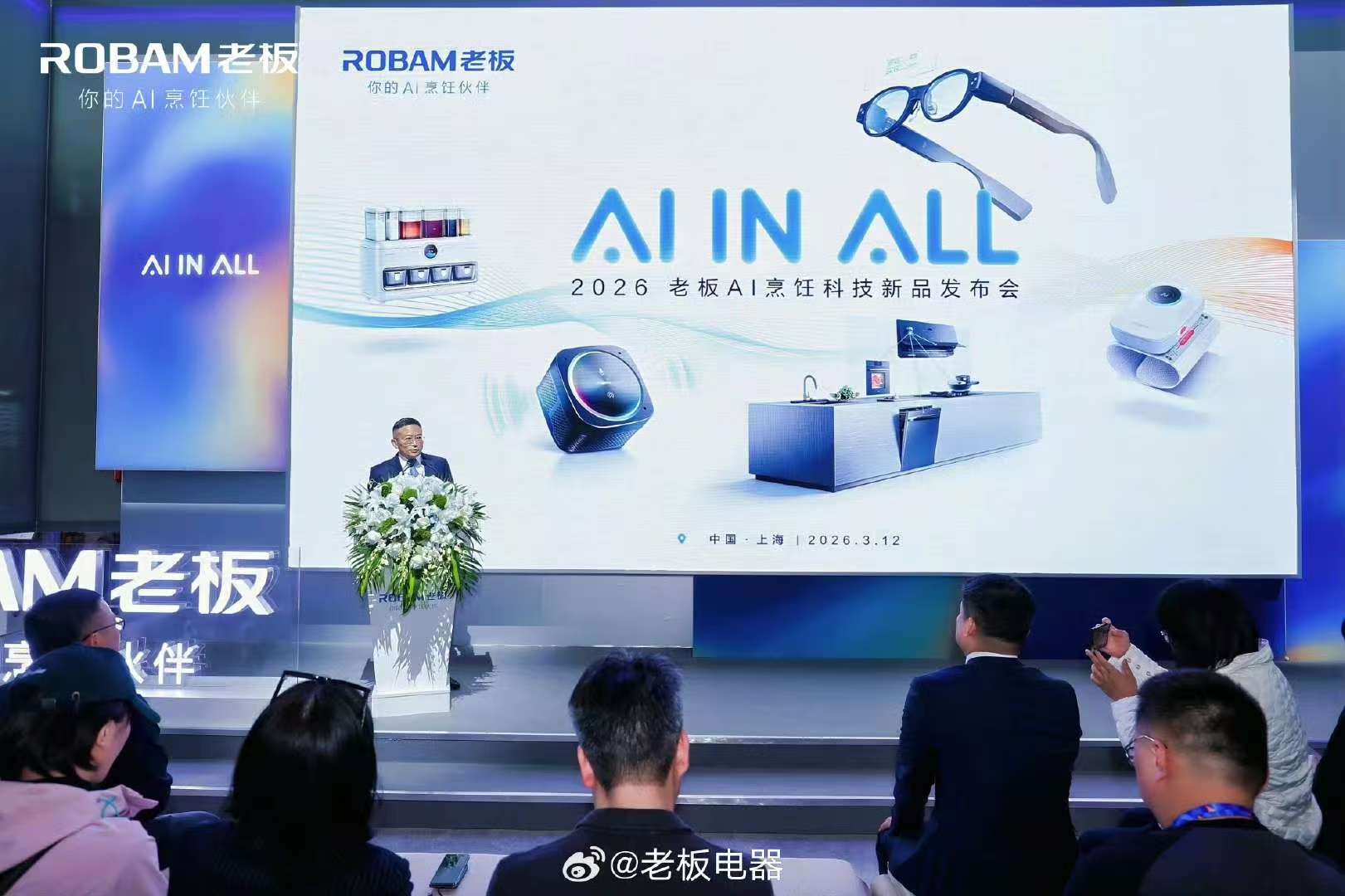
    Shanghai, March 2026 — At the Appliance & Electronics World Expo (AWE) held at the Shanghai New International Expo Centre, Robam, a leading manufacturer of traditional kitchen appliances, unexpectedly stole the spotlight from consumer electronics giants with the global debut of its AI Cooking Glasses. This device represents far more than a simple hardware upgrade; it attempts to fundamentally reshape the logic of kitchen interaction, driving the kitchen appliance industry to leap from “single-device intelligence” to “end-to-end closed-loop intelligence.” Our reporter conducted an in-depth hands-on experience at the exhibition site and, drawing upon industry data and market analysis, offers readers a comprehensive breakdown of this product’s core value, commercial prospects, and cost-effectiveness.

    Robam's AI Cooking Glasses
    Robam’s AI Cooking Glasses

    Core Barrier: The “Food God” Large Language Model for Vertical Kitchen Scenarios

    Unlike most AR glasses currently on the market—which are typically designed for navigation or media consumption—the core competitive advantage of ROBAM’s AI Cooking Glasses lies in their proprietary “Food God” large language model for cooking. This specialized AI is specifically optimized for the kitchen environment and serves as the key differentiator setting it apart from standard AR devices.

    On-site testing demonstrated that this model possesses robust logical reasoning capabilities, extending far beyond mere recipe retrieval. When a reporter posed the question, “Given only tomatoes, eggs, and half an onion in the fridge, what dishes can I make?” the device not only quickly recommended three suitable recipes but also automatically adjusted ingredient ratios and cooking steps based on specific taste preferences—such as “low oil” and “mildly spicy.” Its voice interaction response time is kept under 0.5 seconds, featuring a natural tone devoid of the robotic stiffness often associated with traditional smart devices; this effectively resolves a core pain point in the kitchen environment: the inability to operate a touchscreen when one’s hands are soiled.

    Industry analysts point out that the high barrier to entry for developing large language models tailored to vertical scenarios is precisely where ROBAM Appliances holds its competitive edge. In contrast to the general-purpose AI offered by technology firms, the “Food God” model has amassed a dataset of over 100,000 Chinese recipes. This extensive knowledge enables it to accurately interpret nuanced instructions—such as “adjust the heat” or “fine-tune the texture”—and translate them into actionable, visualized steps—a feat that remains largely beyond the reach of generic AR devices.

    Visual Innovation: First-Person AR Guidance Reshapes the Cooking Workflow

    The visual design of the Robam AI Cooking Glasses directly addresses two core pain points of the modern kitchen: the inconvenience of checking recipes on a smartphone while one’s hands are soiled, and the lack of foresight regarding upcoming cooking steps. Through its first-person AR guidance and ingredient recognition capabilities, the device delivers a “visual upgrade” to the entire cooking process.

    Once the device is worn at the stovetop, translucent virtual guides appear within the user’s field of view. When chopping vegetables, virtual lines are projected onto the cutting board, clearly indicating the proper cutting patterns and dimensions for the ingredients. When stir-frying, countdown timers and prompts regarding stirring frequency hover directly above the pan; users no longer need to turn their heads to check a screen, allowing their gaze to remain constantly focused on the act of cooking itself.

    The device’s built-in high-precision camera also features ingredient recognition and heat monitoring capabilities. Pick up an unfamiliar mushroom, and the glasses immediately display its name, preparation instructions, and allergen warnings. When the oil temperature reaches the optimal frying temperature of 180°C, a green notification appears in the user’s field of view. If the oil becomes too hot, the notification turns red and triggers a subtle audible alert—a feature designed to mitigate the risk of generating carcinogenic compounds in cooking fumes right at the source. This functionality aligns perfectly with today’s consumers’ growing demand for healthy cooking practices.

    Ecological Closed Loop: The Core Moat of a Kitchen Appliance Giant

    The value of a single pair of AI cooking glasses is limited; the true commercial barrier lies in the “device-interconnection ecosystem” that Robam Appliances has built upon its strengths in kitchen appliances—a core competency that technology companies find difficult to replicate.

    Demonstrations at the exhibition site revealed that, once wearing the glasses, users can achieve intelligent control over the entire cooking process—from food preparation to plating. During the prep phase, after identifying ingredients, the glasses can interface with a smart refrigerator to verify inventory levels, thereby preventing food waste. During the cooking phase—the moment the burner is ignited—a smart range hood automatically detects the activity and adjusts its suction power based on smoke density, while the smart cooktop automatically regulates heat intensity according to AI commands: automatically switching to high heat for stir-frying and shifting to a gentle simmer for reducing sauces. When side dishes require steaming, the AI ​​steam-oven automatically preheats and configures the appropriate cooking time and mode.

    This signifies that, for the first time, AI has achieved a complete closed-loop cycle within the kitchen environment. Users are no longer merely operators of individual appliances, but rather the “commanders” of an entire smart kitchen system. According to a Robam Appliances representative on-site, the glasses currently achieve seamless interconnection with the brand’s entire lineup of smart kitchen appliances, with a response latency of less than one second.

    Market Impact: Reshaping the Cooking Landscape and Catering to Diverse User Needs

    Reporters from this publication conducted random interviews with 20 product testers on-site at the exhibition. By combining these insights with industry research data, we have identified three major ways this product transforms the cooking experience, as well as a clear profile of its target user base.

    First, it democratizes cooking skills. AR-guided instructions lower the barrier to entry for cooking; even international students or young professionals who have never set foot in a kitchen can follow the prompts to prepare dishes that are perfect in color, aroma, and taste. As one international student at the event remarked, “I used to want to cook Chinese food but struggled to master the heat control. These smart glasses provide real-time feedback, solving my biggest challenge.”

    Second, it enhances kitchen safety. AI technology provides real-time monitoring for safety hazards—such as forgetting to turn off the stove, excessive oil temperatures, or expired ingredients—making the device particularly suitable for individuals living alone and elderly users. Data indicates that 80% of kitchen accidents stem from operational oversight; the device’s real-time warning system is expected to reduce such risks by over 60%.

    Third, it restores the joy of cooking. By offloading the tedious tasks of memorizing recipes and managing procedural steps to AI, users are free to focus their energy on ingredient pairing and culinary innovation, allowing them to rediscover the creative pleasure inherent in cooking.

    Pricing and Buying Guide: Evaluating Value Behind the Premium Price Tag

    As the world’s first product of its kind, its pricing strategy has garnered significant market attention. Drawing upon information released at ROBAM Appliances’ AWE press conference—combined with industry analysis of hardware production costs—this publication has compiled the following price forecasts and purchasing recommendations for our readers’ reference.

    Estimated selling price

    • Boss AI Cooking Glasses: $1,199 USD
    • Complete smart kitchen suite (including range hood, cooktop, steam oven): $8,999 – $12,999 USD (depending on the specific model)

    Note: This price is the estimated price for the initial release in 2026 and includes a lifetime subscription to the “God of Cookery” large model.

    Product Advantages and Disadvantages Analysis

    AdvantagesDisadvantages (Cons)
    Truly free your hands : first-person perspective interaction, no phone/tablet required.Strong ecological dependence : To achieve full interconnection, it is necessary to equip the kitchen with Robam smart kitchen appliances.
    Lowering the barrier to cooking : AR guidance allows even beginners to create master-level dishes.Battery life challenge : Under high-intensity AR use, the battery lasts approximately 3-4 hours on a single charge.
    Safety monitoring : Real-time identification of cooking temperature and food status.Learning curve : Older users may need time to adapt to the AR interface.
    Lightweight design : weighing less than 80g, comfortable to wear.Price threshold : The unit price of $1,199 is relatively high for a pure accessory.

    Who should buy? (Buying Guide)

    ✅ Highly recommended:

    • For new kitchen renovation users: If you are planning to renovate your kitchen in 2026, get the complete set of Robam smart kitchen appliances + glasses for the best experience.
    • Cooking novices/busy working professionals: need to quickly prepare healthy meals, but lack the skills and time.
    • Tech geeks: Early adopters eager to experience the world’s first AI-powered closed-loop kitchen device.
    • Overseas students/Chinese: People who want to recreate authentic Chinese dishes at home but struggle with cooking techniques.

    ❌ We recommend waiting and observing:

    • For non-Robam appliance users: If you use other brands of stoves and range hoods, the “device linkage” function of the glasses will be greatly reduced, leaving only the AR recipe function, which is not cost-effective.
    • Budget-sensitive: The price of $1,199, plus the potential cost of replacing kitchen appliances, is a considerable expense.
    • Experienced chef: If you already know the cooking process by heart, AI guidance may seem superfluous.

    Conclusion: Is it a gimmick or the future?

    Amidst the hustle and bustle of AWE 2026, Robam Appliances’ AI cooking glasses provided a clear answer: the intelligence of the kitchen should not stop at mobile app control, but should be integrated into every aspect of vision and process.

    While its price of $1,199 USD isn’t cheap and it has certain ecosystem requirements, it truly solves the ultimate pain point of “hand-eye coordination” in the kitchen. It’s more than just a pair of glasses; it’s a key to the smart kitchen of the future.

    Final rating: 8.8/10

    • Innovation Index: ⭐⭐⭐⭐⭐
    • Practicality rating: ⭐⭐⭐⭐
    • Value for money: ⭐⭐⭐

    Purchase Conclusion: If you crave the ultimate cooking experience and are willing to pay for “making cooking simple,” this is the most worthwhile kitchen technology product to buy in 2026. If your existing kitchen appliances are aging, this might be an excellent reason to upgrade your entire kitchen system.

    Note: This article is based on my experience at the 2026 AWE exhibition. The specific price and features are subject to the official final release version.

  • Dreame’s Smart Goggles Market: AQUA 100

    Dreame’s Smart Goggles Market: AQUA 100

    In the eyes of consumers, the name Dreame has long been inextricably linked with cleaning appliances—such as robot vacuums and hair dryers. However, at the 2026 Appliance & Electronics World Expo (AWE 2026) in China, the tech company shattered these preconceived notions. It officially unveiled its first pair of AR smart swimming goggles, the “AQUA 100,” thereby announcing its entry into the high-end smart wearable sector.

    Priced at an estimated $329, this product embodies Dreame’s ambition to expand its scope from “home cleaning” into the realm of “personal health technology.” Is this merely a speculative foray into a new market, or a carefully calculated strategic maneuver? By conducting an in-depth analysis of the product’s specifications, technical details, and the competitive landscape, we may just find the answer.

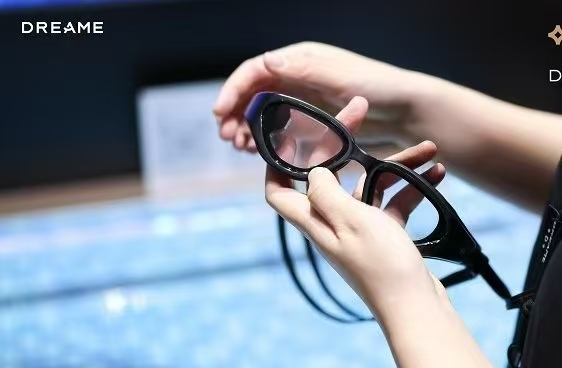
    AQUA 100 Smart Wwimming Goggles
    AQUA 100 Smart Wwimming Goggles

    Lightweight Breakthrough: A 68-Gram Body Solves a Key Industry Pain Point

    For wearable devices such as smart swimming goggles, wearing comfort is the pivotal factor determining market acceptance. Previously, most smart goggles suffered from excessive weight due to the integration of components like batteries and display screens; prolonged wear often exerted pressure on the bridge of the nose and the eye sockets—a significant source of discomfort for both professional swimmers and enthusiasts alike.

    With the AQUA 100, Dreame demonstrates its accumulated technical expertise in product lightweighting: the device’s total weight is kept to approximately 68 grams—roughly 20% lighter than the mainstream smart goggles currently available on the market. This figure represents more than just a simple optimization of specifications; it reflects a precise insight into the specific demands of the swimming environment. For users who train for over 1,000 meters daily, this lightweight design significantly reduces fatigue during extended wear, thereby enhancing the overall user experience.

    Beyond its weight advantage, the AQUA 100’s integrated, retractable nose bridge design also addresses a common pain point associated with traditional swimming goggles. Traditional goggles often require users to swap out nose pieces of various sizes to accommodate different facial structures—a process that is not only cumbersome but also carries the risk of accessory loss, which can render the entire product unusable. In contrast, the integrated retractable design requires no additional parts and flexibly adapts to a wide range of nose bridge sizes, thereby enhancing user convenience while simultaneously reducing long-term ownership costs.

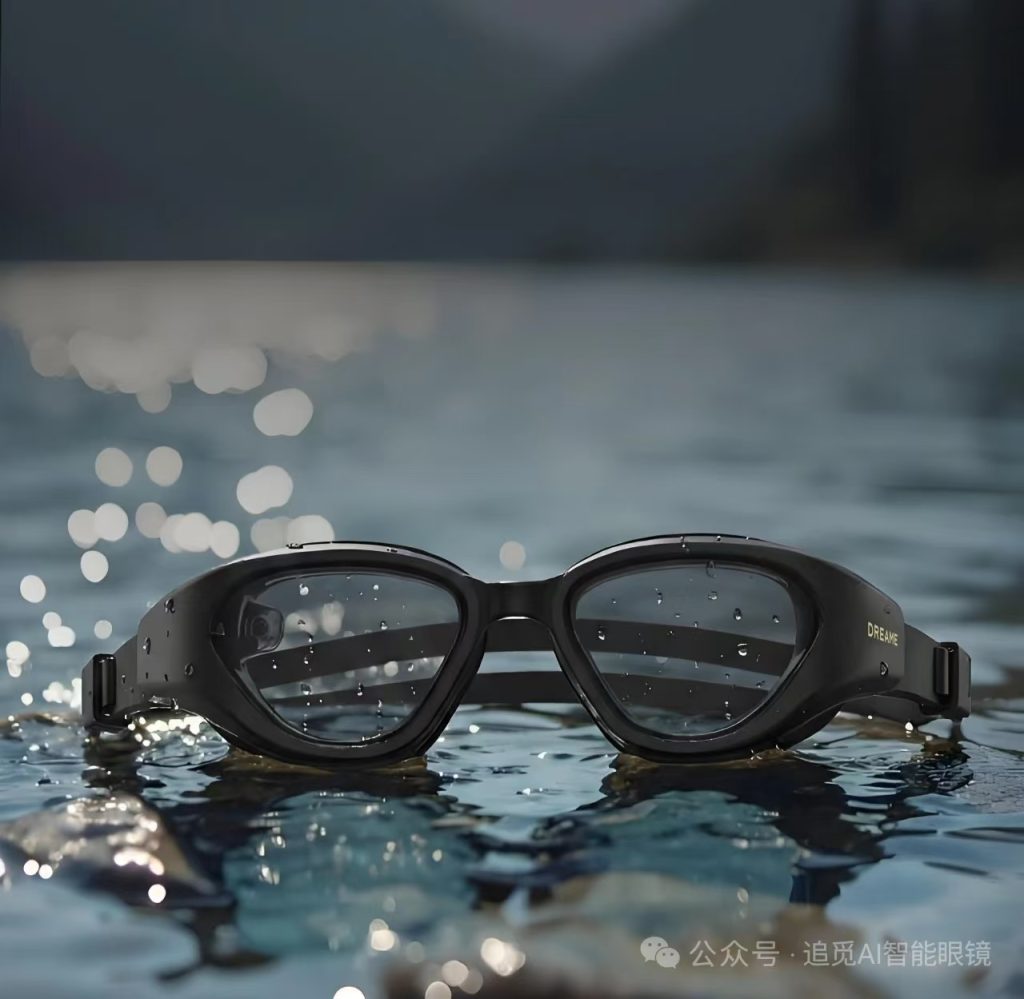
    Furthermore, the device features a low-drag, fully symmetrical streamlined body design that effectively minimizes hydrodynamic resistance during swimming. This specific detail holds tangible practical value for professional swimmers focused on optimizing their training performance, while also serving as a testament to Dreame’s expertise in product design.

    AQUA 100
    AQUA 100

    Core AR Technology: A Breakthrough in Underwater Applications Using Diffractive Waveguides

    The core competitive advantage of AR smart swimming goggles lies in the stability and clarity of their underwater display technology. The AQUA 100’s most significant technical highlight is its adoption of diffractive waveguide technology—typically found in high-end AR glasses—rather than the prism-based solutions prevalent throughout the rest of the industry. This strategic choice immediately sets it apart from its competitors.

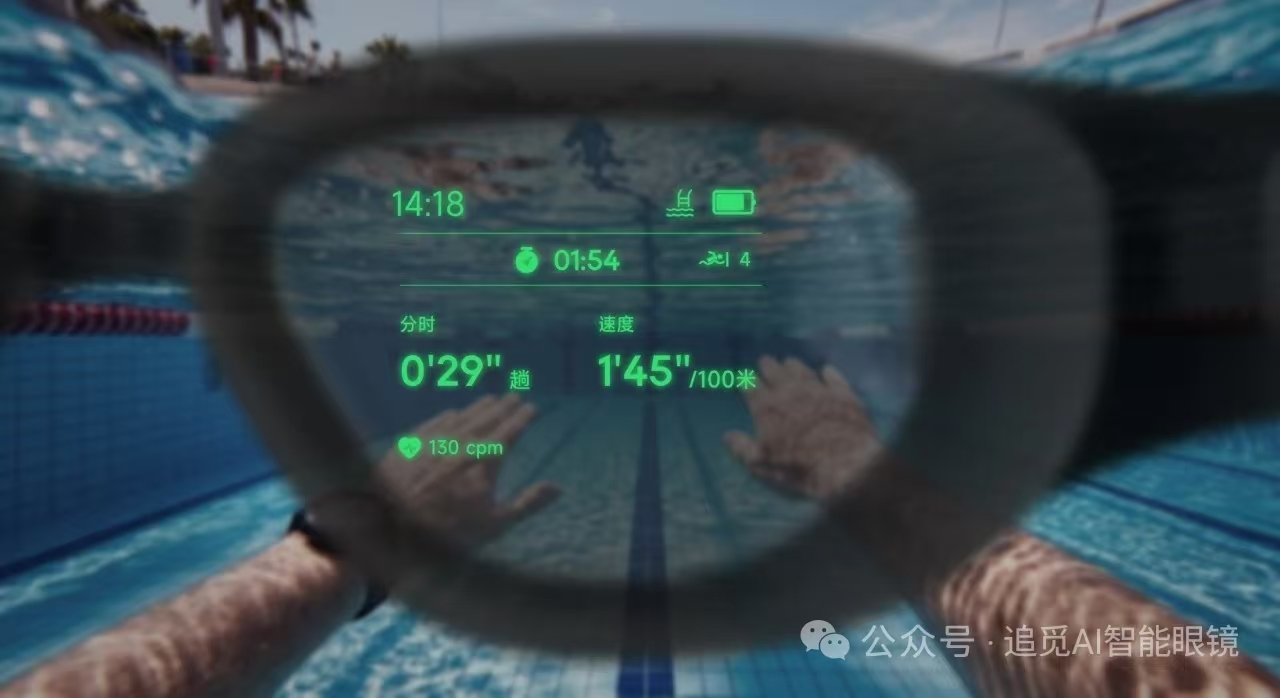
    In terms of technical specifications, the AQUA 100 features a monocular green display with a resolution of 640×480 and a field of view (FOV) of 30°. The choice of a green display was not arbitrary; rather, it was an optimization based on underwater optical properties. Green light offers superior penetration and contrast in water compared to other colors, ensuring users can clearly read data while submerged. The 30° field of view strikes a balance between “data display” and “underwater visibility,” ensuring that the display area does not obstruct the user’s line of sight while simultaneously guaranteeing that data remains clearly legible.

    Compared to traditional prism-based solutions, the advantages of diffractive waveguide technology are far more pronounced. First, it offers superior light transmission, resulting in lenses that appear more transparent; this eliminates the distinct “screen-like” sensation often associated with traditional smart goggles, thereby enhancing their aesthetic appeal. Second, it features a more compact structure, providing the technical foundation necessary for achieving a lightweight device design. In an interview, a representative from Dreame stated that the implementation of diffractive waveguide technology constituted one of the most significant investments during the AQUA 100’s R&D phase, serving as a core technological barrier that distinguishes the product.

    The content displayed underwater focuses on key swimming metrics—including duration, stroke rate, pace, heart rate, and distance—providing real-time feedback on the user’s training status. This proves immensely practical for swimmers who rely on data analysis to refine their technique and improve their performance.

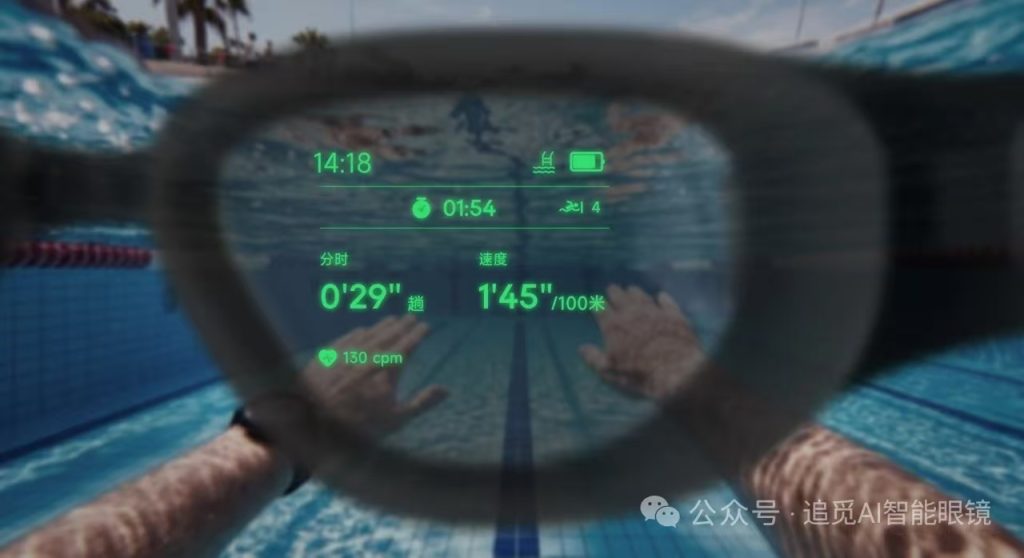
    Underwater Effect of AQUA 100
    Underwater Effect of AQUA 100

    Solidifying Core Capabilities: Anti-Fogging and Battery Life Establish a Robust Product Baseline

    No matter how sophisticated the underlying technology may be, the AQUA 100 remains, fundamentally, a pair of swimming goggles. Consequently, core capabilities such as waterproofing, anti-fogging, and battery life serve as the essential prerequisites for its viability in the market. Dreame has not taken these fundamentals lightly, employing a multi-layered technical approach to ensure the product’s reliability.

    Fogging is one of the most persistent pain points associated with swimming goggles; indeed, if the lenses fog up, even the most advanced AR display capabilities become entirely useless. The AQUA 100 addresses this issue through a combined solution featuring “wear-resistant silicone” and a “nano anti-fog coating.” According to official specifications, this anti-fog coating remains effective for at least 1,000 activation cycles (wipes)—meaning its anti-fogging properties are not a one-time feature. This ensures long-term underwater visibility and effectively resolves the chronic issue plaguing traditional goggles, where lenses tend to fog up after just a few uses. Furthermore, the product incorporates a proprietary sealing structure, which further enhances stability during underwater use and prevents water ingress from disrupting normal device operation.

    In terms of waterproofing and battery life, the AQUA 100 meets the professional IP68 waterproofing standard, capable of withstanding prolonged underwater immersion—a core requirement for professional-grade swimming goggles. Regarding connectivity, it features low-power Bluetooth 6.0 technology; compared to Bluetooth 5.0, this offers more stable transmission and lower power consumption, enabling both rapid data synchronization and extended battery life.

    As for battery endurance, the AQUA 100 delivers up to 7 hours of operation under typical usage scenarios. When viewed alongside market research data—which indicates that the vast majority of amateur swimmers do not swim for more than two hours per session—this level of battery life means a single charge can satisfy a user’s weekly needs (assuming one hour of swimming per day). Even during long-distance open-water training, users can effectively avoid any “battery anxiety.”

    AI Empowerment: Upgrading from “Data Logging” to “Intelligent Coaching”

    Dreame’s core strength lies in its AI and sensor technologies—an advantage that has been seamlessly extended to the AQUA 100. Unlike most smart goggles currently on the market—which merely record data—the AQUA 100 features Dreame’s proprietary “Sports & Health Large Language Model” built right in, marking a significant leap from simple “data logging” to sophisticated “intelligent coaching.”

    Based on the user’s real-time performance metrics—including heart rate fluctuations, stroke rate, and pace—this model conducts multi-dimensional analyses to generate personalized training regimens. For instance, if the user’s swimming speed becomes excessive, causing their heart rate to spike, the system will display a visual prompt on the lens, guiding the user to adjust their breathing rhythm. Furthermore, by analyzing the user’s historical training data, the model can automatically calibrate the optimal training intensity for the following day—effectively providing the user with a personal AI coach on demand.

    The true value of this feature lies in its ability to lower the barrier to professional-level swim training. For amateur swimmers who lack access to a professional coach, this AI-driven guidance helps them train more scientifically—preventing injuries caused by improper technique or excessive intensity—while simultaneously boosting training efficiency. Dreame has announced that, in the future, it will continue to enrich these AI capabilities through software updates, establishing deep integration with the Dreame Health App to create a comprehensive sports and wellness ecosystem.

    Market Dynamics: Priced at $329—How Competitive Is It? With a projected price tag of $329, the AQUA 100 positions itself firmly within the premium segment of the smart swimming goggles market. Whether this pricing is justifiable—and whether it can secure a competitive edge in the marketplace—ultimately depends on the product’s intrinsic value and how effectively it differentiates itself from its rivals.

    A comparison with competing products reveals that current market leaders in the premium smart goggles category—such as the FORM Smart Swim 2, priced at $249—derive their strength from a mature ecosystem, offering extensive training data and robust community features. In contrast, the AQUA 100’s core strengths lie in its use of diffractive waveguide display technology and AI-driven coaching capabilities; furthermore, its integrated nose bridge design offers superior convenience, giving it distinct and unmistakable differentiating features. For users who prioritize advanced technological experiences and professional-grade training support, the premium price point of the AQUA 100 appears entirely reasonable.

    Compared to traditional swimming goggles (typically priced around $30), the price gap is substantial; however, the target demographics for the two categories are entirely distinct. Traditional goggles merely fulfill basic requirements for waterproofing and anti-fogging, making them suitable for casual recreational swimming. The AQUA 100, conversely, targets serious swimmers, tech enthusiasts, and existing users within the Dreame ecosystem—a demographic willing to pay a premium for professional-grade data, intelligent coaching, and a superior user experience.

    Dreame officials have indicated that the AQUA 100 may launch with “early bird” promotional offers, potentially lowering the introductory price to $299 and further bolstering the product’s market competitiveness. Industry analysts suggest that this pricing strategy serves a dual purpose: it maintains the product’s premium market positioning while simultaneously appealing to a segment of potential customers who are more price-sensitive.

    Your Personal AI Tutor
    Your Personal AI Tutor

    Summary: The Ambition and Challenges of Cross-Industry Expansion

    The launch of the AQUA 100 by Dreame is not merely a serendipitous foray into a new sector, but a pivotal step in expanding its business horizons and strategically positioning itself within the personal health technology domain. The core value of this product lies in its ability to deeply integrate Dreame’s accumulated technological expertise—spanning sensors, AI algorithms, and optical display systems—with the specific demands of the swimming environment, thereby resolving numerous pain points associated with both traditional goggles and standard smart goggles.

    A lightweight design weighing just 68 grams, diffractive waveguide display technology, AI-driven intelligent coaching features, and robust anti-fog and battery life capabilities collectively constitute the AQUA 100’s core competitive edge. While its $329 price tag may not be considered budget-friendly, given the professional-grade experience and technological innovation it delivers, the product is poised to stand out in the 2026 smart wearables market and emerge as a “dark horse” within this niche segment.

    Naturally, Dreame also faces significant challenges: the smart goggles market is currently still in its nascent stage, and consumer acceptance remains to be cultivated. Furthermore, competitors such as FORM possess distinct advantages in ecosystem development; consequently, Dreame must continue to exert substantial effort in building its software ecosystem and refining its user operations. Additionally, as a newcomer to this cross-industry space, Dreame must actively gather user feedback from the swimming community to continuously optimize the product experience.

    For consumers, if you are a serious swimmer in training, a technology enthusiast, or someone seeking a more scientifically grounded approach to training, the AQUA 100 is undoubtedly worth your attention. However, if your needs are limited to casual recreational swimming or if you are working with a limited budget, traditional swimming goggles remain the more cost-effective choice.

    Note: This article is based on information presented at the AWE 2026 launch event and product specifications provided by Dreame. Specific retail pricing, product details, and actual user experience are subject to the final official release version.