Author: Gavin

  • Sandbar Stream Ring: A “Second Brain”

    Sandbar Stream Ring: A “Second Brain”

    In the competitive landscape of wearable technology, ring-shaped devices are hardly a novelty. However, by seamlessly integrating AI-powered audio recording with “frictionless interaction” technology into a single ring, the Stream Ring—launched by the Sandbar team—has nonetheless created a significant stir in the market. Recently, Sandbar officially announced the completion of a $23 million Series A funding round; meanwhile, this flagship product—which has yet to officially begin shipping—has already sparked a pre-order frenzy among consumers.

    Is this device merely a fleeting novelty gadget, or is it a genuine productivity tool capable of truly enhancing user efficiency? Drawing upon technical details officially disclosed by Sandbar, the team’s background, and current market trends, this article offers an in-depth analysis. Our aim is to provide potential buyers with an objective and comprehensive purchasing guide, helping them clearly assess the product’s core value before making a purchase decision.
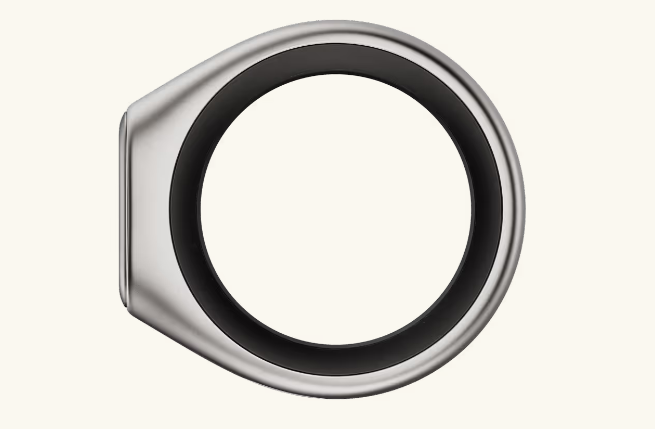
    Sandbar Stream Ring
    Sandbar Stream Ring

    Technical DNA: A Top-Tier Team Establishes Core Competitiveness

    When evaluating the potential ceiling of a hardware product, the technical team and R&D DNA behind it are often the decisive factors. Sandbar’s two co-founders, Mina Fahmi and Kirak Hong, are both seasoned veterans in the field of human-computer interaction (HCI). Both previously held key positions at CTRL-labs—a company that focused on enabling direct interaction between the human brain and digital devices via electromyography (EMG) technology—and which held a pivotal status within the industry.

    In 2019, Meta (formerly Facebook) acquired CTRL-labs for approximately $1 billion, aiming to establish a foundational interaction framework for its future AR/VR devices. Following the acquisition, Mina Fahmi joined Meta, where she was deeply involved in the R&D of cutting-edge interaction technologies. In a sense, the birth of the Stream Ring represents a “real-world application” of this elite HCI technology—a strategic shift from the abstract to the tangible. Rather than pursuing complex brain-computer interface technologies, the team focused its R&D efforts on a simple yet high-frequency use case: how to quickly capture fleeting moments of inspiration without interrupting one’s train of thought.

    The Core Pain Point: Why Do We Need a “Recording Ring”?

    In an era where smartphones already offer an abundance of processing power and features—often bordering on “overkill”—the necessity of purchasing a separate, dedicated audio recording device remains a lingering question in the minds of many. The core insight behind the Stream Ring precisely addresses a critical shortcoming of smartphones in the context of capturing inspiration: the more powerful a phone becomes, the higher the “friction cost” associated with recording spontaneous ideas.

    When a brilliant idea suddenly strikes, a user must pull out their phone, unlock the screen, locate a voice recording app, and tap the record button—a sequence of actions that often takes upwards of ten seconds. Yet, for fleeting moments of inspiration, this brief interruption—mere seconds long—is often enough to completely derail a train of thought.

    The Stream Ring’s solution lies in the radical simplification of this operational workflow: designed specifically for the index finger, the device allows users to simply lift their hand, press and hold the touch panel on the ring, and begin speaking to record immediately. Rather than striving for comprehensive functionality, the product focuses exclusively on “voice memos”—a high-frequency, essential use case. This “lift-and-record” design aims to integrate the act of recording seamlessly into one’s natural body language, making the capture of inspiration as effortless as breathing, and thereby fundamentally resolving the problem of interrupted creative flow.
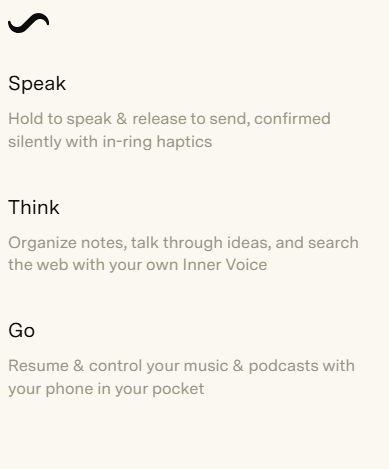
    Core Features of Sandbar Stream Ring
    Core Features of Sandbar Stream Ring

    Privacy and Security: A Physical Switch Fortifies the Privacy Barrier

    In an era where AI-powered hardware is frequently plagued by “privacy anxiety,” the Stream Ring’s approach to microphone permission management stands out as particularly commendable. While many smart speakers and headphones currently face controversy over their “always-on listening” capabilities, the Stream Ring adopts a core strategy of “default-off,” thereby eliminating the risk of privacy breaches at the hardware level.

    Specifically, the Stream Ring’s microphone remains completely inactive when the device is idle; it only activates and begins recording when the user physically presses the touch panel. Official data indicates that the device can capture audio information with exceptional clarity, even in noisy environments or when the user speaks in a hushed whisper. This “press-to-record, release-to-stop” physical activation mechanism fundamentally prevents the device from inadvertently eavesdropping on users’ daily conversations—an undeniable key selling point for privacy-conscious business professionals and individuals working in sensitive industries.
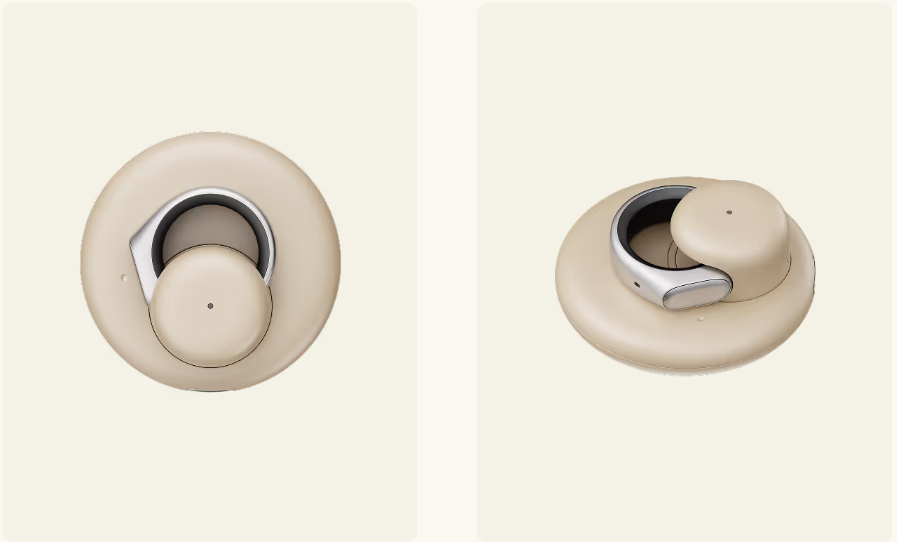
    Sandbar Stream Ring Charging station
    Sandbar Stream Ring Charging station

    AI Capabilities: More Than Just Recording—A “Second Brain”

    Were it merely equipped with a recording function, the Stream Ring might be nothing more than an expensive, portable voice recorder. Its true core competency lies in the AI ​​processing capabilities embedded within its accompanying applications—once a recording concludes, the system automatically executes a series of efficient processing tasks, transforming raw audio into immediately usable, structured information.

    Specifically, its AI functionality encompasses three core stages: First, high-precision speech-to-text conversion, ensuring the accuracy of transcribed content; second, content organization, utilizing AI algorithms to logically structure and summarize unstructured audio, thereby distilling key insights; and third, action conversion, automatically extracting actionable items from spoken conversations to create a closed loop extending from “recording” to “execution.”

    Of particular note is Sandbar’s plan to optimize and launch a “Inner Voice” feature during the closed beta testing phase, prior to the product’s general release. This feature is not designed to create an AI companion with an independent personality (as depicted in the movie Her); rather, it enables the AI ​​to learn and mimic the user’s own tone of voice when providing feedback. This design philosophy emphasizes “self-extension” rather than “external companionship,” aiming to use AI to expand the boundaries of human memory and foster an experience akin to “conversing with one’s past self”—helping users retrace their steps and organize their thoughts, rather than allowing the AI ​​to supplant human cognition.

    A more intuitive operational logic: (Private Voice Ring; Notes: Capture thoughts anytime, anywhere simply by speaking softly; Conversations: Press and hold to speak, tap to interrupt; Music: Resume and control playback via gestures.)

    Price and Cost Analysis: Starting at $249—Is It Worth Buying?

    For potential consumers, cost is an unavoidable and central consideration. The Stream Ring employs a “hardware + subscription” business model with a pricing strategy that is both clear and targeted, outlined as follows: The hardware retails starting at $249, while the subscription fee for AI services is $10 per month. Based on the product’s positioning and feature set, we offer an analysis of its purchasing value from two distinct perspectives:

    In terms of the hardware premium, a price point of $249 (approximately 1,800 RMB) places this ring-shaped wearable device squarely in the mid-to-high-end segment. However, when taking into account its built-in high-precision microphone array, touch-interactive module, and the R&D investment from the top-tier team behind it, this price remains entirely reasonable within the landscape of comparable smart wearables and does not appear to be excessively inflated. In terms of subscription costs, the monthly $10 fee for AI services constitutes a recurring long-term expense. For users who heavily rely on speech-to-text and AI summarization features, this outlay breaks down to just $0.33 per day—a reasonable investment for boosting productivity. However, if a user only requires basic recording capabilities, they should verify in advance whether the product offers a “Basic Mode” that does not require a subscription.

    It is worth noting that the Stream platform offers a free tier that allows users to record an unlimited number of notes. Pre-order customers receive a complimentary three-month subscription to Stream Pro (a premium tier offering benefits such as unlimited conversation recording and early access to new features); should pre-order customers choose to continue their subscription after this initial period, the price remains $10 per month.

    Summary and Purchase Recommendations

    To be clear, the Sandbar Stream Ring does not aim to replace the smartphone; rather, it seeks to bridge the experiential gap that smartphones leave in scenarios requiring the “instant capture of fleeting inspiration.” It does not strive for comprehensive functionality across the board, but instead excels in a single, specific use case—and therein lies its core value.

    Based on the product’s features, we recommend it to the following four groups of people:

    • Creative Professionals: Including writers, designers, planners, and others who need to capture fleeting moments of inspiration at any time; the Stream Ring’s “frictionless recording” design minimizes interruptions to one’s train of thought.
    • Efficiency Enthusiasts: Users who dislike the cumbersome process of pulling out a phone and unlocking apps, prefer using voice commands to quickly record memos, and wish to minimize disruptions to their “flow state.”
    • Privacy-Conscious Users: Individuals concerned about smart devices engaging in round-the-clock listening, who prefer controlling their microphone via a physical switch, and who prioritize the protection of their personal privacy.
    • Early Adopters: Users interested in next-generation human-computer interaction technologies—developed by a core team formerly at Meta—who are eager to experiment with cutting-edge smart hardware.

    Conversely, we advise two specific groups to exercise caution: those who are more accustomed to using their smartphone’s built-in voice assistant and do not require immediate, on-the-spot recording capabilities; and those who are sensitive to the $10 monthly subscription fee. We recommend that these users wait until the product officially ships this summer, consult reviews from the first wave of actual users—paying particular attention to the real-world performance of the “Inner Voice” feature and the device’s battery life—before making a purchase decision. Essentially, the Stream Ring seeks to construct a simpler, more efficient bridge between the digital world and the human mind. If it can deliver on its core promise of “seamless recording” as anticipated, then that $249 may well prove to be the most cost-effective premium users ever pay for “freedom of thought.”

  • The “Apple” of Sleep: The Eight Sleep Pod 5 Core

    The “Apple” of Sleep: The Eight Sleep Pod 5 Core

    Within the landscape of Silicon Valley health tech, Eight Sleep has long occupied a unique niche: it positions itself not merely as a mattress company, but rather as the architect of a “sleep operating system.” With the launch of its latest flagship product—the Pod 5 Core—the startup has once again directed consumer attention toward a primal yet often-overlooked human need: temperature regulation.

    Eight Sleep Pod 5
    Eight Sleep Pod 5

    However, the product’s steep price tag—clocking in at $2,999—coupled with a mandatory bundled monthly subscription service, has sparked heated debate within the market. Is this a truly revolutionary investment in personal health, or merely another “subscription-model” experiment by tech giants probing the limits of consumers’ wallets?

    The Logic of Water: Microclimate Management Beyond Air Conditioning

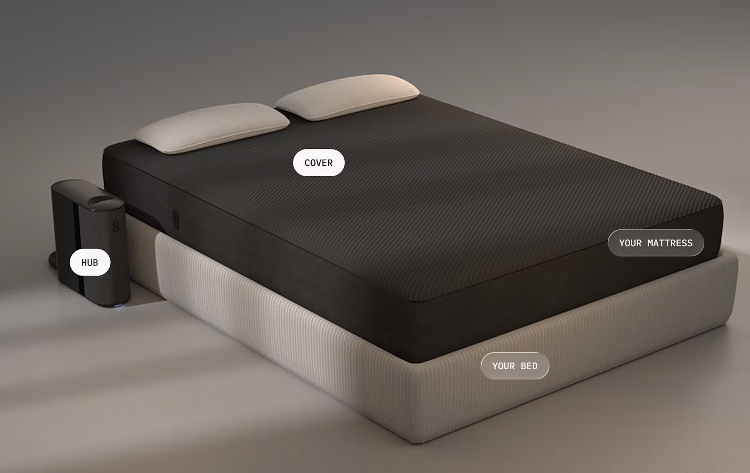
    The Pod 5 Core’s core competitive advantage lies in its departure from traditional air-based climate control logic, opting instead for a dynamic water-circulation system. By weaving ultra-fine water tubes directly into the bedding—connected to a “Hub” unit situated beside the bed—the system can precisely extract or deliver thermal energy with an efficiency far exceeding that of air.

    The benefits of this technological approach become particularly evident in real-world testing. Traditional air conditioning systems often struggle to resolve the classic domestic conflict where “one partner runs cold while the other runs hot”; the Pod 5 Core’s Dual-Zone control feature, however, allows the left and right sides of the bed to maintain entirely distinct temperatures. Even more crucial is the “seamless” nature of its algorithmic intervention: during the sleep onset phase, the system automatically lowers the temperature to approximately 13°C (55°F), leveraging the physiological signal of a dropping core body temperature to accelerate the transition into sleep; conversely, during the deep sleep phase, it makes subtle temperature adjustments to prevent the sleeper from getting too cold. This proactive management of the sleep microclimate represents a capability currently beyond the reach of any passive bedding product—or even high-end air conditioning systems.

    Eight Sleep Core Technology
    Eight Sleep Core Technology

    The Data Moat: From “Sleeping” to “Biohacking”

    If temperature control serves as the Pod 5 Core’s hardware foundation, then data tracking constitutes its software soul. Without requiring the user to wear any wristbands or rings, the device employs high-sensitivity sensors to monitor heart rate, heart rate variability (HRV), respiratory rate, and distinct sleep stages.

    For the burgeoning community of “biohackers”—individuals dedicated to optimizing their physical and cognitive performance through data-driven self-experimentation—this form of unobtrusive, “invisible” monitoring holds immense appeal. Thanks to its large contact area, the device offers data stability superior to that of wearable devices, providing an intuitive reflection of how alcohol and caffeine intake impact sleep quality. Furthermore, its “Smart Wake” feature—which rouses users during the light sleep phase using subtle vibrations rather than jarring alarms—significantly reduces “sleep inertia” and has emerged as one of the features garnering the highest user satisfaction.

    However, hardware limitations do persist. Due to the absence of optical sensors, the Pod 5 Core is unable to monitor blood oxygen levels (SpO2)—a potential shortcoming in certain health monitoring scenarios.

    The “Trojan Horse”: Hidden Costs of the Subscription Model

    While the hardware capabilities are impressive, Eight Sleep’s business model stands as the epicenter of the controversy. The $2,999 price tag serves merely as an “admission ticket.” To unlock core features—such as automatic temperature control, detailed health data analytics, and the smart alarm—users are required to subscribe to the Eight Sleep Membership, priced at approximately $49 per month or $399 per year.

    Without a subscription, this expensive device effectively degrades into a standard water-cooled mattress requiring manual temperature adjustments. Consequently, a user’s Total Cost of Ownership (TCO) over a three-year period can easily exceed $4,000. While this “hardware-plus-continuous-service” model is commonplace within the software industry, it continues to make many consumers uneasy within the realm of durable consumer goods—particularly in a traditional product category like bedding.

    In contrast, competitors such as ChiliSleep’s Ooler series—though lacking deep data-tracking capabilities—offer a more cost-effective alternative for users who require only temperature control, with a one-time purchase price ranging from $1,000 to $1,500.

    Pod 5 Core Truly Improve Your Sleep Quality
    Pod 5 Core Truly Improve Your Sleep Quality

    Real-World Friction: Noise and Maintenance

    Beyond the glossy technical specifications, the actual user experience reveals certain physical-level frictions. The water pump and fan housed within the “Hub” unit can still generate perceptible noise during the quiet stillness of the late night; sensitive users may find it necessary to position the unit at least a meter away from the head of the bed. Furthermore, the requirements for periodic distilled water refills, semi-annual tubing cleanings, and the mattress’s relatively thick profile collectively increase the user’s maintenance burden and the demands placed on bedroom cable management.

    characteristicEight Sleep Pod 5 CoreChiliSleep / OolerTraditional smart mattresses (such as Sleep Number)
    price$2999 + subscription fee$1000 – $1500 (No subscription)$2000 – $5000+
    Temperature control technologyWater circulation (active heating/cooling)Water circulation (primarily for cooling)Airbag/Hybrid
    Data trackingExtremely high (no need to wear)None or basemedium
    SubscriptionForce (core functionality)noneSome features require a subscription.
    Suitable forData enthusiasts, geeks, and those who dislike heatThose who only need cooling and have a limited budgetThose who need to adjust the firmness

    Conclusion: Future Sleep—But For Whom?

    The Eight Sleep Pod 5 Core undoubtedly represents the pinnacle of current consumer-grade sleep technology. It successfully transforms sleep from a passive process of rest into an active management system that is both quantifiable and optimizable.

    For “early adopters”—those plagued by overheating at night, obsessed with quantifying health data, and possessing a generous budget—the experiential upgrade delivered by the Pod 5 Core is revolutionary, and more than sufficient to justify its steep price tag. In particular, its dual-zone temperature control feature stands as arguably the ultimate solution currently available for resolving temperature-related conflicts between sleeping partners.

    However, for average consumers who dislike subscription models, are highly sensitive to noise, or simply require the ability to adjust mattress firmness, this product’s high barrier to entry and complex maintenance requirements may render it an unnecessary luxury. In the long-distance race of sleep technology, Eight Sleep has already proven the technological superiority of its offerings; yet, whether it can successfully persuade the general public to embrace its “subscription-based sleep” philosophy will be the critical factor determining its ability to transcend the niche realm of tech enthusiasts and break into the mainstream market.

    After all, within the bedroom—that most private of spaces—the honest, visceral sensations of the body will always matter more than the perfect data displayed within an app.

  • Plaud Note: AI ​​Secretary to Your Phone

    Plaud Note: AI ​​Secretary to Your Phone

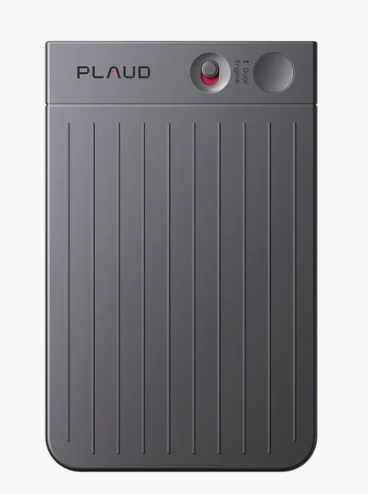
    Amidst the surging wave of AI hardware innovation in 2024, the field of voice recorders—long considered stagnant—has undergone a radical transformation. As a pioneer in this revolution, Plaud has quickly captured the tech industry’s attention with its flagship product: the Plaud Note. This device seamlessly blends a unique form factor with powerful AI capabilities. Even as the AI ​​hardware sector evolves at a breathtaking pace, the Plaud Note maintains a formidable competitive edge. Based on actual specifications and extensive user experience, this article offers a comprehensive buying guide to help consumers determine whether this “AI secretary that sticks to your phone” is a worthwhile investment.

    Plaud Note
    Plaud Note

    Industrial Design: Redefining “Portability” for Mobile Professionals

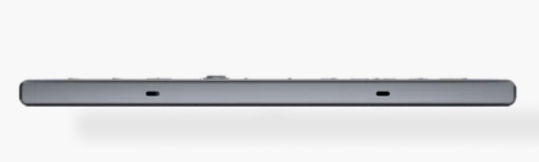
    The Plaud Note’s greatest selling point lies in its innovative design—one that breaks free from the traditional rectangular mold of conventional voice recorders. Measuring a mere 9.5 millimeters in thickness and weighing approximately 32 grams, the device boasts a slim, card-like profile—only slightly thicker than a standard credit card.

    At the core of its design philosophy is the concept of “seamless portability.” The device features built-in N52 strong magnets on its back, allowing it to snap directly onto the rear of any smartphone—compatible with both MagSafe and non-MagSafe models (non-magnetic phones come with an included metal clip). Users no longer need to carve out extra space in their bags for a separate recording device; the Plaud Note becomes a natural extension of the smartphone—a functional module that is always within easy reach.

    In practice, this design truly delivers on its promise. Even when attached to a phone with a protective case, the 9.5mm thickness adds virtually no bulk, ensuring that this combined phone-and-recorder setup remains comfortable to hold. The front of the device features only a single multi-function button and an LED indicator; this minimalist aesthetic not only looks stylish but also minimizes the risk of accidental operation. For professionals who travel frequently, conduct interviews, or need to capture sudden bursts of inspiration on the fly, this “phone-plus-recorder” combination solves a long-standing pain point: the common oversight of forgetting to bring a voice recorder.

    Plaud Note More Than Just Recording
    Plaud Note More Than Just Recording

    Recording Quality: Compact Body, Professional-Grade Performance

    A common concern among potential buyers is whether such a slim and lightweight device can truly deliver reliable audio quality. Through substantial hardware upgrades and intelligent software calibration, the Plaud Note effectively dispels these concerns.

    The device features a dual-microphone array capable of 48kHz/24-bit high-resolution audio recording—a specification that meets the entry-level standards of professional voice recorders, enabling it to capture subtle sonic details often overlooked by cheaper, bulkier counterparts.

    Real-world testing demonstrates that the Plaud Note excels at voice recording. Whether in a quiet conference room or a slightly noisy café, it consistently isolates human voices from background noise. Its built-in AI noise-cancellation algorithms play a crucial role in post-processing, effectively filtering out environmental distractions such as the hum of air conditioning, keyboard typing, and distant conversations—a capability vital for anyone recording interviews, meetings, or lectures.

    However, it is worth noting that the device’s design—specifically its integration with a smartphone—introduces certain inherent limitations. Since the microphones are positioned on the back of the phone, they are optimized to capture sounds in the user’s immediate vicinity or the voice of a speaker when the phone is placed flat on a table. For long-distance recording—such as from the back rows of a large auditorium or a crowded lecture hall—its performance falls short of traditional, long-bodied voice recorders, which are specifically engineered for directional, long-range pickup. This represents a physical compromise inherent to its compact portability; consumers should clearly define their intended use case before making a purchase.

    Plaud Note Thickness Display
    Plaud Note Thickness Display

    The AI ​​Core: Beyond Recording—A Productivity Powerhouse

    If the Plaud Note were merely an audio recording device, it would amount to little more than a hardware novelty. It is the integration of artificial intelligence that truly transforms it into a highly efficient productivity tool. Plaud’s competitive edge stems not only from its card-like form factor but, more importantly, from its accompanying mobile application and advanced AI processing capabilities—features that convert raw audio data into actionable information.

    1. Transcription and Summarization: Cutting Through the Noise

    Once a recording is complete, the audio file automatically synchronizes with the mobile application. Plaud incorporates advanced Speech-to-Text (STT) models that support mixed-language recognition, including Chinese, English, Japanese, and Korean. In practical testing, the Chinese recognition accuracy exceeded 95%, even in instances involving regional accents or rapid speech. Even more impressively, the “AI Summary” feature can automatically extract meeting minutes, to-do lists, and mind maps. For a one-hour meeting, the AI ​​takes just a few minutes to generate a clearly structured and well-organized summary, thereby significantly reducing the time required to organize and review notes.

    1. Privacy and Security: Balancing Convenience with Protection

    For business professionals, data privacy is paramount. Plaud addresses this concern through a dual-processing option: sensitive meeting content can be transcribed locally on the device, ensuring that data remains entirely under the user’s control. Meanwhile, non-sensitive content can leverage cloud computing capabilities for rapid processing. This flexible approach serves to alleviate users’ security concerns while preserving the convenience offered by AI features.

    1. Interactive Experience: Intuitive and Efficient

    The accompanying app features a clean, user-friendly interface that supports highlighting, annotating, and text-searching within recorded content. Users can quickly pinpoint specific timestamps within a recording by searching for keywords—a feature that proves particularly useful when reviewing lengthy lectures, interviews, or meeting recordings, saving a significant amount of time that would otherwise be spent on tedious playback.

    Plaud Note Dual-mode Precise Recording
    Plaud Note Dual-mode Precise Recording

    Battery Life and Storage: Say Goodbye to Frequent Charging Hassles

    Battery life is a critical factor for portable devices, and the Plaud Note excels in this regard. Its built-in battery supports approximately 30 hours of continuous recording and up to 45 days of standby time. For most users who record meetings or interviews a few times a week, this means charging the device just once a week. The device utilizes a USB-C charging port, compatible with most mainstream smartphone cables, further enhancing its convenience by eliminating the need to purchase a separate charger.

    Storage capacity is available in two options: 32GB and 64GB. The 32GB version can store approximately 470 hours of audio recordings, while the 64GB version offers double that capacity. Given that audio recording files are relatively small in size, even the 32GB version is sufficient to meet the needs of most users for several years. For users with a more generous budget, we recommend the 64GB version, which offers a longer usable lifespan and greater buffer space for file transfers.

    Pricing and Competitive Analysis: AI Value—A Premium Choice

    The official retail price for the Plaud Note starts at $159, with higher prices for versions featuring increased storage capacity or bundled packages. Occasional “early bird” offers are available, providing opportunities to save on costs. Compared to traditional voice recorder brands like Sony and Zoom, the Plaud Note is positioned in the mid-to-high price range; however, the value delivered by its integrated AI services is unmatched by traditional devices.

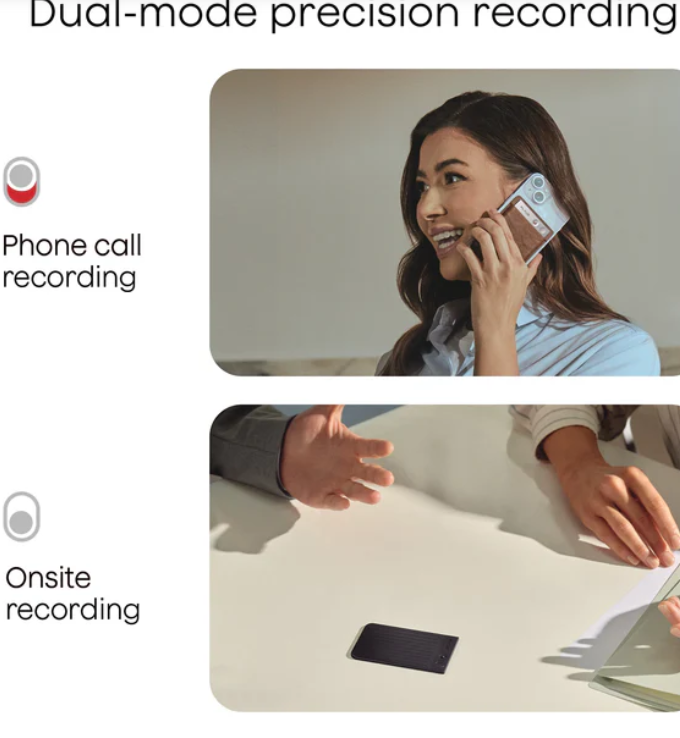
    When compared to the built-in recording functions found on smartphones, the Plaud Note’s key advantages lie in its “independence” and “professionalism.” Smartphone recordings are easily interrupted by incoming calls and suffer from a limited pickup range. As a standalone device, the Plaud Note supports one-touch recording—simply double-tap the side button to start or pause—without the need to unlock a phone. This makes it ideal for field recording, offering a solution that is both discreet and efficient.

    Purchase Recommendations: Who Should Buy?

    Based on extensive testing, we have compiled the following recommendations to help consumers determine whether the Plaud Note is the right fit for them:

    Recommended For:

    • Media Professionals and Journalists: Those who require fast, reliable recording of interviews and prioritize portability—needs that the Plaud Note fulfills perfectly.
    • Business Professionals and Meeting Attendees: Individuals who frequently attend in-person meetings and require efficient note organization; the Plaud Note’s AI summarization feature can significantly boost productivity.
    • Students and Academic Researchers: For whom recording lectures and seminars is essential; the device’s search and annotation features streamline the subsequent review and data organization processes.
    • Creative Professionals: Those for whom capturing inspiration on the go is critical; the Plaud Note’s one-touch recording feature eliminates the distractions often caused by cumbersome device operation.

    Not Recommended For:

    • Professional Music Recording Users: Although it supports 24-bit/48kHz recording, it is not designed as a professional music production tool. Its noise floor control does not match that of high-end professional recorders costing tens of thousands of dollars.
    • Users Requiring Long-Distance Recording: Traditional recorders equipped with directional microphones are better suited for capturing audio from a distance—such as during stage performances, large-scale court hearings, or crowded conferences.
    • Users Sensitive to Subscription Models: While basic features are available for free, access to certain advanced AI models or unlimited transcription services may require an ongoing subscription. Consumers should consult Plaud’s latest official pricing policy prior to purchase. Conclusion: A Worthwhile Investment in AI-Powered Productivity

    The Plaud Note is not a flawless device; its physical design presents certain limitations regarding long-distance audio recording. However, its core concept—the seamless fusion of “AI recording” and “smartphone accessory”—points toward the future direction of smart hardware. It is more than just a voice recorder; it serves as a personal AI assistant that attaches directly to your phone, designed to streamline information processing and save you precious time.

    For consumers seeking a device that integrates seamlessly into their daily lives while significantly boosting information processing efficiency, the Plaud Note stands out as a highly competitive product on the market. When making a purchase, we recommend prioritizing the 64GB version and keeping an eye out for official promotional offers to maximize the value of your investment. In today’s new landscape of AI-driven productivity, the Plaud Note is undoubtedly a worthwhile investment for users who prioritize “working smarter, not harder.”

  • Petkit AI Visual Dual-Compartment Smart Feeder

    Petkit AI Visual Dual-Compartment Smart Feeder

    In today’s booming smart pet products market, PETKIT, with its consistent minimalist design and technological innovation, has launched its highly anticipated new generation of AI-powered visual dual-compartment smart feeder. This product not only continues the brand’s advantages in the field of automatic feeding, but also redefines the standard of “smart feeding” through core functions such as AI visual recognition, independent dual-compartment control, and high-definition remote monitoring.

    This article will provide potential users with a detailed purchase guide from multiple dimensions, including appearance design, core functions, technical parameters, user experience, and cost-effectiveness.

    I. Appearance and Structural Design: Balancing Aesthetics and Practicality

    Petkit AI Visual Dual-compartment Smart Feeder
    Petkit AI Visual Dual-compartment Smart Feeder

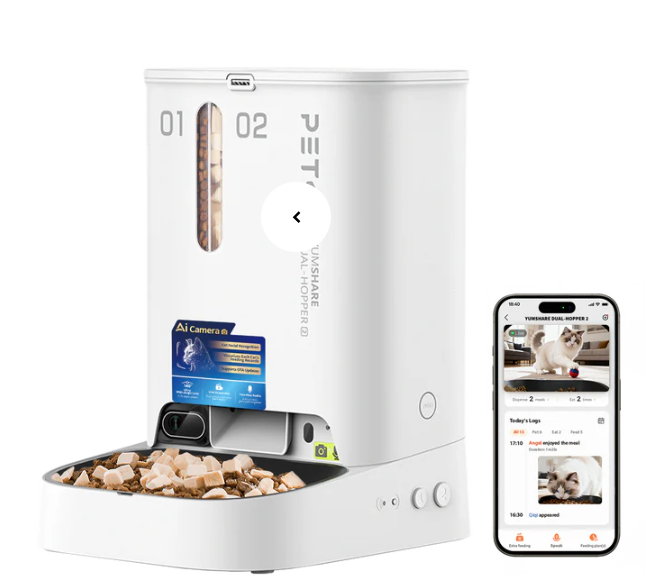
    The new generation of Petkit AI Visual Dual-Compartment Smart Feeder features a minimalist Nordic design, with a matte white ABS body and a gray silicone anti-slip base. Its sleek lines allow it to easily blend into modern home environments. Measuring 350mm × 230mm × 420mm and weighing approximately 3.8kg, its moderate size offers ample storage capacity without taking up too much space. The dual-compartment structure is the biggest highlight of this generation – each of the two independent compartments can hold 3L of dry food (6L total), supporting the simultaneous storage of two different brands, flavors, or types of pet food, meeting the needs of multi-pet households or those requiring mixed feeding. Each dispensing spout is equipped with an independent spiral feeding device to effectively prevent food jamming and ensure accurate dispensing.

    II. Core Technical Parameters: AI Vision + High-Definition Visualization + Multiple Protections

    This feeder features a 1080P full-color HD camera with a 120° ultra-wide-angle view. Combined with built-in infrared night vision, it allows for clear monitoring of your pet’s eating behavior even in complete darkness. The camera supports two-way voice communication, allowing owners to remotely call their pets via a mobile app, enhancing interactivity. More importantly, the device integrates an AI visual recognition system that intelligently identifies whether a pet is near the food bowl, whether they have finished eating, and can even preliminarily determine if the pet’s eating behavior is abnormal (such as prolonged periods without food or frequent unusual contact with the food bowl). It then sends notifications via the app to help owners monitor their pet’s health.

    Petkit APP Linkage Control
    Petkit APP Linkage Control

    In terms of feeding control, the device supports precise dispensing starting from 0.5g (maximum dispensing amount per serving is 30g). Users can freely set feeding plans of 1 to 10 meals per day in the app, with each meal accurate to the minute. The dual compartments can be set with independent feeding programs for personalized feeding. A built-in high-precision weighing sensor monitors the remaining food in real time and automatically reminds the user to replenish food when it is low. In addition, the device is equipped with a backup battery (approximately 8 hours) to maintain basic operation even in the event of a power outage, ensuring that pets are fed on time.

    III. Smart Interconnection and App Experience

    The Petkit feeder is compatible with both iOS and Android systems and is managed through its dedicated “PETKIT” app. The app interface is simple and intuitive, supporting features such as remotely viewing live feeds, playback of recordings from the past 7 days (requires a cloud storage service subscription), setting feeding schedules, and receiving alerts for unusual behavior. Notably, the AI recognition function requires no additional hardware; all image processing is done locally, balancing privacy and efficiency. The device supports 2.4GHz Wi-Fi connectivity, and the network setup process is simple, taking only 3 minutes for initial setup.

    Petkit-Monitoring the Pet's Condition
    Petkit-Monitoring the Pet’s Condition

    IV. Safety and Cleaning Maintenance

    With pet health in mind, all parts in contact with the food are made of food-grade 304 stainless steel and FDA-certified materials, which are non-toxic, odorless, corrosion-resistant, and easy to clean. The dual-compartment, detachable design facilitates thorough cleaning, preventing mold or odor residue. The food dispensing channel features a closed structure, effectively preventing moisture and insects and ensuring food freshness. Furthermore, the equipment is equipped with multiple safety mechanisms, including an anti-jamming alarm, motor overload protection, and a child lock mode, providing added peace of mind.

    V. Price and Cost-Effectiveness Analysis

    Currently, the official price of the Petkit [Next Generation AI Visual] Dual-Compartment Smart Feeder is $169. Compared to similar dual-compartment smart feeders on the market (generally priced between $220 and $280), this product demonstrates significant advantages in AI visual recognition, independent control of both compartments, high-definition visual monitoring, and precise feeding. Especially for users with multiple pets who require differentiated feeding or wish to remotely monitor their pets’ eating habits, the $169 price tag offers excellent value.

    VI. Target Audience and Purchase Recommendations

    This feeder is especially suitable for the following types of users:

    • Multi-pet households need to feed different breeds or have different dietary needs of pets at the same time;
    • Busy working professionals who frequently travel for work hope to achieve remote, timed, and quantitative feeding.
    • We are concerned about pet health and hope to detect abnormalities in a timely manner through AI behavior recognition.
    • They are pursuing a smart home experience and hope to integrate pet devices into the overall IoT ecosystem.

    Of course, if you only have one pet and its diet is monotonous, a basic single-compartment model might be more economical. However, if your budget allows, a dual-compartment model with AI-powered visual monitoring undoubtedly provides a more comprehensive and intelligent feeding solution.

    Petkit-Data Monitoring
    Petkit-Data Monitoring

    Conclusion

    The Petkit [Next Generation AI Visual] Dual-Compartment Smart Feeder is not just an automatic feeding device, but also a pet care platform integrating health management, remote interaction, and intelligent reminders. With its robust hardware configuration, innovative AI vision capabilities, and reasonable price point ($169), it stands out in the current smart pet feeder market and is worth serious consideration for users who value pet welfare and quality of life. If you’re looking for a smart feeder that’s both “visible” and “intuitive,” then this new Petkit product might just be the answer for you.