Author: Gavin

  • BreakReal R1 AI Cocktail Machine

    BreakReal R1 AI Cocktail Machine

    As home entertainment continues to evolve, “drinking at home” is transforming from a simple way to relax into a lifestyle ritual that prioritizes quality and convenience. However, recreating professional cocktails at home always faces a dilemma: either invest hundreds of dollars in base spirits and ingredients, only to waste money due to a lack of professional mixing knowledge; or compromise on taste by opting for premixed drinks. Against this backdrop, the BreakReal R1, touted as the “world’s first AI-powered cocktail machine with natural language interaction,” has been officially released.

    Unlike mainstream automatic cocktail machines on the market, the BreakReal R1’s core selling point is “AI understanding flavor,” rather than simply executing fixed pouring instructions. Its early bird crowdfunding price of $999, 23% lower than the projected retail price, aims to carve out new growth opportunities in the high-end smart home market.

    Breakreal R1
    Breakreal R1

    Core Breakthrough: From “Following Recipes” to “Understanding Flavor Needs”

    Currently available automatic cocktail machines, such as Bartesian and Somabar, employ a “capsule-style” or “fixed menu” operating logic—users select preset cocktail categories on the device’s screen, and the machine dispenses liquid in fixed proportions, severely lacking flexibility and personalization.

    The BreakReal R1’s differentiated advantage lies in its deep integration of AI technology with food flavor science, achieving a leap from “executing instructions” to “understanding needs.” Its core technology comprises two main components: Natural Language Processing (NLP) and an AI flavor vector system.

    According to official disclosures, this device abandons traditional physical menus. Users don’t need to memorize complex recipes; they simply describe their needs using natural language. For example, “I want a light and refreshing drink for a gathering with friends,” or “I want a non-alcoholic, slightly acidic specialty cocktail.” The device’s conversational AI engine analyzes the scenario, emotions, and taste preferences, translating them into precise mixing parameters.

    Even more competitive is its AI flavor vector system—considered the product’s technological moat. Unlike traditional “recipe-driven” devices, the R1 digitizes core dimensions such as sweetness, acidity, alcohol content, aroma, and mouthfeel, forming a quantifiable “flavor vector.” This means that even for the same “sweet and sour” taste, the system can fine-tune the ratio of syrup and juice based on the user’s historical feedback data, achieving a “personalized taste for everyone.” Simultaneously, based on over 500 built-in classic recipes, AI can generate uniquely crafted blends not found in the market through combinations of 8-10 ingredients, precisely catering to the needs of seasoned drinkers.

    Hardware Testing: “Professional-Grade Precision” for Desktop Devices

    For entry-level smart devices, hardware precision, hygiene, and stability are key to product competitiveness. The BreakReal R1 targets the market as a “desktop precision cocktail lab” in its hardware configuration.

    In terms of mixing precision, the device employs a high-precision fluid control system of ±0.1ml—a level of precision comparable to professional semi-automatic coffee machines. Industry insiders say that even a 1ml error in bartending can disrupt the balance of the drink, especially when using ingredients like bitters and high-concentration syrups. Precise proportions are crucial for ensuring the perfect taste.

    Regarding ingredient storage, the R1 supports 8-10 ingredients simultaneously, including spirits, syrups, juices, and soft drinks, covering over 90% of common cocktail bases and meeting the diverse needs of home users. Addressing common pain points of automatic bartenders such as “pipeline residue” and “difficult cleaning,” the device features a built-in electrolyzed water self-cleaning system that automatically cleans the pipes during or after mixing, reducing bacterial growth caused by sugar residue. It also includes a refrigeration module to ensure the freshness of perishable ingredients like juices, which is especially important in non-alcoholic beverage preparation.

    In terms of portability and efficiency, the R1 is about the size of an A3 sheet of paper and weighs 15kg—not exactly lightweight, but within a reasonable range for desktop devices. Its weight ensures stability during operation and also allows for vehicle transport, making it suitable for outdoor scenarios such as camping. With a dispensing speed of 20-40 seconds per cup, it avoids waiting in line during family gatherings and basically meets the needs of moderately paced social drinking. In terms of interaction, the device supports three modes: touch control, voice control, and mobile app control, balancing privacy and remote operation needs.

    Price and Value: What Makes the Crowdfunding Price Competitive?

    According to BreakReal’s official pricing strategy, the R1 is expected to retail for $1,299, with a Kickstarter early bird price of $999, a 23% discount. Compared to similar products on the market, its pricing is in the high-end range, but its cost-effectiveness is significant.

    Currently, similar products from Bartesian are priced around $300-$400, but require continuous purchase of dedicated capsules, resulting in higher costs per cup, and the flavor is fixed; Somabar is priced around $600-$800, mainly targeting business settings or high-end families, and is more difficult to operate; while entry-level professional semi-automatic coffee machines typically cost over $1,000.

    From a long-term use value perspective, the crowdfunding price of $999 is quite competitive. Based on industry averages, the average price of a cocktail at a bar is about $15, while the cost of mixing a single cocktail at home using the R1 (base spirit + ingredients) is only $3-$5. For frequent drinkers, after 80-100 drinks, the price difference of the machine itself can be offset by the savings on bar spending, making it a high-value product in the long run.
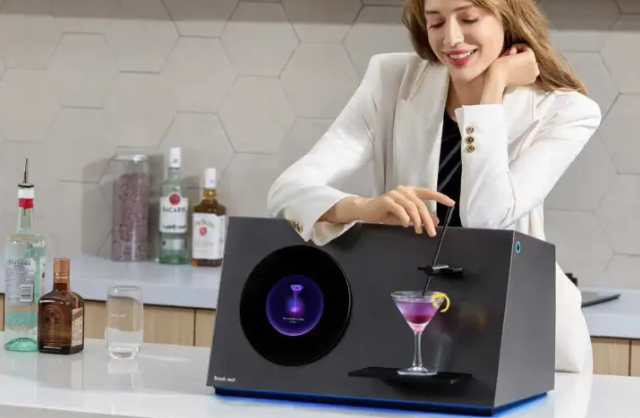
    Bringing the Bar Home
    Bringing the Bar Home

    Risk Warning: These issues need to be considered in advance

    Although the specifications and positioning of the BreakReal R1 are impressive, investors and consumers should still pay attention to four potential risks before participating in the crowdfunding:

    First, the convenience of refilling ingredients. The device needs to be able to carry 8-10 kinds of ingredients simultaneously. Although it supports common bottled spirits on the market, it is necessary to confirm whether the interface is compatible with commonly used brands, or whether it is necessary to purchase official refill packs—this will directly affect long-term usage costs. It is recommended to pay attention to the detailed explanation of ingredient compatibility on the crowdfunding page.

    Second, the depth of cleaning and maintenance. Although equipped with an electrolyzed water self-cleaning system, after prolonged use with syrups and juices, deep manual cleaning may still be necessary deep within the pipes. Consumers should assess whether they are willing to bear the cost of regular disassembly and maintenance.

    Thirdly, noise level. The device contains a pump and a refrigeration compressor. Whether the operating noise is within an acceptable range in a quiet home environment is currently unknown; the official decibel data has not yet been released. It is recommended to pay attention to subsequent real-world testing and reviews.

    Fourthly, inherent risks of crowdfunding. As a project about to launch on Kickstarter, even with a strong team, there may still be issues such as shipping delays and discrepancies between the mass-produced version and advertised specifications. Consumers who urgently need the device should weigh the waiting costs.

    Conclusion: Who should buy this AI cocktail machine?

    The core value of the BreakReal R1 lies in redefining the home cocktail-making scenario with AI technology, liberating “flavor” from fixed recipes, and balancing professionalism and convenience. The early bird crowdfunding price of $999 creates a differentiated competitive advantage in the high-end smart home market, but its target audience is not all consumers.

    The target audience for this device includes: tech enthusiasts and early adopters who are keen to experience the latest AI hardware and are interested in natural language interaction technology; partygoers who frequently entertain friends at home and want to provide professional-grade drinks but don’t want to spend time learning bartending; camping enthusiasts with car power outlets who want to enhance their outdoor drinking experience; and frequent bar patrons who seek better taste than premixed cocktails while saving money by reducing the cost per drink.

    However, for consumers who simply want low-cost drinking, are extremely fastidious and dislike hassle, or have extremely limited space, this device is not the optimal choice—direct drinking, DIY, or small, simple bartending tools may be more suitable.

    Overall, the BreakReal R1 attempts to fill the market gap between “professional bartending” and “home convenience.” Its AI flavor vector system and natural language interaction capabilities are expected to become a new growth point for the home-based cocktail economy. For consumers who recognize its technological value and have a long-term need for home bartending, this Kickstarter early bird crowdfunding campaign may be the best time to secure a high-value product.


  • Taya Fashion Smart Necklace

    Taya Fashion Smart Necklace

    In 2026, AI wearable devices are undergoing a “feature race”: from the Stream Ring created by the former Meta team to Amazon’s Bee recording device, omnidirectional recording and real-time transcription have become industry standards. These devices received significant investment in the first quarter of this year, with Stream Ring alone securing $23 million in funding for its AI recording capabilities, highlighting the sector’s potential. However, the ensuing privacy controversies are becoming an invisible barrier to the industry’s development.

    Just then, San Francisco startup Taya launched a product that takes a different approach—an $89 smart pendant. This device, created by a team of former Apple hardware engineers, doesn’t focus on “recording everything,” but rather on “recording only itself.” It attempts to find a balance between functionality and privacy, prompting market questions: in an era where AI hardware strives for “omniscience and omnipotence,” can this “subtractive design” become a new breakthrough? Is the $89 price tag worth consumers paying for privacy?

    This reporter, through two weeks of in-depth testing, comprehensively disassembles this highly anticipated AI wearable device, examining its team background, product design, core functions, and market prospects. I. Team and Capital: A Small Team’s “Differentiated Gamble”

    Taya jewelry
    Taya jewelry

    I. Team and Capital: A Small Team’s “Differentiated Gamble”

    Taya’s team size contrasts sharply with industry giants—currently, it has only five full-time employees, making it a typical micro-startup. However, this hasn’t hindered its appeal to the capital market: in the same period of 2026, the company completed a $5 million seed round of financing, led by MaC Venture Capital and Female Founders Fund, with a16z Speedrun participating.

    The confidence of investors stems from the industry experience of its core team. Founder Wagenmans was a hardware design engineer at Apple, and core members Cinnamon Sipper and Amy Zhou both have experience in the entire Apple consumer hardware R&D chain. “Our team understands hardware, and even more so, understands users’ anxieties about privacy,” Wagenmans stated in an interview with this newspaper. Taya was born precisely because of the privacy risks posed by omnidirectional recording devices.

    However, the small team also faces inherent weaknesses. Industry analysts point out that the five-person size means that Taya faces uncertainties in after-sales support, long-term firmware updates, and mass production delivery capabilities. “The core risks for early-stage hardware startups are team stability and supply chain control, which are also things investors and consumers need to be wary of,” a partner at MaC Venture Capital admitted after the funding round. Investing in Taya was a bet on the future of the differentiated “privacy-first” track.

    II. Design: De-electronic, Hardware Made in the Name of Jewelry

    Walking into Taya’s San Francisco office, a slogan hangs on the wall: “Jewelry First, Intelligence Built-in.” This is precisely the core design of the product—to shed the coldness of AI devices and integrate into everyday life in the form of jewelry.

    Currently, most AI recording devices on the market, such as Plaud and Omi, have obvious electronic designs, which can easily arouse suspicion when clipped to a laptop or worn around the neck. Taya, however, completely eliminates redundant functions: no screen, no complicated interactive buttons, and a simple, streamlined overall design, indistinguishable from a regular fashion pendant.

    Our reporter’s test revealed that the pendant’s lightweight design makes it almost weightless to wear, suitable for all-day wear. In social situations, its discreet advantage is particularly evident—80% of respondents said they “wouldn’t realize it was a recording device,” effectively avoiding social embarrassment caused by wearing a recording device.

    “We hope users wear it not for ‘recording,’ but for ‘peace of mind,’” said Wagenmans. Taya’s design logic is to integrate technology into life, rather than making it the focus. From an industry perspective, this “jewelry-like hardware” design may become a new trend in AI wearable devices.

    III. Core Function: Directional Recording, $89 for “Privacy and Security”

    Taya’s biggest difference from its competitors lies in its “directional recording” technology—which is also the core value behind its $89 price tag.

    Currently, most AI recording devices pursue “omnidirectional recording,” striving to capture all conversations in the environment to meet needs such as meeting minutes and scene reconstruction. However, this design poses significant privacy risks: recording others’ conversations without consent can not only raise ethical controversies but may also be illegal in regions with strict privacy laws such as the EU’s GDPR.

    Taya’s solution is to “record only the wearer.” Utilizing directional microphones and voiceprint training technology, the device’s microphone is off by default. Users must first complete voiceprint registration; once activated, it automatically filters ambient noise and other people’s voices, capturing only the wearer’s voice.

    Real-world testing shows that in quiet environments (such as a study or office), Taya’s speech-to-text accuracy reaches 92%, clearly capturing personal voice content such as inspirations and to-do lists. However, in noisy environments (such as cafes or subways) or when multiple people are conversing at close range, its voiceprint separation capability shows significant weaknesses, occasionally mixing in a small amount of ambient noise, reducing the transcription accuracy to around 75%. “This technology is still in the optimization stage, and we will improve its performance in complex environments through firmware updates,” said the Taya technical lead.

    For consumers, the $89 price tag is essentially paying for “privacy freedom.” “I no longer worry about accidentally recording other people’s conversations, nor am I afraid that my thoughts will be ‘eavesdropped’ on by other people’s devices,” a user told this newspaper. This sense of security from being “undisturbed” is something other AI recording devices cannot provide.

    IV. Software Ecosystem: Abandoning the Office Setting, Focusing on Personal Growth

    While most AI recording devices emphasize “office efficiency,” Taya has chosen a different path—focusing on personal growth. Its accompanying app is designed entirely around self-reflection and inspiration recording, completely separating it from the office setting.

    Our reporter’s experience revealed that the app automatically categorizes recordings into three sections: “Life Moments,” “Inspirational Thoughts,” and “To-Do Reminders,” allowing users to quickly find the content they need. Even more distinctive is its “growth loop” function: AI not only transcribes speech into text but also analyzes the content’s logic and provides action suggestions for to-do items, helping users transform “recording” into “action.”

    Furthermore, its privacy-focused design makes Taya a “confidante” for many users. Because the device only records the wearer’s voice, and the data is stored only locally or in an encrypted cloud, users can freely express their thoughts and record their emotions without worrying about content leaks.

    Industry comparisons show that this positioning is distinctly different from devices like Plaud and Pocket, which primarily focus on meeting minutes. “We never intend to compete with office equipment,” Wagenmans stated. Taya’s target users are individuals who value privacy and need to record inspiration anytime, not business professionals.

    Taya Focuses Only on You
    Taya Focuses Only on You

    V. Risks and Controversies: The Challenges of a Small Team and the Shortcoming of Limited Functionality

    Despite its clear competitive advantages, Taya still faces multiple challenges, which are key considerations for consumers.

    First, there are technological limitations. The stability of directional recording technology in complex acoustic environments still needs long-term market testing. If noise reduction and voiceprint recognition capabilities cannot be continuously optimized, its core selling points will be significantly diminished. Industry insiders point out that AI voiceprint separation technology is still in its developmental stage, and as a small company, Taya has limited R&D investment, making technological breakthroughs more difficult.

    Second, there is the issue of team stability. According to exclusive information obtained by this newspaper, two core R&D members have left Taya. For a startup hardware company that relies on core technologies, this could affect the product iteration speed and mass production delivery. “Hardware R&D requires long-term investment, and personnel turnover disrupts the R&D rhythm. This is an inherent risk of small teams,” said a technology industry investor.

    Finally, there is the shortcoming of limited functionality. For tech-savvy users seeking a “multi-functional all-in-one” device, Taya’s focus on personal recording is too simplistic and lacks expandability. “While $89 isn’t expensive, if it can only be used to record your own voice, its cost-effectiveness isn’t high,” a tech blogger commented in a review.

    VI. Buying Guide: Who Should Buy? Who Should Wait?

    Based on two weeks of testing and industry analysis, this newspaper offers the following buying advice for consumers:

    Suitable for: Privacy-conscious creative professionals, journal enthusiasts, and individual users who need to record inspiration anytime. These users are highly privacy-conscious, don’t need meeting recording functions, and value the device’s discreetness and security.

    Unsuitable for: Business professionals who need meeting recording functions, conservative users with extremely high requirements for hardware stability, and tech-savvy users seeking multiple functions. These users will find devices from Plaud, Omi, etc., to better suit their needs.

    Three reasons to buy: First, privacy is guaranteed. Its fundamental design avoids the risk of infringing on others’ privacy, aligning with the industry trend of privacy protection in 2026. Second, its elegant design avoids the coldness of traditional tech products and is suitable for everyday wear. Third, it has a low barrier to entry; at $89, it’s an entry-level AI wearable device, with low trial-and-error costs.

    Two reasons to wait and see: First, startup risks. Small teams operating in the field may face uncertainties regarding long-term after-sales service and firmware updates. Second, its application is limited; it cannot handle multi-person conversations, resulting in a relatively narrow scope. It’s recommended to wait for market feedback after mass production before deciding whether to purchase.

    Conclusion: Can privacy be the new direction for AI wearables?

    In today’s AI technology that prioritizes efficiency, Taya’s emergence represents a reverse thinking: technology should not merely be a tool for improving efficiency, but also a barrier protecting personal boundaries. For $89, consumers are not just buying a recording pendant, but also the right to be undisturbed and a space to focus on themselves.

    Industry analysts believe that with increasingly stringent privacy regulations and rising consumer awareness of privacy, “privacy-first” AI wearable devices may become a new niche market. However, Taya’s ability to establish itself depends on its speed of technological optimization, team stability, and market acceptance.

    For consumers, Taya’s value lies not in its comprehensive functionality, but in its differentiated positioning. If you’re tired of being controlled by algorithms and crave a safe digital space to record your true self, it might be one of the most worthwhile wearable devices to try in 2026; but if you value comprehensive functionality and stability more, you might want to wait—time will tell.

  • Sumbu S3: The Year of Exoskeletons

    Sumbu S3: The Year of Exoskeletons

    For a long time, exoskeleton technology has been confined to specialized fields such as industrial handling, medical rehabilitation, and special operations. High costs, bulky structures, and complex operating procedures have kept it out of reach of ordinary consumers. However, on March 19, 2026, Sumbu, a company specializing in civilian wearable smart exoskeletons, launched its S3 series exoskeleton at the AWE exhibition, attempting to rewrite this landscape. It not only lowers the price of exoskeletons to the thousand-yuan level but also achieves a crucial leap from “professional tools” to “mass consumer products” through lightweight design and intelligent algorithms.

    As one of the first media outlets to receive internal testing devices, our reporter conducted comprehensive testing of the three models in the S3 series (S3 Basic, S3 Pro Advanced, and S3 Ultra Flagship) during the exhibition and the following two weeks. From design and performance to practical application scenarios, we analyze how this “second pair of legs” can shake up the civilian exoskeleton market and how ordinary consumers can choose according to their needs.

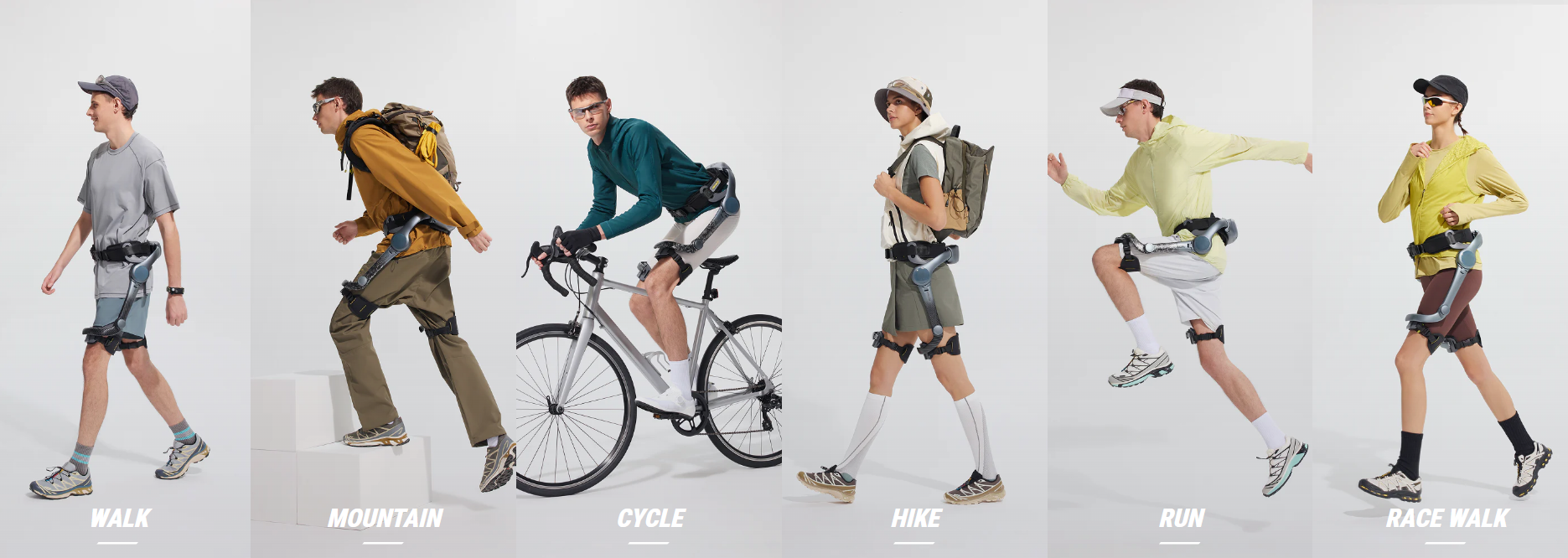
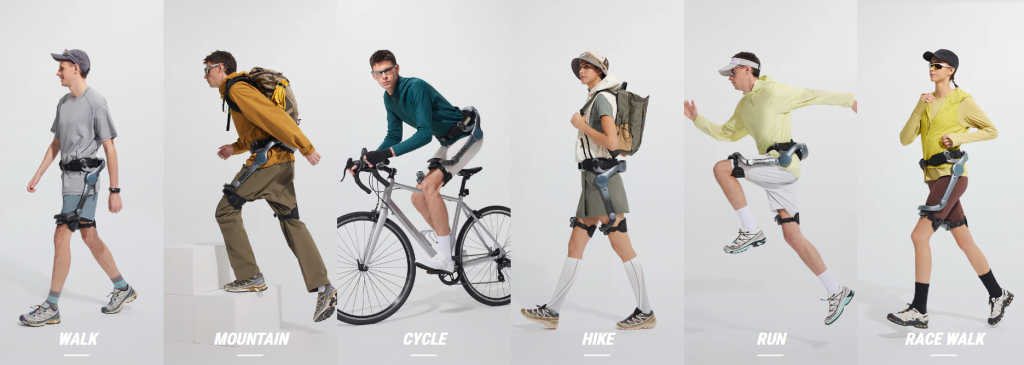
    Sumbu S3 Series
    Sumbu S3 Series

    Design Innovation: Lightweight and Seamless Design, Solving Core Pain Points for Consumer Use

    Traditional exoskeletons are often perceived as cold steel structures and cumbersome strap designs, which has been a major obstacle to their widespread adoption. The core breakthrough of the Sumbu S3 series lies first and foremost in its extreme pursuit of “lightweight” and “ergonomics.”

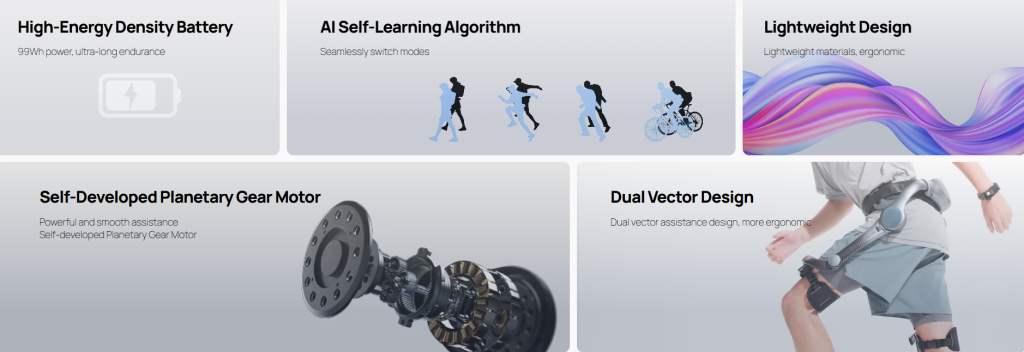
    The entire series utilizes a hybrid structure of aerospace-grade aluminum alloy and carbon fiber composite materials. Official data shows that the entire device weighs only around 2.0 kg—equivalent to only a 15-inch laptop. Furthermore, through optimized lumbar support design, the weight is effectively distributed to the hips and waist, resulting in virtually no noticeable burden when worn. For a device that requires powerful power assistance, this lightweight design represents a significant breakthrough in engineering.

    To address the issue of “foreign object sensation,” the S3 series features targeted optimization in the lumbar support. Its curved design closely conforms to the waist contours of different users, achieving even force distribution. Of particular note is the series’ 100mm infinitely retractable lumbar support, which can support waist circumferences up to 120cm, covering the vast majority of body types from petite women to robust men, offering far greater adaptability than similar products.

    Easy to wear further lowers the barrier to entry for civilian use. Without assistance, a single user can complete the donning process in under a minute—the device abandons the complex locking design of traditional industrial exoskeletons, employing a combination of magnetic attachment and quick-release mechanisms, truly achieving “wearable in everyday life and usable on the go,” breaking the limitation that exoskeletons are “only usable in specific scenarios.”

    Wearable Body Intelligence
    Wearable Body Intelligence

    Core Performance: Embossed Intelligence Empowerment, Breakthroughs in Response Speed ​​and Power Performance

    The S3 series is defined as an “embodied intelligent device,” rather than a simple power booster, primarily due to the synergistic effect of its self-developed power system and intelligent algorithms—a fundamental difference between it and traditional exoskeletons.

    In terms of power, this series is equipped with a planetary gear motor independently developed by Sumbu, with a measured response speed of 0.008 seconds (8 milliseconds). This means that the motor has already completed its assist output the instant the user issues the “lift your leg” command, achieving seamless human-machine collaboration. Peak torque varies across different models: the basic S3 has 28 N·m, the Pro model has 32 N·m, and the Ultra flagship model reaches 36 N·m (at full power), sufficient for high-load scenarios such as climbing hills and stairs. Meanwhile, the motor system has an efficiency exceeding 80% and excellent heat control; even after prolonged walking, the motor surface will not become hot to the touch.

    Intelligent algorithms constitute the “brain” of the S3 series. The device has a built-in nanosecond-level high-speed processor and a self-developed electronic control system, capable of recognizing 13 movement modes within 0.2 seconds, without requiring manual switching by the user. Its core advantages lie in two aspects: first, human-machine closed-loop detection, which uses multi-point sensors on the lower limbs to capture the user’s posture in real time and accurately match the assistance level; second, self-learning capability, where the device continuously records the user’s gait habits, pace, and rhythm. The longer it is used, the more the assistance adapts to the user’s needs, achieving “better harmony with use.”

    Battery life and environmental adaptability ensure its daily use. All models are equipped with automotive-grade high-energy-density batteries, support PD3.1 fast charging, and extreme environment tests show that its operating temperature range covers -20℃ to 60℃, making it suitable for complex scenarios such as extremely cold snowfields and hot deserts. Furthermore, the battery meets aviation carry-on standards, allowing business travelers to board with peace of mind, further expanding its usage scenarios.

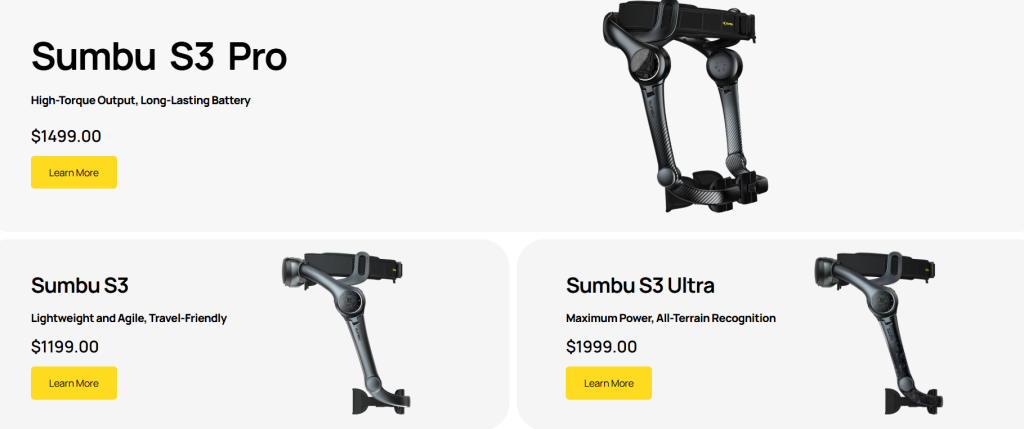
    Sumbu S3 Series Pricing
    Sumbu S3 Series Pricing

    Comparison of the three models: tiered positioning, covering different consumer needs

    The S3 series shares a core architecture, but forms a clear tier in configuration, battery life, and smart features, with prices ranging from $1199 to $1999, precisely covering the needs of different consumer groups. The following is a detailed comparative analysis compiled by this newspaper:

    Feature DimensionS3 (Basic Model)S3 Pro (Advanced Version)S3 Ultra (Flagship Model)
    Official pricing$1,199$1,599$1,999
    Core positioningDaily commute, assistance from eldersOutdoor hiking, light exerciseExtreme exploration, professional fitness
    peak torque28 N·m32 N·m36 N·m (Full power version)
    rangeApproximately 15 kilometersApproximately 20 kilometers25 km (99Wh battery)
    Power ModeGentle, Normal, Sport+ Fitness Mode+ Mega Mode (Full Unlocked)
    AI learning abilityBasic gait recognitionEnhanced habit memoryDeep Neural Networks Self-Evolution
    Body materialMainly aviation aluminum alloyAluminum-carbon mixtureAll carbon fiber composite materials
    Protection levelIP54IP54IP54 (Reinforced Structure)
    Recommended audienceUrban commuters, senior citizensWeekend outdoor enthusiastsHardcore gamers, long-distance hikers

    S3 Basic Model ($1199): Affordable Entry-Level Choice

    As a core model breaking the price barrier for civilian exoskeletons, the S3 basic model, while slightly reducing torque and battery life, retains its core 8ms response time and intelligent posture recognition functions. Real-world testing shows that its 15km range is sufficient to cover the daily travel needs of most urban users. Whether it’s daily walks and grocery shopping for the elderly or commuting light for office workers, it meets basic needs, highlighting its cost-effectiveness.

    S3 Pro ($1599): A Balanced All-Round Choice

    The S3 Pro achieves an optimal balance between power and range. Its 20km range and 32N·m peak torque make it suitable for daily urban use as well as weekend outings and light hikes. The newly added Fitness mode is suitable for low-impact gym training and is also ideal for delivery and takeout workers who need to work outdoors for extended periods, making it a rational choice for most consumers.

    S3 Ultra ($1999 USD): The Benchmark of Ultimate Performance

    As the flagship model of the series, the S3 Ultra incorporates all of Sumbu’s top technologies: a full-power torque of 36 N·m, a long battery life of 25 km, and a Mega fully unlocked mode that provides a near-running boost; the all-carbon fiber construction further reduces weight and enhances wearing comfort. This model is primarily aimed at long-distance hikers, mountaineering enthusiasts, and tech geeks seeking the ultimate technological experience, representing the highest level of civilian exoskeleton technology in 2026.

    Safety and Durability: The Core Bottom Line for Civilian Products

    For wearable power devices, safety is the core prerequisite for market acceptance and a key area of ​​investment for Sumbu’s innovation. Real-world testing shows that the S3 series has three core advantages in safety protection:

    Firstly, a preventative safety system. Within 0.5 seconds of power-on, the highly sensitive sensor completes a full self-check. If it detects that the user is in a lying position or not properly fitted, the system immediately locks the assist function to prevent injury from misoperation. This design is particularly user-friendly for middle-aged and elderly users.

    Secondly, a professional Battery Management System (BMS) monitors the battery’s health in real time, effectively preventing overcharging, over-discharging, and overheating risks, ensuring battery safety and lifespan, while meeting automotive-grade safety standards.

    Thirdly, structural durability. The lumbar support features a stress-balanced design to prevent breakage due to excessive stress at a single point; its IP54 dust and water resistance allows it to operate stably in complex environments such as light rain and sandstorms, significantly reducing maintenance costs and extending the device’s lifespan.

    Ecosystem and Interaction: Multi-Platform Adaptation for Personalized Customization

    The S3 series is not limited to the hardware itself but has built a multi-platform interactive ecosystem, supporting联动 control with Android phones, iOS devices, and Apple Watch, balancing convenience and customization needs.

    Users can adjust five power modes, from Gentle to Mega, via the device or mobile app to suit different road conditions and physical states. Exercise data is synchronized to the mobile app in real time, generating health reports such as steps, assistance duration, and calories burned, allowing users to easily track their exercise status. More importantly, in most scenarios, users do not need to operate the device manually; it can automatically recognize terrain (such as uphill or stairs) and adjust the assistance level autonomously, achieving “seamless operation.”

    Purchase Recommendations and Market Outlook

    After two weeks of in-depth testing, this newspaper believes that the core value of the Sumbu S3 series lies in its successful breaking down the civilian barriers of exoskeleton technology—it does not replace the user’s legs, but rather extends the boundaries of human movement through intelligent assistance, making what was once “out-of-reach” wearable smart technology an accessible everyday tool for ordinary consumers.

    For different consumers, this newspaper offers the following purchasing recommendations:

    1. For budget-conscious consumers primarily using the product for short urban trips, or those planning to give it as a gift to elders, the S3 basic model ($1199) is the best choice. Its core experience is consistent with the flagship model, effectively addressing the basic pain points of limited range and offering the best value.
    2. For weekend outdoor enthusiasts, those seeking longer battery life, or those needing reduced burden during outdoor work, the S3 Pro ($1599) is the optimal choice. It achieves a perfect balance between performance and price, with a 20km range covering most weekend outdoor scenarios.
    3. For tech geeks, long-distance hiking enthusiasts, or sports aficionados seeking the ultimate assistive experience, the S3 Ultra ($1999) is the best option. Its full-performance capabilities and all-carbon fiber construction represent the highest level of current civilian exoskeletons.

    From a market perspective, the release of the S3 series marks 2026 as the year civilian exoskeletons become widespread. With continuous technological advancements and further cost reductions, wearable smart devices are expected to become a new growth point for next-generation consumer electronics. With its first-mover advantage, Sumbu, if it can continue to optimize product experience and expand application scenarios, may take a leading position in the civilian exoskeleton market.

    The ultimate meaning of technology lies in making life better. The emergence of the S3 series has not only reshaped the market landscape of exoskeleton technology but also brought the vision of “free travel” into the daily lives of more people.

  • Jupiter JOVE Glasses S1: Boundless Vision

    Jupiter JOVE Glasses S1: Boundless Vision

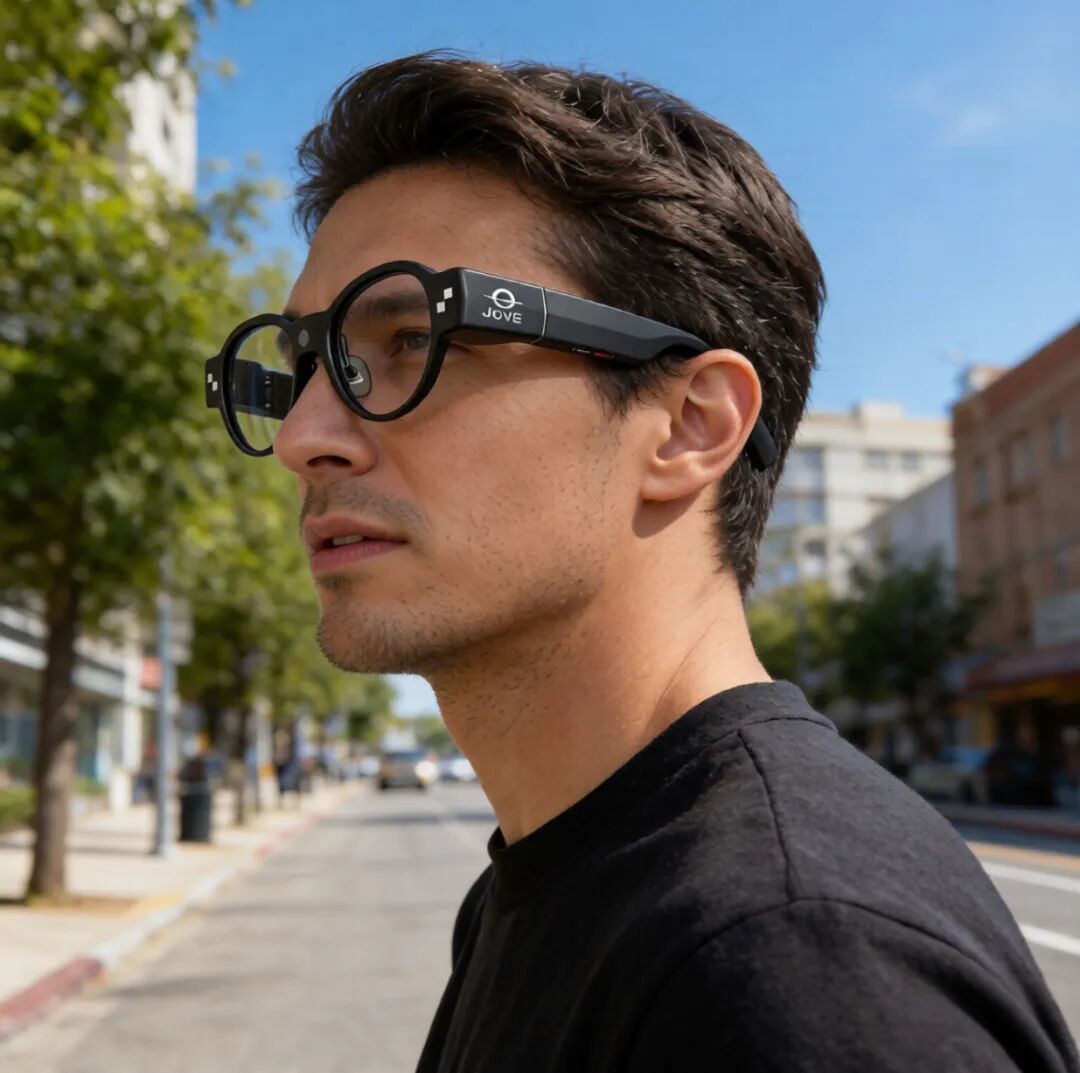
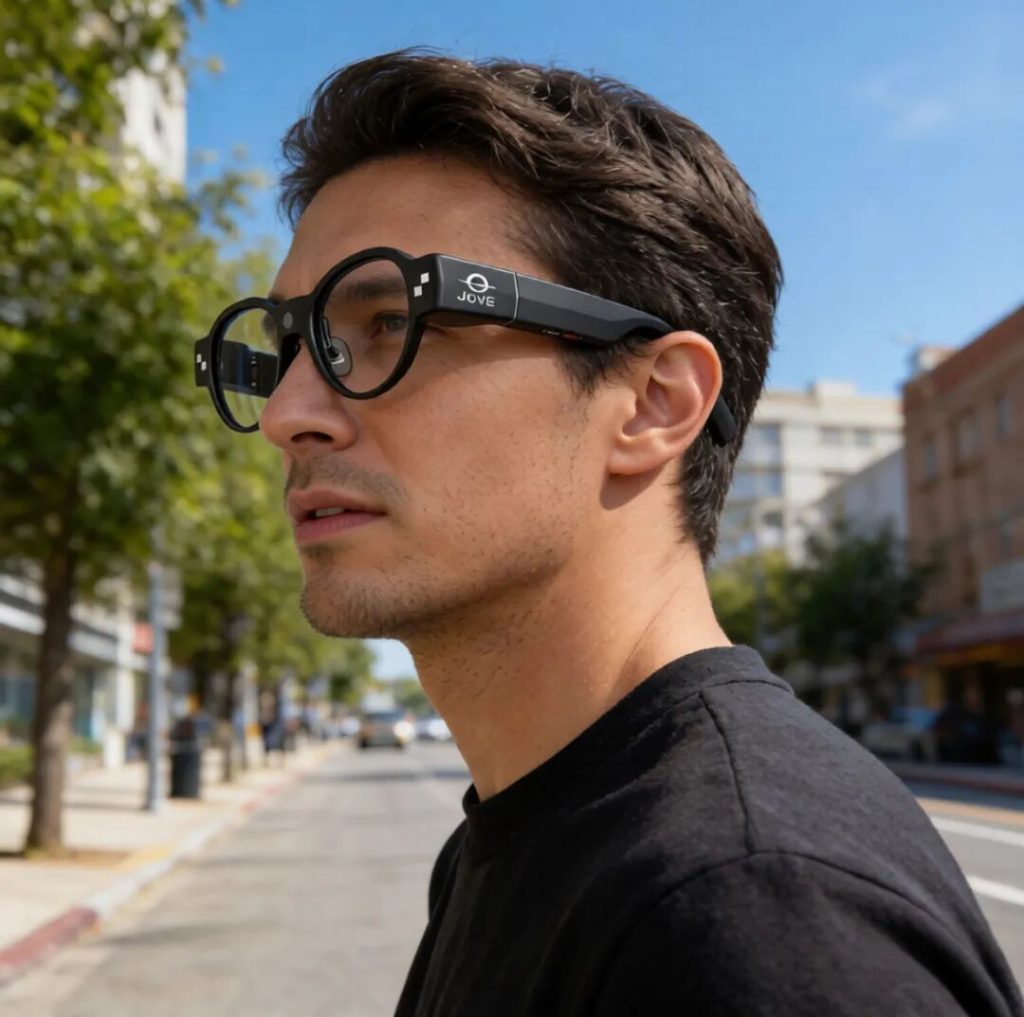
    Jupiter officially launched the JOVE Glasses S1 smart glasses in March 2026. Priced at 4999 RMB (approximately $690 USD), this product, marketed as the “world’s cheapest full-color AI+AR smart glasses,” aims to break down the price barrier of high-end AR technology and drive this category, once considered a “geek toy,” into the mass market.

    In the current era of deep integration between AI big data models and hardware, smart glasses are evolving from auxiliary display devices to “wearable digital assistants.” The debut of the Jupiter S1 not only tests its ability to balance hardware configuration and software experience but will also redefine the cost-effectiveness benchmark for mid-to-high-end AR glasses. This article will analyze whether this product can truly penetrate the mass market, starting from its technological strength, market positioning, and practical application scenarios.

    JOVE Glasses S1
    JOVE Glasses S1

    Core Configuration: An Attempt to “Democratize” High-End Technology

    The core experience of AR glasses depends on display technology. The Jupiter S1 directly targets high-end products in its hardware selection, employing a combination of arrayed waveguides and MicroOLED—a solution previously mostly used in flagship models priced over $1000 USD.

    Unlike the Birdbath solution commonly used in entry-level AR glasses on the market, arrayed waveguide technology achieves full-color display for both eyes while maintaining high light transmittance, avoiding the problem of obstructing the view of reality when worn. Jupiter specifically emphasizes that this product has solved the common “rainbow pattern” optical flaw in waveguide technology. This improvement will significantly enhance the comfort of reading text and overlaying virtual information, and is a key advantage that distinguishes it from similar low-priced products.

    Regarding the imaging system, the S1 is equipped with a 16-megapixel camera and supports low-light AF autofocus. This configuration surpasses the “barcode scanning level” cameras of most smart glasses. In low-light environments such as restaurants and nighttime streets, the camera can still capture clear images, providing image quality assurance for core functions such as AI object recognition and first-person perspective shooting—if the image is blurry, the accuracy of AI recognition will drop significantly, which is a core shortcoming of many previous low-priced AR glasses.

    Regarding wearing comfort, Jupiter did not disclose the specific weight of the S1, but emphasized that it adopts a lightweight design. For wearable devices that require prolonged wear, weight control directly determines user engagement and is crucial to avoiding them becoming gathering dust.

    Software Core: Jenius AI Builds a “Service-Oriented” Intelligent Experience

    If hardware is the foundation of the S1, then Jenius AI is its core differentiating factor. Unlike ordinary Bluetooth glasses or simple display devices, the S1 leverages the resources of its parent company, Tianjudihe, to access nearly a thousand core data interfaces and MCP services, upgrading AI from a “voice-based question-and-answer tool” to a “digital assistant capable of performing tasks.”

    This difference in “service capability” is particularly evident: ordinary AI glasses can only inform users of high-speed rail ticket prices, while the S1 can directly complete the booking process. In the launch event demonstration, a user used the voice command, “Xiaoju, Xiaoju, book me a high-speed rail ticket from Suzhou to Hangzhou for 10 AM tomorrow,” and the glasses immediately displayed train information. After confirmation, the entire order was placed in less than 30 seconds, significantly simplifying the mobile phone operation process.

    In addition, Jenius AI supports functions such as product recognition and price comparison, and smart home control: scanning a product displays its price across the entire internet, preventing users from being overcharged when shopping; a single sentence can control IoT devices such as speakers and lights, making it more intuitive than operating a mobile phone—commands can be issued simultaneously with the user’s gaze, eliminating the need to frequently unlock the phone or switch apps.

    Jeniue AI Born for AR
    Jeniue AI Born for AR

    Application Scenarios: A Dual Strategy from Consumer to Industry-Level

    Jupiter S1 is not limited to the consumer market but also covers both daily life and professional industry scenarios, attempting to broaden the product’s application boundaries.

    In consumer-level scenarios, the teleprompter function meets the needs of users giving speeches, live broadcasts, and presentations, with the script appearing directly on the lens, achieving “freedom of speaking without a script”; the first-person perspective shooting function frees up hands to record moments of life such as cooking and parent-child interaction, achieving “what you see is what you get”; and real-time translation of minor languages ​​breaks down language barriers for users traveling abroad.

    In various industry scenarios, the S1 demonstrates diverse potential: security and specialized industries can utilize it for battlefield vision sharing and AR-based person recognition and early warning; traffic management can use it for vehicle inspection; and engineers can use it to break free from the constraints of “operating while flipping through blueprints,” improving work efficiency. This dual “consumer + industry” approach makes the S1 more competitive among similar products.

    Market Comparison: Is the 4999 RMB (approximately US$690) price tag truly worthwhile?

    The 4999 RMB price is the S1’s most eye-catching highlight and its core weapon for penetrating the market. Although the reference information mentioned a pre-sale price of 4399 RMB, the official guide price was ultimately set at 4999 RMB. Even so, in the category of full-color + waveguide + AI all-in-one machines, its price still has a significant advantage—international brand products with similar configurations generally cost over US$1000.

    From a target audience perspective, the S1 precisely targets four types of users: business professionals who frequently book tickets and need meeting prompts, tech geeks who pursue cutting-edge technology, content creators who need first-person perspective footage, and enterprise users with remote collaboration and on-site verification needs. For these groups, the S1’s price-performance ratio makes it a top choice within a 5000 yuan budget.

    However, potential concerns also exist: Jenius AI’s core capabilities heavily rely on the Tianjudihe data interface. Future service subscription fees or interface adjustments could impact user experience. Furthermore, official battery life data is not detailed; heavy use of AI functions (such as real-time recognition and online ticketing) places high demands on power consumption, and actual battery life performance still needs market testing.

    Conclusion: A game-changer for the mass adoption of AR glasses?

    The release of the Jupiter JOVE Glasses S1 marks the transition of AI+AR hardware from “concept hype” to “practical application.” Priced at 4999 yuan, the S1 brings a high-end array waveguide + Micro OLED display solution to the mainstream market, while Jenius AI endows the glasses with real “functionality,” breaking the industry stereotype that “low price = low configuration.”

    For consumers, the S1 lowers the barrier to experiencing high-end AR technology; for the industry, it may drive the AR glasses market into a new phase of “cost-effective competition.” If potential issues such as battery life and ecosystem stability can be resolved, this product has the potential to become a game-changer in the popularization of AR glasses—after all, in the smart wearable device race, “easy to use and affordable” is always the key to unlocking the mass market.