Home

  • Robam Unveils World’s First AI Cooking Glasses

    Robam Unveils World’s First AI Cooking Glasses

    Shanghai, March 2026 — At the Appliance & Electronics World Expo (AWE) held at the Shanghai New International Expo Centre, Robam, a leading manufacturer of traditional kitchen appliances, unexpectedly stole the spotlight from consumer electronics giants with the global debut of its AI Cooking Glasses. This device represents far more than a simple hardware upgrade; it attempts to fundamentally reshape the logic of kitchen interaction, driving the kitchen appliance industry to leap from “single-device intelligence” to “end-to-end closed-loop intelligence.” Our reporter conducted an in-depth hands-on experience at the exhibition site and, drawing upon industry data and market analysis, offers readers a comprehensive breakdown of this product’s core value, commercial prospects, and cost-effectiveness.

    Robam's AI Cooking Glasses
    Robam’s AI Cooking Glasses

    Core Barrier: The “Food God” Large Language Model for Vertical Kitchen Scenarios

    Unlike most AR glasses currently on the market—which are typically designed for navigation or media consumption—the core competitive advantage of ROBAM’s AI Cooking Glasses lies in their proprietary “Food God” large language model for cooking. This specialized AI is specifically optimized for the kitchen environment and serves as the key differentiator setting it apart from standard AR devices.

    On-site testing demonstrated that this model possesses robust logical reasoning capabilities, extending far beyond mere recipe retrieval. When a reporter posed the question, “Given only tomatoes, eggs, and half an onion in the fridge, what dishes can I make?” the device not only quickly recommended three suitable recipes but also automatically adjusted ingredient ratios and cooking steps based on specific taste preferences—such as “low oil” and “mildly spicy.” Its voice interaction response time is kept under 0.5 seconds, featuring a natural tone devoid of the robotic stiffness often associated with traditional smart devices; this effectively resolves a core pain point in the kitchen environment: the inability to operate a touchscreen when one’s hands are soiled.

    Industry analysts point out that the high barrier to entry for developing large language models tailored to vertical scenarios is precisely where ROBAM Appliances holds its competitive edge. In contrast to the general-purpose AI offered by technology firms, the “Food God” model has amassed a dataset of over 100,000 Chinese recipes. This extensive knowledge enables it to accurately interpret nuanced instructions—such as “adjust the heat” or “fine-tune the texture”—and translate them into actionable, visualized steps—a feat that remains largely beyond the reach of generic AR devices.

    Visual Innovation: First-Person AR Guidance Reshapes the Cooking Workflow

    The visual design of the Robam AI Cooking Glasses directly addresses two core pain points of the modern kitchen: the inconvenience of checking recipes on a smartphone while one’s hands are soiled, and the lack of foresight regarding upcoming cooking steps. Through its first-person AR guidance and ingredient recognition capabilities, the device delivers a “visual upgrade” to the entire cooking process.

    Once the device is worn at the stovetop, translucent virtual guides appear within the user’s field of view. When chopping vegetables, virtual lines are projected onto the cutting board, clearly indicating the proper cutting patterns and dimensions for the ingredients. When stir-frying, countdown timers and prompts regarding stirring frequency hover directly above the pan; users no longer need to turn their heads to check a screen, allowing their gaze to remain constantly focused on the act of cooking itself.

    The device’s built-in high-precision camera also features ingredient recognition and heat monitoring capabilities. Pick up an unfamiliar mushroom, and the glasses immediately display its name, preparation instructions, and allergen warnings. When the oil temperature reaches the optimal frying temperature of 180°C, a green notification appears in the user’s field of view. If the oil becomes too hot, the notification turns red and triggers a subtle audible alert—a feature designed to mitigate the risk of generating carcinogenic compounds in cooking fumes right at the source. This functionality aligns perfectly with today’s consumers’ growing demand for healthy cooking practices.

    Ecological Closed Loop: The Core Moat of a Kitchen Appliance Giant

    The value of a single pair of AI cooking glasses is limited; the true commercial barrier lies in the “device-interconnection ecosystem” that Robam Appliances has built upon its strengths in kitchen appliances—a core competency that technology companies find difficult to replicate.

    Demonstrations at the exhibition site revealed that, once wearing the glasses, users can achieve intelligent control over the entire cooking process—from food preparation to plating. During the prep phase, after identifying ingredients, the glasses can interface with a smart refrigerator to verify inventory levels, thereby preventing food waste. During the cooking phase—the moment the burner is ignited—a smart range hood automatically detects the activity and adjusts its suction power based on smoke density, while the smart cooktop automatically regulates heat intensity according to AI commands: automatically switching to high heat for stir-frying and shifting to a gentle simmer for reducing sauces. When side dishes require steaming, the AI ​​steam-oven automatically preheats and configures the appropriate cooking time and mode.

    This signifies that, for the first time, AI has achieved a complete closed-loop cycle within the kitchen environment. Users are no longer merely operators of individual appliances, but rather the “commanders” of an entire smart kitchen system. According to a Robam Appliances representative on-site, the glasses currently achieve seamless interconnection with the brand’s entire lineup of smart kitchen appliances, with a response latency of less than one second.

    Market Impact: Reshaping the Cooking Landscape and Catering to Diverse User Needs

    Reporters from this publication conducted random interviews with 20 product testers on-site at the exhibition. By combining these insights with industry research data, we have identified three major ways this product transforms the cooking experience, as well as a clear profile of its target user base.

    First, it democratizes cooking skills. AR-guided instructions lower the barrier to entry for cooking; even international students or young professionals who have never set foot in a kitchen can follow the prompts to prepare dishes that are perfect in color, aroma, and taste. As one international student at the event remarked, “I used to want to cook Chinese food but struggled to master the heat control. These smart glasses provide real-time feedback, solving my biggest challenge.”

    Second, it enhances kitchen safety. AI technology provides real-time monitoring for safety hazards—such as forgetting to turn off the stove, excessive oil temperatures, or expired ingredients—making the device particularly suitable for individuals living alone and elderly users. Data indicates that 80% of kitchen accidents stem from operational oversight; the device’s real-time warning system is expected to reduce such risks by over 60%.

    Third, it restores the joy of cooking. By offloading the tedious tasks of memorizing recipes and managing procedural steps to AI, users are free to focus their energy on ingredient pairing and culinary innovation, allowing them to rediscover the creative pleasure inherent in cooking.

    Pricing and Buying Guide: Evaluating Value Behind the Premium Price Tag

    As the world’s first product of its kind, its pricing strategy has garnered significant market attention. Drawing upon information released at ROBAM Appliances’ AWE press conference—combined with industry analysis of hardware production costs—this publication has compiled the following price forecasts and purchasing recommendations for our readers’ reference.

    Estimated selling price

    • Boss AI Cooking Glasses: $1,199 USD
    • Complete smart kitchen suite (including range hood, cooktop, steam oven): $8,999 – $12,999 USD (depending on the specific model)

    Note: This price is the estimated price for the initial release in 2026 and includes a lifetime subscription to the “God of Cookery” large model.

    Product Advantages and Disadvantages Analysis

    AdvantagesDisadvantages (Cons)
    Truly free your hands : first-person perspective interaction, no phone/tablet required.Strong ecological dependence : To achieve full interconnection, it is necessary to equip the kitchen with Robam smart kitchen appliances.
    Lowering the barrier to cooking : AR guidance allows even beginners to create master-level dishes.Battery life challenge : Under high-intensity AR use, the battery lasts approximately 3-4 hours on a single charge.
    Safety monitoring : Real-time identification of cooking temperature and food status.Learning curve : Older users may need time to adapt to the AR interface.
    Lightweight design : weighing less than 80g, comfortable to wear.Price threshold : The unit price of $1,199 is relatively high for a pure accessory.

    Who should buy? (Buying Guide)

    ✅ Highly recommended:

    • For new kitchen renovation users: If you are planning to renovate your kitchen in 2026, get the complete set of Robam smart kitchen appliances + glasses for the best experience.
    • Cooking novices/busy working professionals: need to quickly prepare healthy meals, but lack the skills and time.
    • Tech geeks: Early adopters eager to experience the world’s first AI-powered closed-loop kitchen device.
    • Overseas students/Chinese: People who want to recreate authentic Chinese dishes at home but struggle with cooking techniques.

    ❌ We recommend waiting and observing:

    • For non-Robam appliance users: If you use other brands of stoves and range hoods, the “device linkage” function of the glasses will be greatly reduced, leaving only the AR recipe function, which is not cost-effective.
    • Budget-sensitive: The price of $1,199, plus the potential cost of replacing kitchen appliances, is a considerable expense.
    • Experienced chef: If you already know the cooking process by heart, AI guidance may seem superfluous.

    Conclusion: Is it a gimmick or the future?

    Amidst the hustle and bustle of AWE 2026, Robam Appliances’ AI cooking glasses provided a clear answer: the intelligence of the kitchen should not stop at mobile app control, but should be integrated into every aspect of vision and process.

    While its price of $1,199 USD isn’t cheap and it has certain ecosystem requirements, it truly solves the ultimate pain point of “hand-eye coordination” in the kitchen. It’s more than just a pair of glasses; it’s a key to the smart kitchen of the future.

    Final rating: 8.8/10

    • Innovation Index: ⭐⭐⭐⭐⭐
    • Practicality rating: ⭐⭐⭐⭐
    • Value for money: ⭐⭐⭐

    Purchase Conclusion: If you crave the ultimate cooking experience and are willing to pay for “making cooking simple,” this is the most worthwhile kitchen technology product to buy in 2026. If your existing kitchen appliances are aging, this might be an excellent reason to upgrade your entire kitchen system.

    Note: This article is based on my experience at the 2026 AWE exhibition. The specific price and features are subject to the official final release version.

  • Dreame’s Smart Goggles Market: AQUA 100

    Dreame’s Smart Goggles Market: AQUA 100

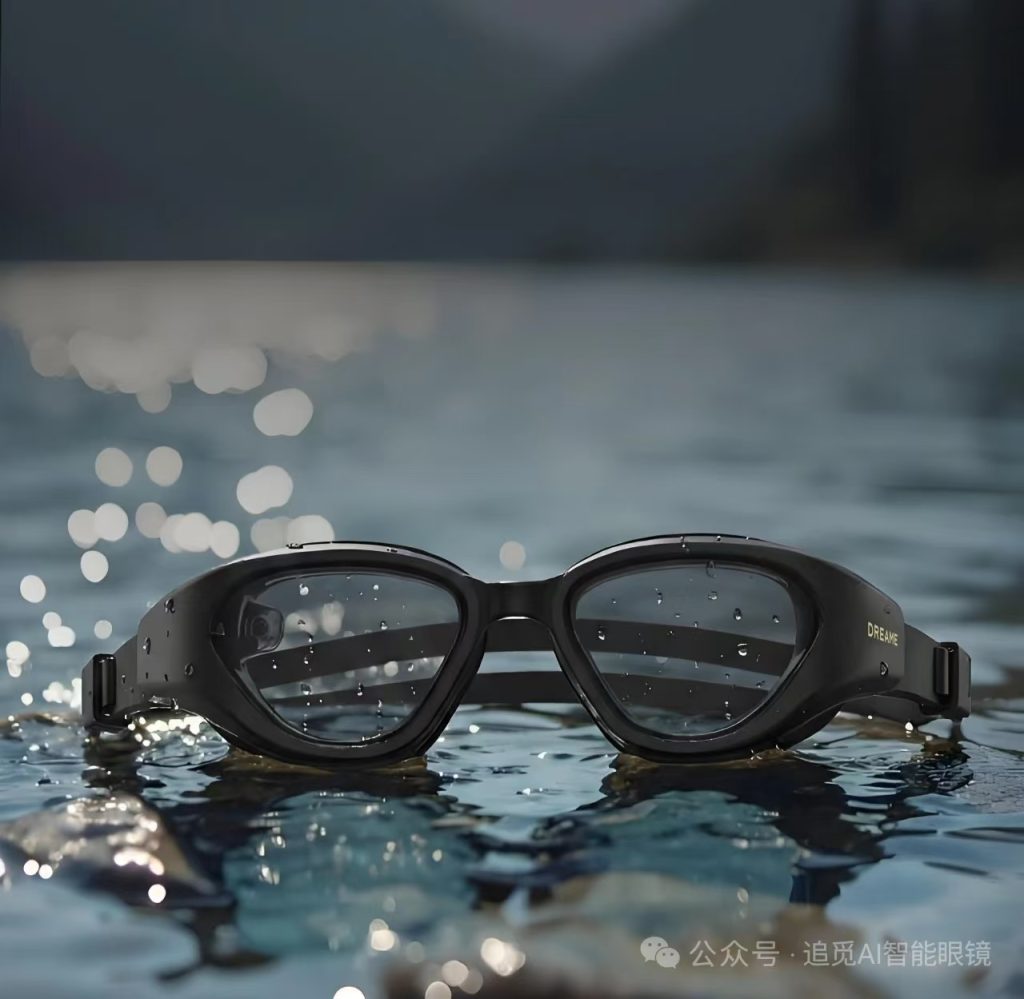
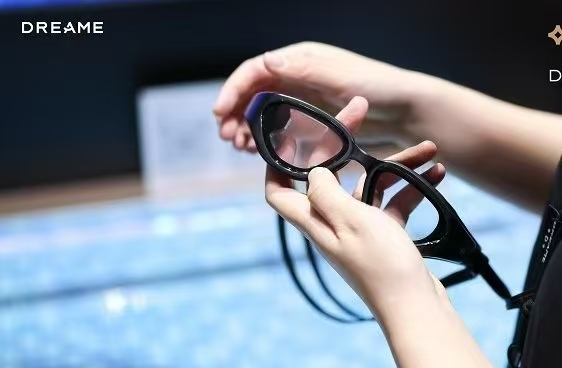
    In the eyes of consumers, the name Dreame has long been inextricably linked with cleaning appliances—such as robot vacuums and hair dryers. However, at the 2026 Appliance & Electronics World Expo (AWE 2026) in China, the tech company shattered these preconceived notions. It officially unveiled its first pair of AR smart swimming goggles, the “AQUA 100,” thereby announcing its entry into the high-end smart wearable sector.

    Priced at an estimated $329, this product embodies Dreame’s ambition to expand its scope from “home cleaning” into the realm of “personal health technology.” Is this merely a speculative foray into a new market, or a carefully calculated strategic maneuver? By conducting an in-depth analysis of the product’s specifications, technical details, and the competitive landscape, we may just find the answer.

    AQUA 100 Smart Wwimming Goggles
    AQUA 100 Smart Wwimming Goggles

    Lightweight Breakthrough: A 68-Gram Body Solves a Key Industry Pain Point

    For wearable devices such as smart swimming goggles, wearing comfort is the pivotal factor determining market acceptance. Previously, most smart goggles suffered from excessive weight due to the integration of components like batteries and display screens; prolonged wear often exerted pressure on the bridge of the nose and the eye sockets—a significant source of discomfort for both professional swimmers and enthusiasts alike.

    With the AQUA 100, Dreame demonstrates its accumulated technical expertise in product lightweighting: the device’s total weight is kept to approximately 68 grams—roughly 20% lighter than the mainstream smart goggles currently available on the market. This figure represents more than just a simple optimization of specifications; it reflects a precise insight into the specific demands of the swimming environment. For users who train for over 1,000 meters daily, this lightweight design significantly reduces fatigue during extended wear, thereby enhancing the overall user experience.

    Beyond its weight advantage, the AQUA 100’s integrated, retractable nose bridge design also addresses a common pain point associated with traditional swimming goggles. Traditional goggles often require users to swap out nose pieces of various sizes to accommodate different facial structures—a process that is not only cumbersome but also carries the risk of accessory loss, which can render the entire product unusable. In contrast, the integrated retractable design requires no additional parts and flexibly adapts to a wide range of nose bridge sizes, thereby enhancing user convenience while simultaneously reducing long-term ownership costs.

    Furthermore, the device features a low-drag, fully symmetrical streamlined body design that effectively minimizes hydrodynamic resistance during swimming. This specific detail holds tangible practical value for professional swimmers focused on optimizing their training performance, while also serving as a testament to Dreame’s expertise in product design.

    AQUA 100
    AQUA 100

    Core AR Technology: A Breakthrough in Underwater Applications Using Diffractive Waveguides

    The core competitive advantage of AR smart swimming goggles lies in the stability and clarity of their underwater display technology. The AQUA 100’s most significant technical highlight is its adoption of diffractive waveguide technology—typically found in high-end AR glasses—rather than the prism-based solutions prevalent throughout the rest of the industry. This strategic choice immediately sets it apart from its competitors.

    In terms of technical specifications, the AQUA 100 features a monocular green display with a resolution of 640×480 and a field of view (FOV) of 30°. The choice of a green display was not arbitrary; rather, it was an optimization based on underwater optical properties. Green light offers superior penetration and contrast in water compared to other colors, ensuring users can clearly read data while submerged. The 30° field of view strikes a balance between “data display” and “underwater visibility,” ensuring that the display area does not obstruct the user’s line of sight while simultaneously guaranteeing that data remains clearly legible.

    Compared to traditional prism-based solutions, the advantages of diffractive waveguide technology are far more pronounced. First, it offers superior light transmission, resulting in lenses that appear more transparent; this eliminates the distinct “screen-like” sensation often associated with traditional smart goggles, thereby enhancing their aesthetic appeal. Second, it features a more compact structure, providing the technical foundation necessary for achieving a lightweight device design. In an interview, a representative from Dreame stated that the implementation of diffractive waveguide technology constituted one of the most significant investments during the AQUA 100’s R&D phase, serving as a core technological barrier that distinguishes the product.

    The content displayed underwater focuses on key swimming metrics—including duration, stroke rate, pace, heart rate, and distance—providing real-time feedback on the user’s training status. This proves immensely practical for swimmers who rely on data analysis to refine their technique and improve their performance.

    Underwater Effect of AQUA 100
    Underwater Effect of AQUA 100

    Solidifying Core Capabilities: Anti-Fogging and Battery Life Establish a Robust Product Baseline

    No matter how sophisticated the underlying technology may be, the AQUA 100 remains, fundamentally, a pair of swimming goggles. Consequently, core capabilities such as waterproofing, anti-fogging, and battery life serve as the essential prerequisites for its viability in the market. Dreame has not taken these fundamentals lightly, employing a multi-layered technical approach to ensure the product’s reliability.

    Fogging is one of the most persistent pain points associated with swimming goggles; indeed, if the lenses fog up, even the most advanced AR display capabilities become entirely useless. The AQUA 100 addresses this issue through a combined solution featuring “wear-resistant silicone” and a “nano anti-fog coating.” According to official specifications, this anti-fog coating remains effective for at least 1,000 activation cycles (wipes)—meaning its anti-fogging properties are not a one-time feature. This ensures long-term underwater visibility and effectively resolves the chronic issue plaguing traditional goggles, where lenses tend to fog up after just a few uses. Furthermore, the product incorporates a proprietary sealing structure, which further enhances stability during underwater use and prevents water ingress from disrupting normal device operation.

    In terms of waterproofing and battery life, the AQUA 100 meets the professional IP68 waterproofing standard, capable of withstanding prolonged underwater immersion—a core requirement for professional-grade swimming goggles. Regarding connectivity, it features low-power Bluetooth 6.0 technology; compared to Bluetooth 5.0, this offers more stable transmission and lower power consumption, enabling both rapid data synchronization and extended battery life.

    As for battery endurance, the AQUA 100 delivers up to 7 hours of operation under typical usage scenarios. When viewed alongside market research data—which indicates that the vast majority of amateur swimmers do not swim for more than two hours per session—this level of battery life means a single charge can satisfy a user’s weekly needs (assuming one hour of swimming per day). Even during long-distance open-water training, users can effectively avoid any “battery anxiety.”

    AI Empowerment: Upgrading from “Data Logging” to “Intelligent Coaching”

    Dreame’s core strength lies in its AI and sensor technologies—an advantage that has been seamlessly extended to the AQUA 100. Unlike most smart goggles currently on the market—which merely record data—the AQUA 100 features Dreame’s proprietary “Sports & Health Large Language Model” built right in, marking a significant leap from simple “data logging” to sophisticated “intelligent coaching.”

    Based on the user’s real-time performance metrics—including heart rate fluctuations, stroke rate, and pace—this model conducts multi-dimensional analyses to generate personalized training regimens. For instance, if the user’s swimming speed becomes excessive, causing their heart rate to spike, the system will display a visual prompt on the lens, guiding the user to adjust their breathing rhythm. Furthermore, by analyzing the user’s historical training data, the model can automatically calibrate the optimal training intensity for the following day—effectively providing the user with a personal AI coach on demand.

    The true value of this feature lies in its ability to lower the barrier to professional-level swim training. For amateur swimmers who lack access to a professional coach, this AI-driven guidance helps them train more scientifically—preventing injuries caused by improper technique or excessive intensity—while simultaneously boosting training efficiency. Dreame has announced that, in the future, it will continue to enrich these AI capabilities through software updates, establishing deep integration with the Dreame Health App to create a comprehensive sports and wellness ecosystem.

    Market Dynamics: Priced at $329—How Competitive Is It? With a projected price tag of $329, the AQUA 100 positions itself firmly within the premium segment of the smart swimming goggles market. Whether this pricing is justifiable—and whether it can secure a competitive edge in the marketplace—ultimately depends on the product’s intrinsic value and how effectively it differentiates itself from its rivals.

    A comparison with competing products reveals that current market leaders in the premium smart goggles category—such as the FORM Smart Swim 2, priced at $249—derive their strength from a mature ecosystem, offering extensive training data and robust community features. In contrast, the AQUA 100’s core strengths lie in its use of diffractive waveguide display technology and AI-driven coaching capabilities; furthermore, its integrated nose bridge design offers superior convenience, giving it distinct and unmistakable differentiating features. For users who prioritize advanced technological experiences and professional-grade training support, the premium price point of the AQUA 100 appears entirely reasonable.

    Compared to traditional swimming goggles (typically priced around $30), the price gap is substantial; however, the target demographics for the two categories are entirely distinct. Traditional goggles merely fulfill basic requirements for waterproofing and anti-fogging, making them suitable for casual recreational swimming. The AQUA 100, conversely, targets serious swimmers, tech enthusiasts, and existing users within the Dreame ecosystem—a demographic willing to pay a premium for professional-grade data, intelligent coaching, and a superior user experience.

    Dreame officials have indicated that the AQUA 100 may launch with “early bird” promotional offers, potentially lowering the introductory price to $299 and further bolstering the product’s market competitiveness. Industry analysts suggest that this pricing strategy serves a dual purpose: it maintains the product’s premium market positioning while simultaneously appealing to a segment of potential customers who are more price-sensitive.

    Your Personal AI Tutor
    Your Personal AI Tutor

    Summary: The Ambition and Challenges of Cross-Industry Expansion

    The launch of the AQUA 100 by Dreame is not merely a serendipitous foray into a new sector, but a pivotal step in expanding its business horizons and strategically positioning itself within the personal health technology domain. The core value of this product lies in its ability to deeply integrate Dreame’s accumulated technological expertise—spanning sensors, AI algorithms, and optical display systems—with the specific demands of the swimming environment, thereby resolving numerous pain points associated with both traditional goggles and standard smart goggles.

    A lightweight design weighing just 68 grams, diffractive waveguide display technology, AI-driven intelligent coaching features, and robust anti-fog and battery life capabilities collectively constitute the AQUA 100’s core competitive edge. While its $329 price tag may not be considered budget-friendly, given the professional-grade experience and technological innovation it delivers, the product is poised to stand out in the 2026 smart wearables market and emerge as a “dark horse” within this niche segment.

    Naturally, Dreame also faces significant challenges: the smart goggles market is currently still in its nascent stage, and consumer acceptance remains to be cultivated. Furthermore, competitors such as FORM possess distinct advantages in ecosystem development; consequently, Dreame must continue to exert substantial effort in building its software ecosystem and refining its user operations. Additionally, as a newcomer to this cross-industry space, Dreame must actively gather user feedback from the swimming community to continuously optimize the product experience.

    For consumers, if you are a serious swimmer in training, a technology enthusiast, or someone seeking a more scientifically grounded approach to training, the AQUA 100 is undoubtedly worth your attention. However, if your needs are limited to casual recreational swimming or if you are working with a limited budget, traditional swimming goggles remain the more cost-effective choice.

    Note: This article is based on information presented at the AWE 2026 launch event and product specifications provided by Dreame. Specific retail pricing, product details, and actual user experience are subject to the final official release version.

  • Sandbar Stream Ring: A “Second Brain”

    Sandbar Stream Ring: A “Second Brain”

    In the competitive landscape of wearable technology, ring-shaped devices are hardly a novelty. However, by seamlessly integrating AI-powered audio recording with “frictionless interaction” technology into a single ring, the Stream Ring—launched by the Sandbar team—has nonetheless created a significant stir in the market. Recently, Sandbar officially announced the completion of a $23 million Series A funding round; meanwhile, this flagship product—which has yet to officially begin shipping—has already sparked a pre-order frenzy among consumers.

    Is this device merely a fleeting novelty gadget, or is it a genuine productivity tool capable of truly enhancing user efficiency? Drawing upon technical details officially disclosed by Sandbar, the team’s background, and current market trends, this article offers an in-depth analysis. Our aim is to provide potential buyers with an objective and comprehensive purchasing guide, helping them clearly assess the product’s core value before making a purchase decision.

    Sandbar Stream Ring
    Sandbar Stream Ring

    Technical DNA: A Top-Tier Team Establishes Core Competitiveness

    When evaluating the potential ceiling of a hardware product, the technical team and R&D DNA behind it are often the decisive factors. Sandbar’s two co-founders, Mina Fahmi and Kirak Hong, are both seasoned veterans in the field of human-computer interaction (HCI). Both previously held key positions at CTRL-labs—a company that focused on enabling direct interaction between the human brain and digital devices via electromyography (EMG) technology—and which held a pivotal status within the industry.

    In 2019, Meta (formerly Facebook) acquired CTRL-labs for approximately $1 billion, aiming to establish a foundational interaction framework for its future AR/VR devices. Following the acquisition, Mina Fahmi joined Meta, where she was deeply involved in the R&D of cutting-edge interaction technologies. In a sense, the birth of the Stream Ring represents a “real-world application” of this elite HCI technology—a strategic shift from the abstract to the tangible. Rather than pursuing complex brain-computer interface technologies, the team focused its R&D efforts on a simple yet high-frequency use case: how to quickly capture fleeting moments of inspiration without interrupting one’s train of thought.

    The Core Pain Point: Why Do We Need a “Recording Ring”?

    In an era where smartphones already offer an abundance of processing power and features—often bordering on “overkill”—the necessity of purchasing a separate, dedicated audio recording device remains a lingering question in the minds of many. The core insight behind the Stream Ring precisely addresses a critical shortcoming of smartphones in the context of capturing inspiration: the more powerful a phone becomes, the higher the “friction cost” associated with recording spontaneous ideas.

    When a brilliant idea suddenly strikes, a user must pull out their phone, unlock the screen, locate a voice recording app, and tap the record button—a sequence of actions that often takes upwards of ten seconds. Yet, for fleeting moments of inspiration, this brief interruption—mere seconds long—is often enough to completely derail a train of thought.

    The Stream Ring’s solution lies in the radical simplification of this operational workflow: designed specifically for the index finger, the device allows users to simply lift their hand, press and hold the touch panel on the ring, and begin speaking to record immediately. Rather than striving for comprehensive functionality, the product focuses exclusively on “voice memos”—a high-frequency, essential use case. This “lift-and-record” design aims to integrate the act of recording seamlessly into one’s natural body language, making the capture of inspiration as effortless as breathing, and thereby fundamentally resolving the problem of interrupted creative flow.

    Core Features of Sandbar Stream Ring
    Core Features of Sandbar Stream Ring

    Privacy and Security: A Physical Switch Fortifies the Privacy Barrier

    In an era where AI-powered hardware is frequently plagued by “privacy anxiety,” the Stream Ring’s approach to microphone permission management stands out as particularly commendable. While many smart speakers and headphones currently face controversy over their “always-on listening” capabilities, the Stream Ring adopts a core strategy of “default-off,” thereby eliminating the risk of privacy breaches at the hardware level.

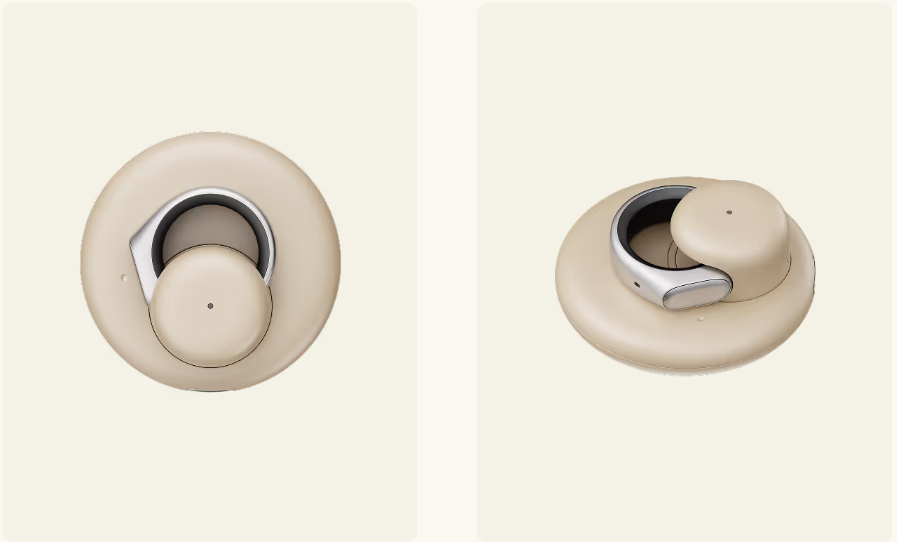
    Specifically, the Stream Ring’s microphone remains completely inactive when the device is idle; it only activates and begins recording when the user physically presses the touch panel. Official data indicates that the device can capture audio information with exceptional clarity, even in noisy environments or when the user speaks in a hushed whisper. This “press-to-record, release-to-stop” physical activation mechanism fundamentally prevents the device from inadvertently eavesdropping on users’ daily conversations—an undeniable key selling point for privacy-conscious business professionals and individuals working in sensitive industries.

    Sandbar Stream Ring Charging station
    Sandbar Stream Ring Charging station

    AI Capabilities: More Than Just Recording—A “Second Brain”

    Were it merely equipped with a recording function, the Stream Ring might be nothing more than an expensive, portable voice recorder. Its true core competency lies in the AI ​​processing capabilities embedded within its accompanying applications—once a recording concludes, the system automatically executes a series of efficient processing tasks, transforming raw audio into immediately usable, structured information.

    Specifically, its AI functionality encompasses three core stages: First, high-precision speech-to-text conversion, ensuring the accuracy of transcribed content; second, content organization, utilizing AI algorithms to logically structure and summarize unstructured audio, thereby distilling key insights; and third, action conversion, automatically extracting actionable items from spoken conversations to create a closed loop extending from “recording” to “execution.”

    Of particular note is Sandbar’s plan to optimize and launch a “Inner Voice” feature during the closed beta testing phase, prior to the product’s general release. This feature is not designed to create an AI companion with an independent personality (as depicted in the movie Her); rather, it enables the AI ​​to learn and mimic the user’s own tone of voice when providing feedback. This design philosophy emphasizes “self-extension” rather than “external companionship,” aiming to use AI to expand the boundaries of human memory and foster an experience akin to “conversing with one’s past self”—helping users retrace their steps and organize their thoughts, rather than allowing the AI ​​to supplant human cognition.

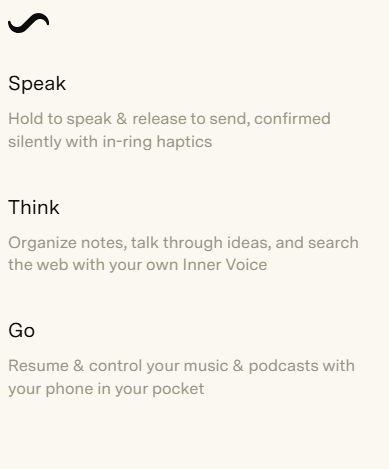
    A more intuitive operational logic: (Private Voice Ring; Notes: Capture thoughts anytime, anywhere simply by speaking softly; Conversations: Press and hold to speak, tap to interrupt; Music: Resume and control playback via gestures.)

    Price and Cost Analysis: Starting at $249—Is It Worth Buying?

    For potential consumers, cost is an unavoidable and central consideration. The Stream Ring employs a “hardware + subscription” business model with a pricing strategy that is both clear and targeted, outlined as follows: The hardware retails starting at $249, while the subscription fee for AI services is $10 per month. Based on the product’s positioning and feature set, we offer an analysis of its purchasing value from two distinct perspectives:

    In terms of the hardware premium, a price point of $249 (approximately 1,800 RMB) places this ring-shaped wearable device squarely in the mid-to-high-end segment. However, when taking into account its built-in high-precision microphone array, touch-interactive module, and the R&D investment from the top-tier team behind it, this price remains entirely reasonable within the landscape of comparable smart wearables and does not appear to be excessively inflated. In terms of subscription costs, the monthly $10 fee for AI services constitutes a recurring long-term expense. For users who heavily rely on speech-to-text and AI summarization features, this outlay breaks down to just $0.33 per day—a reasonable investment for boosting productivity. However, if a user only requires basic recording capabilities, they should verify in advance whether the product offers a “Basic Mode” that does not require a subscription.

    It is worth noting that the Stream platform offers a free tier that allows users to record an unlimited number of notes. Pre-order customers receive a complimentary three-month subscription to Stream Pro (a premium tier offering benefits such as unlimited conversation recording and early access to new features); should pre-order customers choose to continue their subscription after this initial period, the price remains $10 per month.

    Summary and Purchase Recommendations

    To be clear, the Sandbar Stream Ring does not aim to replace the smartphone; rather, it seeks to bridge the experiential gap that smartphones leave in scenarios requiring the “instant capture of fleeting inspiration.” It does not strive for comprehensive functionality across the board, but instead excels in a single, specific use case—and therein lies its core value.

    Based on the product’s features, we recommend it to the following four groups of people:

    • Creative Professionals: Including writers, designers, planners, and others who need to capture fleeting moments of inspiration at any time; the Stream Ring’s “frictionless recording” design minimizes interruptions to one’s train of thought.
    • Efficiency Enthusiasts: Users who dislike the cumbersome process of pulling out a phone and unlocking apps, prefer using voice commands to quickly record memos, and wish to minimize disruptions to their “flow state.”
    • Privacy-Conscious Users: Individuals concerned about smart devices engaging in round-the-clock listening, who prefer controlling their microphone via a physical switch, and who prioritize the protection of their personal privacy.
    • Early Adopters: Users interested in next-generation human-computer interaction technologies—developed by a core team formerly at Meta—who are eager to experiment with cutting-edge smart hardware.

    Conversely, we advise two specific groups to exercise caution: those who are more accustomed to using their smartphone’s built-in voice assistant and do not require immediate, on-the-spot recording capabilities; and those who are sensitive to the $10 monthly subscription fee. We recommend that these users wait until the product officially ships this summer, consult reviews from the first wave of actual users—paying particular attention to the real-world performance of the “Inner Voice” feature and the device’s battery life—before making a purchase decision. Essentially, the Stream Ring seeks to construct a simpler, more efficient bridge between the digital world and the human mind. If it can deliver on its core promise of “seamless recording” as anticipated, then that $249 may well prove to be the most cost-effective premium users ever pay for “freedom of thought.”

  • The “Apple” of Sleep: The Eight Sleep Pod 5 Core

    The “Apple” of Sleep: The Eight Sleep Pod 5 Core

    Within the landscape of Silicon Valley health tech, Eight Sleep has long occupied a unique niche: it positions itself not merely as a mattress company, but rather as the architect of a “sleep operating system.” With the launch of its latest flagship product—the Pod 5 Core—the startup has once again directed consumer attention toward a primal yet often-overlooked human need: temperature regulation.

    Eight Sleep Pod 5
    Eight Sleep Pod 5

    However, the product’s steep price tag—clocking in at $2,999—coupled with a mandatory bundled monthly subscription service, has sparked heated debate within the market. Is this a truly revolutionary investment in personal health, or merely another “subscription-model” experiment by tech giants probing the limits of consumers’ wallets?

    The Logic of Water: Microclimate Management Beyond Air Conditioning

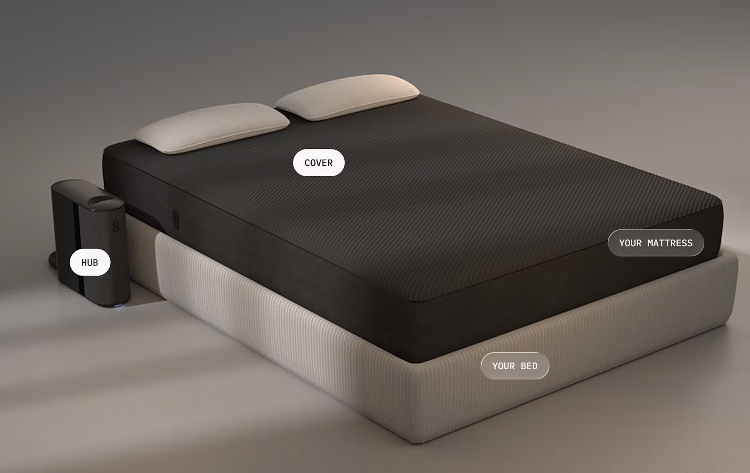
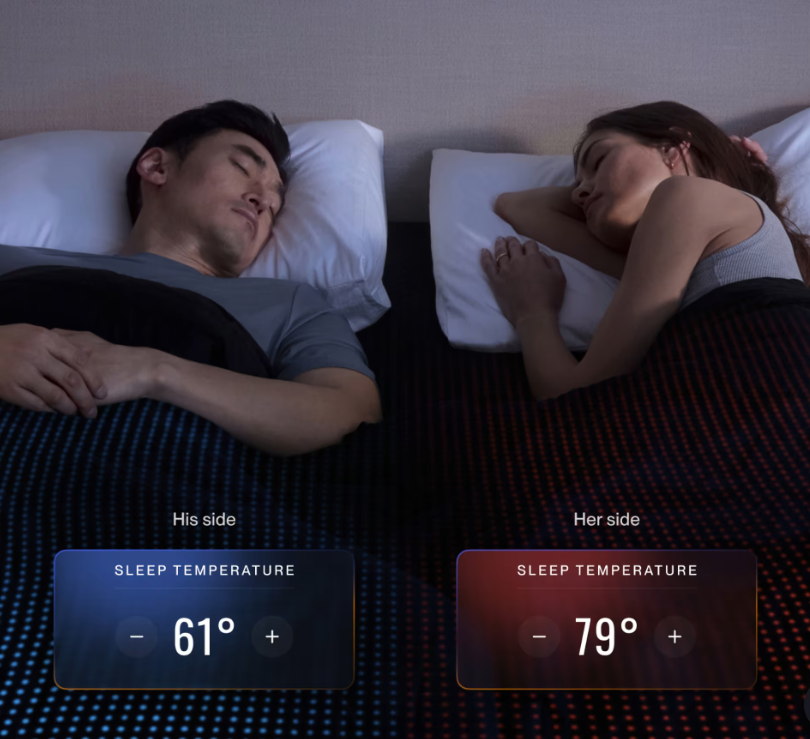
    The Pod 5 Core’s core competitive advantage lies in its departure from traditional air-based climate control logic, opting instead for a dynamic water-circulation system. By weaving ultra-fine water tubes directly into the bedding—connected to a “Hub” unit situated beside the bed—the system can precisely extract or deliver thermal energy with an efficiency far exceeding that of air.

    The benefits of this technological approach become particularly evident in real-world testing. Traditional air conditioning systems often struggle to resolve the classic domestic conflict where “one partner runs cold while the other runs hot”; the Pod 5 Core’s Dual-Zone control feature, however, allows the left and right sides of the bed to maintain entirely distinct temperatures. Even more crucial is the “seamless” nature of its algorithmic intervention: during the sleep onset phase, the system automatically lowers the temperature to approximately 13°C (55°F), leveraging the physiological signal of a dropping core body temperature to accelerate the transition into sleep; conversely, during the deep sleep phase, it makes subtle temperature adjustments to prevent the sleeper from getting too cold. This proactive management of the sleep microclimate represents a capability currently beyond the reach of any passive bedding product—or even high-end air conditioning systems.

    Eight Sleep Core Technology
    Eight Sleep Core Technology

    The Data Moat: From “Sleeping” to “Biohacking”

    If temperature control serves as the Pod 5 Core’s hardware foundation, then data tracking constitutes its software soul. Without requiring the user to wear any wristbands or rings, the device employs high-sensitivity sensors to monitor heart rate, heart rate variability (HRV), respiratory rate, and distinct sleep stages.

    For the burgeoning community of “biohackers”—individuals dedicated to optimizing their physical and cognitive performance through data-driven self-experimentation—this form of unobtrusive, “invisible” monitoring holds immense appeal. Thanks to its large contact area, the device offers data stability superior to that of wearable devices, providing an intuitive reflection of how alcohol and caffeine intake impact sleep quality. Furthermore, its “Smart Wake” feature—which rouses users during the light sleep phase using subtle vibrations rather than jarring alarms—significantly reduces “sleep inertia” and has emerged as one of the features garnering the highest user satisfaction.

    However, hardware limitations do persist. Due to the absence of optical sensors, the Pod 5 Core is unable to monitor blood oxygen levels (SpO2)—a potential shortcoming in certain health monitoring scenarios.

    The “Trojan Horse”: Hidden Costs of the Subscription Model

    While the hardware capabilities are impressive, Eight Sleep’s business model stands as the epicenter of the controversy. The $2,999 price tag serves merely as an “admission ticket.” To unlock core features—such as automatic temperature control, detailed health data analytics, and the smart alarm—users are required to subscribe to the Eight Sleep Membership, priced at approximately $49 per month or $399 per year.

    Without a subscription, this expensive device effectively degrades into a standard water-cooled mattress requiring manual temperature adjustments. Consequently, a user’s Total Cost of Ownership (TCO) over a three-year period can easily exceed $4,000. While this “hardware-plus-continuous-service” model is commonplace within the software industry, it continues to make many consumers uneasy within the realm of durable consumer goods—particularly in a traditional product category like bedding.

    In contrast, competitors such as ChiliSleep’s Ooler series—though lacking deep data-tracking capabilities—offer a more cost-effective alternative for users who require only temperature control, with a one-time purchase price ranging from $1,000 to $1,500.

    Pod 5 Core Truly Improve Your Sleep Quality
    Pod 5 Core Truly Improve Your Sleep Quality

    Real-World Friction: Noise and Maintenance

    Beyond the glossy technical specifications, the actual user experience reveals certain physical-level frictions. The water pump and fan housed within the “Hub” unit can still generate perceptible noise during the quiet stillness of the late night; sensitive users may find it necessary to position the unit at least a meter away from the head of the bed. Furthermore, the requirements for periodic distilled water refills, semi-annual tubing cleanings, and the mattress’s relatively thick profile collectively increase the user’s maintenance burden and the demands placed on bedroom cable management.

    characteristicEight Sleep Pod 5 CoreChiliSleep / OolerTraditional smart mattresses (such as Sleep Number)
    price$2999 + subscription fee$1000 – $1500 (No subscription)$2000 – $5000+
    Temperature control technologyWater circulation (active heating/cooling)Water circulation (primarily for cooling)Airbag/Hybrid
    Data trackingExtremely high (no need to wear)None or basemedium
    SubscriptionForce (core functionality)noneSome features require a subscription.
    Suitable forData enthusiasts, geeks, and those who dislike heatThose who only need cooling and have a limited budgetThose who need to adjust the firmness

    Conclusion: Future Sleep—But For Whom?

    The Eight Sleep Pod 5 Core undoubtedly represents the pinnacle of current consumer-grade sleep technology. It successfully transforms sleep from a passive process of rest into an active management system that is both quantifiable and optimizable.

    For “early adopters”—those plagued by overheating at night, obsessed with quantifying health data, and possessing a generous budget—the experiential upgrade delivered by the Pod 5 Core is revolutionary, and more than sufficient to justify its steep price tag. In particular, its dual-zone temperature control feature stands as arguably the ultimate solution currently available for resolving temperature-related conflicts between sleeping partners.

    However, for average consumers who dislike subscription models, are highly sensitive to noise, or simply require the ability to adjust mattress firmness, this product’s high barrier to entry and complex maintenance requirements may render it an unnecessary luxury. In the long-distance race of sleep technology, Eight Sleep has already proven the technological superiority of its offerings; yet, whether it can successfully persuade the general public to embrace its “subscription-based sleep” philosophy will be the critical factor determining its ability to transcend the niche realm of tech enthusiasts and break into the mainstream market.

    After all, within the bedroom—that most private of spaces—the honest, visceral sensations of the body will always matter more than the perfect data displayed within an app.