People familiar with the matter revealed that after Volkswagen suspended its research and development of advanced autonomous driving with Bosch, Chinese intelligent driving supplier Horizon Robotics may become Volkswagen’s global intelligent driving supplier.
Horizon Robotics
The end of this cooperation is not a temporary technical disagreement, but a strategic adjustment for Volkswagen to reduce costs and increase efficiency, reduce investment in self-research, and reconstruct the global intelligent supply chain. The cooperation between Volkswagen and Bosch began in early 2022, when Cariad, a Volkswagen software subsidiary, and Bosch officially announced a comprehensive strategic cooperation to develop driving assistance and autonomous driving software for various Volkswagen brands.
In terms of chips, Horizon Robotics can provide computing power chip combinations ranging from a few TOPS, dozens of TOPS + computing power to hundreds of TOPS, suitable for low-end all-in-one machines, mid-range high-speed NOA, and urban smart driving. The chip coverage range of this leading company is the richest in the world and can meet the needs of many Volkswagen models.
Algorithmically speaking, Horizon Robotics took the lead in mass-producing one-stage end-to-end systems in China in 25 years, breaking the ceiling of domestic smart driving performance and creating a model benchmark. In addition, there are many algorithm companies in the ecosystem. In terms of comprehensive strength in software and hardware, Horizon Robotics is one of the few suitable partners that the public can find around the world.
In order to lock in the stable and reliable risks of the smart driving supply chain, after going through the inspection and selection of many leading domestic smart driving companies. In October 2022, Volkswagen decided to strategically cooperate with Horizon. Volkswagen invested in Horizon and established a joint venture company CoreCheng with Horizon through its subsidiary CARIAD.
In April 2024, at the 2024 Smart Driving Technology Product Conference held at Horizon, Volkswagen officially announced a mass production cooperation with Horizon based on the Journey 6 series chips.
In April 2025, Volkswagen officially announced that it had reached mass production cooperation with Horizon on urban intelligent driving algorithms. In November of the same year, both parties officially announced that they would independently develop smart driving solutions in the Chinese market through a joint venture, entering a new stage of “deep co-creation” of joint development.
Judging from the cooperation process between Volkswagen and Horizon, Volkswagen uses capital as a link and gradually deepens and expands cooperation from chips to algorithms to co-creation in a “point-to-line-to-face” approach.
In 2026, Volkswagen launched the largest smart electric product offensive in its history. In this offensive, Volkswagen’s SUVs, sedans and other models are equipped with mass production solutions developed by CoreCheng, a joint venture between the two parties.
Volkswagen has chosen Horizon Robotics for its most important intelligent pioneer model.
The successful cooperation between Horizon Robotics and Volkswagen in the Chinese market demonstrates mature mass production capabilities and a reliable foundation for cooperation. This is what the public needs most right now. Therefore, it has become natural to upgrade from Chinese market cooperation to global global market cooperation.
Introduction: As a leading domestic brand of smart pet hardware, Petkit launched the 2nd Generation Visual AI Feeder (Gemini Dual-Compartment Model) in 2026. It features upgraded edge AI computing power, 140° panoramic visibility, and HarmonyOS intelligent connectivity, precisely addressing three major pain points: single-person working professionals, multi-pet families competing for food, inability to monitor feeding in real time, and food shortages while traveling. This two-week hands-on test provides a complete breakdown, examining the appearance and hardware, core AI functions, feeding practicality, advantages and disadvantages, and comparisons with competing products, offering pet owners a realistic purchasing guide.
Petkit Visual AI Feeder
I. Appearance and Basic Hardware Parameters: The device features a simple, pure white ABS body paired with a black and white ceramic food bowl, suitable for various home décor styles, and its compact size saves space.
Food Storage Structure: Dual independent compartment design, total capacity 5L (2L + 3L), one compartment for staple food and the other for freeze-dried/snacks, preventing cross-contamination of odors; the compartments are light-proof and double-sealed with silicone, and include an independent desiccant compartment, preventing cat food from clumping due to moisture during the rainy season in southern regions.
Camera Module: 1080P HD camera, 140° ultra-wide-angle infrared night vision, providing complete coverage of the food bowl area; supports a privacy timer mode, allowing users to customize camera start/stop times, automatically turning off the lens to protect privacy when at home.
Power Supply Safety: Primarily plugged in via adapter, with a built-in large dry cell battery backup compartment. In case of a power outage, it can maintain timed food dispensing for 7-15 days. Remote function only fails when the internet connection is lost; basic feeding remains unaffected.
Cleaning Design: The food compartment, dispensing impeller, and ceramic food bowl are all removable. A food-grade silicone spiral anti-jamming structure allows for smooth dispensing of extruded food and freeze-dried food up to 12mm thick, eliminating cleaning dead spots and preventing grease buildup and bacteria that can cause black chin in pets. 5. Ecosystem Compatibility: Natively integrated with HarmonyOS, enabling data synchronization across Huawei phones, tablets, and smartwatches. Feeding records can be quickly viewed without downloading a separate app.
II. Core AI Functionality Testing Experience (The Biggest Highlight of This Upgrade) Compared to the first generation, the second generation features a new computing chip, offering 7 times faster image processing. The multi-pet facial recognition algorithm has been comprehensively optimized, supporting the recording of facial information for up to 15 cats and dogs—a key advantage for multi-cat households.
AI Multi-Pet Facial Recognition, Preventing Feeding Imbalances: After recording each pet’s face, the camera automatically captures and recognizes the pet whenever it approaches the food bowl. The app generates an independent feeding profile for each pet, recording feeding time and visit frequency.
Practical Scenario 1: A family has two cats, one overweight and one underweight. The overweight cat often steals food. The device records the underweight cat’s food intake and sends a “Cat XX hasn’t eaten today” reminder, promptly identifying picky eating or loss of appetite.
Practical Scenario 2: During kitten food transition, the device assesses palatability based on feeding frequency, assisting in adjusting the food dispensing ratio in the two food bowls using a 7-day transition method. Actual limitations: It can only recognize pet approach behavior; the food bowl lacks a weighing sensor, making it impossible to accurately measure the actual weight of each cat’s food intake. It can only roughly estimate food intake through video footage, limiting its effectiveness for post-operative or diabetic pets requiring precise food control.
24/7 Visual + Two-Way Voice Control: Heal Separation Anxiety 140° wide-angle coverage of the entire feeding area; high-definition color image during the day; clear infrared night vision at night; allows for virtual pet viewing anytime, anywhere, even while traveling or working overtime; built-in two-way microphone for remotely speaking to soothe stressed pets. AI automatically captures short videos of your pet’s food, saving footage before and after each meal. This allows you to easily check for leftover food, vomiting, and soft stool residue, enabling single pet owners to remotely monitor their pet’s health.
Intelligent Feeding Algorithm + Independent Dispenser Control The app supports 1-10 timed feedings per day. Each of the two dispensers can be set to dispense different amounts of food per feeding, and two feeding modes can be freely switched:
Mixed Food Mode: New and old food are stored separately and automatically released in proportion, making the transition between food types easy;
Staple Food + Freeze-Dried Food Mode: Main meals are served as staple food, and freeze-dried snacks are given separately as supplements, achieving refined feeding; Built-in food surplus monitoring will send a pop-up notification to your phone if the food bin is low or there is leftover food in the bowl, preventing waste and food shortages.
III. Summary of Daily Use Advantages
Advantages
Unique Dual-Compartment Design: Most feeders in the same price range are single-compartment. The 2nd generation dual-compartment design perfectly adapts to food changes and freeze-dried food supplements, broadening the usage scenarios for multi-pet families.
Highly Practical Visual + AI Recognition Combination: Pure monitoring feeders on the market lack facial recognition, and pure AI feeders lack real-time video. This model achieves dual monitoring of vision and data.
Comprehensive Ecosystem and Strong Compatibility: HarmonyOS connects to all Huawei devices. The APP has a simple operation logic, allowing even seniors to quickly set up feeding plans.
Multiple Preservation and Power-Off Protection: Sealed, light-proof food compartment + desiccant for long-lasting freshness, dual power supply backup, eliminating the need to entrust food to others during short trips of 3-7 days.
Easy to Clean: Seamless construction, ceramic food bowl doesn’t accumulate oil, long-haired cats don’t easily get fur on their food, and wiping after meals is simple. Objective Shortcomings in Actual Testing
No built-in weighing module: Lacking accurate weight statistics, families with strict dietary control needs need to use a weighing bowl as an auxiliary tool;
Occasional Wi-Fi disconnection in the app: Stable in 2.4G network environment, occasional screen delay occurs when switching to 5G, and a membership is required to watch videos;
Slight accidental triggers in recognition: Cats walking past the food bowl or toys falling into the bowl may accidentally trigger feeding record reminders, requiring manual filtering of invalid captures;
The power cord is relatively short, requiring an additional power strip when placed far from an outlet.
IV. Suitable Users and Purchase Recommendations
Most Suitable Users
Families with two or more cats who frequently experience food competition and uneven feeding;
Working professionals, frequent business travelers, or short trips who cannot return home daily to feed their pets;
Those who enjoy remote pet interaction and need to monitor their pet’s status in real time to alleviate separation anxiety;
Those who are switching pet food and supplementing their diet with freeze-dried food, requiring separate storage compartments for food.
Not Recommended for:
Single pet requiring precise weight control (e.g., cats with kidney disease, obesity, or post-surgery);
Limited budget, requiring only basic timed feeding, without visual or AI recognition features;
Large pets whose single-serving volume far exceeds the device’s maximum capacity.
V. Comparison Summary at the Same Price Point Comparing the Hohmann Visual Feeder and a Standard Single-Compartment AI Feeder:
Hohmann Advantages: More stable food dispensing, lower app network failure rate, but lacks dual-compartment storage and facial recognition;
Standard Single-Compartment Feeder: Lower price, but cannot differentiate between multiple pets or store dry and wet food separately;
Petkit Visual AI Feeder 2nd Generation: Balanced overall functionality, combining dual compartments, 140° visual control, multi-pet AI recognition, and the HarmonyOS ecosystem—four core functions in one device—at a regular promotional price of 479 yuan, offering leading value among mid-range smart feeders. VI. Final Overall Score (out of 10)
Appearance and Build Quality: 9 points
AI Recognition Function: 8.2 points (Deductions: No weighing function, minor misidentification)
Visual Interactive Experience: 9 points
Food Storage, Preservation, and Safety: 9.5 points
Ease of Cleaning: 9 points
Overall Value for Money: 8.8 points
Conclusion The Petkit Visual AI Feeder 2nd Generation doesn’t feature groundbreaking new technology, but it precisely addresses common pain points for pet owners: dual compartments for portioning food, AI facial recognition for managing multiple pets, a wide-angle camera for remote companionship, and comprehensive preservation and power outage protection significantly reduce pet anxiety. If you have multiple cats, frequently travel for work, and value visual interaction and precise feeding, this is a worthwhile all-around smart feeder in its price range. If your core need is extremely precise food control, it’s recommended to use it with a weighing bowl or choose a dedicated model with a weighing function.
In late June 2026, ZuzuZoos, an AI-native tech toy brand, officially announced the completion of a Pre-A round of financing worth tens of millions of yuan, becoming the most watched startup project in the pet emotional AI hardware sector recently.
ZuzuZoos
The funds were clearly allocated to five main areas: continuous iteration of the edge-specific pet emotional big data model, production line expansion and hardware mass production, building an original IP worldview ecosystem, simultaneous expansion into the US and Chinese markets, and recruitment of core teams in algorithm, structure, and IP design. The brand secured significant institutional investment within just one year of its founding, its core competitiveness stemming from a rare, multifaceted founding team:
Founder Dong Xiaonan: Former investment banking analyst at Morgan Stanley, and former General Manager of the Moody business unit at the contact lens unicorn, where he drove the brand’s GMV from 200 million to 1 billion RMB, with deep expertise in female consumer engagement;
Hardware R&D Head: Former core mechanical structure engineer for DJI’s robotic vacuum cleaners, possessing 15 years of experience in robot motion control and bionic structure development, and the core hardware designer for three pet companion robots;
IP Creative Team: Featuring senior designers from Pop Mart and Disney, focusing on differentiated trendy toy character designs;
AI Algorithm Team: From leading model companies such as Zhipu AI, developing its own multimodal recognition model for pet voiceprints and tactile perception.
The current market for smart pet hardware is highly homogenized, with most products offering only basic functions like feeding and monitoring. ZuzuZoos breaks free from this “tool-type pet device” framework, positioning itself as a “silicon-based pet companion”. It transforms AI robots into portable, independent, and emotionally sensitive virtual pet partners, precisely addressing the needs of young people living alone, experiencing separation anxiety from their pets, and seeking emotional support. This is the core logic behind the strong investor confidence in its growth potential. Industry data shows that the domestic market for emotional companion robots is expected to exceed 130 billion yuan by 2026, with lightweight hardware combining trendy appeal and AI interaction representing a relatively untapped market segment.
In-depth Real-World Testing and Review of Three Core AI Pet Companion Devices The brand launched three original IP bionic AI pet robots: the seashell “Pearl,” the silicone bear, and the hippo interactive robot. These robots focus on home companionship and alleviating pet anxiety while also providing human emotional interaction. Pre-orders begin in July, with full-channel availability expected by the end of the year. This review analyzes the product from four dimensions: design, core AI capabilities, suitable pet scenarios, and advantages and disadvantages.
(I) Shell IP Pearl AI Pet Comfort Companion Machine Basic Hardware Parameters: The entire device is encased in a skin-friendly short-pile plush shell, featuring 3 sets of biomimetic mechanical degrees of freedom, an automatically opening and closing shell structure, a built-in independent voice speaker, a near-field infrared sensor, and a Bluetooth 5.3 low-latency module, supporting up to 12 hours of battery life.
AI Core Capabilities Tested:
Human-Pet Dual Voiceprint Recognition Algorithm: A local offline model accurately distinguishes between four types of voiceprints: human speech, cat purring, dog barking, and stress howling. When a pet is home alone and makes continuous anxious cries, the shell automatically and slowly opens, playing customized low-frequency soothing white noise (simulating the chest vibration sound effect of a mother cat/dog), effectively alleviating separation anxiety;
Remote Two-Way Voice Interaction: The microphone can be remotely activated via a mobile app, allowing interaction with the pet through the pearl body. The shell’s opening and closing rhythm follows the rise and fall of the voice, providing a more tangible interactive experience compared to ordinary camera voice communication;
Multi-Pet Memory Storage: The app records the voiceprints of cats and dogs at home, individually recording the duration of each pet’s restlessness when alone, generating a weekly home mood report.
Suitable Scenarios & Real-world Testing Advantages and Disadvantages
✅ Advantages: Soft, rounded design; cats actively seek shelter in the shell-shaped compartment; offline AI requires no constant internet connection, automatically soothing even when offline; the shell shape also serves as desktop decoration.
❌ Disadvantages: Limited shell opening range; weaker interaction perception for large dogs; no built-in treat dispenser, lacking a positive reward interaction mechanism. Suitable for: Cat-owning families, single owners of small dogs, and users who value aesthetics in their home decor.
(II) Silicone Bear AI Tactile Interactive Pet Companion Robot
Basic Hardware Parameters: Full body made of food-grade silicone bear paws + plush body; 4 biomimetic degrees of freedom (raising paw, hugging, folding ears, waving paw); body covered with multi-touch tactile sensors; detachable treat dispenser at the bottom; built-in vibration feedback module.
AI Core Capabilities Tested
Tactile Behavior Recognition: Rare in the industry, this pet tactile perception AI recognizes four types of pet actions: rubbing, scratching, gentle biting, and patting, with corresponding different responses: When a pet gently rubs its paw, the bear lowers its head and folds its ears to listen; after prolonged rubbing against the device, the bear automatically wraps its arms around the pet, simulating cuddling; frequent scratching indicates boredom, and the bear automatically waves its paws to amuse the pet.
Treat-Linked Incentive Mechanism: The app allows for timed feeding, and the bear’s paw movements synchronize with the release of freeze-dried treats, forming a positive “interaction-reward” training logic to correct destructive habits and excessive barking.
Emotional Memory Development System: The AI records pet interaction preferences over time, such as cats preferring belly rubbing or dogs liking handshakes, and will actively trigger corresponding actions. The more the interaction is used, the more it matches the pet’s personality.
Suitable Scenarios & Tested Advantages and Disadvantages
✅ Advantages: The bionic hugging interaction is unique in the market for pet hardware; the soft touch won’t hurt the pet’s gums; the training function can replace simple pet trainers; 15-hour battery life, no worries about all-day standby. ❌ Disadvantages: The silicone bear paw design easily attracts cat hair, requiring frequent cleaning; the device is relatively large, taking up valuable space on small apartments. Suitable for: Families with multiple pets, puppies and kittens, and pet owners needing behavioral correction.
(III) Hippo AI Emotional Pet-Playing Robot Basic Hardware Parameters: Trendy and cute appearance, dual bionic degrees of freedom for mouth opening and closing and tail swinging, built-in laser-based pet-playing module, high-volume emotional sound effect library, lightweight body suitable for placement next to cat trees or dog beds.
AI Core Capabilities Tested
Visual Prediction of Abnormal Pet Postures: When integrated with a home security camera, AI identifies when a pet is squatting alone for extended periods, pacing back and forth, or circling anxiously, automatically activating the laser pet-stimulating device to divert negative emotions.
Hundreds of Customizable Emotional Voices: The brand collaborated with a game audio team to create a unique, humorous sound effect for the hippo. It emits a soft purr when the pet is quiet and a light, playful sound effect to distract it when agitated.
Low-Noise Pet-Sstimulating Design: The laser module provides a soft, dim light that won’t damage the pet’s eyes. Mechanical movement noise is only 28dB, which won’t irritate sensitive cats and dogs.
Suitable Scenarios & Tested Advantages and Disadvantages
✅ Advantages: Minimal size, flexible placement; laser pet-stimulating device accurately depletes pet energy, reducing furniture damage; trendy design suitable for young pet owners.
❌ Disadvantages: No physical tactile interaction, less pet stickiness compared to the teddy bear; short battery life, requires charging after 2 hours of continuous use. Suitable for: Energetic young pets, cat owners in small apartments, and users who prefer lightweight smart devices.
III. Horizontal Competitive Product Comparison: ZuzuZoos’ Core Differentiated Advantages
Currently, mainstream pet AI hardware falls into two categories: one is tool-type feeding/monitoring devices like Petkit and Homan, focusing on diet and safety monitoring; the other is ordinary AI voice speakers, lacking pet-specific bionic interaction. ZuzuZoos’ three products form three major differentiating barriers:
Bionic Mechanical Interaction + Multimodal AI Fusion: Not relying on a single camera for monitoring, it utilizes touch, voiceprint, and motion sensing to allow pets to experience “physical companionship,” rather than a cold electronic device;
Dual Attributes of IP Toy + Pet Hardware: It combines home decoration, portable toy, and pet comfort, simultaneously satisfying pet owners’ aesthetic and pet-raising needs;
Lightweight On-device Offline AI: The core recognition algorithm runs locally, offering stronger privacy. Even in offline scenarios, it can autonomously comfort pets, unlike similar products that heavily rely on the cloud.
IV. Market Outlook and Product Summary
From a funding perspective, ZuzuZoos fills the gap in the emotionally supportive AI pet toy market. The DJI hardware team ensures the practical application of its bionic structure, the founder’s consumer background accurately addresses the pain points of female pet owners, and the IP system lays the foundation for long-term repeat purchases and peripheral product development.
Based on real-world testing of the three products, the following purchasing recommendations are provided:
For cat owners and those prioritizing aesthetics in their home decor: Choose the pearl shell version;
For owners with multiple pets, those needing pet training, and those who enjoy immersive interaction: Choose the silicone bear version;
For those with small apartments, energetic young pets, and limited budgets: Choose the Hippo Robot version.
Shortcomings also objectively exist: Currently, the three products cannot integrate with third-party smart litter boxes or smart feeders, resulting in weaker ecosystem integration compared to established pet appliance brands. Furthermore, the products currently lack physiological monitoring modules (body temperature, heart rate), indicating a lack of health monitoring functionality, which is a key area for future upgrades and subsequent funding rounds.
In the long run, with the implementation of this round of funding worth tens of millions, ZuzuZoos will continue to improve its large-scale pet-specific models, expand its wearable collar accessories, and leverage trendy toy IPs to achieve two-way emotional companionship between humans and pets. This is expected to reshape the current industry status quo where smart pet hardware only focuses on tool functions.
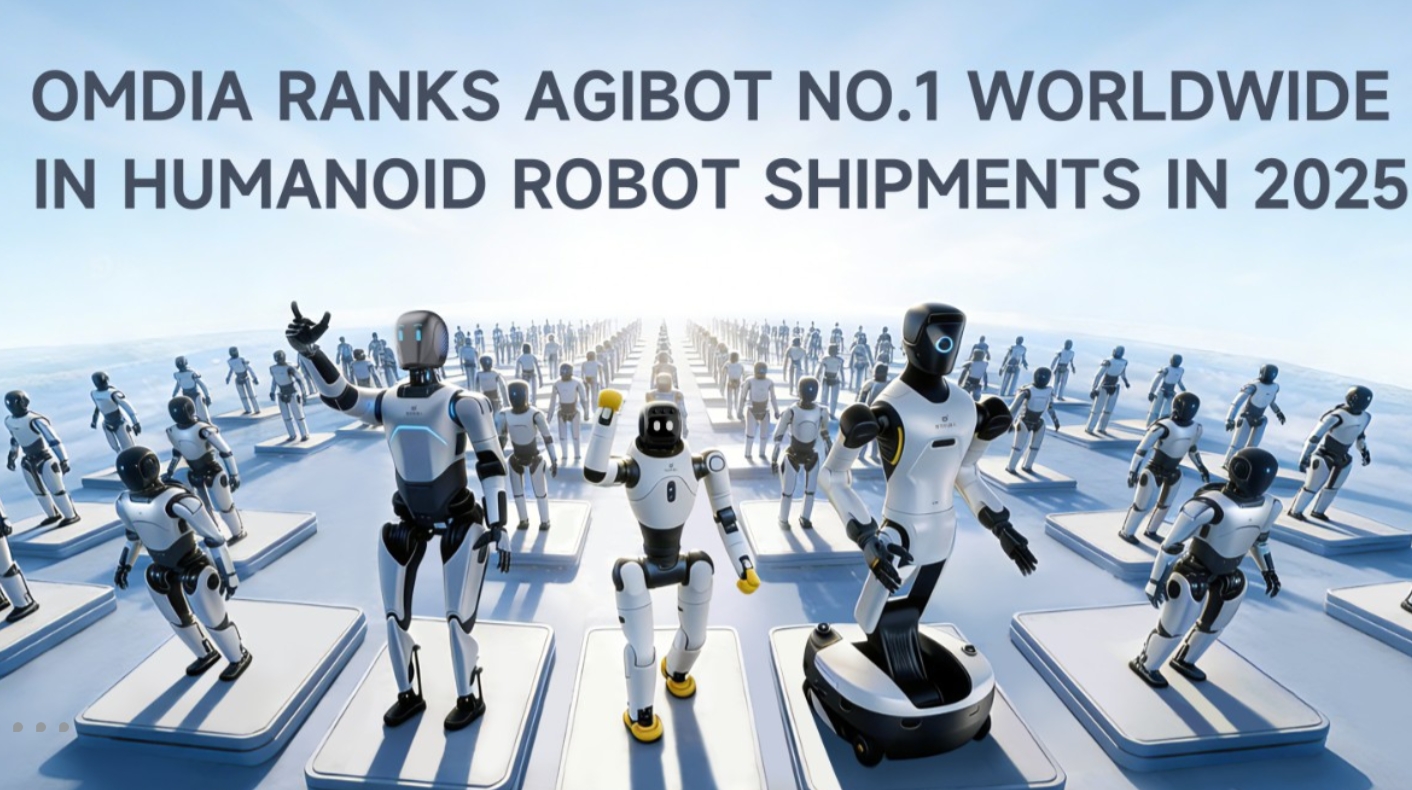
Sources familiar with the matter revealed that Luo Jianlan, Chief Scientist of AGIBOT, is planning to leave the company to start his own business. He is currently in contact with industry investors, and his startup will focus on embodied intelligence.
AGIBOT
To delve deeper into the core field of robotic intelligent control, Luo Jianlan pursued advanced studies abroad, attending the University of California, Berkeley, where he earned a Master’s degree in Computer Science and a PhD in Robotics Control. He studied under renowned robotics scholar Pieter Abbeel, solidifying his theoretical foundation in robot learning and intelligent control. After graduating with his PhD, he did not stop at academic research but instead devoted himself to the forefront of global technology industry, working at Google X and Google DeepMind as a research scientist. He was deeply involved in exploring the industrial applications of reinforcement learning, experiencing firsthand the entire process of artificial intelligence technology from algorithm iteration to practical application, accumulating invaluable practical experience in both academia and industry.
At a critical juncture where the global humanoid robot industry is accelerating its competition and domestically produced AI robots urgently need to overcome core technological bottlenecks, Luo Jianlan chose to return to China and officially join AGIBOT as Chief Scientist, Senior Vice President, and Partner, taking the lead in the research and development of AGIBOT’s embodied intelligence core technologies.
Luo Jianlan’s core work involves building a systematic R&D system, leading the establishment of the AGIBOT Embodied Intelligence Research Center, and comprehensively guiding the development of cutting-edge robot algorithms, technological innovation, and engineering implementation. He predicts that in the next 3-5 years, embodied intelligence will move beyond the laboratory demonstration stage and enter a critical period of large-scale deployment. The industry’s core competitiveness will shift from competing on algorithm parameters to a comprehensive competition based on real-world data accumulation, hardware and software synergy, and engineering implementation efficiency. Only teams that adhere to “real-world deployment and closed-loop iteration” can achieve continuous technological breakthroughs.