Home

  • Why Chinese Brands Are Betting Everything on Overseas Creators

    Why Chinese Brands Are Betting Everything on Overseas Creators

    Introduction: The Silent War for Attention

    GlobalStar marketing team discusses influencer marketing plans
    GlobalStar marketing team discusses influencer marketing plans

    The global influencer marketing market is projected to hit $197 billion in 2025. Within that massive pie, an unprecedented phenomenon is unfolding: TikTok creators in America, tech reviewers on YouTube, and lifestyle influencers on Instagram are finding their inboxes flooded with partnership requests from Chinese brands.

    This is no accident. For a decade, Chinese merchants dominated through supply chain advantages—endless SKUs, unbeatable prices, and the assumption that listing products was enough. But rising tariffs, logistics costs, and compliance barriers have killed the white-label, race-to-the-bottom model. The new competitive question is stark: why should a stranger trust a product from another country?

    The answer points to brand equity, influence, and user awareness. Overseas creators have become the scarcest resource in this war.

    What Happened: Not Enough Creators to Go Around

    A nine-figure TikTok Shop seller, who has trained over a thousand cross-border merchants in the past three years, told me the question he hears most lately is: “How do I find influencers?”

    “American creators are genuinely in short supply. There are more merchants than creators,” he said. His team once sent a 3C product to a creator for review. The response: “This is the fourth identical product I’ve received this week.”

    Supply-demand imbalance is driving prices up. William Ren, founder of influencer marketing agency GlobalStar, notes that annual creator rate increases of 10-30% are normal, with some repped creators doubling their fees after signing with agents. GlobalStar’s long-term enterprise clients are increasing influencer budgets by roughly 50% year-over-year.

    Creator ad revenue structures are shifting dramatically. For tech creators in GlobalStar’s network, Chinese brands once contributed roughly 10% of ad income. Today, that figure can reach 50%. DJI, Narwal, and Anker have become major clients.

    Why It Matters: The Trust Gap

    William Ren grew up in North America and launched GlobalStar in 2021 with a thesis: “The biggest problem for Chinese brands going global wasn’t product or traffic. It was trust.”

    That thesis has only sharpened with time. At CES 2024, 942 Chinese companies exhibited, roughly 22% of total attendance. Among 38 humanoid robot exhibitors, 21 were Chinese. Of 23 AI glasses brands, 16 came from China. Product capability is there. Trust is not.

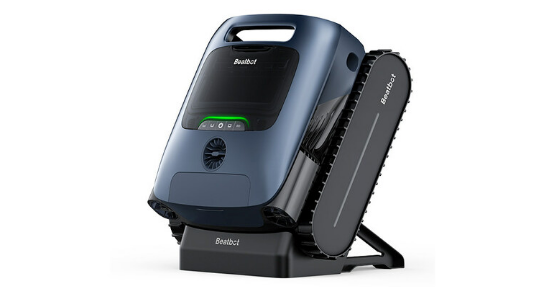
    Creators fill that void. Beatbot’s pool cleaning robot debuted at CES 2024 with zero sales. Three months later, through partnerships with top tech reviewers and luxury lifestyle creators, the brand broke $1 million in daily North American sales during a major promotion. Pool robots have no domestic market in China, but fit American households perfectly—a demand gap activated precisely through creator content.

    The Creator Bargaining Power Era

    Negotiating leverage is shifting from merchants to creators.

    TikTok lowered its creator storefront threshold from 5,000 to 1,000 followers, boosting quantity without guaranteeing quality. Creators who can reliably drive conversions or produce compelling content remain scarce on every platform.

    The seller I spoke with observes that creators show little interest in low-ticket, non-trending products. “They basically don’t respond, or fulfill the minimum shooting obligation without putting in real effort.” But facing $80-100 products, 95% of orders come through creator-driven sales. “The creator shoots a one-to-two-minute long video, from unboxing to full experience.”

    Good products need good creators. Good creators only pick good products. Once this filtering mechanism locks in, merchants holding generic inventory cannot secure a seat at the table.

    Creative Freedom vs. Commercial Control
    YouTube creator filming product review in studio
    YouTube creator filming product review in studio

    “The overseas creator ecosystem lags China’s by over three years.” William Ren’s assessment from 2021 still holds.

    Live commerce content in China follows a mature three-act formula: a 3-second hook, soft product placement, and hard conversion CTA. Hand this script to an overseas creator, and the result is often “only two of three acts get done.”

    The fundamental difference: overseas creators want to make “good content,” not “correct ads.” William Ren once booked a million-subscriber YouTube tech creator for a domestic robotics brand. The creator insisted on a comparative review, mentioning both strengths and weaknesses. The brand initially objected. The video ran with flaws included—and drove dozens of unit sales.

    Overseas creators are not pure vendors or “tools.” Chinese MCNs bind creators through restrictive contracts, but overseas MCNs function more as agents. Creators retain ultimate control. Weekends, holidays, travel plans—there are a thousand reasons to ignore an email.

    Why Influencer Marketing?

    For small merchants, influencer marketing is the most accessible entry point. SEO and Google Ads require 3-6 months to show results. Creator content offers a faster validation loop: send samples broadly, watch who converts, chase short-term ROI.

    For established brands, creators solve the trust problem. As William Ren puts it: “Chinese brands are already on the shelf. They just haven’t entered the consumer’s mind.”

    Influencer marketing is not fully controllable, and ROI is hard to calculate precisely. Chinese merchants accustomed to efficiency and predictability struggle with this model. Yet budgets keep flowing here because old tactics are failing, and new competition demands a deeper answer: how does “Made in China” become a genuinely influential brand?

    The Signal to Overseas Creators
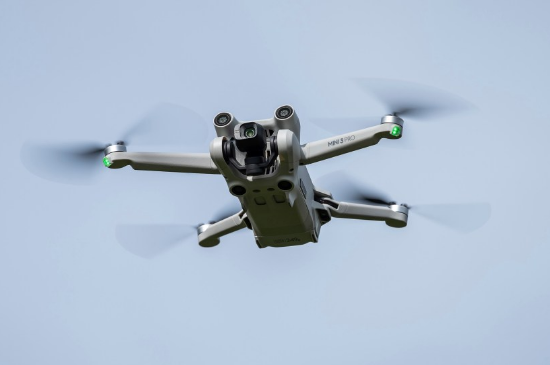
    DJI Mini 3 Pro drone outdoor flight test
    DJI Mini 3 Pro drone outdoor flight test

    If you create content in tech, lifestyle, or travel, several trends are tilting in your favor:

    • Your rates are climbing. Top tech creators now derive 50% of ad revenue from Chinese brands, up from 10%, with annual increases of 10-30% becoming standard.
    • Your creative freedom is protected. Leading brands have learned: authentic content outperforms polished ads.
    • Long-term partnerships are replacing one-off deals. Brands are shifting from single sponsored posts to 10-20 video retainers with separate commission structures.
    • Your product pipeline is expanding. From 3C accessories to pool robots, AI glasses, and humanoid robots—Chinese brand product capability is now competitive.

    Attention. Trust. Influence. Chinese merchants are learning capabilities beyond efficiency. And you are the central node in that transformation.

    What I Can Do for You

    I’m Gavin, a senior tech editor based in Silicon Valley with ten years of AI hardware industry experience. I track Chinese brand globalization dynamics closely and maintain direct connections with multiple top-tier outbound brands and marketing agencies.

    If you are an overseas content creator looking for:

    • Reliable Chinese brand partnership resources
    • Access to high-product-quality brands instead of generic white-label goods
    • Insights into Chinese brands’ content collaboration preferences and negotiation strategies
    • Long-term retainer deals rather than one-off transactions

    I can serve as your bridge. I understand both sides—what Chinese merchants need and what overseas creators care about. No agency commission, just precise matching.

    Please leave your email address in the comments section so we can contact you via email. We’ll help you unlock this door, which is rapidly opening.


    -END-

  • L’Attitude 52°N Berlin Review: The First AI Glasses Built for Travelers

    L’Attitude 52°N Berlin Review: The First AI Glasses Built for Travelers

    Rating: 8.9/10

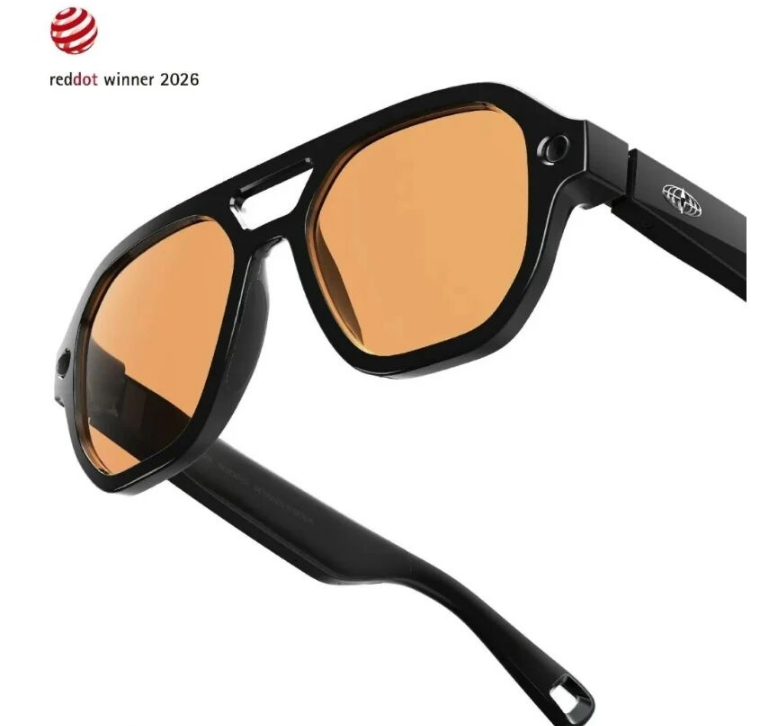
    L'Attitude 52°N Berlin Dune Aviator frame on model
    L’Attitude 52°N Berlin Dune Aviator frame on model

    Introduction: While Tech Giants Are Still Pitching, This Chinese Team Already Shipped

    The smart glasses market went absolutely insane this year. Google I/O 2026 just showcased its AI audio glasses concept co-developed with Samsung and styled by Gentle Monster. Meanwhile, a relatively unknown Chinese startup has already put its unit on shelves.

    The L’Attitude 52°N Berlin series opened pre-orders on May 19, with full sales beginning May 26. This is not a PowerPoint product. It has already raised over $400,000 on Kickstarter, won the IFA 2025 Innovation Award, and drawn attention from both WIRED and T3. More importantly, its founding team comes from the core product leadership of OPPO, OnePlus, and HTC—people who know exactly how to build wearable devices that are both beautiful and functional.

    Product Overview: Not Glasses with AI, But an AI Terminal Born for Travel

    The Berlin series adopts the classic Aviator double-bridge frame, available in Obsidian and Dune colorways. The entire unit weighs approximately 50g, constructed from Swiss EMS TR90 thermoplastic with titanium alloy hinges. The nano-grade crafted pivot boasts hardness roughly 3x that of standard steel. With IP65 body protection and an IP67-rated charging case, it handles rain, dust, and sweat better than you do.

    But what truly sets Berlin apart is its refusal to be a “jack of all trades.” Instead, it zeroes in on one scenario: outdoor travel and exploration.

    Killer Feature #1: 107° Ultra-Wide Field of View

    The Ray-Ban Meta camera is decent. L’Attitude 52°N went straight for a 12MP Sony IMX681 with a 107° field of view. What does this mean? Standing before the Mona Lisa at the Louvre, you do not need to step back three paces to capture the entire hall. Trekking along an Alpine ridge, you do not need to turn your head to record snow peaks on both sides.

    Even smarter is Flexible Framing technology—switch between portrait and landscape with one touch. Portrait for Instagram Stories, landscape for travel vlogs. Video records at 1080p/30fps with selectable durations of 30 seconds, 1 minute, or 3 minutes. With 32GB of local storage, shoot first and sync later, even without connectivity.

    T3’s hands-on review noted: “Images came out clear, colourful and very decent—arguably better than through my Gen 1 Ray-Bans.”

    Killer Feature #2: Goya AI Companion, Smarter Than a Tour Guide

    Berlin’s AI assistant is named Goya (paying homage to Spanish Romantic painter Francisco Goya), powered by a Google Gemini-trained cultural exploration model. This is not generic ChatGPT-style Q&A. It is vertically optimized for travel scenarios:

    • AI Tour Guide: Point at landmarks or museum artifacts. “Hey Goya, what’s the story of the Mona Lisa?” It delivers professional-grade commentary.
    • Live Translation: Supports English, German, French, Spanish, Italian, Japanese, and more. No more guessing menu items or street signs.
    • Travel Concierge: Restaurant recommendations, local discoveries, ask while you walk.

    A WIRED journalist tested it on-site with Goya’s most horrifying masterpiece, Saturn Devouring His Son—Goya responded fluently.

    Killer Feature #3: Offline Intercom for No-Network Environments

    This is Berlin’s most underrated killer feature. Via the dedicated Intercom Sports Band accessory, it supports offline group intercom for up to 8 people, requiring zero cellular signal. In mountains, islands, or deserts with no coverage, this is your safety lifeline.

    Imagine: a four-person team climbing Siguniang Mountain, the lead spots rockfall risk and notifies the entire squad instantly. A family gets separated at Disneyland, no need to hunt for signal—just talk through the glasses. This kind of scenario-hardened functionality is something neither Meta nor Google currently offers.

    L'Attitude 52°N Berlin Obsidian Aviator frame with camera module
    L’Attitude 52°N Berlin Obsidian Aviator frame with camera module

    Killer Feature #4: Battery Life and Fast Charging, Built for All-Day Adventures

    The built-in 200mAh battery delivers up to 6 hours per charge. The charging case provides 8-10 full additional charges, totaling approximately 66 hours of combined use. 20 minutes of fast charging reaches roughly 70%—power up during lunch, shoot all afternoon.

    Compared to the Ray-Ban Meta’s 4-5 hour single-charge life, Berlin is clearly optimized for long-haul travel.

    Specs Comparison: Berlin vs Ray-Ban Meta

    FeatureL’Attitude 52°N BerlinRay-Ban Meta Gen 2
    Weight~50g~50g
    Camera12MP, 107° FOV12MP, standard FOV
    Video1080p/30fps1080p
    AI AssistantGoya (Gemini cultural model)Meta AI (general model)
    Offline IntercomYes (8-person)No
    ProtectionIP65 (glasses) / IP67 (case)IPX4
    Battery6h + 66h total with case4-5h
    Fast Charge20min to 70%None
    Price$399$299-379

    Berlin runs roughly $20-100 more, but trades that for wider FOV, longer battery life, stronger protection, and deep travel-scenario optimization. For serious outdoor enthusiasts, the math works.

    Design and Wearability: First a Great Pair of Glasses, Then a Tech Product

    Gary Chen’s team understands one truth: smart glasses must first be glasses you actually want to wear every day.

    Berlin’s Aviator silhouette carries more visual identity than Ray-Ban Meta’s Wayfarer, with the double-bridge design radiating “pilot cool.” T3’s review observed: “They look more street-fashion than sports gear—but I can also picture skiers wearing them on the piste.”

    Nano-grade UV-hardened protective coating, scratch-resistant treatment, Swiss EMS TR90 construction—these details scream: this is not a toy, but gear built to accompany you up mountains and across deserts.

    Who Should Buy Berlin?

    Highly Recommended For:

    • Frequent international travelers and digital nomads
    • Hiking, mountaineering, and cycling enthusiasts
    • Museum and art exhibition regulars (the AI tour guide is genuinely transformative)
    • Adventure teams requiring off-grid communication

    Consider Alternatives If:

    • You are a daily commuter (feature overkill; Ray-Ban Meta is cheaper)
    • You are budget-sensitive ($399 base, plus $50 for photochromic lenses)

    Note on the Subscription Model

    Berlin includes a 12-month free AI feature trial, after which a paid subscription is required. Founder Gary Chen states pricing is still being finalized, but emphasizes that “most features will remain free, with only advanced capabilities charged,” analogizing to “hiring a British Museum tour guide for about $3.”

    For Kickstarter early backers, lifetime free AI access was promised—a show of good faith to early supporters and a commitment kept.

    Conclusion: A Chinese Team Just Taught the Global Market a Lesson

    The L’Attitude 52°N Berlin is not a spec-sheet stuffer. It is a scenario definer. It solves travel photography pain points with a 107° ultra-wide lens. It reinvents the museum experience with the Goya AI guide. It fills the outdoor communication gap with offline intercom. The former OPPO/OnePlus team has transferred their extreme user-scenario understanding from smartphones to eyewear, intact.

    While Google and Meta are still educating the market with general-purpose products, this Chinese company has already built the first AI glasses truly born for travel. If you are planning an Iceland ring road trip, a Nepal trek, or a Paris museum marathon this year—Berlin belongs on your gear list.


    Bottom Line: The most travel-focused AI glasses on the market. Not perfect, but purpose-built in ways competitors are not.

  • W-robot X40 Enters US Market: Challenges Mill and Lomi

    W-robot X40 Enters US Market: Challenges Mill and Lomi

    Rating: 9.4/10

    American suburban home with garden
    American suburban home with garden

    In 2026, American households’ food waste processing market welcomes a new player.

    The W-robot X40 from Jiangsu, China, officially enters the US market, bringing 105 patents and a “fully automatic closed-loop” promise, directly challenging Mill and Lomi.

    This isn’t a story of a Chinese brand “incidentally selling to America.” W-robot was designed from the ground up for North American single-family homes — those 40 million American households with yards, gardens, and composting habits.

    Product Overview

    The W-robot X40, launched by Jiangsu Chaorui Interstellar Technology, debuted in the US market in 2026 through the Discovery documentary “Exploring the Future,” where actor Zhang Linghe demonstrated its use.

    Core specifications:

    ParameterSpecification
    WeightNot disclosed (desktop size)
    Processing Cycle7-14 days fully automatic
    Processing ModePhysical cutting + high-temp heating + bio-enzyme catalysis
    Adjustable Duration2/4/8 hour three levels
    Noise Control≤50 dB
    Motor Lifespan10,000 hours
    Patent Count105 (including 3 international invention patents)
    Target MarketUS single-family homes

    Source: Chaorui Interstellar Official Materials

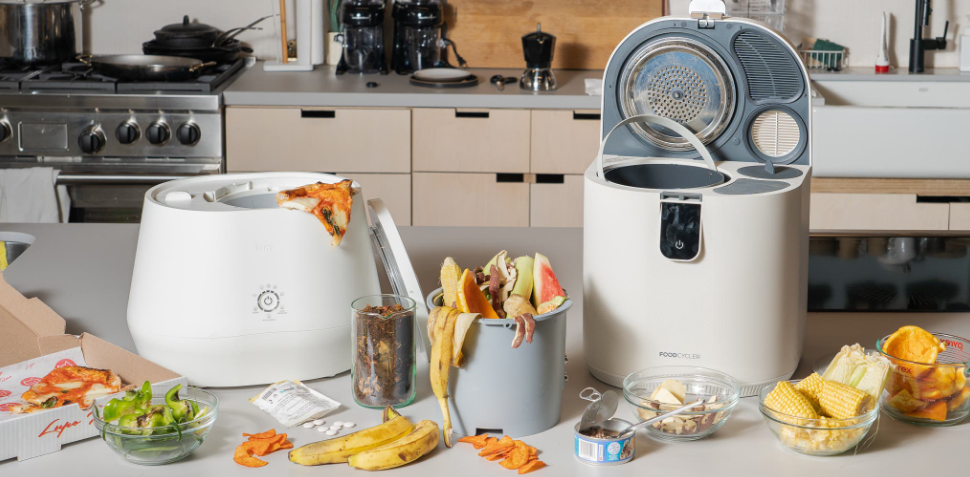
    Countertop food waste recycler in use
    Countertop food waste recycler in use

    Why Did W-robot Choose the US Market?

    The United States is the world’s largest household food waste processing market, at approximately $1.575 billion in 2025, expected to reach $3.65 billion by 2030.

    Approximately 80 million single-family homes in the US, 40% with composting traditions. These users have yards, gardening needs, and environmental awareness — highly overlapping with target demographics for robot vacuums, robotic mowers, and pool robots.

    More importantly, America’s backend waste disposal system is relatively fragmented. Many regions lack wet waste dedicated trucks, giving household preprocessing value in filling gaps. This is completely different from China’s comprehensive municipal recycling system.

    W-robot’s business model is a “device + consumables (patented reagents)” subscription, similar to robot vacuums’ “main unit + mop pads/cleaning solution” logic. Users purchase the device, then buy monthly bio-enzyme reagent packs, creating recurring revenue.

    Traditional backyard compost tumbler
    Traditional backyard compost tumbler

    Three-Chamber Fully Automatic: W-robot’s Core Selling Point

    W-robot’s biggest differentiation is its three-chamber fully automatic closed-loop design:

    Upper Chamber: Storage Users drop food waste in like regular trash. AI recognition algorithms automatically classify and judge. No manual sorting of bones, peels, or leftovers required.

    Middle Chamber: Processing Physical cutting + high-temperature heating + bio-enzyme catalytic decomposition, with 2/4/8 hour adjustable duration. Patented reagents accelerate decomposition, producing organic fertilizer and water.

    Lower Chamber: Collection After 7-14 days, fully fermented mature organic fertilizer is automatically packaged into collection boxes. Users retrieve once per month.

    Zero intervention in between — this is W-robot’s biggest difference from Mill and Lomi.

    Mill requires manual cleaning and periodic emptying of dehydrated “Food Grounds.” Lomi requires turning and temperature control, with long fermentation cycles. W-robot promises: drop it in, wait two weeks, retrieve fertilizer.

    For busy American families, “zero intervention” means time and effort saved.

    Head-to-Head Competition with Mill and Lomi

    MetricW-robot X40MillLomi
    Processing Cycle7-14 days automaticInstant dehydration, manual emptying24-48 hours, turning required
    OutputMature organic fertilizerDry crumbs (requires post-processing)Semi-finished compost
    AutomationFully automatic closed loopSemi-automaticRequires manual intervention
    Motor Life10,000 hours~1,000 hoursNot disclosed
    Noise≤50 dB60-70 dBMedium
    PriceTBD$499$499
    Brand RecognitionLow (new entrant)HighMedium-High

    W-robot shows clear advantages in automation level and motor lifespan. The 10,000-hour motor life means operating 3 hours daily, it can run for approximately 9 years.

    But Mill has Amazon and Google backing, Lomi is already available at Costco. Brand recognition and channel coverage are W-robot’s weaknesses.

    Practical Concerns for American Users

    1. Climate Adaptability W-robot was developed and tested in China. Will northern US winter low temperatures affect bio-enzyme activity? How does heat dissipation perform during southern summer heat? This requires real-world verification.

    2. Dietary Habit Adaptation American households consume more meat, dairy, and fats. Are W-robot’s AI recognition algorithms and bio-enzyme formulas optimized for American dietary habits?

    3. After-Sales Service Network As a new Chinese brand entering the US, can repair, parts supply, and customer service compete with local brands? Recommend purchasing first in regions with local service support.

    4. Price Competitiveness If priced at $400-500, the value proposition is strong. If exceeding $600, pressure from Mill and Lomi will be significant.

    Countertop composters market comparison
    Countertop composters market comparison

    Pros and Cons

    ProsCons
    Three-chamber fully automatic, truly zero interventionNew brand, US after-sales network yet to be established
    Produces mature organic fertilizer, ready for garden7-14 day cycle relatively long
    10,000-hour motor life, durableBio-enzyme reagents require ongoing purchase
    Noise ≤50 dB, quietDietary habit adaptability unverified
    105 patents, high technical barrierLow brand recognition

    Who Should Buy

    Highly Recommended:

    • US single-family homeowners with yards/gardens
    • Users with existing composting habits but find traditional composting troublesome
    • Environmentally conscious families pursuing “zero waste lifestyle”
    • Tech early adopters willing to try new brands

    Should Wait:

    • Apartment dwellers (no garden, nowhere to use fertilizer)
    • Users with high after-sales service requirements (recommend waiting for brand to establish local service network)
    • Budget-sensitive users (Mill, Lomi may have more promotions)

    Conclusion

    The W-robot X40 is a product tailor-made for the American market. Its three-chamber fully automatic design solves the “manual intervention” pain points of Mill and Lomi, and the 105 patents and 10,000-hour motor lifespan demonstrate technical strength.

    But entering the US market, W-robot’s challenge is not technology but trust — brand trust, after-sales trust, and long-term reliability trust.

    Mill raised $250 million with Amazon and Google backing, but 2025 annual revenue was only $10-50 million, commercialization still early. Lomi raised over $7 million through crowdfunding, truly facing mass market考验 only after entering Costco.

    W-robot’s real test is American user reviews at 6 months, 12 months. In the North American market, a food waste processor’s lifecycle is 5-10 years. Whether the brand can accompany users through this journey is the ultimate scoring criterion.

    If you’re a US single-family homeowner with a yard, garden, and environmental consciousness, willing to try new brands, the W-robot X40 deserves a spot on your shortlist. But if you prioritize brand maturity and after-sales guarantees, Mill or Lomi may be safer choices.

  • Insta360 Mic Pro Review: E-Ink Screen Redefines Wireless Mics

    Insta360 Mic Pro Review: E-Ink Screen Redefines Wireless Mics

    Rating: 8.7/10

    The wireless microphone track has gotten interesting lately.

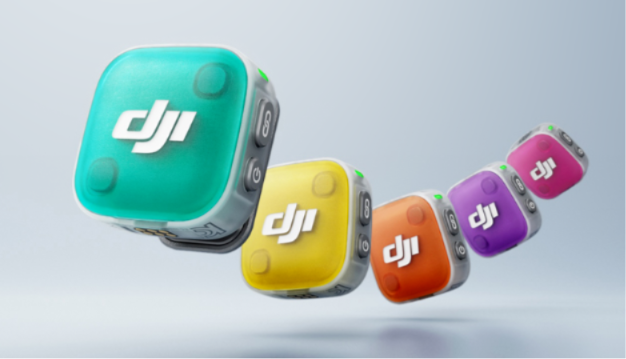
    DJI Colorful Wireless Mic
    DJI Colorful Wireless Mic

    Recently, DJI gave the Mic Mini 2 a “new wardrobe” — 8 magnetic color shells plus 5 windscreen colors, turning microphones into trendy accessories that match daily outfits. DJI’s move clearly tells young people that microphones aren’t just recording tools, but fashion accessories in your vlogs.

    But if DJI is “applying makeup to microphones,” Insta360 directly transformed its Mic Pro into a “digital badge.”

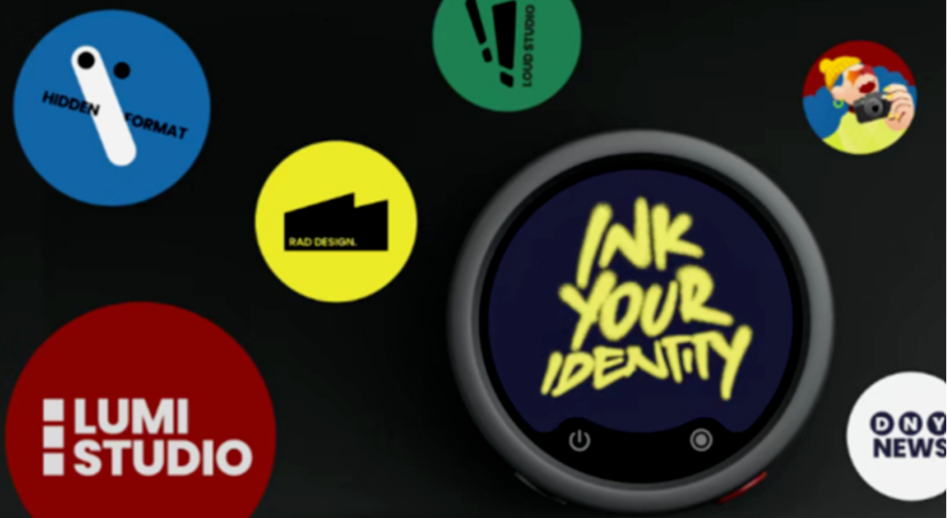
    Custom Device Identity Display
    Custom Device Identity Display

    Product Overview

    On May 19, Insta360 officially launched the flagship wireless microphone Mic Pro. The most eye-catching design is the color E-Ink screen embedded in the transmitter front, capable of displaying custom logos, emojis, brand identifiers, and even complex patterns in six colors.

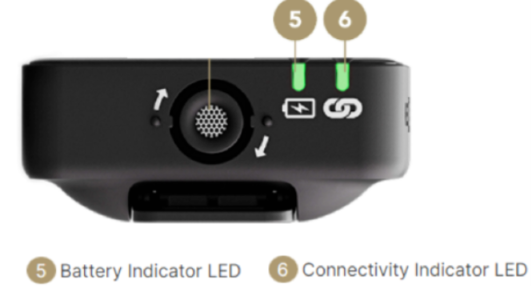
    Mic LED Indicator Layout
    Mic LED Indicator Layout

    Pricing: single transmitter at 528 yuan, one-transmitter-one-receiver at 978 yuan, two-transmitters-one-receiver at 1698 yuan. This pricing is basically on par with RODE, DJI and similar products, but adds E-Ink interaction, triple mic array, and NPU noise reduction.

    Core specifications:

    ParameterSpecification
    Transmitter ScreenSix-color E-Ink display
    Microphone CountThree (single transmitter)
    Pickup PatternsOmnidirectional/Hyper-directional/Cardioid/Figure-8
    Noise Reduction ChipNPU neural processing unit
    Internal Recording32-bit float
    Built-in Storage32GB
    Battery Life30 hours (with charging case)
    Screen CoverAG+AR coated Corning glass

    Technical Analysis

    E-Ink Display: From Function to Expression

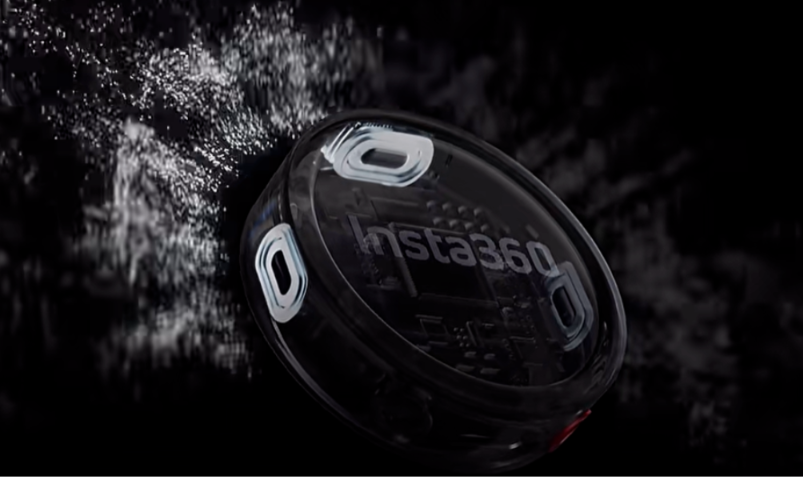
    Insta360 Mic mini 2
    Insta360 Mic mini 2

    Traditional lavalier microphones rely entirely on a few LED lights for status: red means recording, green means normal, flashing means low battery. But how loud is the volume? Is noise reduction on? Which track is running? Creators can only guess, or frequently interrupt shooting to check the phone app. In outdoor bright light, those indicator lights are virtually useless.

    Mic Pro’s E-Ink screen directly visualizes this information: remaining battery, noise reduction mode, channel status… More importantly, E-Ink has no blue light, extremely low power consumption, and staying on doesn’t drain battery life.

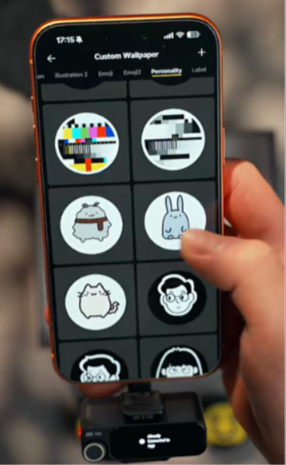
    But the screen’s true ambition clearly exceeds “displaying parameters.” Insta360 allows users to upload custom patterns through the app — personal channel logos, brand identifiers, even team numbers. During multi-person recording, each microphone screen can display different identifiers, making post-production track alignment instantly clear; MCN agencies can unify visual styles for their creators, syncing with a QR code scan; for commercial shoots, the microphone directly becomes a small billboard on the chest.

    This move is clever: it transforms the microphone from “functional hardware” to “expression medium,” giving creators an additional unique display position in every frame they appear.

    Triple Mic Array + NPU: Audio Hard Power

    Mic Pro packs three microphones into a single transmitter, supporting four switchable directional pickup patterns: omnidirectional, hyper-directional, cardioid, and figure-8. This means it can serve as a lavalier for voiceovers, a camera-top mic for ambient sound, or simultaneously capture both sides during face-to-face interviews. Truly one device covering vlogs, live streaming, podcasts, and interviews.

    Mic Pro is the first wireless microphone with built-in NPU (Neural Processing Unit). This processor designed specifically for AI tasks drives noise reduction algorithms to precisely identify and separate environmental noise, offering “weak” and “strong” noise reduction modes. Coffee shop background chatter, street wind noise, exhibition crowd noise — these high-frequency creator pain scenarios are all specifically addressed by the algorithm.

    Meanwhile, 32-bit float internal recording, 32GB built-in storage, safety track backup, three voice presets, dual auto-gain modes… these professional features are all present. And the transmitter can record independently without the receiver, providing an additional insurance policy for audio.

    Ecosystem Closed Loop: Insta360’s Creator Toolbox Logic

    Mic Pro continues Insta360’s ecosystem direct-connection DNA: without a receiver, it can directly transmit audio to Insta360 cameras like Luna, X5, and Ace Pro 2. This seemingly just eliminates one accessory, but actually represents Insta360 building a seamless creation workflow. From panoramic/action cameras to stabilizers, and now professional audio, creators’ migration costs within the Insta360 ecosystem are decreasing.

    Device Custom Wallpaper App
    Device Custom Wallpaper App

    Competitor Comparison

    FeatureInsta360 Mic ProDJI Mic Mini 2RODE Wireless Pro
    Single TX Price¥528¥299¥1595
    ScreenColor E-InkLED indicatorLED indicator
    Mic Count322
    Pickup Patterns4 typesOmnidirectionalOmnidirectional
    NPU Noise Reduction
    32-bit Recording
    Built-in Storage32GBNone32GB
    Battery Life30h18h7h

    Mic Pro offers class-leading features at the 528 yuan price point, with E-Ink screen and NPU as exclusive advantages.

    Pros and Cons

    ProsCons
    Color E-Ink screen, status visualization + custom patternsSingle transmitter 528 yuan,套装 price on par with competitors
    Triple microphone array, four pickup patternsE-Ink display area limited, complex patterns效果一般
    First NPU noise reduction wireless mic, precise降噪Custom pattern feature limited value for non-creators
    32-bit float recording + 32GB storageEcosystem direct connection limited to Insta360 cameras
    30-hour ultra-long battery lifeCharging case relatively large
    Transmitter can record independently

    Who Should Buy

    Highly Recommended:

    • Frequent on-camera vloggers/streamers
    • MCN agencies (unifying creator visual styles)
    • Commercial shoot teams (brand exposure needs)
    • Insta360 ecosystem users (seamless direct connection)

    Consider Alternatives:

    • Occasional recording users (DJI Mic Mini 2 better value)
    • Pure audio podcasters (RODE more professional sound quality)
    • Non-Insta360 camera users (ecosystem advantage unavailable)

    Conclusion

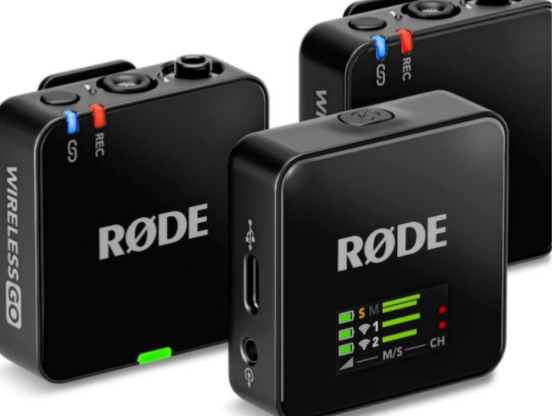
    RODE Wireless GO Mic Set
    RODE Wireless GO Mic Set

    While traditional microphones brand creators’ chests with manufacturer logos, Insta360 gives this space back to creators themselves.

    The Insta360 Mic Pro is a product of “smart addition.” It doesn’t compromise on sound quality, yet creates an entirely new interaction dimension through the E-Ink screen. This screen is not a gimmick, but a profound insight into the creator economy: when everyone is shooting video, the device itself becomes part of the content.

    The 528 yuan single-transmitter starting price makes this innovation accessible. For creators, Mic Pro is not just a microphone, but a small billboard on the chest, a visual tag for post-production alignment, and an extension of brand style.

    The wireless microphone track has crossed the basic competition stage of “good enough sound quality, stable connection,” entering the deep waters of experience differentiation. DJI uses color shells to切入 fashion and emotional value; Insta360 redefines interaction logic with the E-Ink screen. Different paths, same essence — transforming the microphone from a passive recording box into an extension of creators’ active expression.