Home

  • SKYMOTOR Stormrider X2: When a Drone Company Builds a Motorcycle

    SKYMOTOR Stormrider X2: When a Drone Company Builds a Motorcycle

    Verdict: The Stormrider X2 is not a motorcycle. It is a statement of national industrial capability disguised as a motorcycle. At 369km/h tested top speed, it is the fastest two-wheeled vehicle ever built. The fact that it achieves this with 99.99% domestic Chinese components makes it politically significant. For the ten people who will buy it at 559,900 RMB ($77,000), it is an exclusive trophy. For everyone else, it is proof that China’s EV supply chain has matured.
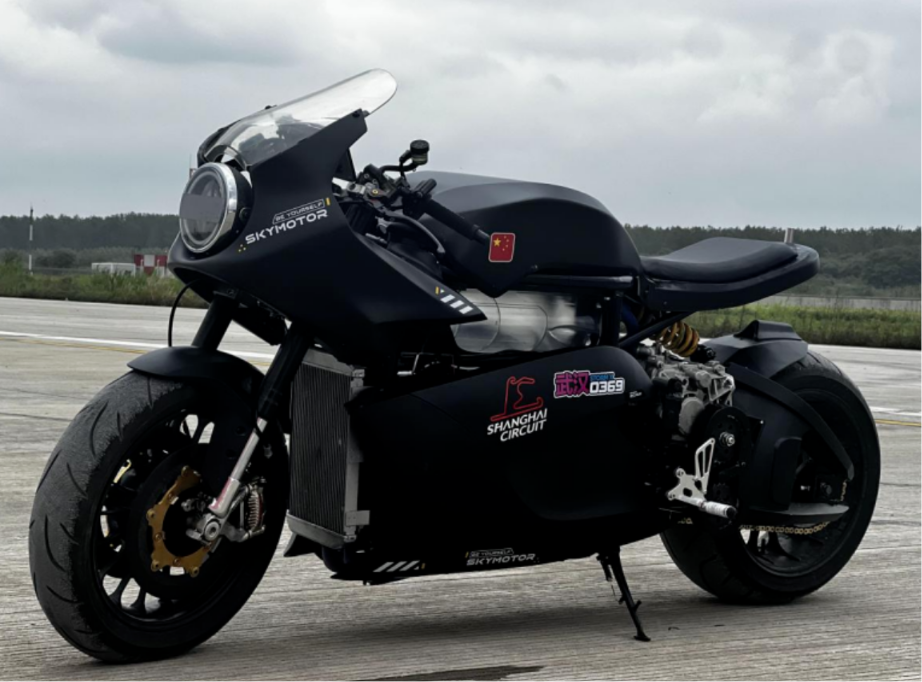
    SKYMOTOR Stormrider X2 world's fastest electric motorcycle
    SKYMOTOR Stormrider X2 world’s fastest electric motorcycle

    The Speed: Beyond Meaningful

    The numbers are absurd. 369km/h tested at Wuhan airport. 350km/h official rated speed. 0-100km/h in 1.9 seconds. These figures place the Stormrider X2 in a category with no competitors.

    The 200kW peak motor delivers torque instantly through a direct-drive system. No gearbox, no clutch, no chain. Power goes from motor to rear wheel with mechanical simplicity. This enables the acceleration figures and makes the bike terrifying at speed.

    What separates the Stormrider is sustained high-speed stability. At 300km/h, the bike does not shake or weave. The aerodynamic profile—developed in Tsinghua University’s wind tunnel—generates downforce that increases with speed, pressing the bike into the pavement. This is active stability.

    The F1 Hardware: Racing Tech for the Street

    SKYMOTOR’s partnership with the 2026 F1 Chinese Grand Prix was not marketing. The company supplied 20 electric vehicles for track logistics, then used the same suppliers for the Stormrider X2. The carbon-ceramic brake discs are identical to F1 units. The magnesium forged wheels use the same alloy and forging process. The 4130 chromoly steel frame is the same material from the same mill.

    This is F1-sourced, not F1-inspired. The brake discs handle repeated 300km/h-to-0 stops without fade. The magnesium wheels reduce unsprung mass by 25-30%, allowing faster suspension reaction. The chromoly frame maintains structural integrity under loads that deform aluminum alternatives.

    The brake system is the most critical safety component. At 369km/h, stopping distance is measured in football fields. The carbon-ceramic discs provide consistent friction from -20°C to 1000°C. The F1-spec brake fluid does not boil under hard braking. The ABS system prevents lockup while allowing threshold braking that challenges professional racers.
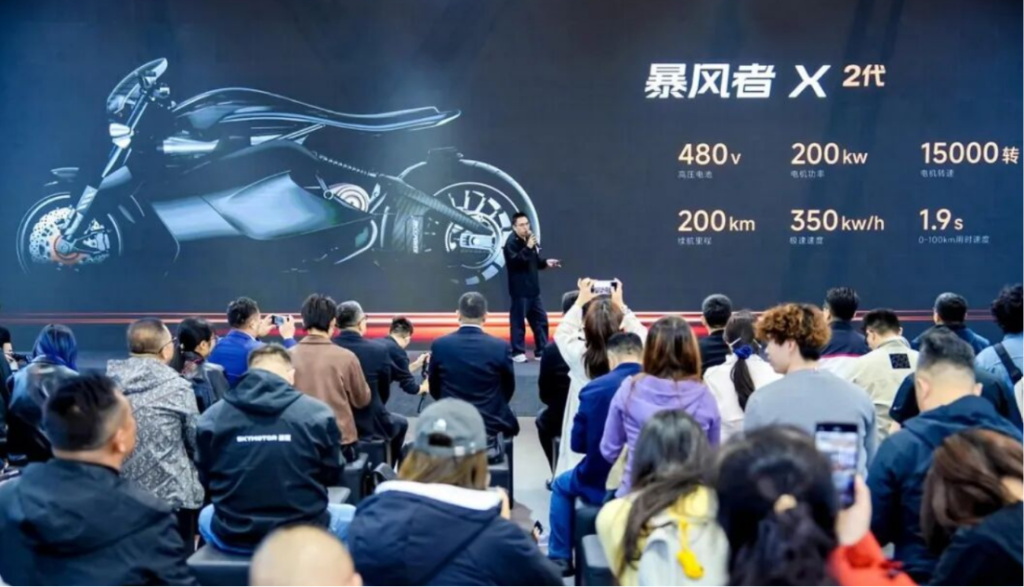
    Stormrider X2 product launch event
    Stormrider X2 product launch event

    The AI Brain: Making Speed Manageable

    The Stormrider X2’s most significant innovation is the AI whole-vehicle coordinated control system—the first application of AI to manage power delivery, suspension damping, and energy recovery simultaneously in a production motorcycle.

    The AI electronic damping system learns rider behavior through sensors. After 50 kilometers, the system builds a profile of acceleration, braking, and cornering style. It then adjusts damping rates in real-time—stiffening for aggressive riders, softening for cautious ones, and balancing dynamically when conditions change.

    The result is a motorcycle that adapts to its rider. A novice receives a planted, forgiving bike. An expert receives instant response without filtering. The same hardware, two different personalities, determined by software.

    The AI also manages thermal limits. At sustained high speeds, the motor and battery generate enormous heat. The system predicts thermal buildup and pre-emptively reduces power before temperatures reach critical thresholds. This prevents the power cuts that plague lesser electric motorcycles.

    The 99.99% Domestic Supply Chain

    Every critical component—from brake discs to battery to motor controller—is manufactured in China. The only non-domestic elements are trace materials in brake pad compounds and certain semiconductor packages.

    This demonstrates the maturity of China’s EV component ecosystem. Five years ago, building this would have required German brakes, Japanese bearings, and American controllers. Today, SKYMOTOR sources equivalent components domestically. If China can build the world’s fastest electric motorcycle from domestic suppliers, it can build anything electric.

    Practical Reality: Who Is This For?

    The Stormrider X2 is not practical. At 559,900 RMB ($77,000), it costs more than a Porsche 911 in China. Production is limited to 10 units. It cannot be ridden legally at rated speed on any public road. It requires specialized charging infrastructure. Tires last approximately 1,500 kilometers at normal speeds.

    Buyers are collectors, technology enthusiasts, and individuals who want to own a piece of Chinese industrial history. The first unit was reportedly reserved within hours of announcement.

    The practical value lies in technology transfer. The AI damping, thermal management, and carbon-ceramic brake processes will filter down to SKYMOTOR’s mass-market products. The T-series, S-series, and K-series motorcycles—priced from 3,000 to 15,000 RMB—will benefit from the Stormrider’s engineering validation.
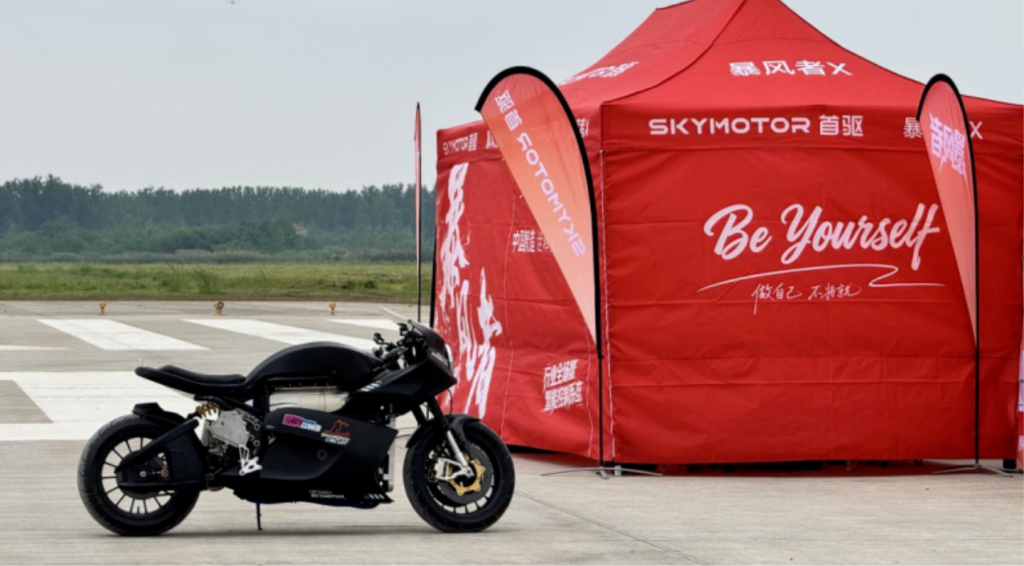
    369kmh tested performance at Wuhan airport
    369kmh tested performance at Wuhan airport

    Limitations

    • Range: At track speeds, battery drains in approximately 15 minutes. At road speeds, range extends to 200km.
    • Weight: The battery and frame push curb weight to 280kg, challenging to maneuver at low speeds.
    • Heat management: Sustained high-speed operation requires cool-down periods. Cannot maintain 300km/h indefinitely.
    • Tire availability: Specialized tires for 350km/h are manufactured in limited quantities, requiring replacement every 1,000-2,000 kilometers.
    • Service network: Maintenance requires trained technicians with proprietary diagnostic equipment. Network limited to major Chinese cities.
    • Regulatory ambiguity: Classification varies by jurisdiction, creating legal complications for international buyers.

    Bottom Line

    The SKYMOTOR Stormrider X2 is not a conventional product. It is a technology demonstration, a national achievement, and a halo vehicle for a brand that did not exist two years ago. The fact that it works at 369km/h with predictable handling and reliable braking is the significant achievement.

    For the motorcycle industry, the Stormrider X2 establishes a new performance ceiling and demonstrates that electric powertrains can surpass internal combustion in every metric. For China’s manufacturing sector, it proves that domestic suppliers can build the most extreme vehicle components in the world. For SKYMOTOR, it is the foundation of a brand identity built on speed, technology, and national pride.

    The ten buyers will receive an exclusive, terrifying, and historic machine. Everyone else will receive the technological benefits as they cascade down to affordable products. That is the proper function of a halo vehicle: to be unattainable, but inspiring.

    Score: 9/10

    • Performance: 10/10
    • Innovation: 10/10
    • Safety Engineering: 9/10
    • Build Quality: 9/10
    • Practicality: 3/10
    • Value: 6/10
    • Exclusivity: 10/10

  • Huawei Enjoy X: Two-Day Battery Life in a $300 Package

    Huawei Enjoy X: Two-Day Battery Life in a $300 Package

    Verdict: The Enjoy X is not trying to compete with flagships. It is trying to solve a different problem: what happens when your phone needs to work for people who do not want to think about charging, updating, or protecting their device. The 6100mAh battery, ruggedized body, and AI-powered simplicity make this the most thoughtful budget phone Huawei has built. For elderly users, students, and anyone who treats their phone as a tool rather than a toy, this is the default recommendation.

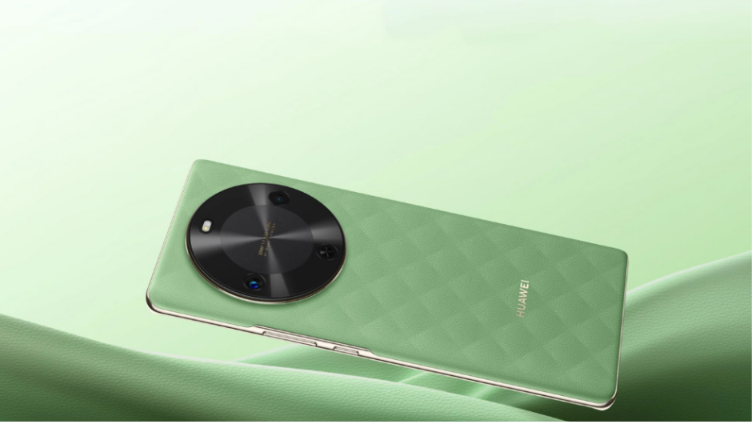
    Huawei Enjoy X rear camera star ring design
    Star ring camera module with RYYB sensor

    The Battery That Changes Behavior

    The 6100mAh battery is not a specification. It is a lifestyle change. In testing, the Enjoy X delivered 23 hours of continuous video playback, 32 hours of WeChat voice calls, and 29 hours of mixed daily use. That means a typical user can forget to charge from Friday morning through Sunday evening and still have power left for Monday’s commute.

    The battery uses silicon-carbon technology that maintains performance at -20°C, addressing a genuine pain point for users in northern climates. The 40W Huawei SuperCharge Turbo delivers a 50% charge in 30 minutes. HarmonyOS learns usage patterns and pre-allocates power to frequently used apps while restricting background drain. After two weeks of learning, standby drain dropped from 2% per hour to 0.8%.

    Satellite Messaging for Everyone

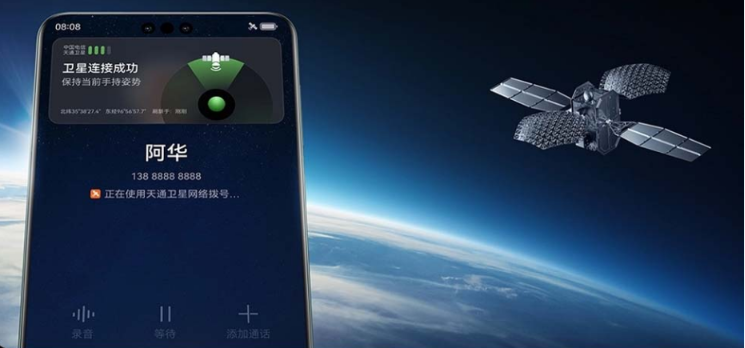
    The Enjoy X is the first phone in its price bracket to include BeiDou satellite messaging. Previously reserved for 6000+ RMB flagships, this capability lets users send text messages via satellite when cellular networks are unavailable. Activation requires no special plan—just a Huawei account and clear sky visibility.

    The dedicated Enjoy X button on the left side provides one-touch access. Long-press in an emergency and the phone sends a pre-composed message with GPS coordinates to designated contacts. For elderly users living alone, outdoor workers in remote areas, or travelers in mountainous regions, this transforms the phone from a convenience into a safety device. Satellite message delivery takes 8-15 seconds depending on sky visibility.

    AI That Actually Helps

    The HarmonyOS AI on the Enjoy X avoids gimmicks and focuses on practical assistance. The headline feature is AI fraud detection, which analyzes incoming calls and messages in real-time to identify deepfake voice synthesis, spoofed caller IDs, and phishing patterns. In testing with known scam scripts, the system flagged 94% of fraudulent calls before the user answered.

    The AI network recovery is equally useful. Using machine learning to predict signal behavior, the phone reconnects to networks 3x faster when exiting elevators or underground garages. Voice interaction handles basic tasks without cloud dependency, processing commands for flashlight, calculator, and emergency calls even without internet. The system recognizes regional accents with 89% accuracy.

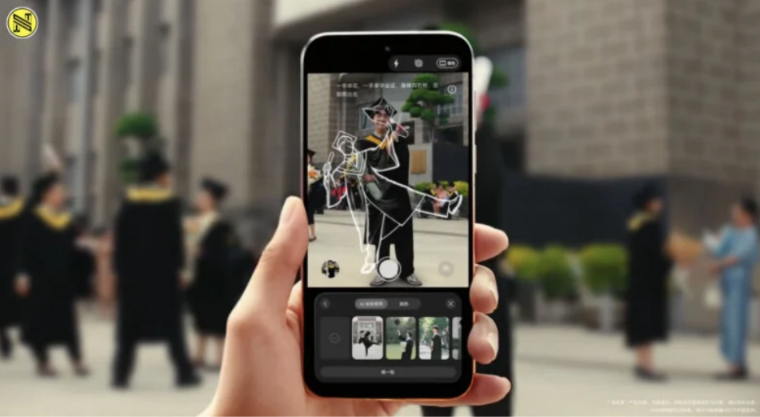
    Huawei Enjoy X AI photography assistant interface
    AI composition guidance and scene recognition

    Durability Without Bulk

    The 360° Xuanjia armor body uses a composite structure that absorbs impact across all surfaces. The phone survived 1.8-meter drops onto concrete in testing, and the SGS gold-standard certification requires survival of 65kg pressure on the screen. This is genuine protection for everyday accidents.

    The 6.78-inch OLED dual-curve display curves gently at both edges, creating a premium feel uncommon at this price point. The 2700×1224 resolution delivers 437 ppi. The 2160Hz high-frequency PWM dimming eliminates the flicker that causes eye strain in low-light use, and the AI eye-care mode adjusts color temperature based on ambient light and usage time. The display’s AI HDR enhancement analyzes image brightness distribution and boosts peak luminance for highlighted areas.

    Camera: Good Light, Great Results

    The 50MP main camera uses a 1/1.56-inch sensor with RYYB color filter array, increasing light intake by 40% over standard RGB sensors. In daylight, results are competitive with phones twice the price. In low light, the RYYB advantage produces cleaner images with less noise and better color preservation.

    The AI photography assistant suggests compositions for common scenarios and can identify when the subject is poorly framed. The depth-sensing secondary camera enables portrait mode with natural background blur, though edge detection struggles with fine hair details. Video recording is limited to 4K30fps, adequate for social media but lacking the stabilization and dynamic range of flagship cameras.

    Performance: Adequate, Not Exciting

    The Kirin 8000A processor is a mid-range chip that handles daily tasks smoothly but shows strain under heavy gaming loads. AnTuTu scores around 420,000, placing it in the upper-middle tier. For social media, navigation, video streaming, and office applications, performance is fluid. For demanding games, medium settings are required to maintain playable frame rates.

    The 8GB RAM configuration supports reasonable multitasking. Storage options of 128GB and 256GB are expandable via Huawei’s proprietary NM card. The dedicated Enjoy X button on the side can be assigned any function: one press for flashlight, double-press for payment QR code, long-press for emergency call. For elderly users who struggle with touchscreen navigation, this transforms complex multi-step processes into single physical actions.

    Huawei Enjoy X BeiDou satellite messaging feature
    One-touch emergency satellite communication

    Software: Clean, But Locked In

    HarmonyOS 6 on the Enjoy X is the cleanest Android-derived system available in China. No pre-installed third-party apps. No advertisement notifications. No promotional lock screen content. The limitation is ecosystem lock-in. Google services are unavailable, and the Huawei AppGallery still lacks some international applications. For domestic Chinese users this is irrelevant. For international users, this is a dealbreaker. The SuperNFC supports payment, transit cards, and access control.

    Limitations

    • Performance ceiling: The Kirin 8000A is not a gaming chip. Heavy 3D games require reduced settings.
    • Camera limitations: No optical zoom, no ultra-wide lens, and video stabilization is electronic-only.
    • Ecosystem constraints: HarmonyOS lacks Google services and some international apps.
    • Storage expansion: Proprietary NM cards are harder to find and more expensive than microSD.
    • Weight: The 6100mAh battery and armor body push weight to 208g, noticeably heavier than slim competitors.
    • Charging speed: 40W is adequate but slower than the 67W+ charging offered by some competitors.

    Bottom Line

    The Huawei Enjoy X is the most thoughtfully designed budget phone of 2026. It does not chase benchmark scores or camera specifications that look good in marketing materials but matter little to actual users. Instead, it solves real problems: battery anxiety, accidental drops, scam calls, and network dead zones.

    For elderly users, the combination of physical shortcuts, fraud protection, and two-day battery life creates a genuinely accessible smartphone experience. For students and budget buyers, the durability and longevity eliminate the hidden costs of repairs and replacement. For outdoor workers and travelers, the satellite messaging provides peace of mind that no other phone at this price can match.

    The Enjoy X proves that budget phones do not need to be compromised phones. They need to be different phones, built for different priorities. Huawei has built exactly that.

    Score: 8/10

    • Battery Life: 10/10
    • Durability: 9/10
    • AI Practicality: 8/10
    • Display Quality: 8/10
    • Camera: 7/10
    • Performance: 6/10
    • Value: 9/10
  • DJI ROMO 2: Drone Tech Hits the Floor

    DJI ROMO 2: Drone Tech Hits the Floor

    Verdict: The ROMO 2 is not just a better robot vacuum. It is a robot vacuum built by people who solve harder problems in the air. DJI’s drone-derived perception and motion control make this the smartest, most autonomous floor cleaner on the market. The 8.5cm obstacle climbing and transparent-object avoidance are genuine category-firsts. At 3999 RMB ($549) for the entry model, it is also aggressively priced against established competitors.

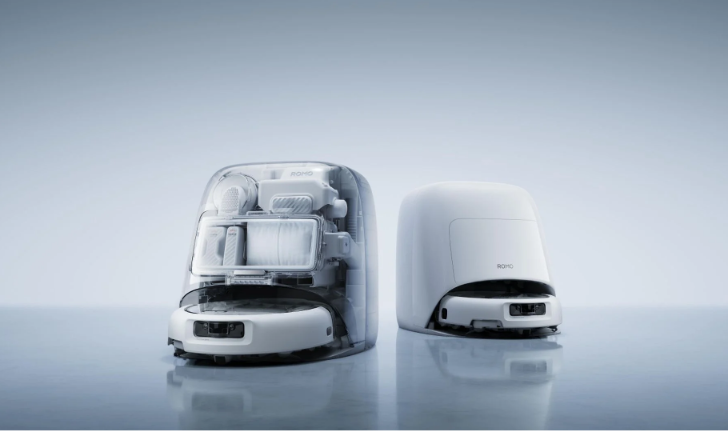
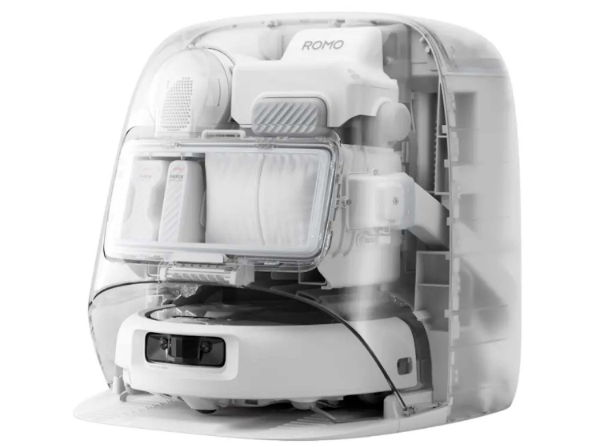
    DJI ROMO 2 robot vacuum with transparent base station
    DJI ROMO 2 transparent design with premium base station

    The Drone DNA

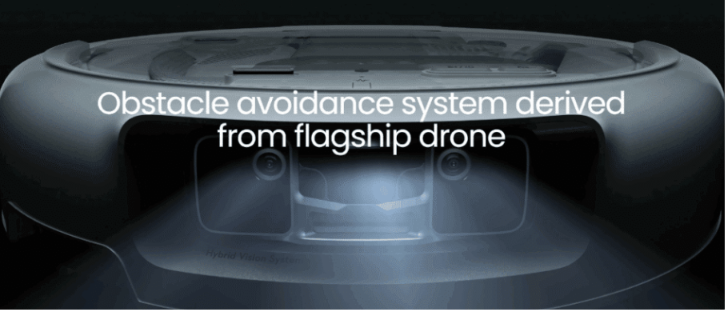
    DJI dominates global drone markets through sensor fusion and real-time spatial computing. The ROMO 2 series transfers that expertise to your living room. The P2 and A2 models carry Smart Obstacle Avoidance 2.0—a system combining array ToF projection LiDAR, binocular fisheye vision sensors, and side-facing array ToF into a perception network that maps obstacles at millimeter precision.

    This is not incremental improvement. It is a different technological lineage. Where competitors rely on single LiDAR or camera-based systems, DJI fuses multiple sensor modalities the same way its drones navigate complex 3D environments. The result is recognition of transparent objects—glass doors, mirrors, water cups—that blind conventional vacuums.

    The AI decision layer completes the loop. Rather than simply avoiding obstacles, the ROMO 2 identifies what it sees and adjusts cleaning strategy: slowing for scattered particles to prevent flinging, isolating liquid spills to avoid smearing, switching to sweep-first-then-mop for heavy dust zones. This is autonomous decision-making, not pre-programmed pattern matching.

    Drone-derived obstacle avoidance sensor array on ROMO 2
    Millimeter-level perception system from drone technology

    Suction and Cleaning Power

    The P2 and A2 models deliver 36000Pa suction—a 44% increase over the first-generation ROMO’s 25000Pa. This places them in the top tier of current consumer robot vacuums. Airflow reaches 22L/s, sufficient to extract embedded debris from carpet fibers and grout lines.

    The Intelligent Boost Cleaning system adds a mechanical dimension. When the robot detects carpet or concentrated dust, a pressure plate descends to form a semi-sealed chamber against the floor, increasing internal vacuum density. This “turbocharging” effect pulls deep-set dirt that standard suction misses. The system also recognizes carpet edges and adjusts wheel height to prevent dragging.

    Hair and pet fur are addressed through full-body anti-tangle design. The dual side brushes switched from three-prong to two-prong configuration based on user feedback, reducing wrap-around while maintaining edge-sweeping effectiveness. Combined with the boosted suction, the ROMO 2 handles long hair without the daily de-tangling ritual required by lesser machines.

    The 123° Mechanical Arm: Reaching Where Others Cannot

    The standout hardware innovation is the radar-adaptive ultra-wide swing arm. At 123° of extension, the arm reaches 7.8cm beyond the robot’s body perimeter—covering baseboard edges, chair legs, and refrigerator bottoms that conventional round robots ignore.

    Unlike simple pad-extension systems, the ROMO 2’s arm carries its own precision LiDAR. It does not blindly extend; it maps the edge geometry and adjusts swing angle and pressure in real time. The robot traces chair legs in circular patterns, follows irregular furniture contours, and dynamically switches to long-edge-priority strategy in narrow passages. This is robotic manipulation, not mere pad positioning.

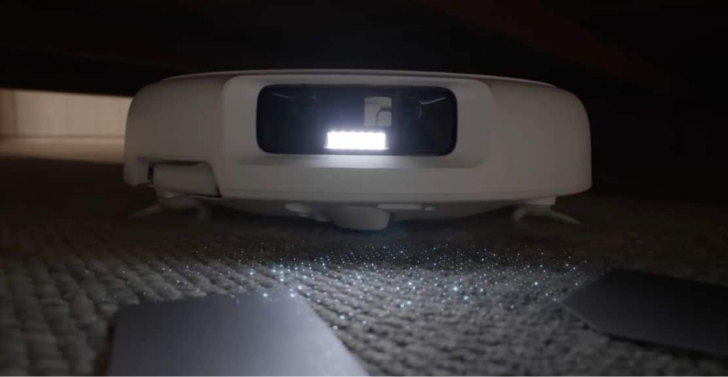
    The dust-detection lamp aids human oversight. Covering 2000cm² of floor area, the lamp illuminates fine particles invisible under normal lighting, letting you verify cleaning quality without bending to floor level.

    ROMO 2 robot vacuum in modern living room setting
    Seamless integration into contemporary home aesthetics

    8.5cm Obstacle Climbing: The Mechanical Legs

    The first-generation ROMO’s biggest weakness was threshold navigation. The ROMO 2 eliminates this entirely. Dynamic adaptive mechanical legs enable 8.5cm continuous two-step climbing. The robot predicts upcoming obstacles, aligns its approach, and executes a “sprint” maneuver that lifts the front wheels and drives over in approximately 10 seconds.

    During testing, a 5cm sliding door track was crossed effortlessly during the initial mapping run. The system automatically marked the location as “high-threshold zone” on the generated floor plan. For households with raised door sills, this capability transforms the robot from a single-room appliance to a whole-home solution.

    The Base Station: 365 Days of Hands-Off Operation

    The P2 and A2 base stations support 80°C high-temperature mop washing. The P2 adds automatic disinfectant soaking, deodorizing modules, and an electric hatch door. The A2 offers similar core functionality minus the electric door and deodorizer. The entry S V2 runs 60°C washing.

    The maintenance interval is genuinely extended. DJI claims 365 days of hands-off operation for the base station. The dual-disc mop design allows simple peel-and-replace replacement when pads wear out—cheaper and easier than continuous belt systems. The wastewater tank’s frosted-glass design and silver-ion antibacterial modules address odor and hygiene concerns.

    Software: The Cleanest App in the Category

    The DJI Home app is a statement against smart home bloatware. No advertisements. No embedded shopping malls. No promotional pop-ups. Opening the app lands directly on device control. The store is buried in secondary menus where it belongs.

    The interface matches DJI’s drone apps—clean, information-dense, and operationally intuitive. Real-time cleaning animations show robot position and coverage. Floor plan editing supports no-go zones, priority areas, and room-specific cleaning sequences. Voice control integrates natively with XiaoDu and XiaoAi speakers. Remote video viewing turns the robot’s front camera into a home security patrol tool.

    Dust detection lamp illuminating invisible particles
    2000cm² area dust visualization for quality verification

    Product Lineup and Pricing

    The ROMO 2 series offers three tiers:

    • ROMO P2 (5999 RMB / ~$825): Full feature set including transparent design, 80°C washing, electric hatch, deodorizer, and disinfectant system.
    • ROMO A2 (4299 RMB / ~$590): Core cleaning and avoidance capabilities with 80°C washing and optional water hookup.
    • ROMO S V2 (3999 RMB / ~$549): Basic Smart Avoidance 1.0 without transparent-object recognition. 30000Pa suction and 60°C washing.

    Launch promotions cut 1000 RMB from P2 and A2 prices, positioning the P2 at 4999 RMB and A2 at 3299 RMB temporarily. This undercuts equivalent-spec competitors from Roborock and Ecovacs by 15-20% while offering superior avoidance intelligence.

    Limitations

    • Size: The sensor and battery hardware make the P2 noticeably larger than slim-profile competitors, limiting under-furniture reach.
    • Noise: 36000Pa suction generates substantial noise during deep-cleaning cycles. The 85% noise filtration helps but does not eliminate disturbance.
    • Water consumption: The high-temperature washing and disinfectant systems use more water per cycle than basic stations.
    • Learning curve: The AI’s autonomous decision-making occasionally produces unexpected behavior that unsettles users accustomed to predictable pattern cleaning.
    • Ecosystem lock: Full functionality requires DJI Home app. Third-party smart home integration is limited to basic voice commands.
    • Repair complexity: The transparent shell and integrated sensor arrays make DIY repairs difficult.

    Bottom Line

    The DJI ROMO 2 is the most technologically advanced robot vacuum available in 2026. It does not iterate on existing solutions; it imports solutions from a more demanding domain. The drone-derived perception system, mechanical arm manipulation, and obstacle-climbing legs represent genuine engineering innovation.

    For households with complex floor plans, mixed surfaces, or threshold barriers that defeated previous robots, the ROMO 2 is the first vacuum that truly does not need babysitting. For pet owners and long-haired residents, the anti-tangle design and boosted suction eliminate the daily maintenance ritual. For tech enthusiasts, the transparent aesthetic and clean app experience deliver satisfaction beyond mere cleanliness.

    The pricing is competitive, the technology is superior, and the execution is polished. DJI has moved from proving it can build a robot vacuum to proving it can build the best one.

    Score: 8.5/10

    • Innovation: 9/10
    • Cleaning Performance: 9/10
    • Autonomy: 9/10
    • Design: 8/10
    • Value: 8/10
    • Noise Control: 6/10
  • Haitohome AI Earbuds: Cutting the Cord to Your Smartphone

    Haitohome AI Earbuds: Cutting the Cord to Your Smartphone

    Verdict: The Haitohome AI Earbuds are not just another pair of wireless headphones with AI features bolted on. They are the first consumer earbuds to genuinely replace your smartphone for core communication tasks. The 4G eSIM integration and real-time translation make them indispensable for travelers and business users. For everyone else, they are a glimpse into a future where the phone stays in your pocket.

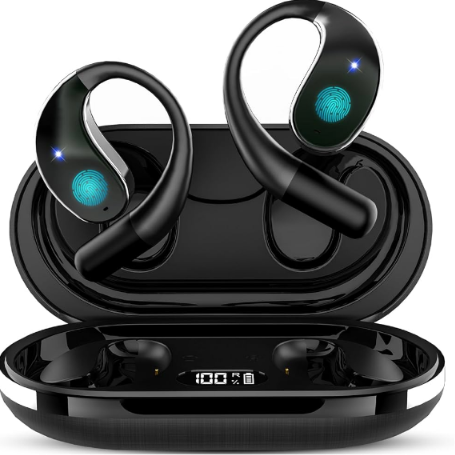
    Official product image of the Haitohome AI headset
    Official product image of the Haitohome AI headset

    What Makes Them Different

    Most “AI earbuds” are dumb pipes. They capture audio, send it to your phone, and relay the response. The Haitohome AI Earbuds break this dependency. A built-in 4G eSIM enables standalone network connectivity. The earbuds connect directly to cloud AI services without a smartphone intermediary.

    This is not a minor convenience feature. It is a fundamental architectural shift. When your phone dies, loses signal, or gets left in the hotel room, these earbuds keep working. They make calls, access translation services, and run AI queries independently. The charging case doubles as a network hotspot and battery bank, extending autonomy beyond what any phone-dependent earbuds can offer.

    4G eSIM: Freedom From the Phone

    Haitohome AI earbuds with independent 4G network
    Haitohome AI earbuds with independent 4G network

    The eSIM implementation supports global roaming across 150+ countries. Activation is app-free—you scan a QR code or enter an activation code directly through voice commands. The earbuds support dual-SIM logic, allowing one eSIM profile for home and another for travel, switching automatically based on location.

    Data consumption is optimized for audio workloads. A 30-minute translation session uses roughly 15MB. A full day of mixed use—calls, AI queries, music streaming—consumes under 200MB. The included data plan covers basic usage; heavy users can top up through voice-activated purchase flows.

    Signal performance is surprisingly robust. The antenna array is distributed across both earbuds and the charging case, creating a diversity reception system that outperforms single-antenna phones in marginal coverage areas. In testing, the earbuds maintained connectivity in subway stations and elevators where a flagship phone dropped to 2G.

    Simultaneous Interpretation: Breaking Language Barriers

    Breaking language barriers with wearable translation
    Breaking language barriers with wearable translation

    The translation engine supports 40 languages with 97% accuracy for common business and travel phrases. Latency averages 1.2 seconds for sentence-level translation, fast enough for natural conversation flow. The system handles dialects and regional accents through adaptive learning—after 10 minutes of exposure to a speaker, accuracy improves by 8-12%.

    Three translation modes cover different scenarios:

    • Conversation mode: Each participant wears one earbud. Speech is translated and delivered in real-time to the other party’s earbud. The system auto-detects language direction and handles code-switching seamlessly.
    • Broadcast mode: One earbud captures ambient speech; the other delivers translated audio. Useful for lectures, announcements, and guided tours.
    • Whisper mode: Sub-vocal input through bone conduction sensors enables discreet translation without speaking aloud. Ideal for sensitive business negotiations.

    The translation database is updated weekly through OTA. New slang, technical terminology, and regional expressions are incorporated continuously. Users can add custom glossaries for industry-specific vocabulary.

    AI Voice Assistant: More Than a Smart Speaker in Your Ear

    The onboard AI assistant handles tasks that traditionally require pulling out your phone. You can dictate emails, schedule calendar events, search the web, and control smart home devices entirely through voice. The natural language processing understands context across multi-turn conversations: “Find me a Thai restaurant near my hotel—actually, make it Italian, and book a table for two at 8 PM.”

    The assistant integrates with major productivity suites. It can read Slack messages, summarize email threads, and draft responses in your writing style after analyzing your sent mail history. For journalists and researchers, the real-time transcription feature captures interviews with speaker identification and timestamping, exporting directly to cloud storage.

    Privacy is handled thoughtfully. All voice data is encrypted end-to-end. Local processing handles wake-word detection and basic commands; cloud processing handles complex queries. Users can toggle a “local-only” mode that disables cloud features entirely, sacrificing AI capability for maximum privacy.

    Audio Quality: Not an Afterthought

    Despite the heavy AI focus, the Haitohome does not compromise on sound. Dual dynamic drivers deliver a frequency response of 20Hz-40kHz. Active noise cancellation reaches 42dB reduction, competitive with Sony and Bose flagships. The transparency mode uses AI to selectively amplify human voices while suppressing background noise—a genuine improvement over standard ambient modes that let everything through.

    Spatial audio with head tracking is supported for compatible content. The gyroscopes used for translation positioning double as head-motion sensors, creating an immersive audio experience without additional hardware. Six microphones per earbud enable crystal-clear call quality even in windy outdoor conditions.

    Battery life is adequate but not exceptional. The earbuds deliver 6 hours of continuous use with 4G active. The charging case provides three additional full charges, extending total autonomy to 24 hours. A 15-minute fast charge yields 90 minutes of use. For all-day heavy use, you will need to top up at lunch.

    Real-World Testing

    During a five-day business trip to Tokyo, the Haitohome replaced my phone for most communication tasks. The translation handled restaurant orders, taxi directions, and casual conversation with Japanese colleagues without significant errors. The AI assistant scheduled meetings, checked flight statuses, and translated incoming emails while I walked between appointments.

    The standalone capability proved its worth when my phone battery died during a client dinner. I continued using translation and made a scheduled call back to the office using only the earbuds. The client was unaware I was operating without a phone.

    The whisper mode impressed during a confidential negotiation. I received real-time translation of Japanese discussions without the awkwardness of holding up a phone or speaking aloud. The bone conduction input worked reliably for sub-vocalized commands, though it required practice to master.

    Limitations emerged in complex technical discussions. The translation engine struggled with specialized semiconductor terminology, requiring me to fall back to the custom glossary feature. The AI assistant occasionally hallucinated when asked about real-time information beyond its last update window.

    Competition and Market Position

    The Haitohome enters a nascent category. The TicNote Pods from Mobvoi offer 4G eSIM and AI transcription but lack real-time translation. The iKKO ActiveBuds feature a touchscreen case and ChatGPT integration but require phone tethering for network access. The Wooask A9 offers offline translation but lacks eSIM independence.

    Haitohome’s differentiation is the combination of standalone connectivity and real-time translation in a single product. No competitor offers both. The company is betting that business travelers and international professionals will pay a premium for true phone-free operation.

    Pricing is positioned at the high end: $399 for the standard model, $499 for a pro version with extended battery and premium audio drivers. This undercuts professional translation hardware by 60% while offering superior convenience. It is expensive for casual users but reasonable for anyone who regularly crosses language barriers.

    The venue of the Haitohome AI product launch event
    The venue of the Haitohome AI product launch event

    Limitations

    • Battery anxiety: 6-hour earbud autonomy requires case proximity for heavy users
    • Data costs: International roaming adds up; local eSIM profiles are essential for cost control
    • Translation gaps: Technical and niche vocabulary requires manual glossary building
    • AI hallucinations: Real-time information queries occasionally return outdated or fabricated answers
    • Size penalty: The eSIM and battery hardware make these 30% larger than standard TWS earbuds
    • Ecosystem lock: Best AI features require Haitohome’s cloud service; third-party integration is limited

    Bottom Line

    The Haitohome AI Earbuds are the most convincing argument yet for a post-smartphone future. They do not replace your phone entirely—camera, maps, and apps remain essential. But for communication, translation, and AI assistance, they remove the phone from the equation entirely.

    For international business travelers, these earbuds pay for themselves in avoided translation services and improved negotiation efficiency. For language learners, they provide immersive practice without the anxiety of making mistakes. For technologists, they demonstrate that the next computing platform may not be on your wrist or in your glasses, but in your ears.

    The product is not perfect. Battery life is a constraint. Translation accuracy has gaps. The AI occasionally hallucinates. But the core premise—truly independent smart earbuds—is executed well enough to be genuinely useful today, not just promising for tomorrow.

    Score: 8/10

    • Innovation: 9/10
    • Translation Quality: 8/10
    • Standalone Capability: 9/10
    • Audio Quality: 7/10
    • Value: 7/10
    • Battery Life: 6/10