Home

  • NextSense Smartbuds True Wireless EEG AI Earphones

    NextSense Smartbuds True Wireless EEG AI Earphones

    In the evolution of wearable devices, we’ve seen a shift from the wrist (smartwatches) to the eyes (AR glasses), and finally to the ears (TWS earbuds). However, most existing earbuds remain at the “output” level—playing music and transmitting voice—rarely able to truly “input” the user’s inner state. This impasse was completely broken with the emergence of NeuroFlow Dynamics. As a cutting-edge technology company deeply rooted in non-invasive brain-computer interfaces (BCI) and edge computing, NeuroFlow Dynamics is committed to consumerizing laboratory-level EEG monitoring technology. Their vision is both grand and compassionate: to enable machines to understand human emotions and focus, thereby building a proactive intelligent ecosystem that “understands your needs and responds to your desires.” NextSense Smartbuds are the culmination of five years of research and development by this startup; they are not just earbuds, but the first key to self-awareness and efficient interaction.

    Redefining Hearing: From Passive Reception to Active Perception
    NextSense Smartbuds
    NextSense Smartbuds

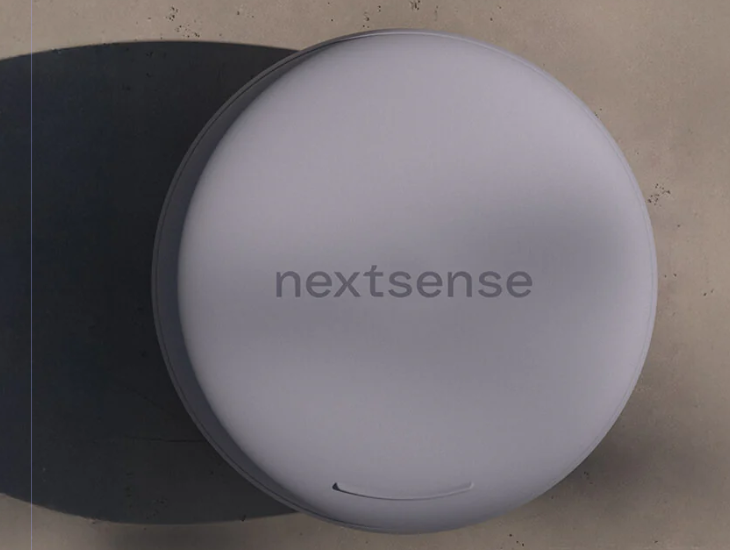
    NextSense Smartbuds are a revolutionary product: the world’s first true wireless AI earbuds integrating dry EEG sensing technology. They are no longer just audio playback devices, but intelligent terminals capable of interpreting a user’s brain activity, emotional state, and cognitive load in real time. Their core concept lies in “neurofacial feedback loops,” which adjust audio output or trigger intelligent operations by monitoring brainwaves, achieving a paradigm shift in human-computer interaction.

    Its core highlights are mainly reflected in three dimensions:

    First is the invisible EEG monitoring array. Unlike traditional bulky devices that require the application of conductive gel, NextSense integrates miniature dry electrode sensors inside the earphone stem, close to the skin behind the ear, and can capture key EEG bands such as Alpha (relaxation), Beta (focus), and Theta (meditation) with a medical-grade signal-to-noise ratio.

    Secondly, there’s the context-adaptive audio engine. Based on real-time EEG data, the AI algorithm automatically adjusts the noise reduction depth and sound effect style. When you enter a deep working state (high Beta waves), the headphones automatically enhance noise isolation and play white noise to improve focus; when you feel anxious (abnormal high-frequency Gamma waves), it seamlessly switches to soothing meditation-frequency music to guide the brain back to calm.

    Finally, there’s mind-assisted interaction. While it can’t completely replace manual operation, NextSense supports specific “thought commands.” For example, users can simply imagine “answer” or “skip” in their minds, combined with tiny electrical muscle signals (EMG), to achieve hands-free operation. This is revolutionary for interaction in motion scenarios or when both hands are busy.

    In-depth analysis: The neural laboratory hidden behind the auricle

    In order to fit an EEG monitoring module into the tiny earphone cavity, NextSense Smartbuds demonstrates amazing ingenuity and resourcefulness in hardware engineering.

    Sensing System: The earphones are equipped with a custom NeuroChip X1 chip, an NPU designed specifically for low-power EEG signal processing. Combined with six sets of highly sensitive dry electrodes and a sampling rate of up to 500Hz, it effectively filters out electromyographic interference from blinking, chewing, and other sensory inputs. Furthermore, it integrates a PPG heart rate sensor and a GSR (Geodermal Response) sensor; this multimodal data fusion improves emotion recognition accuracy to 92%.

    NextSense Smartbuds--Smart Terminals
    NextSense Smartbuds–Smart Terminals

    Audio Architecture: Sound quality is not compromised despite the complexity of its functions. It employs an 11mm diamond-like diaphragm dynamic driver and supports the LDAC high-definition transmission protocol. Its unique “neuroacoustic tuning” technology dynamically balances the frequency response curve based on the user’s real-time brainwave state, ensuring that the sound is not only pleasant to listen to but also “tailored to the specific needs.”

    Battery life and charging: Since EEG monitoring is a high-power-consumption activity, NextSense incorporates a high-density silicon-carbon anode battery. A single charge provides 5.5 hours of use with full-function monitoring enabled, and up to 8 hours with EEG mode disabled. Combined with the wireless charging charging case, the total battery life reaches up to 24 hours.

    Privacy and Security: EEG data is considered the highest level of biometric privacy. NextSense employs on-device encryption technology, ensuring that all raw brainwave data is processed only on the local chip, with only anonymized feature vectors uploaded to the cloud. A physical privacy switch is located on the device, allowing for one-button power cutoff to all biosensors.

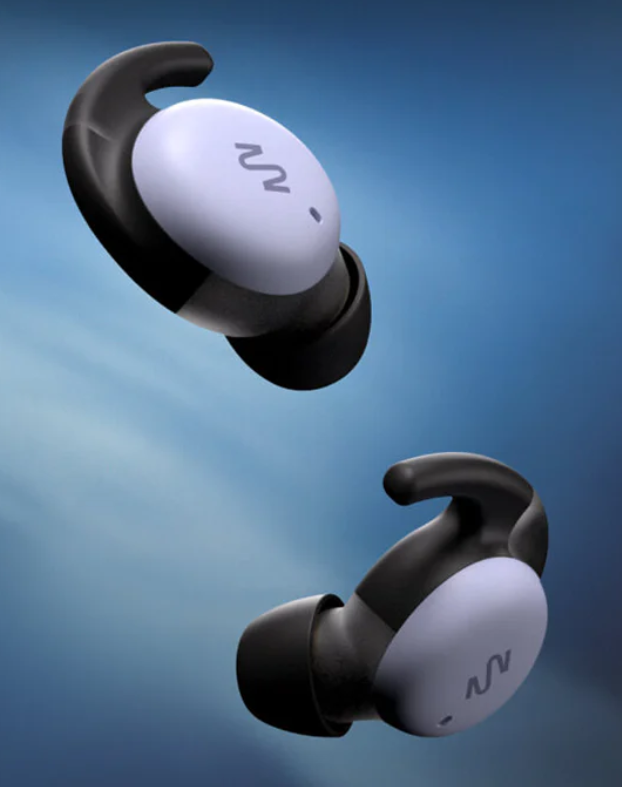
    Wearing design: The ergonomic liquid silicone ear hook design ensures stable contact between the electrodes and the skin. The total weight of the device is controlled at 6.8 grams per ear, so there is no obvious pressure even after wearing it for a long time.
    NextSense Smartbuds Product Image
    NextSense Smartbuds Product Image

    Value assessment and target audience profiling

    As a groundbreaking product, the NextSense Smartbuds’ pricing strategy reflects its high R&D costs and technological barriers. Currently, the global initial suggested retail price is $ 249 . Highly recommended for:

    For high-pressure professionals and knowledge workers: NextSense is an excellent productivity tool for programmers, designers, or analysts who need to maintain focus for extended periods and manage stress. It quantifies your focus duration and helps you enter a state of “flow” faster through audio feedback. For a $ 249 investment, a 10% increase in productivity offers a return far exceeding the cost.

    For meditation enthusiasts and mental health professionals: Traditional meditation is difficult to assess in terms of effectiveness, while NextSense provides real-time brainwave visualization feedback, making the meditation process quantifiable and progressive. It is a “meditation mentor” for the digital age.

    For tech enthusiasts and early adopters: If you’re passionate about experiencing cutting-edge technology and eager to explore the future of brain-computer interfaces, this product is definitely worth collecting.

    Special needs group: For users with limited hand mobility who still wish to independently control electronic devices, its mind-assisted interaction function provides valuable independence.

    Purchase Caution Notice:

    If you are extremely sensitive to privacy and have concerns even with on-device encryption, or if you simply need a pair of top-quality HiFi headphones and don’t care about health features, then NextSense might not be the best choice. Furthermore, dry electrodes are very particular about placement, and you may need some time to learn how to find the optimal signal point initially. For students with limited budgets, the nearly $300 hardware plus subscription fee is also a significant expense.

    Conclusion: A Bridge to the Inner World

    After in-depth testing and evaluation, NextSense Smartbuds delivered a stunning performance. It successfully brought brain-computer interface, previously only seen in science fiction movies, into real life. The most touching moment wasn’t the novelty of changing songs with your mind, but rather when you’re working late into the night, feeling anxious and on the verge of collapse, the earbuds sensitively detected the erraticities in your brainwaves and automatically played a soothing melody specifically generated for your current brainwave frequency. Watching your alpha waves gradually stabilize on the app, the feeling of being gently supported by technology is indescribable.

    Of course, as a first-generation product, its signal stability under extreme sports conditions still has room for improvement, and the false touch rate of mind recognition also needs to be further reduced through subsequent OTA upgrades. However, its merits outweigh its flaws; the birth of NextSense Smartbuds marks a new era for wearable devices, moving from “monitoring vital signs” to “interpreting the mind.”

    In today’s era of rapid advancements in artificial intelligence, we often worry that machines will become indifferent. But NextSense tells us that true intelligence should be empathetic. It doesn’t attempt to replace human thinking, but rather helps us better manage our emotions and attention by understanding the ripples in our thoughts.

    The best technology is not about turning humans into machines, but about enabling machines to care for people like humans do. NextSense Smartbuds are more than just headphones; they are a bridge connecting the external digital world with our profound inner universe .


  • LEGO 2026 Smart Bricks

    LEGO 2026 Smart Bricks

    LEGO World
    LEGO World

    Release date: March 2, 2026

    Product reviewed: LEGO Star Wars Smart Brick Series

    Reference Price: Starting at approximately $100 per set, complete set at approximately $250

    Recommended age: 9 years and up

    Keywords: Internet of Things, speech synthesis, NFC interaction, immersive experience

    Introduction: The Leap from “Assembly” to “Symbiosis”

    At the 2026 Consumer Electronics Show (CES), LEGO showcased a groundbreaking new product—a smart brick with a microcomputer, speakers, and sensors. Months later, this product, hailed as “LEGO’s most important evolution in half a century,” finally opened its doors to consumers worldwide on the 1st of this month.

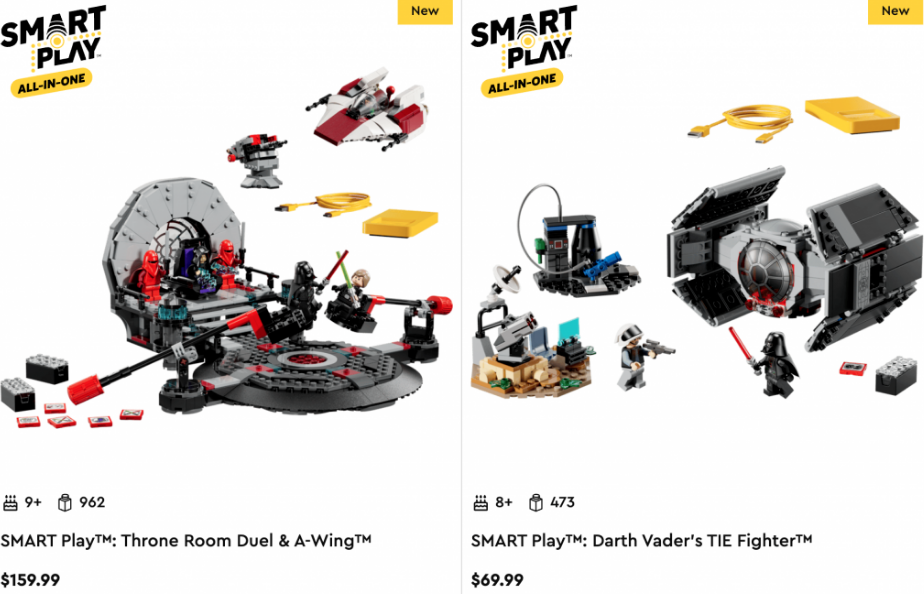
    This initial launch focuses on the Star Wars IP, encompassing several classic designs including the Millennium Falcon. This is more than just a simple packaging upgrade; LEGO is attempting to transform the traditional building experience into a “living” game with digital interactivity. So, is this little “smart brick” truly worth the price?

    I. Technical Architecture: The Beginning of an Ecosystem

    Unlike previous systems that relied solely on electric power, the new intelligent system is built on a more complex three-layer architecture, designed to enable perception and feedback between objects:

    1. SMART Brick: The “brain” of the system. This is a specially modified classic 2×4 block that integrates the main control chip, battery, and audio unit. It is responsible for processing commands and outputting visual and auditory feedback.
    2. Smart Tag: Equivalent to an “information carrier.” This is a special NFC patch that is attached to the surface of a building or vehicle to define the object’s attributes (such as “airplane” or “house”).
    3. SMART Minifigure: A character with a unique ID. When a minifigure with a built-in chip approaches a specific area, it can be recognized by the intelligent core and trigger a preset storyline.

    It is worth noting that all three are indispensable to achieve maximum effectiveness, but Lego ‘s current sales strategy does not seem to be very friendly.

    II. Interactive Experience: A Coexistence of Surprises and Compromises

    In actual use, we focused on testing two dimensions: character interaction and physical feedback.

    1. Story-driven voice feedback

    The most intuitive function is the characters’ “dialogue.” For example, placing Han Solo’s AI character in the Mos Eisley tavern scene will automatically play the sound effects of the two confronting each other. However, the technology here does not directly play back the pre-recorded movie soundtrack, but rather uses text-synthesized electronic voices.

    The advantage of this technology is its high flexibility, theoretically allowing for an unlimited generation of new lines; the disadvantage is that the timbre is somewhat stiff and the texture is rather mechanical. Some players jokingly describe the sound as “like someone talking on the phone while using a vacuum cleaner,” which vividly expresses the roughness of the sound but also reflects the limitations of current synthesis technology in emotional expression. For fans who pursue highly realistic sound, this may be an unacceptable disappointment.

    2. Physical sensor linkage

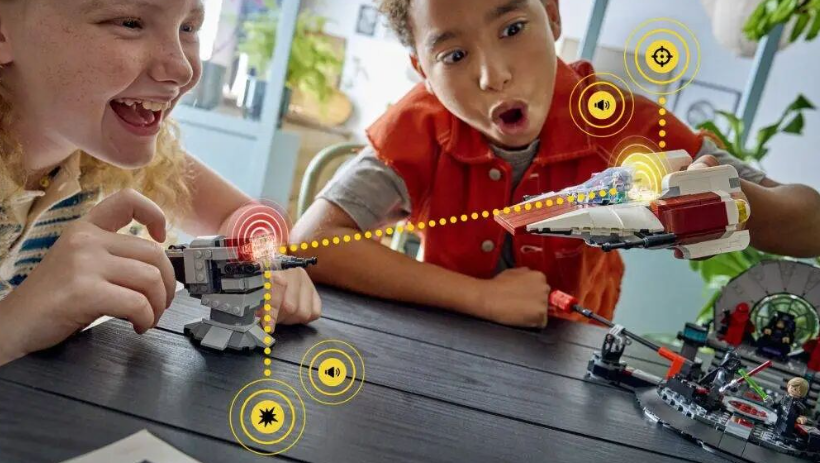
    The smart building blocks are more than just a player; they also retain the attribute of being a “sensor.” On a Red Five X-Wing fighter jet model, we discovered an ingenious detail: a physical spring structure is connected to a red switch on the fuselage. When the player presses this button, the physical displacement is captured by the internal sensor, triggering the sound effect of the fighter jet firing.

    This method of combining mechanical structures with digital signals is more tangible than simple NFC sensing, and it brings “playing with building blocks” back to the hands-on operation itself, rather than just staring at the screen.

    LEGO Star Wars Smart Brick Series
    LEGO Star Wars Smart Brick Series

    III. Cost Analysis: The Consumption Barriers Caused by Fragmentation

    Despite the product’s innovative nature, its initial marketing strategy sparked considerable controversy.

    Of the eight launch sets currently released on the official website, only some are equipped with the core “Smart Blocks.” This means that if players want to experience the full Star Wars universe crossover, they cannot simply rely on purchasing individual large items (such as the expensive Millennium Falcon); they will also need to supplement with specific basic sets.

    LEGO Smart Components
    LEGO Smart Components

    Taking the creation of a small, dynamic scene comprising “spaceship + scene + key characters” as an example, consumers often need to hold the following three products simultaneously:

    • Vehicles equipped with smart building blocks (such as the X-Wing or TIE fighter jets)
    • Scene packages that include smart tags (such as Yoda’s Hut)
    • The main character figure equipped with an NFC chip (usually included in other sets).

    Roughly calculated, to obtain the full interactive capabilities of the three components mentioned above, the total expenditure for users could reach $250. Considering that the smart blocks cannot be sold individually and there is no option to repurchase from existing inventory, this bundled sales strategy significantly raises the entry barrier for ordinary users. For users who only want to try a small portion of the features, the cost-effectiveness appears low.

    IV. Summary of Advantages and Disadvantages

    ✅ Points to be commended:

    1. The ecosystem has enormous potential: once the hardware becomes widespread, players will be able to freely combine storylines like building blocks, making it possible to recreate the grand scenes of an entire movie.
    2. Innovative Interaction Logic: The hybrid interaction method combining physical buttons and NFC increases the fun of exploration.
    3. Compatibility preserved: You can still create using regular LEGO pieces; the smart features are just overlays and do not completely enclose the creative space.

    ❌ Existing shortcomings:

    1. Low voice fidelity: The synthesized voice has poor quality and lacks the emotional color of a realistic performance.
    2. Difficulty in obtaining spare parts: Uneven distribution of core components, forcing decentralized purchases, leads to a surge in total costs.
    3. Lack of standalone sales: Currently, it is not possible to purchase “smart building blocks” separately to replace the old model, which hinders the upgrade path for existing users.

    V. Purchase Recommendations

    Recommended purchase:

    If you’re a die-hard Star Wars fan with a generous budget and want to be among the first to experience LEGO’s future interactive direction, this set offers a unique perspective. It makes you feel like the model in your hands is no longer static, but has come to life.

    We recommend waiting and observing:

    If you value the pure experience of building the set, or have high expectations for the sound quality of children’s toys (especially if you have a child at home who is sensitive to sound), the current version may not meet your expectations. Furthermore, the high cost of exchanging parts is a significant consideration if you plan to collect the entire set.

    Conclusion

    The Starting Path of LEGO
    The Starting Path of LEGO

    From its first wooden toy car in 1932 to this intelligent building block set launched in March 2026, LEGO has always adhered to its “play well” brand philosophy, providing high-quality play experiences for users around the world.

    The SMART Brick series is undoubtedly a solid step forward for LEGO in its digital transformation. It technically proves the possibility of combining physical bricks with digital content, but there is still room for optimization in its commercial application.

    With the launch of more non-IP-based smart kits and the possibility of independent supply of core components, this system may become more accessible. But for now, it’s more like an expensive and fascinating technological experiment .

  • Mooni M1: AI Companion Agent

    Mooni M1: AI Companion Agent

    In today’s digital age, “screen time” has become a hidden pain for countless parents. We yearn for technology to empower education, yet we fear that cold glass screens will isolate children from the warmth of the real world, even damaging their eyesight and concentration. It is in this contradiction and expectation that Mooni Labs was born. As a cutting-edge technology company focused on “AI for Good,” Mooni Labs’ mission is not to create another electronic toy that children will become addicted to, but to use generative artificial intelligence to reconstruct children’s emotional connections and cognitive exploration. They firmly believe that AI should not be a substitute for parental affection, but rather a catalyst, designed to stimulate children’s curiosity while freeing parents from tedious repetitive questioning and allowing them to return to high-quality emotional companionship.

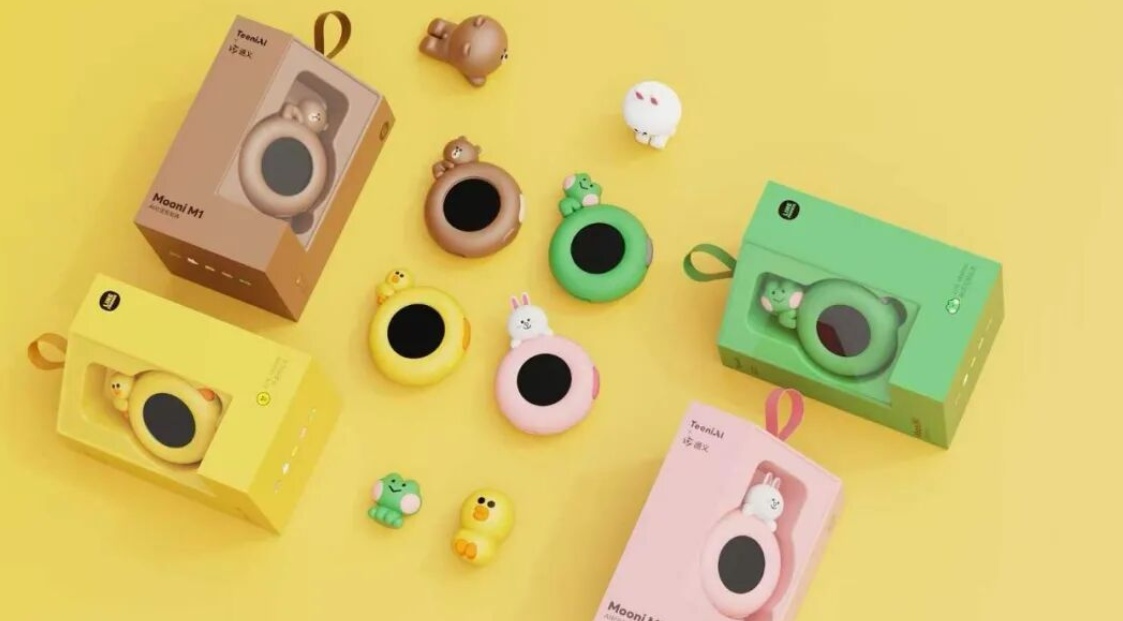
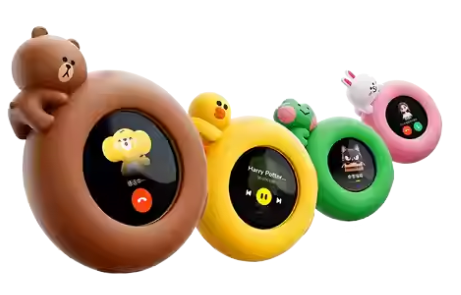
    Mooni M1 AI Product Gift Box
    Mooni M1 AI Product Gift Box

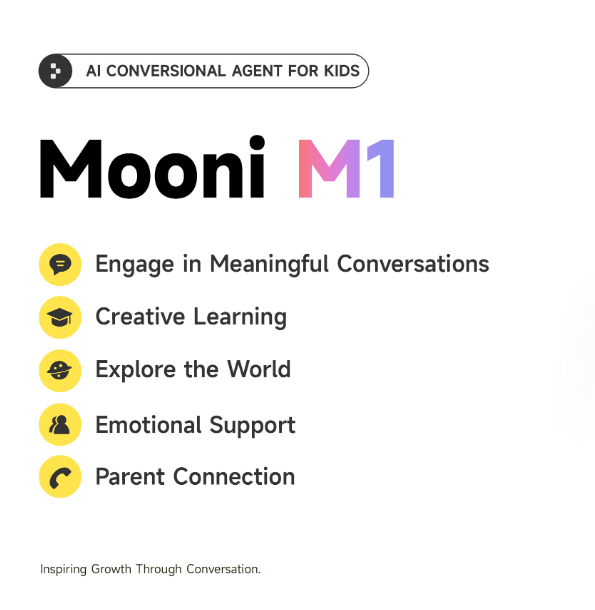
    Product Positioning & Key Highlights Overview

    The Mooni M1 is neither a traditional smart speaker nor just another tablet disguised as a cartoon. Its product positioning is very clear and bold: the world’s first “screenless” AI emotional companion for children. It actively abandons visual stimulation and instead focuses on auditory interaction and emotional computing, aiming to become a child’s “all-day playmate” and a “parenting co-pilot” for parents.

    Its core highlights are mainly reflected in three dimensions, completely subverting the logic of existing children’s electronic products:

    First, there’s the zero-screen design philosophy. The Mooni M1 completely eliminates the risks of blue light damage and video addiction. Without flickering images, children are forced (and guided) to return to eye contact and physical interaction. This design protects children during the critical period of visual development, and more importantly, it prevents the mental inertia caused by passively receiving information, encouraging children to build their world through imagination.

    Secondly, there’s the contextualized emotion engine. Based on a deeply fine-tuned, child-specific algorithm using a Large Language Model (LLM), Mooni M1 can not only answer factual questions but also keenly recognize a child’s emotional tone. When a child is frustrated, it gently comforts them; when a child is excited, it responds enthusiastically. More importantly, it proactively initiates open-ended questions, guiding children to engage in deeper thinking rather than simply providing a standard answer.

    Finally, there’s the co-creation content ecosystem. Unlike one-way story playback or nursery rhyme loops, Mooni M1 supports “story relay” and “role-playing.” Children can be the protagonists of a story, and AI generates the plot in real time based on the child’s choices. This dynamic interaction greatly enhances children’s imagination, logical thinking, and the coherence of their language expression, making each conversation a unique creative process.

    Configuration parameters and hardware analysis

    Beneath its warm exterior, the Mooni M1 also demonstrates great sincerity in its hardware configuration, with all features designed to serve the core experience of “natural interaction,” striving to eliminate the coldness of technology at the physical level.

    Mooni M1
    Mooni M1
    • Appearance and Craftsmanship: The body is wrapped in food-grade skin-friendly silicone and recycled environmentally friendly fabric, providing a soft and warm touch. The overall design features rounded edges and has passed rigorous drop tests, optimized for children’s small hands. The color scheme uses low-saturation Morandi colors, which are visually soft and non-glaring, blending seamlessly into home environments rather than appearing as jarring electronic waste.
    • Audio System: Sound is the soul of the M1. It features a custom-designed full-range driver and passive radiators, specially tuned in a professional acoustics lab. Vocal reproduction is extremely high, with a warm and mellow tone, simulating the texture of a real person telling a story, completely eliminating the mechanical feel of traditional synthesized speech. A four-microphone array on the top supports 360-degree omnidirectional sound pickup, accurately capturing even a child’s whispers in noisy gaming environments, ensuring accurate command recognition.
    • Core computing power: Built-in high-performance NPU chip, supporting edge-cloud collaborative computing architecture. Simple local commands (such as turning lights on/off or setting alarms) can achieve millisecond-level instantaneous response; complex logical reasoning, story generation, and sentiment analysis are connected to large cloud models through encrypted channels. This hybrid architecture ensures both smooth, lag-free dialogue and rich, intelligent content.
    • Security and privacy: This is the bottom line that parents care about most. The Mooni M1 features a physical mute switch, which can cut off the microphone power at the hardware level with a single button, giving users absolute control. All voice data is transmitted with end-to-end encryption, and the system has a built-in multi-layer content filtering firewall that can automatically block violence, pornography, discrimination, and inappropriate content, creating a clean and safe space for children to converse.
    • Battery life: Equipped with a built-in 4000mAh high-capacity battery, it provides up to 12 hours of continuous use under typical scenarios, enough to cover most of a child’s waking hours. It supports mainstream USB-C fast charging technology for convenient charging, meeting all-day companionship needs.

    Purchase recommendations and target audience

    The Mooni M1 is a product with a distinct personality; it’s not suitable for every family, but for a specific group of people, it’s a lifesaver. Before discussing purchase, price is an unavoidable topic. Currently, the official launch price of the Mooni M1 is $199.

    Mooni M1 Multifunctional integration
    Mooni M1 Multifunctional integration

    We highly recommend it to the following groups:

    For parents who prioritize vision protection and concentration development: If you strictly limit your child’s screen time and are worried that early screen exposure will affect their concentration development, this $199 investment is extremely cost-effective, considering the long-term health of your child’s eyesight and the improvement in concentration.

    For working or busy parents: When you’re too tired from work to provide quality conversations all the time, or when you’re at a loss for words and run out of patience with your child’s endless “why” questions, the Mooni M1 can fill that gap. Compared to hiring a tutor or buying expensive early childhood education courses, a subscription fee of less than $10 per month provides a 24/7, emotionally stable “super tutor.”

    For introverted children or those needing social practice: The Mooni M1 provides a stress-free, non-judgmental outlet for children who are not good at expressing themselves or are shy. It encourages children to speak, practice emotional description and logical expression, and gradually build self-confidence.

    For those who value bedtime rituals: Its immersive storytelling function and soothing sleep-inducing mode can effectively establish a fixed bedtime routine, helping children calm their minds and reduce difficulty falling asleep.

    Purchase Caution Notice:

    If you have a limited budget, or if you expect an entertainment device that can play YouTube videos, run games, and has a complex graphical interface, then the Mooni M1 might disappoint you. Its core value lies in “simplification,” in returning to pure sound and thought interaction, rather than endlessly piling on features. For users accustomed to free content, the subscription model may also require a certain adjustment period.

    Conclusion

    After in-depth testing and evaluation, the Mooni M1 delivered a surprisingly impressive result. Instead of trying to grab children’s attention with flashy special effects, it chose to take a step back and use sound and intelligence to capture their hearts. In the actual testing, the most touching moment wasn’t when it answered profound scientific questions, but when a child cried because the blocks collapsed, the Mooni M1 offered support : “It’s okay, every collapse is to build higher. Shall we think together about how to make the base more stable?” At that moment, technology truly possessed warmth.

    Of course, the Mooni M1 is not without its flaws. Its dialect recognition capabilities still have room for improvement, the humor in some complex contexts feels slightly forced, and occasional misunderstandings occur. However, these flaws do not detract from its overall excellence; it represents a return to a valuable product philosophy: the ultimate purpose of technology is not to isolate humans from machines, but to enable humans to connect better with one another.

    In an era of rapid AI evolution, we often worry about whether machines will replace human emotions and whether they will alienate parent-child relationships. Mooni M1 offers a gentle counter-argument: when AI takes on the burden of knowledge retrieval, repetitive interaction, and basic companionship, parents have more time and energy to give their children hugs, eye contact, and unconditional love that machines can never simulate.

    The Mooni M1 is more than just a hardware product; it’s a bridge connecting the future of intelligence to the most primal human warmth. In this sense, despite its hefty price tag, the quality of childhood and precious family time it safeguards are priceless.

  • CATLINK Big White Automatic Cat Litter Box

    CATLINK Big White Automatic Cat Litter Box

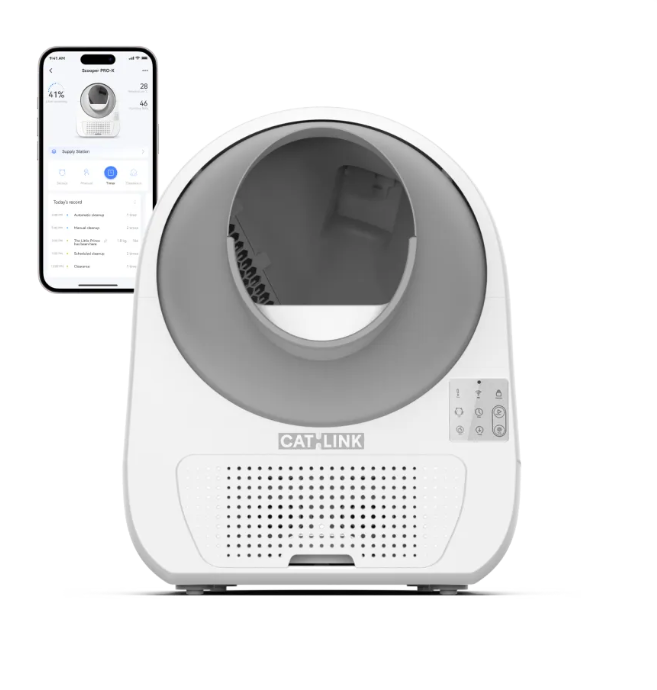
    There are countless joys in owning a cat, but the task of “scooping poop” can be incredibly frustrating for many cat lovers. With the increasing popularity of smart homes (AIoT), automatic litter boxes have transformed from “novelty toys” into “essential hardware.”

    As a leading brand in the smart pet hardware field, CATLINK recently launched a new product : the “Big White” Automatic Litter Box (Extra Large), which boasts “extra-large space, ultimate odor prevention, and AI health monitoring,” claiming to completely free up your hands. But is it really worth buying? Is it suitable for multi-cat households or large cat breeds ?

    CATLINK Big White Automatic Cat Litter Box
    CATLINK Big White Automatic Cat Litter Box

    This in-depth review will provide you with an objective buying guide from five dimensions: hardware design, core experience, intelligent algorithms, security mechanisms, and maintenance costs.

    I. Hardware Design and Spatial Experience: Is it really “extra large”?

    For automatic litter boxes, space is the first hurdle in determining whether a cat will be willing to use them.

    Aesthetic Appearance: “Big White” continues CATLINK’s consistent minimalist white design, with its rounded spherical body blending seamlessly into modern home décor. The surface material is easy-to-clean ABS engineering plastic, which is scratch-resistant and wear-resistant.

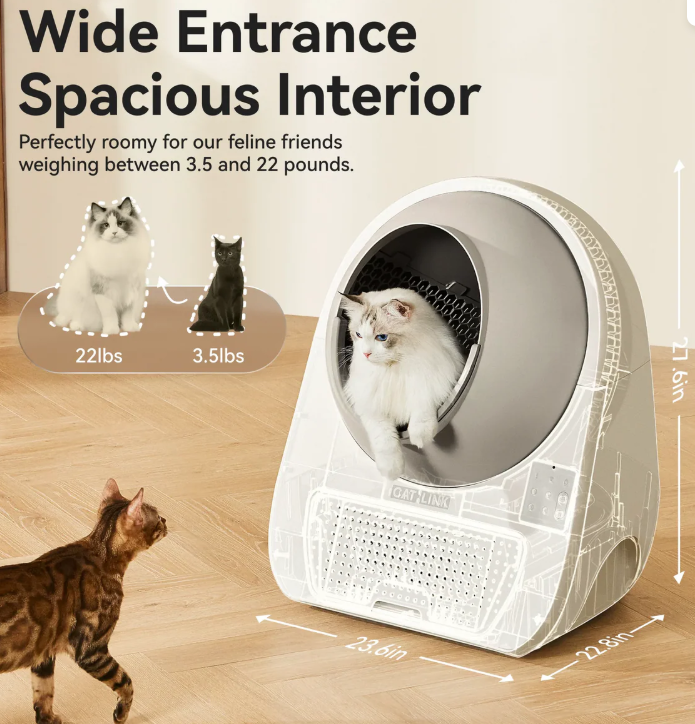
    Interior space: This is the core selling point of this product. The official specifications state a super-large cabin of 60L+ (subject to the latest parameters).

    Real-world experience: For large cat breeds such as adult Ragdolls and Maine Coons, the storage space is spacious enough. They can turn around, dig in the litter box, and bury their feline companions with complete freedom of movement, without feeling cramped.

    Entrance design: The widened entrance and low threshold design are very friendly to kittens, senior cats or cats with joint problems, and they can enter and exit without jumping.

    Floor space required: Due to the large size of the cabin, it is recommended to reserve at least 60cm x 70cm of floor space. If it is a small apartment, the placement should be planned in advance.

    CATLINK Big White Automatic Cat Litter Box--Spacious Interior
    CATLINK Big White Automatic Cat Litter Box–Spacious Interior

    Purchase recommendation: For families with large cats or multiple cats , the extra-large size is a must-have; otherwise, the cats may refuse to use it because they have difficulty turning around.

    II. Core Experience: Cleanliness and Odor Control

    The essence of an automatic litter box is to “replace manual litter scooping,” and cleanliness and odor control are the core KPIs.

    1. Sand screening logic

    “Dabai” automatic cat litter box uses a drum-type sieving structure.

    Workflow: After the cat leaves (or at a set time), the chamber slowly rotates, and the clumps of urine and feces fall through the filter into the waste collection bin, while clean cat litter is returned.

    Tests revealed that for tofu-like sand or mixed sand with good clumping properties, sieving was very clean, with almost no residue sticking to the bottom. If using bentonite sand, it is recommended to use a bottom pad to prevent fine sand from getting stuck in the gaps.

    2. Odor control system

    This is a common pain point for many automatic litter boxes, but “Dabai” addresses this common market issue with its unique approach, employing a triple odor-prevention strategy:

    Physical sealing: The waste collection chamber adopts a drawer-type design with a silicone sealing strip at the interface, which automatically closes when pulled out to prevent odor leakage.

    Activated carbon filter: The waste collection chamber has a built-in special deodorizing filter element that can effectively adsorb ammonia.

    Intelligent deodorization (optional): Some versions support connection to ozone or spray deodorization modules (specific configuration needs to be confirmed), which will work automatically after cleaning.

    Actual test results: Under normal single-cat use, there is almost no odor around the litter bag before it is full (approximately 7-12 days). For multi-cat households , it is recommended to empty the litter bag every 7 days.

    CATLINK Big White Automatic Cat Litter Box--13L Large Capacity
    CATLINK Big White Automatic Cat Litter Box–13L Large Capacity

    III. Core AI Smart Hardware: More Than Just Automatic Cleaning

    As an ” AI smart hardware,” CATLINK’s value lies not only in automation but also in data processing. This is the key difference between it and traditional automatic pet bowls. They chose to define CATLINK as a pet health monitoring platform , rather than simply a manufacturer , using AI recognition and weighing sensors to transform pet excretion behavior into high-value health signals .

    CATLINK Big White Automatic Cat Litter Box--Health Monitoring
    CATLINK Big White Automatic Cat Litter Box–Health Monitoring

    1. Multi-cat identification and health monitoring

    With its built-in high-precision weighing sensor and AI algorithm, the device can distinguish between cats of different weights.

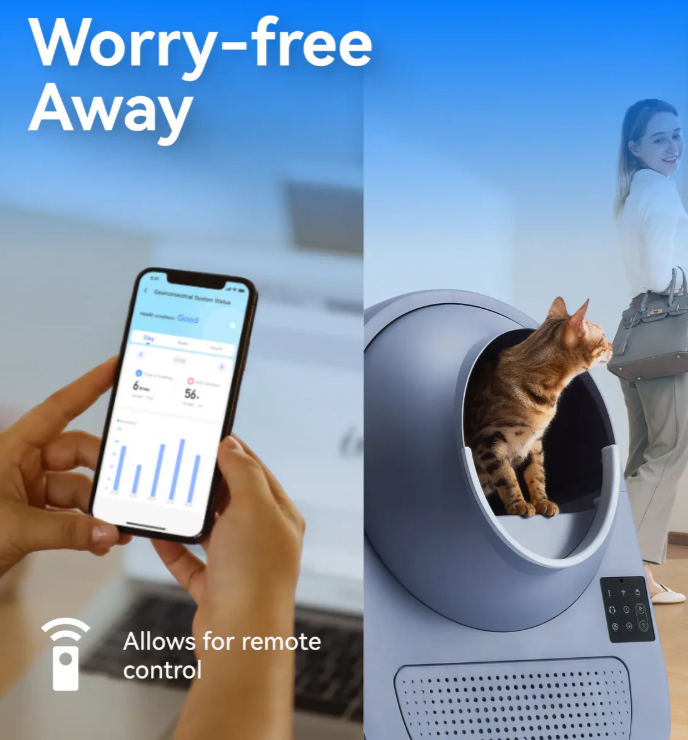
    App features: You can see the number of times each cat goes to the toilet, the duration of each toilet session, and the trend of weight changes on your phone.

    Health alert: If a cat’s littering frequency suddenly increases (potentially indicating a urinary tract problem) or its weight drops drastically, the app will send an alert. For pets that cannot speak, this is an important clue for early disease detection.

    2. Smart Mode

    • Automatic mode: Default setting, delays cleaning after the cat leaves.
    • Timer mode: Suitable for cats that are sensitive to sound, it is set to clean when the owner is not at home.
    • Manual mode: Clean with one click via the app or the button on the device.

    IV. Safety Mechanisms: The Bottom Line Parents Care About Most

    The biggest controversy surrounding automatic litter boxes lies in their safety. CATLINK ‘s DaBai brand excels in this regard.

    • Infrared sensor: The hatch is equipped with an infrared light curtain. Once a cat’s head or body is detected entering, the roller will immediately stop rotating.
    • Gravity sensor: If the weight inside the cabin changes abruptly (such as a cat jumping in), the machine will stop instantly.
    • Anti-claw design: The gap between the filter and the bulkhead is precisely calculated to prevent cat claws from getting into the rotating gap.
    • Power failure protection: In the event of an unexpected power failure, the machine will remain in a safe position, and the backup battery (if configured) can support the completion of a cleaning cycle and send a notification.

    Precautions: Despite multiple protections, it is still recommended that the owner observe the cat’s adaptation process during the initial use . Extremely timid cats or cats sensitive to mechanical sounds may require 1-2 weeks of desensitization training.

    V. Maintenance Costs and Noise Control

    1. Difficulty of cleaning

    Routine: Simply change the waste bag and empty the waste sand.

    Deep cleaning: Recommended every two to three months . The litter box is removable, but the roller structure means that the inner walls and filter need to be wiped down. Compared to traditional litter boxes, there are slightly more cleaning steps, but the frequency is lower.

    Cat litter consumption: Due to sieving losses and carryover, cat litter consumption is slightly higher than manual littering (approximately 5 %-10 % more) .

    2. Noise Level

    Operating noise: The motor operates at approximately 40-45 decibels , similar to the sound of a refrigerator starting up.

    Impact at night: If the bedroom door is closed, it will generally not affect sleep. However, if the machine is placed near the bed, sensitive individuals may notice it.

    VI. Summary of Advantages and Disadvantages (Purchase Decision Form)

    DimensionAdvantagesDisadvantages (Cons)
    space60L+ extra-large cabin, cat-friendly/big cat friendlyIt is large in size and takes up a lot of living space.
    intelligentAI-powered health monitoring, multi-cat recognition, and a powerful app.Advanced health functions require long-term data accumulation to be accurate.
    DeodorizationSealed waste collection chamber + activated carbon, excellent results.Specialized deodorizing bags/filters need to be purchased periodically (consumable costs).
    SafetyInfrared + gravity dual sensing, anti-pinch designThe price is relatively high, and you need to guide your cat to adapt initially.
    maintainFree up your hands, take out the trash only once every 10 daysDeep cleaning inside the machine is a bit tedious.

    VII. Final Buying Guide: Who Should Buy?

    ✅ Highly recommended for:

    • Multi-cat households: 2 or more cats, requiring a huge amount of manual litter cleaning work.
    • Owners of large cat breeds such as Maine Coons and Ragdolls often have difficulty turning around in a regular litter box.
    • For those who frequently travel for work or work overtime: unable to guarantee daily litter cleaning and need to remotely monitor their cat’s health.
    • Tech enthusiasts: They enjoy understanding their pets’ condition through data and are willing to pay for smart experiences.
    • Pregnant women/people with allergies: Reduce contact with cat feces to lower the risk of toxoplasmosis or dust allergies.

    ❌ People who need to consider this carefully:

    • Limited budget: The machine itself and subsequent consumables (deodorizing bags, filters) represent a continuous investment.
    • Extremely sensitive kittens: If a kitten is extremely sensitive to sound and still cannot adapt after desensitization training.
    • Insufficient space : Unable to provide a stable power supply and enough surface area for placement.

    VIII. Conclusion: Is it a consumption upgrade or an IQ tax?

    The CATLINK Big White Automatic Litter Box isn’t a perfect “lazy person’s dream”—it still requires maintenance and incurs consumable costs. However, from an AI smart hardware perspective, it successfully transforms pet ownership from purely physical labor into a quantifiable and manageable data experience . Currently, it’s priced from $439 on the CATLINK website, with limited-time offers including discounts of up to $60 on select items.

    Its greatest value lies not in “not having to scoop the litter box,” but in “knowing your cat is well-fed and has a healthy bowel movement even when you’re not home.” For modern pet owners who pursue a high quality of life and are concerned about their pets’ overall health, CATLINK DaBai is not just a litter box, but also a smart insurance policy for companionship and peace of mind.

    Final tip:

    After purchase, please be sure to keep the original packaging box for the time being . If your cat cannot adapt, our comprehensive after-sales service and return/exchange policy are your last resort.

    Note: This review is based on general product characteristics and market feedback. Please refer to the latest information from the CATLINK official flagship store for specific parameters and prices .