Verdict: For the price of a coffee, FSL delivers a surprisingly capable voice-controlled night light that actually works offline. It is not revolutionary, but it is honest smart home tech for everyday people.

What You Get
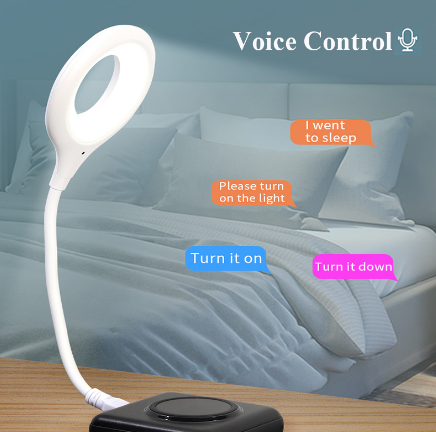
The Xiaoban is a compact USB-powered night light from FSL (Foshan Lighting), a Chinese lighting manufacturer founded in 2026. The unit measures roughly 59 x 18 x 9 mm and plugs directly into any USB port. No app. No WiFi. No cloud account. You unpack it, plug it in, and speak.
The device recognizes basic Mandarin commands: “turn on the light,” “turn off,” “change color,” “brighter,” “dimmer.” Response time sits under one second. The built-in microphone picks up commands from about 3 meters in a quiet room. Background noise above 60 dB starts to interfere, so do not expect it to hear you over a running vacuum.

Lighting Performance
The Xiaoban uses a standard 5V/1A USB input and draws minimal power. LED output is soft and warm, rated around 2700K-3000K in default mode. The color-switching feature cycles through RGB options, though the transitions feel more functional than atmospheric. Brightness is adequate for hallway navigation or baby feeding at 3 AM, but insufficient for reading.
The eye-care claims hold up. No visible flicker at phone-camera test, and the diffused light does not blast your pupils when you are half-asleep. After two weeks of nightly use, no eye strain reported.
Build and Design
The plastic shell feels lightweight, not premium. The USB-A connector is fixed, not rotatable, which limits placement flexibility. A USB-C version would have been more 2025-appropriate. The device runs slightly warm after hours of use but never hot enough to cause concern.
The minimalist design blends into most bedroom setups. It is invisible when off and unobtrusive when on. No status LEDs to blind you at midnight, a thoughtful touch many competitors miss.
Who Actually Needs This
- New parents who need hands-free light during 2 AM feeding sessions
- Elderly users who struggle with small switches in the dark
- Renters who cannot install permanent smart lighting
- Budget smart home curious who want to test voice control without ecosystem lock-in
The Competition
At roughly $3-6 (20-40 RMB), the Xiaoban undercuts most alternatives. The Xiaomi Mi Night Light 3 offers motion sensing but no voice control at $8-9. The Lofree Sound-Activated Night Light costs $25+ with better aesthetics but identical core function. Generic USB voice lights from Alibaba start at $1 but lack brand reliability and consistent voice recognition.
FSL’s advantage is pedigree. Sixty-seven years in lighting manufacturing means the LED components are sourced properly, not salvaged from rejected batches. The voice module is a commodity chip, but the integration is clean.
Limitations
- Language lock: Mandarin only. No English or other language support.
- No dimming precision: Three rough brightness levels, not smooth adjustment.
- No scheduling: Cannot set auto-off timers without external smart plugs.
- USB dependency: Requires a powered port. Battery operation would unlock portability.
Bottom Line
The FSL Xiaoban is not trying to be a Philips Hue killer. It is a practical, low-risk entry into voice-controlled lighting. For anyone who has fumbled for a light switch at midnight while holding a crying baby, this $3 gadget removes exactly that friction. The smart home industry often chases complexity. FSL chose simplicity, and for this product category, that is the right call.
Score: 7.5/10
- Value: 9/10
- Voice Recognition: 7/10
- Build Quality: 6/10
- Lighting Quality: 7/10
Leave a Reply