Author: Gavin

  • Screenless Wave Sweeps Across Wearable Devices

    Screenless Wave Sweeps Across Wearable Devices

    The wearables industry is undergoing a profound paradigm shift. Whoop, an American sports and health start-up, recently completed a US$575 million Series G round of financing, with its valuation jumping to US$10.1 billion, becoming the latest “unicorn” in the field. At the same time, technology giant Google is using the Fitbit brand to develop screen-free fitness bracelets, and NBA star Stephen Curry has participated in product testing. The actions of the two major players jointly mark that “screen-free” has become a new battlefield in the field of health hardware.

    Fitbit
    Fitbit

    The rise of Whoop confirms the commercial potential of the “hardware free + subscription service” model in the field of health technology. The Boston-based company’s booking revenue in 2025 will reach US$1.1 billion, its global membership will exceed 2.5 million, and its monthly active user ratio will be as high as 83%, far exceeding the industry average. The core of its success lies in positioning the hardware as a pure data collection portal, providing users with in-depth health insights such as sports performance analysis and sleep quality monitoring through a monthly subscription service of US$30.

    Today, Whoop is accelerating its expansion into medical-grade health services. The company has recently added functions such as electrocardiogram monitoring, blood pressure trend insight, and biological age assessment, and integrated blood testing services to build a closed loop of “monitoring-analysis-intervention” health management. The financing was led by Middle East sovereign funds and medical giant Abbott. Top athletes such as football superstar Cristiano Ronaldo also joined as shareholders, which not only brought financial support to the company, but also further enhanced its brand influence.

    The entry of Google has injected the power of technology giants into this screenless wave. According to Bloomberg, citing people familiar with the matter, Google is developing a screen-free fitness bracelet under the Fitbit brand. The product will be deeply linked with the AI ​​personal health manager in the Fitbit app to support functions such as menstrual period analysis, mental health assessment, and nutrition tracking. This large-model-based health assistant has launched public beta in October 2025. Its core advantage is to use Google’s AI technology to conduct in-depth interpretation of continuous biological data collected by the device to provide users with personalized health recommendations.

    Whoop
    Whoop

    “Screenless is not a subtraction of functions, but an addition of value.” Industry analyst Sarah Chen said that compared with screen smartwatches such as Apple Watch, screenless devices eliminate redundant screen interactions and extend battery life to more than 14 days. At the same time, they are insensitive to wear and are more suitable for 7×24 hours of continuous monitoring of core health data such as sleep and heart rate variability. It accurately solves the core pain points of users such as frequent charging and uncomfortable wearing.

    Along with the innovation of business models, the technical architecture is also undergoing profound changes. As a pure data collection terminal, the value of the screenless bracelet no longer depends on the hardware parameters, but on providing high-quality and continuous biological data for the cloud AI model. This “device-side collection + cloud intelligence” architecture is gradually becoming the standard paradigm for the next generation of health wearable devices. It not only significantly reduces local computing power consumption, but also improves the accuracy of AI health services.

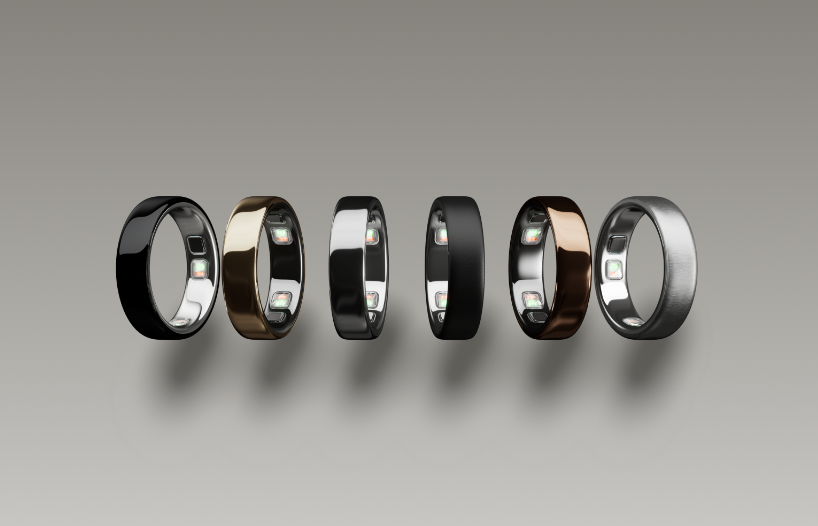
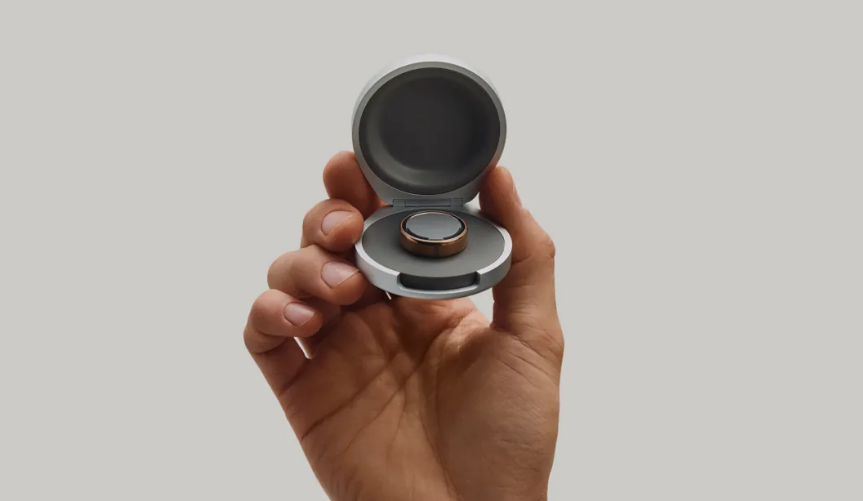
    Currently, the screenless wearable device market has formed three differentiated tracks: the subscription-based professional sports monitoring track represented by Whoop, the lightweight monitoring track in the form of smart rings, and the technology giant AI health service track represented by Google. Although the forms are different, the core logic of the three is highly consistent: hardware is just the carrier, and data and AI services are the real core of value.

    This trend marks the return of wearable devices from “notification center” to the nature of “health steward”. In the past, industry competition mostly focused on the accumulation of hardware parameters such as screen size and battery life; now, users pay more attention to the accuracy of data, the depth of services and the comfort of wearing, especially medical-grade precision health insights.

    Regarding the future of the industry, analysts predict that with the continued access to medical-grade functions, screen-less wearable devices are expected to become standard terminals for personal health management, and even expand into medical service fields such as insurance and chronic disease management, forming a cross-border health ecosystem. The exploration of Google and Whoop provides a clear development path for the industry: using hardware as the carrier, AI as the soul, and data as the core to build a trustworthy health service ecosystem.

    Google plans to officially release this screenless Fitbit bracelet later this year, and Whoop is accelerating its global expansion and plans to create more than 600 new positions. The layout of the two major players not only promotes wearable devices to officially enter the era of “cognitive intelligence” – devices can not only record data, but also understand and predict users’ health status, it also points out new value growth points for investors and developers.

    The unfolding of the screenless wave heralds a comprehensive transition of health hardware from tool attributes to service attributes, allowing technology to truly serve the quality of human life and reshape a new model of personalized health management in the future.

  • Traini Raises $7.5 Million in Funding: Multimodal AI Reshapes the Pet Hardware Industry

    Traini Raises $7.5 Million in Funding: Multimodal AI Reshapes the Pet Hardware Industry

    Traini, a Silicon Valley-based AI pet technology startup, recently raised $7.5 million in funding, led by Banyan Capital. This marks the official launch of the commercialization process for “pet emotional computing.” Founded by Linjia Sun, Traini draws inspiration from the US and European markets. Traini has developed the PEBI system, a multimodal emotion understanding platform that combines visual, audio, and behavioral data using a Transformer architecture.

    Traini
    Traini

    The system can recognize 12 pet emotions with an average translation accuracy of 81.5%, covering nearly 120 dog breeds. Traini’s core products include “dog language translation” and PetGPT two-way communication functionality. With over 200,000 registered users, it demonstrates the strong demand for emotional interaction between humans and pets.

    Traini’s first cognitive smart collar recently launched at an early bird price of $599. It utilizes sensors to collect real-time physiological data, thereby enhancing the consistency of model judgments. The product was named one of the top 30 AI hardware products at CES 2026, a significant industry recognition of its technological advantages.

    Traini’s core team comprises technical elites from OpenAI, Google, and Zidong, ensuring its leading position in the algorithm field. The newly raised funds will primarily be used for multimodal model development and market expansion in Europe and the United States. Unlike traditional pet monitoring devices, Traini is building a closed-loop system from model to hardware and plans to expand into AI agent services in the future, including medical appointments and training recommendations.

    The company is shifting its focus from hardware parameters to cognitive intelligence, aiming to break down barriers to cross-species communication. Data shows that over 70% of users in Europe and America want to understand their pets’ behavior, and Traini has capitalized on this trend, transforming its technological capabilities into practical products, setting a new benchmark for the pet technology industry.

    Paradigm Shift: AI Hardware From “Connectivity” to “Cognition”

    The AI ​​hardware industry is undergoing a paradigm shift from “connectivity” to “cognition.” Early hardware focused on sensor accuracy and cloud connectivity, while current trends emphasize on-device inference and multimodal interaction. As large models become more lightweight, hardware is no longer merely a data collection terminal, but an intelligent decision-making node.

    Users are no longer satisfied with passive recording; they expect devices to proactively understand intent. The key to future competition lies in data loop capabilities: scene data collected by hardware is fed back into model iteration, and model optimization, in turn, improves the hardware experience, thus creating a competitive advantage.

    Furthermore, the integration of AI agents will enable hardware to perform tasks such as automatically adjusting the environment or booking services. For developers, focusing on cognitive intelligence within vertical scenarios is more commercially valuable than simply stacking computing power. This evolution from functionality to intelligence requires companies to have end-to-end hardware and software integration capabilities—this is the core reason why emerging companies like Traini are standing out, indicating that AI hardware will be more deeply integrated into daily life.

    Future Trends: Emotional Upgrades in Pet AI Hardware

    The pet smart hardware market is shifting from “survival support” to “emotional companionship.” Traditional products such as GPS collars and automatic feeders, which primarily meet safety and basic needs, face serious homogenization problems. As pets are increasingly seen as family members, owners are willing to pay for emotional value, making emotional recognition and communication a new growth driver.

    The industry’s bottleneck lies in the accumulation of behavioral data and the accuracy of algorithms. Simple voice matching is outdated; multimodal analysis has become mainstream. Companies need long-term R&D investment to build breed-specific databases, while hardware must strike a balance between comfort and data collection efficiency.

    In the future, pet hardware will become a crucial entry point for the Internet of Things (IoT) in the home, connecting smart home devices by understanding the pet’s state. Traini’s rise indicates that companies that first break through cross-species communication technology will dominate the high-end market, leading the industry’s shift from tool-like to companion-like attributes, unlocking the emotional premium potential inherent in the pet economy.

    Overview: Emotional Computing Leads a New Future for Hardware

    In conclusion, Traini’s funding and product launch not only represent the success of one company but also a microcosm of the penetration of artificial intelligence technology into vertical industries. They demonstrate the commercial viability of emotional computing in the pet market and point to a new direction for the development of AI hardware.

    For the industry as a whole, true intelligence lies not in the hardware itself, but in the cognitive capabilities behind it. With the maturity of multimodal technology, human-pet communication will move from fantasy to reality. In the future, pet technology will no longer be limited to health monitoring, but will focus on building deeper emotional connections.

    Traini’s exploration points the way for the entire industry: building a truly intelligent ecosystem that understands pets, based on data and centered on emotion, will become a key driver of AI hardware development in the next decade, and a perfect example of technology becoming increasingly human-centric.

  • Lifemed Curapod: Bridging Clinical-Grade Care with Home Rehabilitation

    Lifemed Curapod: Bridging Clinical-Grade Care with Home Rehabilitation

    As modern people suffer from musculoskeletal pain caused by prolonged sitting and sports injuries, traditional physiotherapy either relies on the cumbersome process of clinic appointments or is limited to the inefficient experience of home devices. Lifemed, an innovative medical company in India, is attempting to reshape this market landscape with its Curapod wearable phototherapy device, which brings clinical-grade technology to the home. This product, registered with the US FDA and receiving CDSCO Class B certification in India, bridges the gap between professional medical care and daily rehabilitation with its unique photobiological modulation technology and intelligent design, reflecting the profound transformation of the global medical device industry from “in-hospital treatment” to “out-of-hospital management.”

    Curapod Hardware Ecosystem
    Curapod Hardware Ecosystem

    Since its inception, Lifemed has focused on a core issue: how to make professional medical technology accessible beyond the clinic, becoming a rehabilitation tool easily available to the general public. Facing the ever-expanding global population suffering from musculoskeletal sub-health—according to the World Health Organization, approximately 15% of adults worldwide suffer from chronic musculoskeletal pain, with working professionals and sports enthusiasts accounting for over 60%—this company has avoided the pitfalls of traditional medical devices that prioritize “heavy equipment and high costs.” Instead, it has chosen to focus on photobiological modulation (PBM) technology, combined with smart wearable hardware, to create non-invasive, drug-free home rehabilitation solutions.

    Unlike most consumer-grade health products, Lifemed’s core competitiveness lies in its “clinical endorsement.” Its R&D team comprises experts in medical engineering and photobiology, and all its product lines have undergone rigorous clinical validation. Curapod, in particular, has received FDA registration in the United States and CDSCO Class B certification in India—these certifications signify that the product’s safety and effectiveness meet medical-grade standards, rather than being merely an ordinary electronic health care product. “Our goal is not to create a ‘discomfort-relieving’ toy, but to allow users to experience phototherapy at home with the same quality as in a clinic,” said the CEO of Lifemed in an interview.

    Curapod: Breaking Barriers with Technology, Redefining the Home Phototherapy Experience

    As Lifemed’s flagship product, Curapod’s design and technological details embody the concept of “clinical-grade home use.” This disc-shaped wearable device comes with two treatment units per box. Using the included reusable strap or medical-grade adhesive patch, it can be securely attached to pain points such as the neck, shoulders, back, and knees, supporting simultaneous treatment at multiple points—a design that addresses the limitations of traditional home phototherapy devices, which offer “single-point treatment and limited coverage.”

    Curapod Phototherapy Equipment
    Curapod Phototherapy Equipment

    Its core technology originates from photobiological modulation (PBM), emitting specific wavelengths of red and near-infrared light that penetrate up to 70 millimeters, reaching the subcutaneous tissue layer. This is fundamentally different from traditional heat therapy, which only affects the epidermis: Curapod’s light stimulates mitochondrial activity, promoting cell repair and local microcirculation, assisting the body’s natural recovery from the root, rather than simply relieving surface discomfort. “Traditional heat therapy only treats the symptoms, while our technology addresses the root cause,” explained the R&D director of Lifemed. “Due to double-blind clinical trials, consistent use 2-3 times daily for 30 minutes each time can significantly improve chronic pain caused by prolonged sitting or sports injuries.”

    Curapod has also made targeted optimizations for user experience. Unlike the stinging sensation of electrical pulses in traditional physiotherapy devices, this device operates silently and without vibration, allowing users to complete treatment “without feeling” while working, reading, or sleeping. The device uses a Type-C interface, and a one-hour charge supports two complete treatment sessions, solving the pain points of home devices such as “short battery life and cumbersome charging.” The accompanying smart app provides visualized data tracking and a standardized “Cura Conversation” solution, allowing even users without professional physiotherapy knowledge to quickly get started.

    It is worth noting that Curapod does not advertise “instant pain relief” but emphasizes “the efficacy of long-term, regular use”—this rational positioning distinguishes it from many consumer health products on the market that exaggerate their claims. To date, the product has been used daily by over 25,000 users worldwide, covering more than 30 musculoskeletal discomforts. Clinical data shows that long-term users experience pain relief rates exceeding 78%.

    Industry Observation: AI + Wearables, a “Home-Based Revolution” in Medical Devices

    The rise of Curapod is not an isolated product innovation, but rather a microcosm of the global medical device industry’s transformation. With the increasing aging of the global population and the growing trend of chronic diseases affecting younger people, the traditional “in-hospital treatment” model can no longer meet people’s needs for convenient and efficient rehabilitation. “Out-of-hospital management” has become a new growth engine for the industry, and the integration of AI and smart wearable technology is accelerating this transformation.

    Firstly, the “decentralization” of treatment scenarios has become an inevitable trend. Traditional physical therapy heavily relies on professional physicians and large equipment, which is not only costly but also limited by time and location, making it difficult for most chronic pain patients to adhere to treatment. Wearable phototherapy devices like Curapod, through miniaturization technology and breakthroughs in battery life, bring phototherapy technology, originally confined to hospitals, into the home, reducing the burden on the medical system and empowering patients with self-management of their health. Industry analysts predict that the market size of home-use medical wearable devices will grow at a compound annual growth rate of 18% over the next five years, with phototherapy products expected to grow at a rate exceeding 25%.

    Secondly, AI-driven personalized precision medicine will become a core competitive advantage. Currently, Curapod primarily relies on pre-set programs, but Lifemed has revealed that its next-generation product will integrate AI algorithms and high-precision sensors to collect real-time data on user skin temperature, blood flow changes, and muscle tension, dynamically adjusting light wavelength, intensity, and duration through machine learning. For example, AI can automatically switch spectral combinations for acute inflammation and chronic recovery phases, achieving customized therapy tailored to each individual – this upgrade will significantly improve the efficacy of phototherapy, reduce ineffective treatments, and differentiate it from ordinary home-use devices.

    Finally, compliance and clinical evidence are becoming the “stepping stones” to market access. In the wave of medicalization of consumer electronics, the market is shifting from “functional innovation” to “evidence-based medicine” driven growth. Curapod’s success hinges on its FDA registration and double-blind clinical trials, establishing a solid clinical data moat. Industry insiders point out that in the future, if AI medical wearable devices want to gain doctor recommendations, medical insurance coverage, and even enter the mainstream market, they must overcome the hurdle of “clinical validation”—simple functional innovation or appearance design is no longer sufficient to stand out in fierce competition. Furthermore, data security and privacy protection will also become industry focuses; ensuring the security of user health data during cloud transmission and analysis will be a problem that companies must solve.

    Conclusion: Technology Empowers the Future of Home-Based Rehabilitation

    The emergence of Curapod not only provides a convenient and scientific non-drug intervention solution for patients with chronic musculoskeletal pain, but also marks the medical device industry entering a new era of “hardware and software integration, data-driven” development. Lifemed, by combining clinical-grade phototherapy technology with smart wearable design, has successfully solved the pain points of traditional physiotherapy being “time-consuming, expensive, and difficult to adhere to,” and has also pointed out the development path of “clinical-grade technology for home use” for the industry.

    Of course, these devices are not a “panacea”; their effectiveness depends on long-term, regular use and varies from person to person. However, it’s undeniable that with technological iterations, the deep application of AI algorithms, and the advancement of market education, wearable medical devices integrating optoelectronic technology and intelligent algorithms are poised to become the standard configuration for future family health management. For Lifemed, Curapod is just a starting point—the core challenges it will face going forward are how to continuously strengthen its technological barriers, expand its clinical data accumulation, and develop the global market. For the entire industry, Curapod’s exploration is driving a profound transformation in societal health management models, truly integrating professional rehabilitation care into the daily lives of ordinary people.

  • GlocalMe PetPhone: A New Way to Connect with Your Pet

    GlocalMe PetPhone: A New Way to Connect with Your Pet

    When pet owners travel, they no longer leave their beloved dogs alone at home, anxious. They simply take out their phones, dial the device on their pet’s collar, and whisper into the microphone. “That warm notification lets it know I’m here,” she says. “It’s not just a tracker; it’s our lifeline.”

    This pet owner is using the GlocalMe PetPhone, hailed by its manufacturer, GlocalMe (a brand of UCloudLink Group (NASDAQ: UCL),) as the world’s first “pet smartphone.” As the $320 billion global pet market shifts from basic care to emotional companionship, PetPhone aims to address a long-standing pain point: most pet wearables employ a one-way monitoring model, allowing owners to track their pets’ location but not to communicate with them. While this device opens up new possibilities for human-pet interaction, it also faces challenges that may limit its appeal to mainstream pet owners.

    First Smartphone Designed For Pet
    First Smartphone Designed For Pet

    A New Model: Two-Way Communication

    Unlike traditional pet GPS trackers or smart cameras (which only provide one-way monitoring), PetPhone’s core innovation lies in two-way voice communication. Owners can call their pets at any time via a mobile app, hearing their barks, meows, or even the softest breathing sounds. With simple training, pets can also initiate calls by performing specific actions (such as jumping or raising a paw), sending distress signals to their owners and expressing their anxiety or loneliness.

    This feature aligns with a key shift in pet ownership: more and more consumers see their pets as “furry babies” rather than just companions, driving demand for products that foster emotional bonds. Data from Global Market Insights shows that the pet technology market is projected to surge from $156 billion in 2025 to $529 billion in 2035, with wearable devices leading the growth. PetPhone pioneers this emotional shift by transforming passive monitoring into proactive communication.

    An industry analyst specializing in pet technology stated, “For years, the pet industry has remained at the level of ‘observing’ pets. PetPhone shifts this focus to ‘listening’ and ‘responding’—fundamentally changing the way we interact with our pets.”

    Features and Hardware: Beyond Communication

    PetPhone integrates multiple high-end features into a lightweight design, weighing only 37 grams, making it comfortable for most cats and dogs weighing over 3.5 kg. Its IP67 water and dust resistance ensures durability during everyday pet activities, easily handling walks in the rain or water play.

    Key specifications include six layers of positioning technology (GPS, AGPS, LBS, Wi-Fi, Bluetooth, and active radar), achieving positioning accuracy within 3 meters, even in densely populated urban areas or remote mountainous regions. The electronic fence function alerts when the pet crosses a preset boundary, addressing another major problem: pets getting lost. This device also includes AI-powered health monitoring, tracking your pet’s activity levels, sleep patterns, and even detecting subtle behavioral changes that may indicate health risks, sending alerts to the owner’s app.

    A major highlight is its global connectivity, thanks to GlocalMe’s CloudSIM technology. Without a physical SIM card, PetPhone can be used in over 200 countries and regions, connecting to more than 390 carriers worldwide—a significant benefit for frequent travelers or those traveling abroad with their pets. Battery life has always been a challenge for pet wearables, but PetPhone boasts up to 7 days of battery life under typical use, far exceeding the industry average of 2-3 days.

    Strengths, Weaknesses, and Market Positioning

    PetPhone’s biggest advantage lies in its differentiated design. Compared to competitors, its advantages are obvious: traditional GPS trackers focus solely on location information, while smart cameras provide only visual monitoring. PetPhone integrates communication, location tracking, health monitoring, and even a pet social network (where owners can share their pets’ activity data and communicate with other pet owners).

    GlocalMe PetPhone
    GlocalMe PetPhone

    “This is a one-stop solution tailored for the modern pet owner,” said a spokesperson for GlocalMe. “We’re selling more than just a gadget; we’re selling peace of mind.”

    However, the device also has some significant drawbacks. The pet-initiated calling function requires training, which some owners may find time-consuming or ineffective with more stubborn pets. Its core functions—including communication and GPS—rely on a subscription service, adding long-term costs beyond the initial hardware purchase. Furthermore, the device’s size may not be suitable for very small pets (such as teacup dogs) or large breeds, limiting its target user group.

    Compared to competitors like the Whistle GO Explore or the Fi Smart Dog Collar, PetPhone excels in emotional interaction but is more expensive and requires ongoing subscription fees. This positions it as a premium product, targeting middle- to high-income pet owners who prioritize emotional connection over price.

    Industry Impact and Future Outlook

    The launch of PetPhone marks a broader trend in pet technology: a shift from functional devices to emotionally engaging devices. With advancements in artificial intelligence, the Internet of Things, and biometrics, the industry is moving towards products that not only monitor pets but also understand their needs—from detecting anxiety to predicting health problems.

    GlocalMe has built an ecosystem around PetPhone, integrating it with the PetCam smart camera to create a “see, hear, and speak” experience for pet owners. This integration reflects the industry-wide shift towards a “hardware + software + services” model, where a single device becomes part of a broader pet care ecosystem, connecting with veterinary clinics, food delivery, and insurance services.

    To achieve long-term success, PetPhone must address its shortcomings. Simplifying the training process, offering flexible subscription plans, and providing expanded size options will help attract a wider user base. Furthermore, it faces competition from emerging players, particularly in Asia, the world’s fastest-growing pet technology market, where local brands are launching similarly functional and more affordable alternatives.

    “Pet phones are a bold move in the human-pet technology space,” an industry analyst said. “They demonstrate the need for tools for emotional connection, but they are not a panacea. Success depends on a balance between innovation and practicality, and the ability to keep pace with the rapidly evolving market, given our ever-growing love for our pets.”