Introduction: The Silent War for Attention
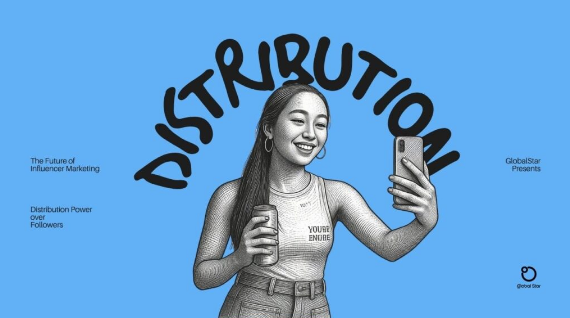
The global influencer marketing market is projected to hit $197 billion in 2025. Within that massive pie, an unprecedented phenomenon is unfolding: TikTok creators in America, tech reviewers on YouTube, and lifestyle influencers on Instagram are finding their inboxes flooded with partnership requests from Chinese brands.
This is no accident. For a decade, Chinese merchants dominated through supply chain advantages—endless SKUs, unbeatable prices, and the assumption that listing products was enough. But rising tariffs, logistics costs, and compliance barriers have killed the white-label, race-to-the-bottom model. The new competitive question is stark: why should a stranger trust a product from another country?
The answer points to brand equity, influence, and user awareness. Overseas creators have become the scarcest resource in this war.
What Happened: Not Enough Creators to Go Around
A nine-figure TikTok Shop seller, who has trained over a thousand cross-border merchants in the past three years, told me the question he hears most lately is: “How do I find influencers?”
“American creators are genuinely in short supply. There are more merchants than creators,” he said. His team once sent a 3C product to a creator for review. The response: “This is the fourth identical product I’ve received this week.”
Supply-demand imbalance is driving prices up. William Ren, founder of influencer marketing agency GlobalStar, notes that annual creator rate increases of 10-30% are normal, with some repped creators doubling their fees after signing with agents. GlobalStar’s long-term enterprise clients are increasing influencer budgets by roughly 50% year-over-year.
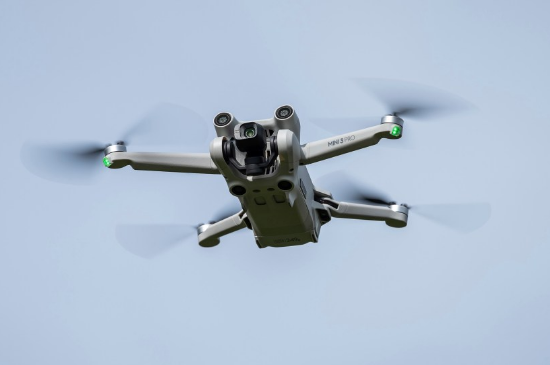
Creator ad revenue structures are shifting dramatically. For tech creators in GlobalStar’s network, Chinese brands once contributed roughly 10% of ad income. Today, that figure can reach 50%. DJI, Narwal, and Anker have become major clients.
Why It Matters: The Trust Gap
William Ren grew up in North America and launched GlobalStar in 2021 with a thesis: “The biggest problem for Chinese brands going global wasn’t product or traffic. It was trust.”
That thesis has only sharpened with time. At CES 2024, 942 Chinese companies exhibited, roughly 22% of total attendance. Among 38 humanoid robot exhibitors, 21 were Chinese. Of 23 AI glasses brands, 16 came from China. Product capability is there. Trust is not.
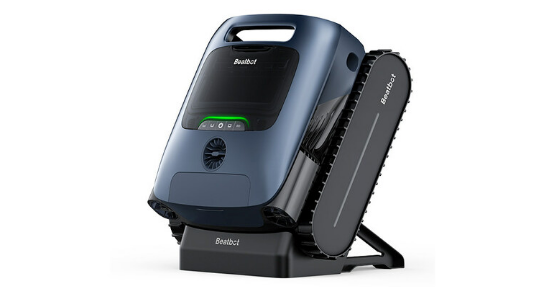
Creators fill that void. Beatbot’s pool cleaning robot debuted at CES 2024 with zero sales. Three months later, through partnerships with top tech reviewers and luxury lifestyle creators, the brand broke $1 million in daily North American sales during a major promotion. Pool robots have no domestic market in China, but fit American households perfectly—a demand gap activated precisely through creator content.
The Creator Bargaining Power Era
Negotiating leverage is shifting from merchants to creators.
TikTok lowered its creator storefront threshold from 5,000 to 1,000 followers, boosting quantity without guaranteeing quality. Creators who can reliably drive conversions or produce compelling content remain scarce on every platform.
The seller I spoke with observes that creators show little interest in low-ticket, non-trending products. “They basically don’t respond, or fulfill the minimum shooting obligation without putting in real effort.” But facing $80-100 products, 95% of orders come through creator-driven sales. “The creator shoots a one-to-two-minute long video, from unboxing to full experience.”
Good products need good creators. Good creators only pick good products. Once this filtering mechanism locks in, merchants holding generic inventory cannot secure a seat at the table.
Creative Freedom vs. Commercial Control
“The overseas creator ecosystem lags China’s by over three years.” William Ren’s assessment from 2021 still holds.
Live commerce content in China follows a mature three-act formula: a 3-second hook, soft product placement, and hard conversion CTA. Hand this script to an overseas creator, and the result is often “only two of three acts get done.”
The fundamental difference: overseas creators want to make “good content,” not “correct ads.” William Ren once booked a million-subscriber YouTube tech creator for a domestic robotics brand. The creator insisted on a comparative review, mentioning both strengths and weaknesses. The brand initially objected. The video ran with flaws included—and drove dozens of unit sales.
Overseas creators are not pure vendors or “tools.” Chinese MCNs bind creators through restrictive contracts, but overseas MCNs function more as agents. Creators retain ultimate control. Weekends, holidays, travel plans—there are a thousand reasons to ignore an email.
Why Influencer Marketing?
For small merchants, influencer marketing is the most accessible entry point. SEO and Google Ads require 3-6 months to show results. Creator content offers a faster validation loop: send samples broadly, watch who converts, chase short-term ROI.
For established brands, creators solve the trust problem. As William Ren puts it: “Chinese brands are already on the shelf. They just haven’t entered the consumer’s mind.”
Influencer marketing is not fully controllable, and ROI is hard to calculate precisely. Chinese merchants accustomed to efficiency and predictability struggle with this model. Yet budgets keep flowing here because old tactics are failing, and new competition demands a deeper answer: how does “Made in China” become a genuinely influential brand?
The Signal to Overseas Creators
If you create content in tech, lifestyle, or travel, several trends are tilting in your favor:
- Your rates are climbing. Top tech creators now derive 50% of ad revenue from Chinese brands, up from 10%, with annual increases of 10-30% becoming standard.
- Your creative freedom is protected. Leading brands have learned: authentic content outperforms polished ads.
- Long-term partnerships are replacing one-off deals. Brands are shifting from single sponsored posts to 10-20 video retainers with separate commission structures.
- Your product pipeline is expanding. From 3C accessories to pool robots, AI glasses, and humanoid robots—Chinese brand product capability is now competitive.
Attention. Trust. Influence. Chinese merchants are learning capabilities beyond efficiency. And you are the central node in that transformation.
What I Can Do for You
I’m Gavin, a senior tech editor based in Silicon Valley with ten years of AI hardware industry experience. I track Chinese brand globalization dynamics closely and maintain direct connections with multiple top-tier outbound brands and marketing agencies.
If you are an overseas content creator looking for:
- Reliable Chinese brand partnership resources
- Access to high-product-quality brands instead of generic white-label goods
- Insights into Chinese brands’ content collaboration preferences and negotiation strategies
- Long-term retainer deals rather than one-off transactions
I can serve as your bridge. I understand both sides—what Chinese merchants need and what overseas creators care about. No agency commission, just precise matching.
Please leave your email address in the comments section so we can contact you via email. We’ll help you unlock this door, which is rapidly opening.
-END-
Leave a Reply