Tag: Smartwatch

Smartwatches, as a core category of wearable devices, are undergoing a transition from “sports accessories” to “health managers” in 2026. The Huawei WATCH FIT 5 series elevates health monitoring capabilities to near-medical-device levels through professional features like ECG analysis and blood glucose risk assessment. Meanwhile, competitors such as Apple and Samsung continue to invest heavily in health features, making industry competition increasingly fierce.

  • Mobvoi TicNoteWatch Launch: AI Recording Watch for $138

    Mobvoi TicNoteWatch Launch: AI Recording Watch for $138

    One-sentence verdict: If “wrist-worn AI recording” can prove its transcription accuracy withstands real meeting tests, the TicNoteWatch may be the strongest reason for business professionals to switch watches in 2026—after all, $138 buys not just a watch, but a secretary who never misses a note.
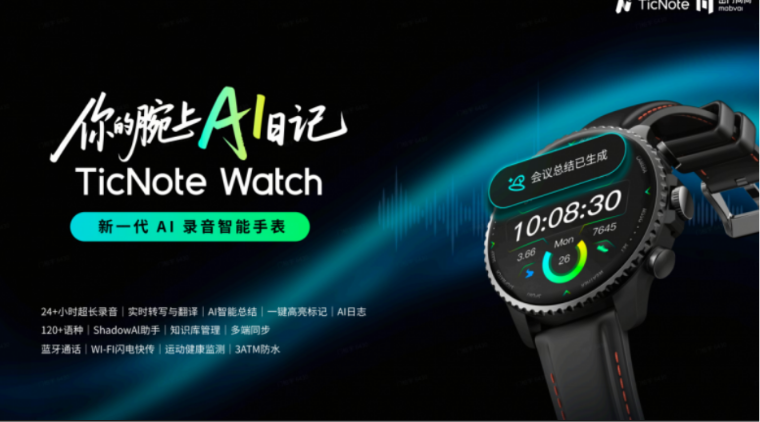
    Mobvoi TicNoteWatch AI recording watch poster
    Mobvoi TicNoteWatch AI journal on wrist poster

    Breaking News

    On June 15, 2026, Mobvoi officially launched the TicNoteWatch AI recording smartwatch, priced at 999 RMB ($138), now available on JD.com and Tmall. The device supports two-second long-press recording activation, with built-in ShadowAI assistant enabling real-time voice transcription across 120 languages (98%+ accuracy). Post-meeting AI automatically extracts core summaries and to-do items, with team collaboration mode support. The watch also covers all-day scenarios including fitness, health, and sleep tracking, forming an AI journal timeline with 24-hour battery life.


    Full Story

    Mobvoi is no newcomer to AI hardware. From early TicWatch smartwatches to TicPods earphones, the company has consistently explored the boundary of “AI + wearables.” The TicNoteWatch launch marks a clear strategic pivot from “general-purpose smartwatch” to “vertical productivity tool.”

    In form factor, the TicNoteWatch retains the basic smartwatch framework—round dial, touch screen, silicone strap—but the core interaction logic is redesigned. A two-second long press of the crown activates recording, an operation far smoother than pulling a voice recorder from a bag, unlocking a phone, opening an app, and tapping record. In business scenarios, “fast” often means “nothing missed”—many key details are lost in the seconds spent locating a device.
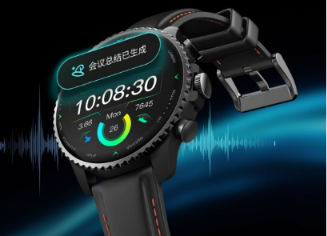
    Mobvoi TicNoteWatch meeting summary screen
    TicNoteWatch meeting summary display on watch

    The post-meeting summary function is another differentiator. The traditional voice recorder workflow is: record → export → manual transcription → organize key points → distribute. The TicNoteWatch compresses this to: record → AI auto-transcription → auto-extract summary and to-dos → one-click share. For business professionals averaging two to three meetings daily, this efficiency gain is substantial.

    The AI journal timeline is a conceptual innovation. The watch automatically integrates recordings, exercise, sleep, and heart rate data into a chronological “what happened today” structured log. The practical value of this feature depends on AI integration capabilities—if it merely piles data, the significance is limited; if it can automatically recognize that “the 3 PM recording relates to the morning email” and establish connections, it achieves genuine intelligence.


    Analysis

    The $138 Pricing Category Play

    The smartwatch market has long been dominated by Apple Watch and Huawei at the high end, and Xiaomi and Amazfit at the low end, with the mid-range ($110-$210) lacking memorable products. The TicNoteWatch’s 999 RMB positioning precisely targets this gap.

    More critically, it is not “selling a watch” but selling a bundle of “voice recorder + meeting minutes service + watch.” A professional voice recorder (like the Sony UX570) costs approximately $110, plus transcription service annual fees around $40, totaling over $150. The TicNoteWatch packages these functions for $138, with fitness and health monitoring included—this value equation is highly attractive to price-sensitive business professionals and students.

    Birth of the “Wrist-Worn AI Recording” Category

    The TicNoteWatch launch, alongside the concurrent aigo recording watch release, jointly gives birth to the “wrist-worn AI recording” category. The core logic of this category is: the watch is the only device worn every day, making it the optimal carrier for “passive recording.”

    The pain point of traditional recording is “no device when you need it,” which the watch fundamentally resolves. Meanwhile, AI transcription and summary generation solve the secondary pain point of “recorded but don’t want to organize.” The continuous resolution of these two pain points constitutes the value foundation of the new category.

    But whether the category can establish itself depends on two variables: first, the real-world performance of transcription accuracy; second, whether battery life can sustain all-day use. The 24-hour battery life is sufficient on paper, but actual performance with continuous recording and real-time transcription activated requires user validation.

    Differentiated Positioning Against Competitors

    FeatureMobvoi TicNoteWatchApple Watch Series 10Huawei Watch GT 5aigo Recording Watch
    Price$138$415+$205+~$110
    RecordingOne-touch + AI transcriptionNo native recordingNo native recordingOne-touch recording
    AI Transcription120 languages real-timeNoneNoneLimited languages
    Meeting MinutesAI auto-generationNoneNoneNone
    Team CollaborationSupportedNoneNoneNone
    AI JournalTimeline integrationHealth data summaryHealth data summaryNone
    Battery Life24 hours18 hours14 days~7 days

    The TicNoteWatch’s competitive advantage is clear: the only product in the sub-$150 tier offering a complete chain of “recording + AI transcription + meeting minutes + team collaboration.” Apple Watch and Huawei Watch GT series are stronger in ecosystem and brand but lack deep productivity scenario coverage. The aigo recording watch holds first-mover advantage in recording functionality but lags significantly in AI capabilities.
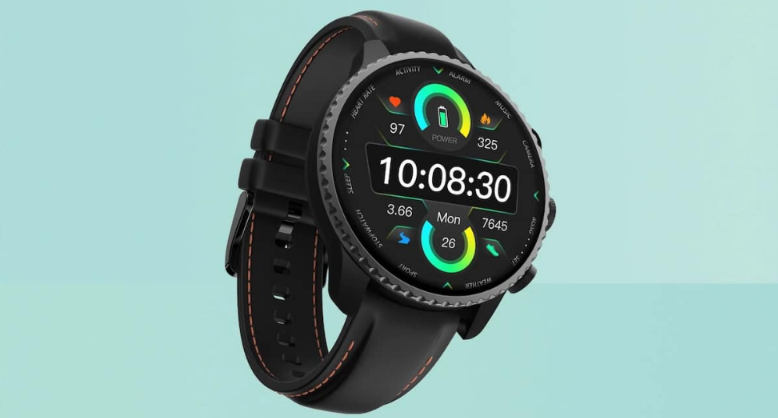
    Mobvoi TicNoteWatch AI journal timeline app
    TicNoteWatch AI journal timeline with phone app

    Industry Impact

    The TicNoteWatch launch may drive smartwatches’ functional expansion from “health devices” to “productivity devices.”

    Market impact: The $138 pricing may trigger price wars in the “AI recording watch” sub-category, forcing traditional voice recorder manufacturers (like Sony, Philips) to accelerate intelligent transformation, while pushing smartwatch brands (like Xiaomi, Amazfit) to add recording and AI features to entry-level product lines.

    Consumer impact: Business professionals and students see significantly reduced meeting documentation costs. The previous three-layer investment of voice recorder + transcription service + manual organization is now solved by a single watch. The AI journal timeline concept may also change user recording habits, shifting from “active recording” to “passive recording.”

    Industry impact: If the “wrist-worn AI recording” category gains market recognition, smartwatch functional definitions will expand from “health + notifications” to “health + notifications + productivity.” This may trigger a new round of hardware innovation, competing for larger storage, longer battery life, and more precise microphone arrays.
  • HUAWEI WATCH FIT 5 Series Launches: Can Enhanced Health Monitoring and Extended Battery Life Reshape the Smartwatch Landscape?

    Huawei officially launched the WATCH FIT 5 series on April 29, 2026, with a global press conference scheduled for May 7 in Bangkok, Thailand. The new lineup includes standard and Pro models, both positioning health monitoring capabilities and battery performance as core differentiators in an increasingly competitive smartwatch market.

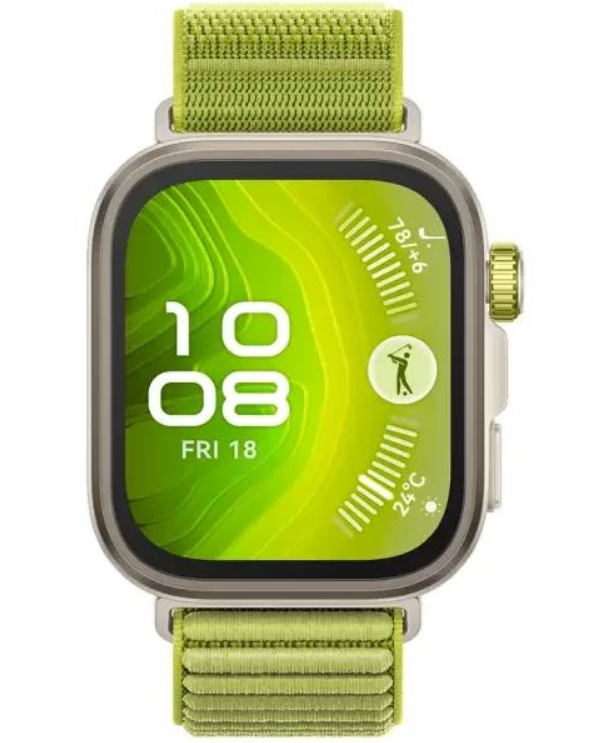
    HUAWEI WATCH FIT 5 Pro
    HUAWEI WATCH FIT 5 Pro

    Health Monitoring Evolution: From Data Recording to Risk Prediction

    The flagship WATCH FIT 5 Pro establishes what Huawei calls a “comprehensive protection system spanning basic vital signs to chronic disease risk assessment.” Beyond conventional 24/7 heart rate, blood oxygen, and sleep monitoring, the Pro model introduces four key capabilities:

    Electrocardiogram (ECG) Analysis enables users to quickly record ECG waveforms by touching the side sensor with their finger, assisting in arrhythmia screening within seconds.

    Pulse Wave Atrial Fibrillation and Premature Beat Alerts provide continuous cardiac rhythm monitoring around the clock. This feature proves particularly valuable for users with cardiovascular health concerns, enabling early detection of occult arrhythmias.

    Vascular Elasticity Detection assesses vascular health through pulse wave conduction velocity, offering early warnings for arteriosclerosis risk. As cardiovascular diseases trend younger globally, this capability fills a critical gap in smartwatch health features.

    Blood Glucose Risk Assessment uses optical signals to indirectly evaluate metabolic status, providing reference warnings for high-risk diabetes populations. It’s important to note this isn’t a professional blood glucose measurement device but rather a risk assessment service based on big data algorithms.

    The Pro model features an upgraded optical sensor system paired with Huawei’s proprietary TruSeen 5.5+ health algorithm. According to Huawei, the new algorithm effectively reduces interference from motion, skin tone, and ambient lighting factors, enhancing the stability and reliability of monitoring data.

    The standard WATCH FIT 5 targets cost-conscious users seeking quality health management features. It shares the same 6 LED and 6 PPG optical heart rate module architecture with the Pro version, supporting precise all-day heart rate monitoring, blood oxygen saturation measurement, scientific sleep tracking, and women’s health management functions.

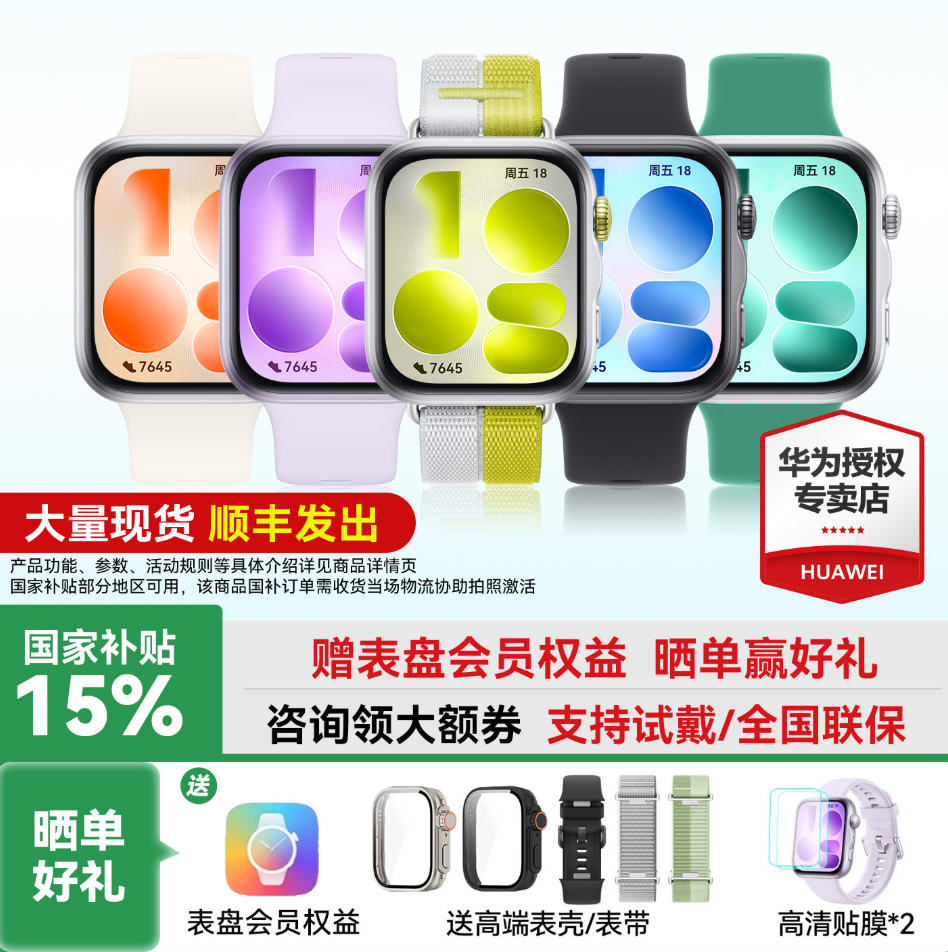
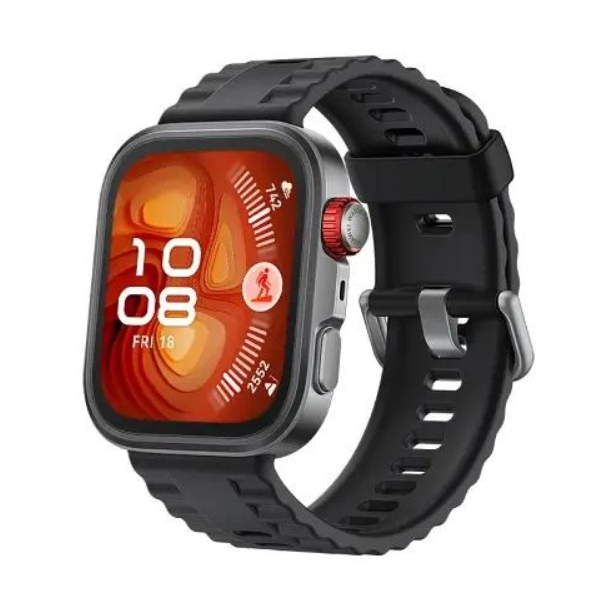
    The HUAWEI WATCH FIT 5 standard edition offers multiple color options with skin-friendly silicone band, weighing just 27 grams for comfortable extended wear and long battery life.
    The HUAWEI WATCH FIT 5 standard edition offers multiple color options with skin-friendly silicone band, weighing just 27 grams for comfortable extended wear and long battery life.

    Battery Breakthrough: From Daily Charging to Week-Long Power

    Battery life remains a fundamental concern for smartwatch users. Huawei employed different technological approaches to significantly enhance endurance across both models.

    The WATCH FIT 5 standard edition debuts high-silicon battery technology, boosting energy density by over 20% compared to traditional lithium batteries without increasing body weight. Official tests show the standard model delivers up to 7 days of battery life under typical usage scenarios (approximately 50 messages and 10 calls daily, with continuous health monitoring enabled), extending to 10 days under light use conditions.

    The Pro model features a 1.92-inch LTPO flexible display supporting adaptive refresh rate adjustment. This screen can reduce refresh rates to as low as 1Hz depending on displayed content, cutting power consumption by over 30% compared to conventional fixed-refresh displays. LTPO technology enables the Pro model to maintain balanced battery performance despite its expanded sensor suite and feature set.

    Notably, the standard edition weighs just 27 grams with a 9.5mm thickness, achieving equilibrium between extended battery life and comfortable all-day wear. For users requiring continuous health monitoring, the lightweight design substantially improves the wearing experience.

    Design Excellence and Professional Sports Features

    Huawei emphasized premium design and professional sports capabilities in the new series. The WATCH FIT 5 Pro’s Glacier White colorway debuts aerospace-grade nano-ceramic metal craftsmanship, paired with 2.5D sapphire glass and a titanium alloy bezel. Sapphire glass ranks just below diamond on the Mohs hardness scale, effectively preventing everyday scratches.

    For sports functionality, the Pro model supports over 100 exercise modes, adding professional trail running with segment navigation capabilities. Users can plan routes and track pacing across complex terrain. Golf enthusiasts benefit from vector maps for over 17,000 courses worldwide, with data on swing trajectories and putt distances readily accessible. Water resistance extends to 40 meters, covering shallow snorkeling and free diving scenarios.

    The standard edition maintains a clean, practical design philosophy with multiple color options. The silicone band features breathable perforations, enhancing comfort during athletic activities.

    The Huawei WATCH FIT 5 series spans various styles from athletic silicone bands to fashionable woven bands, catering to diverse user preferences.
    The Huawei WATCH FIT 5 series spans various styles from athletic silicone bands to fashionable woven bands, catering to diverse user preferences.

    Pricing Strategy and Market Positioning

    Huawei’s pricing demonstrates clear market segmentation. The WATCH FIT 5 Pro retails starting at 2,099 yuan (approximately $290), dropping to around 1,785 yuan after government trade-in subsidies. Pre-orders began April 29, with full availability from May 15. The standard model starts at 1,099 yuan (approximately $150), reaching approximately 935 yuan after subsidies, officially released on April 29 across all channels.

    Both products target the mid-to-premium segment spanning 1,000-2,000 yuan, competing directly with the Apple Watch SE and Samsung Galaxy Watch FE. With national trade-in subsidy support, domestic smartwatches at comparable price points offer enhanced cost performance.

    Beyond adult wearables, Huawei announced the global return of HUAWEI WATCH KIDS X1 series children’s smartwatches at the press conference. Though specific specifications remain undisclosed, this move signals Huawei’s continued investment in segmented market categories within its wearable ecosystem.

    Industry Outlook: The Next Battlefield for Smartwatches

    Wearable devices stand at a pivotal moment transitioning from “data display” to “proactive intervention.” Traditionally, ECG, blood glucose, and vascular elasticity testing required visiting medical institutions with professional equipment. Today, smartwatches bring these capabilities to everyday consumers, making health management more convenient and continuous.

    However, consumers should maintain realistic expectations regarding the distinction between smartwatch health monitoring and professional medical devices. Industry analysts note that medical-grade wearables must obtain NMPA Class II/III certification, with ECG monitoring errors controlled within 5%, capable of generating medical-grade reports interconnected with hospital systems. Most consumer smartwatches currently offer health data for reference purposes only, with error ranges potentially reaching 10-15%. Buyers should understand their specific needs and set appropriate functional expectations.

    Looking ahead to 2026, smartwatch market competition will intensify further. Advances in sensor technology, AI algorithm optimization, and battery capabilities will continuously improve product experiences. Simultaneously, as health management awareness grows, smartwatches equipped with professional health monitoring capabilities will attract increasingly discerning consumers.

    The WATCH FIT 5 series launch showcases Huawei’s technological prowess in wearables while delivering precise responses to evolving market demands. In the dual core tracks of health management and extended battery life, Huawei is charting its own path forward with concrete product offerings.