Category: AI Wearables

AI wearable hardware refers to smart wearable devices designed for everyday consumer use. These devices are worn directly on the body and utilize artificial intelligence algorithms to provide functions such as health monitoring, activity analysis, behavior perception, intelligent interaction, and daily life assistance. Features include: AI health analysis (heart rate, blood oxygen, sleep, stress, body temperature, etc.); AI activity recognition and data algorithms (automatic recognition of running, swimming, cycling, fitness, etc.); and AI voice assistant, noise reduction, real-time translation, and intelligent reminders.

  • Taya Fashion Smart Necklace

    Taya Fashion Smart Necklace

    In 2026, AI wearable devices are undergoing a “feature race”: from the Stream Ring created by the former Meta team to Amazon’s Bee recording device, omnidirectional recording and real-time transcription have become industry standards. These devices received significant investment in the first quarter of this year, with Stream Ring alone securing $23 million in funding for its AI recording capabilities, highlighting the sector’s potential. However, the ensuing privacy controversies are becoming an invisible barrier to the industry’s development.

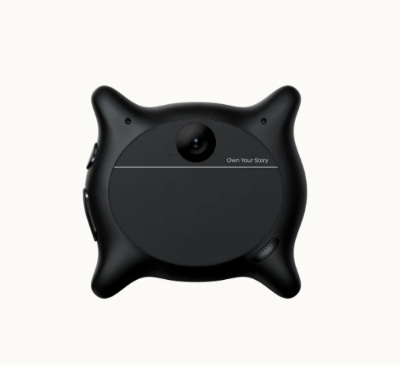
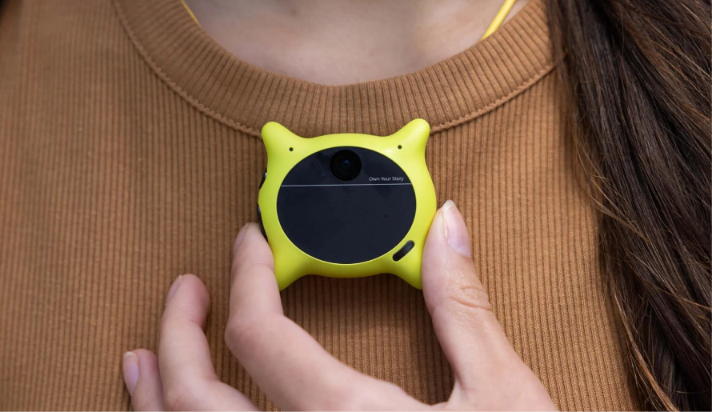
    Just then, San Francisco startup Taya launched a product that takes a different approach—an $89 smart pendant. This device, created by a team of former Apple hardware engineers, doesn’t focus on “recording everything,” but rather on “recording only itself.” It attempts to find a balance between functionality and privacy, prompting market questions: in an era where AI hardware strives for “omniscience and omnipotence,” can this “subtractive design” become a new breakthrough? Is the $89 price tag worth consumers paying for privacy?

    This reporter, through two weeks of in-depth testing, comprehensively disassembles this highly anticipated AI wearable device, examining its team background, product design, core functions, and market prospects. I. Team and Capital: A Small Team’s “Differentiated Gamble”

    Taya jewelry
    Taya jewelry

    I. Team and Capital: A Small Team’s “Differentiated Gamble”

    Taya’s team size contrasts sharply with industry giants—currently, it has only five full-time employees, making it a typical micro-startup. However, this hasn’t hindered its appeal to the capital market: in the same period of 2026, the company completed a $5 million seed round of financing, led by MaC Venture Capital and Female Founders Fund, with a16z Speedrun participating.

    The confidence of investors stems from the industry experience of its core team. Founder Wagenmans was a hardware design engineer at Apple, and core members Cinnamon Sipper and Amy Zhou both have experience in the entire Apple consumer hardware R&D chain. “Our team understands hardware, and even more so, understands users’ anxieties about privacy,” Wagenmans stated in an interview with this newspaper. Taya was born precisely because of the privacy risks posed by omnidirectional recording devices.

    However, the small team also faces inherent weaknesses. Industry analysts point out that the five-person size means that Taya faces uncertainties in after-sales support, long-term firmware updates, and mass production delivery capabilities. “The core risks for early-stage hardware startups are team stability and supply chain control, which are also things investors and consumers need to be wary of,” a partner at MaC Venture Capital admitted after the funding round. Investing in Taya was a bet on the future of the differentiated “privacy-first” track.

    II. Design: De-electronic, Hardware Made in the Name of Jewelry

    Walking into Taya’s San Francisco office, a slogan hangs on the wall: “Jewelry First, Intelligence Built-in.” This is precisely the core design of the product—to shed the coldness of AI devices and integrate into everyday life in the form of jewelry.

    Currently, most AI recording devices on the market, such as Plaud and Omi, have obvious electronic designs, which can easily arouse suspicion when clipped to a laptop or worn around the neck. Taya, however, completely eliminates redundant functions: no screen, no complicated interactive buttons, and a simple, streamlined overall design, indistinguishable from a regular fashion pendant.

    Our reporter’s test revealed that the pendant’s lightweight design makes it almost weightless to wear, suitable for all-day wear. In social situations, its discreet advantage is particularly evident—80% of respondents said they “wouldn’t realize it was a recording device,” effectively avoiding social embarrassment caused by wearing a recording device.

    “We hope users wear it not for ‘recording,’ but for ‘peace of mind,’” said Wagenmans. Taya’s design logic is to integrate technology into life, rather than making it the focus. From an industry perspective, this “jewelry-like hardware” design may become a new trend in AI wearable devices.

    III. Core Function: Directional Recording, $89 for “Privacy and Security”

    Taya’s biggest difference from its competitors lies in its “directional recording” technology—which is also the core value behind its $89 price tag.

    Currently, most AI recording devices pursue “omnidirectional recording,” striving to capture all conversations in the environment to meet needs such as meeting minutes and scene reconstruction. However, this design poses significant privacy risks: recording others’ conversations without consent can not only raise ethical controversies but may also be illegal in regions with strict privacy laws such as the EU’s GDPR.

    Taya’s solution is to “record only the wearer.” Utilizing directional microphones and voiceprint training technology, the device’s microphone is off by default. Users must first complete voiceprint registration; once activated, it automatically filters ambient noise and other people’s voices, capturing only the wearer’s voice.

    Real-world testing shows that in quiet environments (such as a study or office), Taya’s speech-to-text accuracy reaches 92%, clearly capturing personal voice content such as inspirations and to-do lists. However, in noisy environments (such as cafes or subways) or when multiple people are conversing at close range, its voiceprint separation capability shows significant weaknesses, occasionally mixing in a small amount of ambient noise, reducing the transcription accuracy to around 75%. “This technology is still in the optimization stage, and we will improve its performance in complex environments through firmware updates,” said the Taya technical lead.

    For consumers, the $89 price tag is essentially paying for “privacy freedom.” “I no longer worry about accidentally recording other people’s conversations, nor am I afraid that my thoughts will be ‘eavesdropped’ on by other people’s devices,” a user told this newspaper. This sense of security from being “undisturbed” is something other AI recording devices cannot provide.

    IV. Software Ecosystem: Abandoning the Office Setting, Focusing on Personal Growth

    While most AI recording devices emphasize “office efficiency,” Taya has chosen a different path—focusing on personal growth. Its accompanying app is designed entirely around self-reflection and inspiration recording, completely separating it from the office setting.

    Our reporter’s experience revealed that the app automatically categorizes recordings into three sections: “Life Moments,” “Inspirational Thoughts,” and “To-Do Reminders,” allowing users to quickly find the content they need. Even more distinctive is its “growth loop” function: AI not only transcribes speech into text but also analyzes the content’s logic and provides action suggestions for to-do items, helping users transform “recording” into “action.”

    Furthermore, its privacy-focused design makes Taya a “confidante” for many users. Because the device only records the wearer’s voice, and the data is stored only locally or in an encrypted cloud, users can freely express their thoughts and record their emotions without worrying about content leaks.

    Industry comparisons show that this positioning is distinctly different from devices like Plaud and Pocket, which primarily focus on meeting minutes. “We never intend to compete with office equipment,” Wagenmans stated. Taya’s target users are individuals who value privacy and need to record inspiration anytime, not business professionals.

    Taya Focuses Only on You
    Taya Focuses Only on You

    V. Risks and Controversies: The Challenges of a Small Team and the Shortcoming of Limited Functionality

    Despite its clear competitive advantages, Taya still faces multiple challenges, which are key considerations for consumers.

    First, there are technological limitations. The stability of directional recording technology in complex acoustic environments still needs long-term market testing. If noise reduction and voiceprint recognition capabilities cannot be continuously optimized, its core selling points will be significantly diminished. Industry insiders point out that AI voiceprint separation technology is still in its developmental stage, and as a small company, Taya has limited R&D investment, making technological breakthroughs more difficult.

    Second, there is the issue of team stability. According to exclusive information obtained by this newspaper, two core R&D members have left Taya. For a startup hardware company that relies on core technologies, this could affect the product iteration speed and mass production delivery. “Hardware R&D requires long-term investment, and personnel turnover disrupts the R&D rhythm. This is an inherent risk of small teams,” said a technology industry investor.

    Finally, there is the shortcoming of limited functionality. For tech-savvy users seeking a “multi-functional all-in-one” device, Taya’s focus on personal recording is too simplistic and lacks expandability. “While $89 isn’t expensive, if it can only be used to record your own voice, its cost-effectiveness isn’t high,” a tech blogger commented in a review.

    VI. Buying Guide: Who Should Buy? Who Should Wait?

    Based on two weeks of testing and industry analysis, this newspaper offers the following buying advice for consumers:

    Suitable for: Privacy-conscious creative professionals, journal enthusiasts, and individual users who need to record inspiration anytime. These users are highly privacy-conscious, don’t need meeting recording functions, and value the device’s discreetness and security.

    Unsuitable for: Business professionals who need meeting recording functions, conservative users with extremely high requirements for hardware stability, and tech-savvy users seeking multiple functions. These users will find devices from Plaud, Omi, etc., to better suit their needs.

    Three reasons to buy: First, privacy is guaranteed. Its fundamental design avoids the risk of infringing on others’ privacy, aligning with the industry trend of privacy protection in 2026. Second, its elegant design avoids the coldness of traditional tech products and is suitable for everyday wear. Third, it has a low barrier to entry; at $89, it’s an entry-level AI wearable device, with low trial-and-error costs.

    Two reasons to wait and see: First, startup risks. Small teams operating in the field may face uncertainties regarding long-term after-sales service and firmware updates. Second, its application is limited; it cannot handle multi-person conversations, resulting in a relatively narrow scope. It’s recommended to wait for market feedback after mass production before deciding whether to purchase.

    Conclusion: Can privacy be the new direction for AI wearables?

    In today’s AI technology that prioritizes efficiency, Taya’s emergence represents a reverse thinking: technology should not merely be a tool for improving efficiency, but also a barrier protecting personal boundaries. For $89, consumers are not just buying a recording pendant, but also the right to be undisturbed and a space to focus on themselves.

    Industry analysts believe that with increasingly stringent privacy regulations and rising consumer awareness of privacy, “privacy-first” AI wearable devices may become a new niche market. However, Taya’s ability to establish itself depends on its speed of technological optimization, team stability, and market acceptance.

    For consumers, Taya’s value lies not in its comprehensive functionality, but in its differentiated positioning. If you’re tired of being controlled by algorithms and crave a safe digital space to record your true self, it might be one of the most worthwhile wearable devices to try in 2026; but if you value comprehensive functionality and stability more, you might want to wait—time will tell.

  • Jupiter JOVE Glasses S1: Boundless Vision

    Jupiter JOVE Glasses S1: Boundless Vision

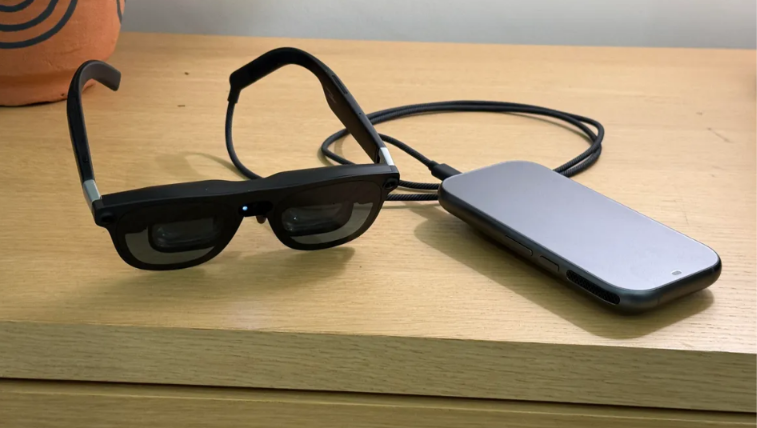
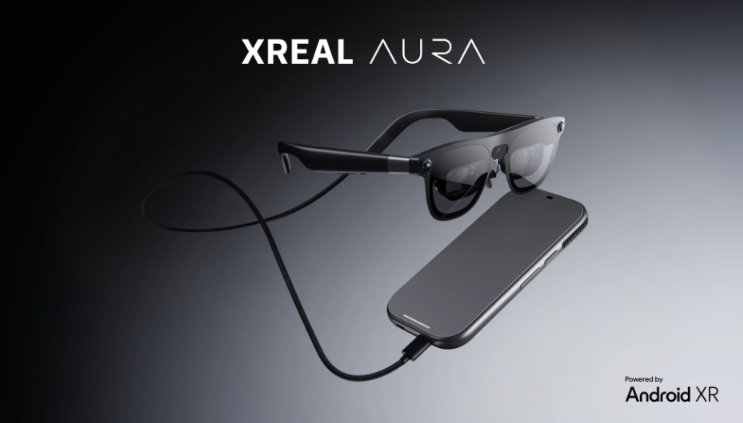
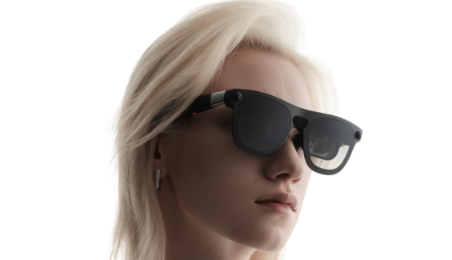
    Jupiter officially launched the JOVE Glasses S1 smart glasses in March 2026. Priced at 4999 RMB (approximately $690 USD), this product, marketed as the “world’s cheapest full-color AI+AR smart glasses,” aims to break down the price barrier of high-end AR technology and drive this category, once considered a “geek toy,” into the mass market.

    In the current era of deep integration between AI big data models and hardware, smart glasses are evolving from auxiliary display devices to “wearable digital assistants.” The debut of the Jupiter S1 not only tests its ability to balance hardware configuration and software experience but will also redefine the cost-effectiveness benchmark for mid-to-high-end AR glasses. This article will analyze whether this product can truly penetrate the mass market, starting from its technological strength, market positioning, and practical application scenarios.

    JOVE Glasses S1
    JOVE Glasses S1

    Core Configuration: An Attempt to “Democratize” High-End Technology

    The core experience of AR glasses depends on display technology. The Jupiter S1 directly targets high-end products in its hardware selection, employing a combination of arrayed waveguides and MicroOLED—a solution previously mostly used in flagship models priced over $1000 USD.

    Unlike the Birdbath solution commonly used in entry-level AR glasses on the market, arrayed waveguide technology achieves full-color display for both eyes while maintaining high light transmittance, avoiding the problem of obstructing the view of reality when worn. Jupiter specifically emphasizes that this product has solved the common “rainbow pattern” optical flaw in waveguide technology. This improvement will significantly enhance the comfort of reading text and overlaying virtual information, and is a key advantage that distinguishes it from similar low-priced products.

    Regarding the imaging system, the S1 is equipped with a 16-megapixel camera and supports low-light AF autofocus. This configuration surpasses the “barcode scanning level” cameras of most smart glasses. In low-light environments such as restaurants and nighttime streets, the camera can still capture clear images, providing image quality assurance for core functions such as AI object recognition and first-person perspective shooting—if the image is blurry, the accuracy of AI recognition will drop significantly, which is a core shortcoming of many previous low-priced AR glasses.

    Regarding wearing comfort, Jupiter did not disclose the specific weight of the S1, but emphasized that it adopts a lightweight design. For wearable devices that require prolonged wear, weight control directly determines user engagement and is crucial to avoiding them becoming gathering dust.

    Software Core: Jenius AI Builds a “Service-Oriented” Intelligent Experience

    If hardware is the foundation of the S1, then Jenius AI is its core differentiating factor. Unlike ordinary Bluetooth glasses or simple display devices, the S1 leverages the resources of its parent company, Tianjudihe, to access nearly a thousand core data interfaces and MCP services, upgrading AI from a “voice-based question-and-answer tool” to a “digital assistant capable of performing tasks.”

    This difference in “service capability” is particularly evident: ordinary AI glasses can only inform users of high-speed rail ticket prices, while the S1 can directly complete the booking process. In the launch event demonstration, a user used the voice command, “Xiaoju, Xiaoju, book me a high-speed rail ticket from Suzhou to Hangzhou for 10 AM tomorrow,” and the glasses immediately displayed train information. After confirmation, the entire order was placed in less than 30 seconds, significantly simplifying the mobile phone operation process.

    In addition, Jenius AI supports functions such as product recognition and price comparison, and smart home control: scanning a product displays its price across the entire internet, preventing users from being overcharged when shopping; a single sentence can control IoT devices such as speakers and lights, making it more intuitive than operating a mobile phone—commands can be issued simultaneously with the user’s gaze, eliminating the need to frequently unlock the phone or switch apps.

    Jeniue AI Born for AR
    Jeniue AI Born for AR

    Application Scenarios: A Dual Strategy from Consumer to Industry-Level

    Jupiter S1 is not limited to the consumer market but also covers both daily life and professional industry scenarios, attempting to broaden the product’s application boundaries.

    In consumer-level scenarios, the teleprompter function meets the needs of users giving speeches, live broadcasts, and presentations, with the script appearing directly on the lens, achieving “freedom of speaking without a script”; the first-person perspective shooting function frees up hands to record moments of life such as cooking and parent-child interaction, achieving “what you see is what you get”; and real-time translation of minor languages ​​breaks down language barriers for users traveling abroad.

    In various industry scenarios, the S1 demonstrates diverse potential: security and specialized industries can utilize it for battlefield vision sharing and AR-based person recognition and early warning; traffic management can use it for vehicle inspection; and engineers can use it to break free from the constraints of “operating while flipping through blueprints,” improving work efficiency. This dual “consumer + industry” approach makes the S1 more competitive among similar products.

    Market Comparison: Is the 4999 RMB (approximately US$690) price tag truly worthwhile?

    The 4999 RMB price is the S1’s most eye-catching highlight and its core weapon for penetrating the market. Although the reference information mentioned a pre-sale price of 4399 RMB, the official guide price was ultimately set at 4999 RMB. Even so, in the category of full-color + waveguide + AI all-in-one machines, its price still has a significant advantage—international brand products with similar configurations generally cost over US$1000.

    From a target audience perspective, the S1 precisely targets four types of users: business professionals who frequently book tickets and need meeting prompts, tech geeks who pursue cutting-edge technology, content creators who need first-person perspective footage, and enterprise users with remote collaboration and on-site verification needs. For these groups, the S1’s price-performance ratio makes it a top choice within a 5000 yuan budget.

    However, potential concerns also exist: Jenius AI’s core capabilities heavily rely on the Tianjudihe data interface. Future service subscription fees or interface adjustments could impact user experience. Furthermore, official battery life data is not detailed; heavy use of AI functions (such as real-time recognition and online ticketing) places high demands on power consumption, and actual battery life performance still needs market testing.

    Conclusion: A game-changer for the mass adoption of AR glasses?

    The release of the Jupiter JOVE Glasses S1 marks the transition of AI+AR hardware from “concept hype” to “practical application.” Priced at 4999 yuan, the S1 brings a high-end array waveguide + Micro OLED display solution to the mainstream market, while Jenius AI endows the glasses with real “functionality,” breaking the industry stereotype that “low price = low configuration.”

    For consumers, the S1 lowers the barrier to experiencing high-end AR technology; for the industry, it may drive the AR glasses market into a new phase of “cost-effective competition.” If potential issues such as battery life and ecosystem stability can be resolved, this product has the potential to become a game-changer in the popularization of AR glasses—after all, in the smart wearable device race, “easy to use and affordable” is always the key to unlocking the mass market.

  • NextSense Smartbuds True Wireless EEG AI Earphones

    NextSense Smartbuds True Wireless EEG AI Earphones

    In the evolution of wearable devices, we’ve seen a shift from the wrist (smartwatches) to the eyes (AR glasses), and finally to the ears (TWS earbuds). However, most existing earbuds remain at the “output” level—playing music and transmitting voice—rarely able to truly “input” the user’s inner state. This impasse was completely broken with the emergence of NeuroFlow Dynamics. As a cutting-edge technology company deeply rooted in non-invasive brain-computer interfaces (BCI) and edge computing, NeuroFlow Dynamics is committed to consumerizing laboratory-level EEG monitoring technology. Their vision is both grand and compassionate: to enable machines to understand human emotions and focus, thereby building a proactive intelligent ecosystem that “understands your needs and responds to your desires.” NextSense Smartbuds are the culmination of five years of research and development by this startup; they are not just earbuds, but the first key to self-awareness and efficient interaction.

    Redefining Hearing: From Passive Reception to Active Perception

    NextSense Smartbuds
    NextSense Smartbuds

    NextSense Smartbuds are a revolutionary product: the world’s first true wireless AI earbuds integrating dry EEG sensing technology. They are no longer just audio playback devices, but intelligent terminals capable of interpreting a user’s brain activity, emotional state, and cognitive load in real time. Their core concept lies in “neurofacial feedback loops,” which adjust audio output or trigger intelligent operations by monitoring brainwaves, achieving a paradigm shift in human-computer interaction.

    Its core highlights are mainly reflected in three dimensions:

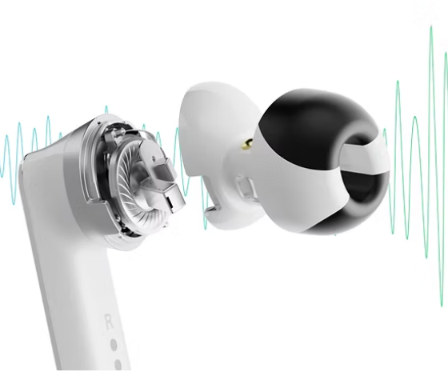
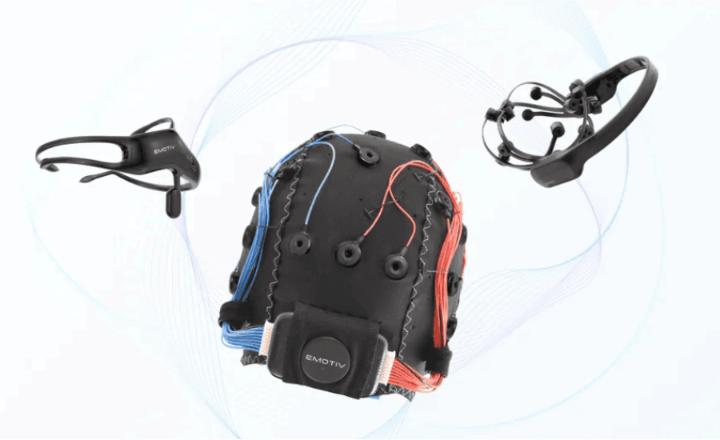
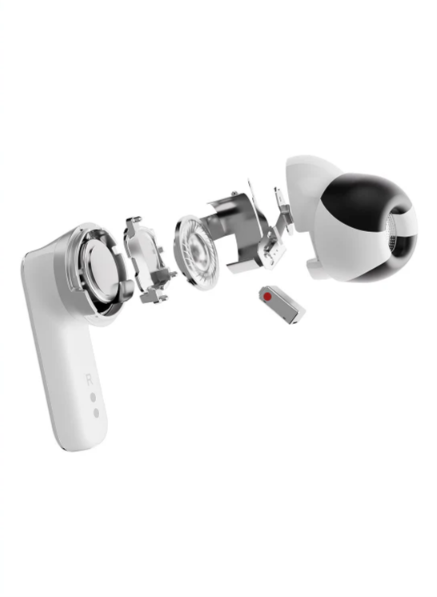
    First is the invisible EEG monitoring array. Unlike traditional bulky devices that require the application of conductive gel, NextSense integrates miniature dry electrode sensors inside the earphone stem, close to the skin behind the ear, and can capture key EEG bands such as Alpha (relaxation), Beta (focus), and Theta (meditation) with a medical-grade signal-to-noise ratio.

    Secondly, there’s the context-adaptive audio engine. Based on real-time EEG data, the AI algorithm automatically adjusts the noise reduction depth and sound effect style. When you enter a deep working state (high Beta waves), the headphones automatically enhance noise isolation and play white noise to improve focus; when you feel anxious (abnormal high-frequency Gamma waves), it seamlessly switches to soothing meditation-frequency music to guide the brain back to calm.

    Finally, there’s mind-assisted interaction. While it can’t completely replace manual operation, NextSense supports specific “thought commands.” For example, users can simply imagine “answer” or “skip” in their minds, combined with tiny electrical muscle signals (EMG), to achieve hands-free operation. This is revolutionary for interaction in motion scenarios or when both hands are busy.

    In-depth analysis: The neural laboratory hidden behind the auricle

    In order to fit an EEG monitoring module into the tiny earphone cavity, NextSense Smartbuds demonstrates amazing ingenuity and resourcefulness in hardware engineering.

    Sensing System: The earphones are equipped with a custom NeuroChip X1 chip, an NPU designed specifically for low-power EEG signal processing. Combined with six sets of highly sensitive dry electrodes and a sampling rate of up to 500Hz, it effectively filters out electromyographic interference from blinking, chewing, and other sensory inputs. Furthermore, it integrates a PPG heart rate sensor and a GSR (Geodermal Response) sensor; this multimodal data fusion improves emotion recognition accuracy to 92%.

    NextSense Smartbuds--Smart Terminals
    NextSense Smartbuds–Smart Terminals

    Audio Architecture: Sound quality is not compromised despite the complexity of its functions. It employs an 11mm diamond-like diaphragm dynamic driver and supports the LDAC high-definition transmission protocol. Its unique “neuroacoustic tuning” technology dynamically balances the frequency response curve based on the user’s real-time brainwave state, ensuring that the sound is not only pleasant to listen to but also “tailored to the specific needs.”

    Battery life and charging: Since EEG monitoring is a high-power-consumption activity, NextSense incorporates a high-density silicon-carbon anode battery. A single charge provides 5.5 hours of use with full-function monitoring enabled, and up to 8 hours with EEG mode disabled. Combined with the wireless charging charging case, the total battery life reaches up to 24 hours.

    Privacy and Security: EEG data is considered the highest level of biometric privacy. NextSense employs on-device encryption technology, ensuring that all raw brainwave data is processed only on the local chip, with only anonymized feature vectors uploaded to the cloud. A physical privacy switch is located on the device, allowing for one-button power cutoff to all biosensors.

    Wearing design: The ergonomic liquid silicone ear hook design ensures stable contact between the electrodes and the skin. The total weight of the device is controlled at 6.8 grams per ear, so there is no obvious pressure even after wearing it for a long time.

    NextSense Smartbuds Product Image
    NextSense Smartbuds Product Image

    Value assessment and target audience profiling

    As a groundbreaking product, the NextSense Smartbuds’ pricing strategy reflects its high R&D costs and technological barriers. Currently, the global initial suggested retail price is $ 249 . Highly recommended for:

    For high-pressure professionals and knowledge workers: NextSense is an excellent productivity tool for programmers, designers, or analysts who need to maintain focus for extended periods and manage stress. It quantifies your focus duration and helps you enter a state of “flow” faster through audio feedback. For a $ 249 investment, a 10% increase in productivity offers a return far exceeding the cost.

    For meditation enthusiasts and mental health professionals: Traditional meditation is difficult to assess in terms of effectiveness, while NextSense provides real-time brainwave visualization feedback, making the meditation process quantifiable and progressive. It is a “meditation mentor” for the digital age.

    For tech enthusiasts and early adopters: If you’re passionate about experiencing cutting-edge technology and eager to explore the future of brain-computer interfaces, this product is definitely worth collecting.

    Special needs group: For users with limited hand mobility who still wish to independently control electronic devices, its mind-assisted interaction function provides valuable independence.

    Purchase Caution Notice:

    If you are extremely sensitive to privacy and have concerns even with on-device encryption, or if you simply need a pair of top-quality HiFi headphones and don’t care about health features, then NextSense might not be the best choice. Furthermore, dry electrodes are very particular about placement, and you may need some time to learn how to find the optimal signal point initially. For students with limited budgets, the nearly $300 hardware plus subscription fee is also a significant expense.

    Conclusion: A Bridge to the Inner World

    After in-depth testing and evaluation, NextSense Smartbuds delivered a stunning performance. It successfully brought brain-computer interface, previously only seen in science fiction movies, into real life. The most touching moment wasn’t the novelty of changing songs with your mind, but rather when you’re working late into the night, feeling anxious and on the verge of collapse, the earbuds sensitively detected the erraticities in your brainwaves and automatically played a soothing melody specifically generated for your current brainwave frequency. Watching your alpha waves gradually stabilize on the app, the feeling of being gently supported by technology is indescribable.

    Of course, as a first-generation product, its signal stability under extreme sports conditions still has room for improvement, and the false touch rate of mind recognition also needs to be further reduced through subsequent OTA upgrades. However, its merits outweigh its flaws; the birth of NextSense Smartbuds marks a new era for wearable devices, moving from “monitoring vital signs” to “interpreting the mind.”

    In today’s era of rapid advancements in artificial intelligence, we often worry that machines will become indifferent. But NextSense tells us that true intelligence should be empathetic. It doesn’t attempt to replace human thinking, but rather helps us better manage our emotions and attention by understanding the ripples in our thoughts.

    The best technology is not about turning humans into machines, but about enabling machines to care for people like humans do. NextSense Smartbuds are more than just headphones; they are a bridge connecting the external digital world with our profound inner universe .

  • In-Depth Review of Alveos One Acoustic AI Wearable Device

    In-Depth Review of Alveos One Acoustic AI Wearable Device

    In Helsinki, Finland, a technology company called Alveos Health is quietly revolutionizing respiratory health. Unlike Silicon Valley giants who are keen on piling more sensors on their wrists or embedding complex displays in glasses, Alveos firmly believes that “sound” is the most natural and hidden window to the body’s internal health.

    Founded in 2019, Alveos was co-founded by a group of acoustics experts from Nokia Bell Labs and top pulmonologists. Their mission is extremely simple: to liberate professional lung auscultation capabilities from hospital clinics and empower every ordinary person with advanced acoustic artificial intelligence technology. In a world where chronic respiratory diseases are increasingly becoming a global health burden, Alveos seeks to prove that the most profound health insights are often hidden in the sounds of our every unintentional breath.

    Alveos One -A Lightweight Breathing Tracker
    Alveos One -A Lightweight Breathing Tracker

    Hidden Health Sentinels in Your Collar: Redefining Respiratory Monitoring

    Alveos One has a clear and unique product positioning: the world’s first acoustic AI wearable device designed specifically for continuous respiratory health monitoring. It is neither a smartwatch nor a traditional medical recorder, but a miniature device resembling a delicate brooch or lapel clip. Its core concept is “unobtrusive listening and proactive alerts,” aiming to fill the gap in respiratory health monitoring in daily life.

    Alveos One
    Alveos One

    Its core highlights are mainly reflected in three disruptive dimensions:

    First, there’s medical-grade acoustic fingerprint recognition. Alveos One doesn’t rely on optical heart rate or blood oxygen estimation; instead, it directly captures the subtle sounds produced as airflow passes through the respiratory tract via a high-sensitivity microphone array. Its self-developed DeepLung AI algorithm, trained on millions of hours of clinical breath sound data, can accurately distinguish normal breath sounds from pathological features such as wheezing, crackles, and stridor, and can even identify variations in early cough patterns.

    Secondly, there’s the environmental noise separation technology. This is Alveos’s competitive advantage. In noisy everyday environments (such as subways, offices, and streets), ordinary microphones cannot extract effective breathing sounds. Alveos One uses beamforming and adaptive noise reduction algorithms, acting like an “acoustic spotlight” to automatically filter background noise and lock onto only the user’s breathing sound source from their neck, ensuring data purity.

    Finally, there’s predictive health insight. It doesn’t just record “what happened,” but also predicts “what will happen.” By analyzing subtle changes in respiratory rate variability (RRV) and nighttime breathing patterns, Alveos One can issue early warnings 24-48 hours before an asthma attack or acute exacerbation of COPD, giving users valuable time to intervene.

    Hardcore Deconstruction: When Finnish Design Meets Cutting-Edge Acoustic Technology

    Beneath its minimalist Nordic design exterior lies a remarkable engineering marvel. Every feature is designed to ensure clear hearing, accurate calculations, and comfortable wear.

    Acoustic Sensing System: The core of the device features a custom-designed four-microphone phased array with a sampling rate of up to 48kHz and a frequency response range covering 20Hz to 20kHz, specifically optimized for capturing low-frequency breathing sounds. Combined with a bone conduction vibration sensor, it forms a dual verification mechanism of “air conduction + bone conduction,” greatly improving data accuracy in motion or speech scenarios.

    Edge computing chip: It features a built-in independent low-power NPU (Neural Processing Unit), where all raw audio data undergoes real-time feature extraction and encryption locally, with only the anonymized analysis results uploaded to the cloud. This not only reduces latency but also fundamentally protects user privacy—your breathing sounds never leave your device.

    Industrial Design and Materials: Adhering to Finnish design aesthetics, the Alveos One features a recycled aluminum alloy shell and skin-friendly bio-based silicone backing, weighing only 12 grams. Its magnetic design allows it to securely attach to a collar, pajamas, or a dedicated lanyard, positioned precisely in the suprasternal notch—the golden point for collecting breath sounds. IP67 dust and water resistant, it’s impervious to sweat and rain.

    Battery life: Thanks to a dedicated low-power acoustic architecture, it provides up to 36 hours of continuous monitoring on a single charge, meeting the needs of all-day wear and overnight sleep monitoring. It supports USB-C fast charging; a 15-minute charge provides a full day’s use.

    Software ecosystem: The accompanying app provides an intuitive “respiratory health score,” generates detailed daily and weekly reports, and supports integration with the electronic medical record system (EHR) to facilitate remote data access for doctors.

    Investing in health: Who needs this private listener?

    As a groundbreaking product, the Alveos One’s pricing strategy reflects its professional medical attributes and high-end hardware costs. Currently, the official retail price of the device is $349.

    Alveos One-A New Health Experience
    Alveos One-A New Health Experience

    Highly recommended for the following groups:

    For patients with chronic respiratory diseases: Alveos One is a lifesaver for managing asthma, COPD, and bronchiectasis. It objectively records fluctuations in symptoms, reduces indiscriminate medication use, and provides life-saving early warnings before acute attacks.

    For people with allergies and seasonal sensitivities: During pollen season or on days with poor air quality, it can quantify the specific impact of the environment on the respiratory tract, helping users make informed decisions about outdoor activities.

    Postoperative rehabilitation and the elderly: For patients who need to monitor their lung function recovery after lung surgery, or elderly people living alone, its real-time monitoring and emergency contact linkage function provides a great sense of security.

    Elite athletes and coaches: Used to optimize breathing efficiency training, monitor lung recovery after high-intensity exercise, and prevent exercise-induced bronchoconstriction (EIB).

    Purchase Caution Notice:

    If you’re simply looking for a basic pedometer or sleep tracker, there are cheaper options available. The Alveos One offers a more focused and specialized value proposition; without a specific need for respiratory health management, its high hardware and subscription costs may seem overpriced. Furthermore, it requires proper placement near the trachea to achieve optimal results, demanding certain wearing habits.

    Conclusion: Let every breath be treated with gentleness

    Through in-depth testing and data verification, Alveos One embodies a touching sense of technological warmth. It lacks a dazzling screen and doesn’t pursue complex functions; it simply clips quietly to your collar, faithfully protecting the most instinctive rhythm of your life—your breathing. The most impressive moment in testing was when it detected a slight change in the user’s breathing sounds late at night and gently prompted the next morning: “Your airway resistance increased slightly last night. We recommend avoiding strenuous outdoor exercise today and paying attention to moisturizing.” This data-driven care is more powerful than any general health advice.

    Interaction With Alveos One
    Interaction With Alveos One

    Of course, as a first-generation product aimed at the general public, its performance in extreme wind conditions still has room for improvement, and the accuracy of AI in recognizing rare breathing sounds also needs to be continuously refined with the accumulation of data. However, its merits outweigh its flaws; the emergence of Alveos One marks an important expansion of digital health from the “cardiovascular center” to the “respiratory system.”

    In the post-pandemic era, respiratory health has never received such global attention. The significance of Alveos One lies in transforming what was once a doctor’s stethoscope into an accessible daily companion for everyone. The highest level of technology is not about making humans dependent on machines for survival, but about making machines an extension of humanity’s self-awareness and appreciation for life. When we can clearly hear the whispers of our own bodies, we gain control over our health. For everyone who cherishes the freedom to breathe, Alveos One is not just a $349 device, but a solemn promise about breathing freely.