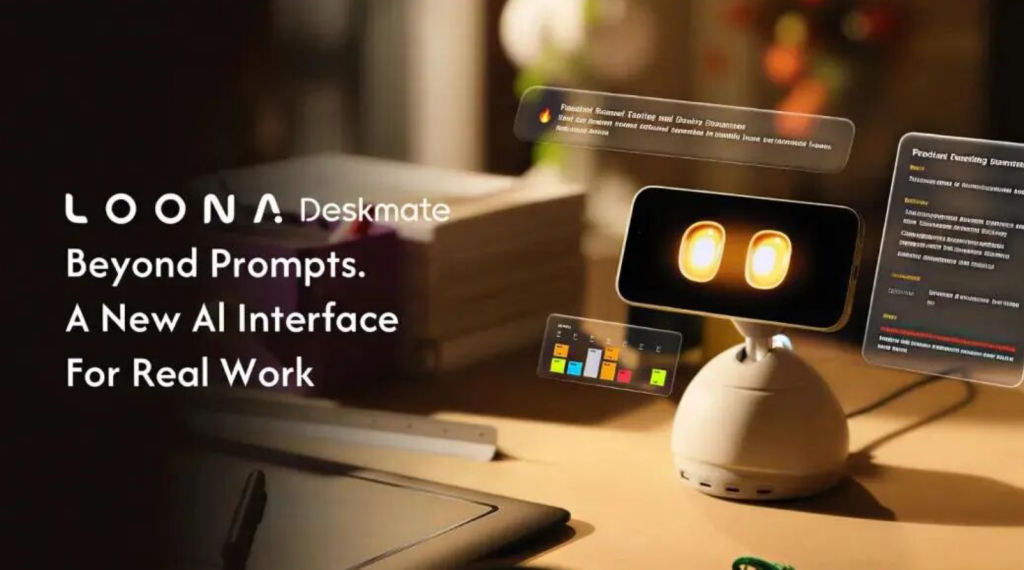
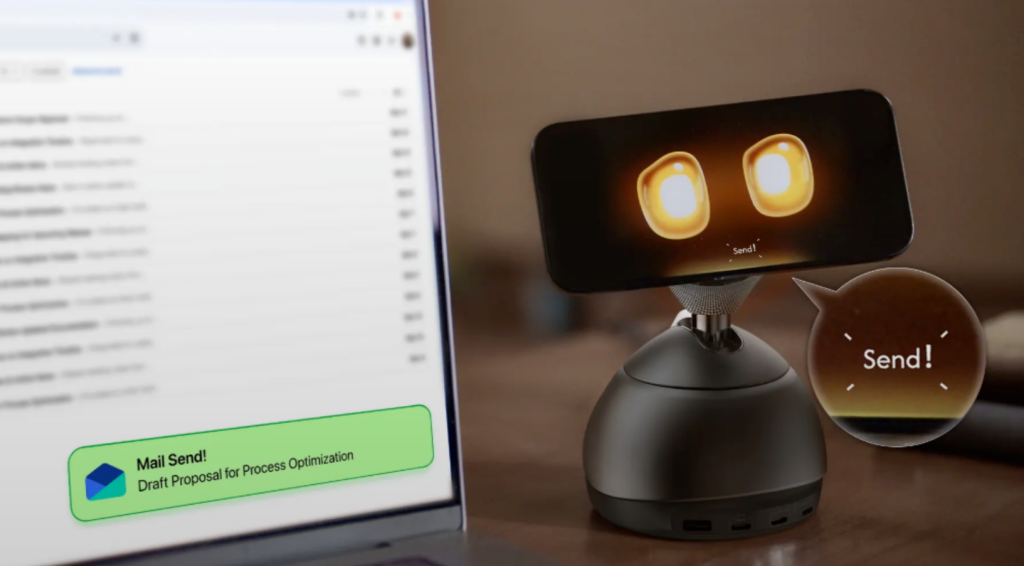
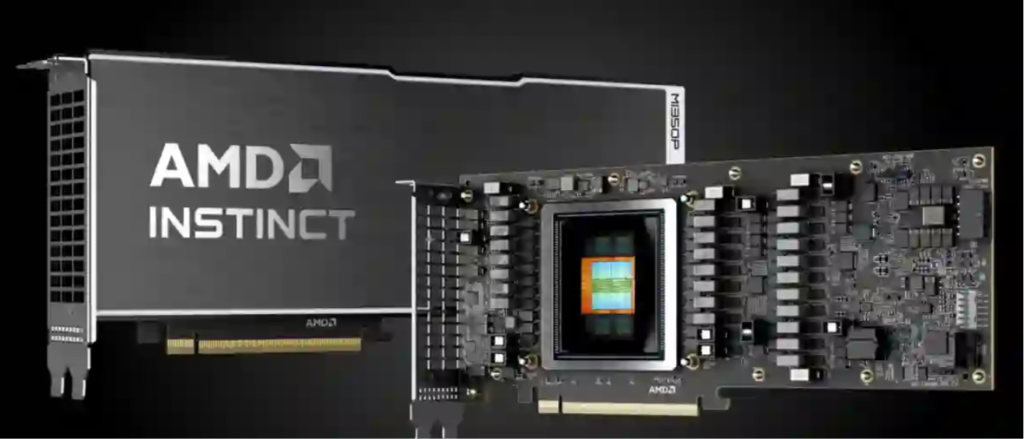
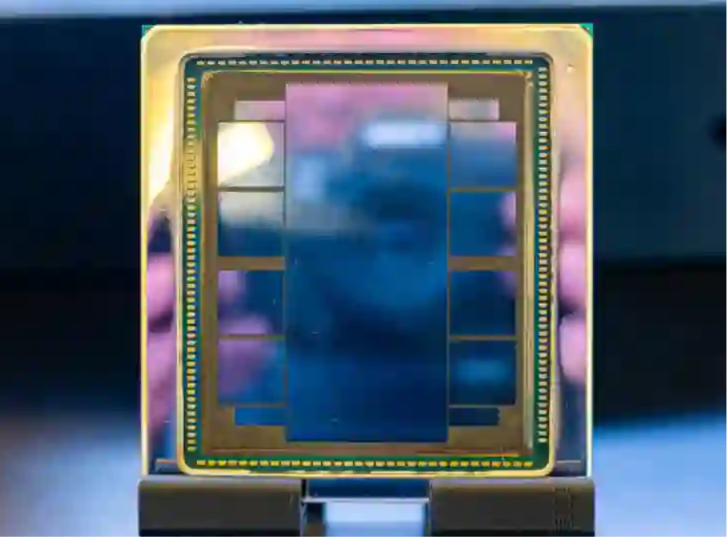
AI Work Hardware refers to consumer-grade devices and peripherals—driven primarily by artificial intelligence—that deeply embed capabilities for perception, comprehension, reasoning, decision-making, and continuous learning into their core system architecture and operational logic. Designed for use in personal, home, and small-office environments, these tools serve to support daily workflows such as AI generation, creative production, office tasks, and learning.
With the development of technology, information overload has become the norm. Screens flash incessantly , and messages keep popping up. Modern people receive far more data every day than their brains can process. Digital anxiety is rampant. Attention spans are also severely fragmented.
Mac Book Neo
Against this backdrop, a concept called digital minimalism technology has emerged. It advocates reducing distractions and returning to the essence of tools.
Apple’s MacBook Neo is a tangible product of this philosophy. It proactively abandons redundant features, focuses on the core experience, emphasizes privacy protection, and pursues focus management. Its emergence is not accidental ; in fact, it is a product of contemporary anxieties and a precise test of the commercial market.
In the modern information society, the value of minimalist technology is very clear.
The first layer is psychological relief. It frees users from being overwhelmed by a deluge of applications. The notification bar finally quiets down. Attention is refocused. Work efficiency naturally improves. Mental strain is significantly reduced.
The second layer is data security. The system is closed. Access is restricted. Individual activity is more controllable. The risk of information leakage is reduced. Corporate compliance costs also decrease accordingly.
The third layer is a pure user experience. It’s ready to use right out of the box. The interface is clean. The operation logic is straightforward. The learning curve is significantly reduced. These products address the real pain points of modern people. They don’t sell top-tier computing power, but rather disposable time. They don’t sell a mountain of features, but rather a conscious state of use , directly embedding the “less is more” philosophy into the hardware and system’s underlying layers.
From a business perspective, these products operate in a niche market. The target audience is clearly defined: creative professionals, avid readers, and those seeking to combat internal friction. Brands maintain profits through high premiums. Marketing focuses on emotional value: health, focus, and freedom. The supply chain is relatively streamlined, utilizing custom chips and fixed configurations to minimize after-sales complexity.
However, in actual business operations, this path has natural bottlenecks.
Niche markets struggle to support large-scale expansion. High price barriers prevent ordinary consumers from paying for “restraint.” A closed system also limits the third-party ecosystem. Developer enthusiasm is limited. Software adaptation cycles are long. Repurchase frequency is low. The growth curve is destined to be flat. The business world values economies of scale. A minimalist product, however, actively forgoes scale. This is a contradictory path. Profits depend on brand loyalty, not user base. Once the hype fades, sales are prone to a precipitous drop.
So , can the MacBook Neo or similar products lead a new trend in the future? After comprehensive market and consumer psychology analysis , Aicrunchx’s conclusion leans towards the negative.
First, mainstream demand is still shifting towards adding features. Users need all-in-one devices: office work, entertainment, social interaction, and multitasking. One machine must handle it all. Subtractive products cannot cover complex scenarios.
Secondly, technological evolution is shifting. Large-scale models are rapidly becoming more widespread. Demand for local computing power is soaring. The plug-in ecosystem is experiencing explosive growth. Minimalist architectures are struggling to support complex services with high-frequency iterations. Furthermore , cost and pricing are major drawbacks. High-end customization , environmentally friendly materials , and small-batch production inevitably drive up prices.
Most users will still choose the cost-effective option. Finally, while the concept of digital health is gaining popularity, it hasn’t yet translated into a necessity for purchasing. It’s more like a lifestyle embellishment, not a required option for technological upgrades.
Mac Book Neo Minimalist technological philosophy
The essence of industry competition is a battle of efficiency. A minimalist approach sacrifices some efficiency. It cannot adapt to high-frequency collaboration. It struggles with cross-platform synchronization. It limits multi-device联动 (interconnection/coordination). Major companies won’t abandon ecosystem expansion; they will simply turn minimalist features into “modes,” such as a focus mode or hiding notifications. Using software switches instead of hardware reduction is more in line with commercial interests and more easily accepted by the public. The hardware restraint of the MacBook Neo will ultimately be diluted by software optimization.
The market will remember them, but it won’t follow them universally. They will remain in high-end niche markets, serving specific groups, supplementing mainstream products, rather than setting industry benchmarks. Tech companies will continue to fiercely compete on performance, screen quality, interface expansion, and AI capabilities. This is a business principle and a result of user votes. The MacBook Neo has its unique value. It reminds the industry that technology shouldn’t just pursue faster and more; it can also be lighter and quieter. It offers another possibility for digital life. But leading a trend requires public acceptance, scenario coverage, and continuous expansion. The minimalist approach naturally rejects these elements; it’s destined to have a limited reach. But in the noisy information age, maintaining restraint is itself a form of clarity.
Alibaba’s Qianwen S1 AI Glasses will be available for immediate purchase on April 15th.
On April 10, 2026, Alibaba’s Qianwen officially released its second AI glasses, the S1.
As an iterative product of the deep integration of large-scale models and wearable hardware, the S1 not only debuts with the Qualcomm Snapdragon AR1 platform, but also achieves breakthroughs in binocular spatial display, hot-swappable battery replacement, and multimodal interaction logic. Priced at approximately $485 USD , it will be available for immediate purchase on April 15th. Does this pair of glasses have the capability for frequent daily use? We’ll break it down step by step through practical testing.
Hardware Foundation: The Synergistic Evolution of Snapdragon AR1 and Optical Solutions
The S1’s computing power comes from the Qualcomm Snapdragon AR1 chip. This SoC, specifically designed for low-power XR scenarios, adopts a heterogeneous computing architecture and can smoothly handle large-scale on-device inference in independent operation. Combined with a dual-lens Micro-OLED display module, the S1 achieves true stereoscopic depth rendering. In actual testing, the occlusion relationship between the virtual UI and the real environment is handled naturally, the motion-to-display latency is consistently within 20ms, and the dizziness is significantly lower than the previous generation. Even more noteworthy is the “front-facing light-leakage technology”: by superimposing a microprism guiding light and a polarizing filter layer, it completely solves the pain point of side light leakage and privacy exposure in traditional AR devices, ensuring clear contrast even in strong outdoor light, balancing practicality and social decorum.
Interaction and Imaging: Multimodal Fusion and Full-Scene Voice Loop
The essence of AI glasses lies in seamless interaction. The S1 abandons single touch control, shifting to a multimodal architecture of “voice wake-up + visual understanding + micro-gestures.” A 5-microphone circular array, combined with AI noise reduction algorithms, can accurately separate human voices even during subway commutes or in open-plan office spaces; dual voice coil speakers provide a wide sound field, ensuring excellent clarity for calls and media playback. In terms of imaging, the 12-megapixel main camera supports 3K 30fps video recording. Combined with real-time visual analysis from Alibaba’s Qianwen big data model, it can achieve functions such as “gaze translation,” “object recognition,” and “scene note-taking.” For example, when the gaze rests on a foreign language road sign, semantic prompts immediately appear at the edge of the field of vision, compressing the interaction to the level of a single blink, truly achieving “what you see is what you get.”
Wearability and Battery Life: Lightweight Design Optimized for Asian Face Shapes
Wearability of wearable devices is determined by comfort. The S1 features aerospace-grade titanium alloy temples and memory silicone nose pads, weighing only 78 grams. Based on 3D data modeling of millions of Asian facial features, the frame curvature and center of gravity distribution have been recalibrated to ensure comfortable wear for extended periods without pressure on the bridge of the nose or slipping. A highlight of the design is the hot-swappable dual battery compartment: each battery provides approximately 4 hours of continuous use, supporting seamless switching via blind insertion. Combined use can cover all-day commutes, meeting recording, and light navigation, completely eliminating battery anxiety. Magnetic contacts and waterproof sealing rings ensure both durability and outdoor adaptability.
Price and Positioning: Can $485 Break Through in the Red Ocean Market?
With a price tag of approximately $485, the S1 positions itself in the “high-end practical” market. Compared to overseas competitors in the same price range, the S1 boasts a significant advantage in large-scale model response speed, optical privacy protection, and Asian face adaptation. The fact that it was available for immediate purchase on April 15th demonstrates Alibaba’s confidence in its supply chain ramp-up and yield control. If your needs are for efficiency improvements, cross-language assistance, and a native AI experience, rather than hardcore 3D gaming, the S1’s hardware is more than adequate for the early adopter phase and possesses the attributes of a primary tool.
In conclusion, the inflection point for the practical application of AI wearables has arrived.
Alibaba Qianwen S1 AI Glasses
The Alibaba Qianwen S1 is not a concept phone piled up with specifications, but rather a productivity extension focused on real-world scenarios. Its core competitiveness lies in the energy efficiency of the Snapdragon AR1 processor, the smoothness of multimodal interaction, and engineering solutions to pain points such as light leakage, battery life, and wearing comfort. Current shortcomings include the fact that the third-party ecosystem is still in its incubation period, and high-end AR content needs to be developed. Suitable for: cross-language workers, efficiency-oriented office workers, and tech-savvy users. Priced at $485, you’re not just buying optical and computing hardware, but also the first ticket to bringing large-scale AR models to everyday use.
(Note: 485 USD is the discounted price for mainland China. Please refer to the official website for the actual global price.)
In early 2026, FibreSeek (CarbonSeek Technology)—an emerging brand hailing from Shenzhen, China—soared to the top of crowdfunding charts with its debut product, the FibreSeeker 3. Amassing $4.6988 million in funding and garnering the support of 1,539 backers worldwide, the device achieved a remarkable breakthrough: it lowered the barrier to entry for industrial-grade continuous fiber 3D printing technology—previously priced in the tens of thousands of dollars—to a consumer-friendly threshold of just $2,399 (at the “Super Early Bird” rate). In a “red ocean” market where giants like Bambu Lab and Creality command over 90% of the market share, the FibreSeeker 3 has successfully carved out a distinct niche for itself.
FibreSeeker 3
Within the 3D printing industry, the consumer market has long been dominated by “plastic prototypes,” while high-strength, industrial-grade equipment remained the exclusive domain of a select few enterprises due to prohibitive cost barriers. The advent of the FibreSeeker 3 seeks to bridge this divide—a feat bolstered by the dual advantages of China’s robust supply chain capabilities and precise market positioning. Furthermore, its emergence reflects a deeper, industry-wide trend: a fundamental shift in the global 3D printing sector from mere “proof-of-concept” demonstrations to the delivery of truly “functional applications.”
Technical Breakthrough: A Leap from “Brittle Plastic” to “Aerospace-Grade Strength”
Traditional FDM (Fused Deposition Modeling) 3D printers, relying solely on pure thermoplastic materials, have long suffered from a critical flaw: weak interlayer adhesion. Consequently, the resulting prints are prone to brittleness and cracking, possess poor load-bearing capacity, and are thus relegated to non-functional scenarios such as model display and concept validation. This inherent limitation has long confined consumer-grade 3D printing to the awkward status of a “niche novelty” or “toy,” rendering it difficult to penetrate the realm of genuine engineering applications.
The core competitive advantage of the FibreSeeker 3 lies in its proprietary continuous fiber co-extrusion technology—an industrial-grade process previously reserved for the aerospace and high-end manufacturing sectors, which this Chinese startup has successfully “desktop-ized.” The device features an independent dual-extruder architecture: a primary nozzle handles standard base materials such as PLA, ABS, PC, and PA, while a secondary nozzle is dedicated to feeding continuous carbon fibers. Through a high-precision temperature control system and synchronized pressure technology, bundles of carbon fibers are seamlessly embedded within the molten plastic matrix, thereby creating a “fiber-reinforced composite material.” Data indicates that the printed output from this device achieves a tensile strength of up to 900 MPa—ten times that of standard 3D printing materials. This level of strength approaches that of aerospace-grade aluminum alloys, yet weighs only half as much. Even more practically, users can seamlessly switch between three distinct operating modes to suit their specific needs: a high-speed mode (500 mm/s) ideal for rapidly prototyping plastic models; a high-strength mode that enables the synergistic deposition of fibers along a part’s specific stress paths; and an ultra-strength mode that supports full-fiber output, directly addressing the manufacturing requirements for load-bearing components such as drone frames, robotic joints, and industrial fixtures. This signifies that, for the first time, consumer-level users can—at an affordable price point—print functional parts that are ready for immediate, practical application.
Hardware-Software Synergy: Lowering the “Barrier to Entry” for Industrial Processes
The technical challenges inherent in continuous fiber printing have never been limited solely to the hardware itself; rather, they lie critically in the precision of fiber tension control and path planning. Should tension become unbalanced, the fiber is prone to snapping or deviating—issues that directly result in print failure. The solution implemented in the FibreSeeker 3 is a deep, synergistic integration of hardware and software.
On the hardware front, the device features built-in fiber tension sensors and a real-time filament breakage detection module. Coupled with an adaptive vibration compensation algorithm, these components allow the system to dynamically adjust fiber feeding speed and tension in real time, ensuring that the carbon fiber is deposited without snapping or deviating from its intended path. Furthermore, the device’s generous build volume of 300 × 300 × 245 mm—combined with all-metal linear guide rails—provides robust assurance of dimensional consistency during long-duration print jobs, effectively preventing device vibrations from compromising the precision of the final product.
Regarding software, FibreSeek’s proprietary slicing software, Aura, has completely reimagined the operational logic behind continuous fiber printing. Unlike traditional slicing software, Aura incorporates a built-in topology optimization algorithm that automatically identifies areas of high stress concentration within a 3D model, subsequently generating the necessary anchoring points and infill paths for the continuous fibers. Consequently, users require no specialized engineering expertise; by simply setting a target strength threshold, the software automatically generates the optimal G-code (printing instructions).
Additionally, the device’s 5-inch touchscreen interface and integrated high-definition AI camera further lower the operational barrier. The camera provides real-time monitoring of the printing process; should any anomalies occur—such as a snapped fiber or a clogged nozzle—the system immediately triggers an alert and supports “resume-from-breakpoint” functionality, thereby enabling even non-professional users to effortlessly complete complex, engineering-grade printing tasks. Market Strategy: Steering Clear of the “Red Ocean” to Secure a Niche in High-Value Growth Markets
With a crowdfunding starting price of $2,699—including a “Super Early Bird” tier at $2,399—the launch might appear to be a price war; in reality, however, it represents FibreSeeker’s meticulously crafted strategy to break through market stagnation via differentiation. While industry giants like Bambu Lab and Creality focus on mainstream segments such as “multi-color printing” and “ultra-high-speed printing”—becoming entangled in a spiral of product homogenization—this startup has chosen a more precise path. It targets the core, non-negotiable needs of engineers, R&D teams, and “hardcore” makers: the ability to directly produce load-bearing, testable end-use parts at a low cost.
Underpinning this strategy is the robust support of China’s mature supply chains and large-scale manufacturing capabilities. By leveraging supply chain clusters in hubs such as Shenzhen and Suzhou, FibreSeeker has slashed the device’s BOM (Bill of Materials) costs by nearly 90%. This achievement enabled the breakthrough of delivering “industrial-grade performance at a consumer-level price,” thereby paving the critical path for the downward migration of industrial technology into the consumer desktop market.
Industry data indicates that in 2024, global shipments of consumer-grade 3D printers are expected to surpass 2 million units—a year-over-year increase of 20%—while the market for industrial-grade equipment shows signs of contraction. FibreSeeker keenly identified this trend; rather than blindly following the giants into homogenized competition, the company carved out a high-value growth market through a strategy of “performance-driven premium + reasonable pricing.” For R&D teams, this device significantly reduces the costs associated with prototype validation and small-batch production; for hardcore makers, it unlocks new possibilities for fabricating high-strength, lightweight parts on their own.
A Decade of Accumulation: The Inevitable Result of Localization and Capital Support
The explosive success of the FibreSeeker 3 is not a serendipitous foray into a new field, but rather the inevitable outcome of a decade of technological accumulation and strategic localization. Its core technology is rooted in the patented Continuous Fiber Co-extrusion (CFC) process, pioneered by Anisoprint in 2014. Over the past ten years, this technology has served leading global enterprises—including NASA, Airbus, BMW, and Apple—accumulating a wealth of mature experience in industrial applications. In 2023, Anaiso 3D (FibreSeek’s parent company) completed the comprehensive localization of its technology, patents, and core expertise in Suzhou. This move was swiftly followed by a 30 million RMB angel round investment from Sequoia Capital, as well as a Series A round of nearly 100 million RMB led by GF Xinde. The company’s founder, Liu Rui—a post-95s entrepreneur who is currently still pursuing a Ph.D. in Intelligent Manufacturing at the Hong Kong University of Science and Technology (HKUST)—assembled a core team with backgrounds from institutions such as the University of Science and Technology of China (USTC) and MIT. Together, they decisively executed a strategic pivot “from B2B to B2C,” shifting away from their long-standing reliance on industrial clients to focus instead on the incremental demand within the consumer market.
“Industry was our original calling, but the consumer market is our inevitable destiny.” This statement by FibreSeek’s former CTO encapsulates the core logic behind the company’s transformation. With the addition of former executives from global 3D printing giants—such as Desktop Metal and Markforged—FibreSeek has further solidified its global distribution channels, laying a robust foundation for its products to reach the international market.
Conclusion: Reshaping the Boundaries of Consumer-Grade 3D Printing
The advent of the FibreSeeker 3 represents more than just an innovation in desktop 3D printing hardware; it marks a true milestone for the global consumer-grade 3D printing industry. By—for the first time—introducing industrial-grade continuous fiber technology into the consumer market, it fundamentally shatters the entrenched perception that “consumer-grade” is synonymous with “prototyping.” Instead, it propels the industry forward, shifting the focus from mere “proof of concept” to actual “functional delivery.”
For professional users seeking high-strength, lightweight components, the FibreSeeker 3 offers what is currently the most engineering-value-driven solution available in the consumer market. For the 3D printing industry as a whole, the success of this Chinese startup demonstrates that the combined power of “technological downscaling” and “supply chain advantages” is sufficient to carve out a new niche within a “red ocean” market currently dominated by industry giants.
As FibreSeek continues to iterate upon its materials ecosystem and its “Aura” slicing software, continuous fiber printing is poised to experience a desktop-level boom between 2026 and 2027. By then, consumer-grade 3D printing will no longer be merely a “niche hobby”; it will truly integrate into a wider array of scenarios—including R&D, manufacturing, and the maker community—becoming a vital tool for driving innovation. And in the midst of this industry-wide transformation, Chinese enterprises—leveraging their dual advantages in both technology and supply chains—are seizing the initiative to lead the way.
Amidst the surging wave of AI hardware innovation in 2024, the field of voice recorders—long considered stagnant—has undergone a radical transformation. As a pioneer in this revolution, Plaud has quickly captured the tech industry’s attention with its flagship product: the Plaud Note. This device seamlessly blends a unique form factor with powerful AI capabilities. Even as the AI hardware sector evolves at a breathtaking pace, the Plaud Note maintains a formidable competitive edge. Based on actual specifications and extensive user experience, this article offers a comprehensive buying guide to help consumers determine whether this “AI secretary that sticks to your phone” is a worthwhile investment.
Plaud Note
Industrial Design: Redefining “Portability” for Mobile Professionals
The Plaud Note’s greatest selling point lies in its innovative design—one that breaks free from the traditional rectangular mold of conventional voice recorders. Measuring a mere 9.5 millimeters in thickness and weighing approximately 32 grams, the device boasts a slim, card-like profile—only slightly thicker than a standard credit card.
At the core of its design philosophy is the concept of “seamless portability.” The device features built-in N52 strong magnets on its back, allowing it to snap directly onto the rear of any smartphone—compatible with both MagSafe and non-MagSafe models (non-magnetic phones come with an included metal clip). Users no longer need to carve out extra space in their bags for a separate recording device; the Plaud Note becomes a natural extension of the smartphone—a functional module that is always within easy reach.
In practice, this design truly delivers on its promise. Even when attached to a phone with a protective case, the 9.5mm thickness adds virtually no bulk, ensuring that this combined phone-and-recorder setup remains comfortable to hold. The front of the device features only a single multi-function button and an LED indicator; this minimalist aesthetic not only looks stylish but also minimizes the risk of accidental operation. For professionals who travel frequently, conduct interviews, or need to capture sudden bursts of inspiration on the fly, this “phone-plus-recorder” combination solves a long-standing pain point: the common oversight of forgetting to bring a voice recorder.
A common concern among potential buyers is whether such a slim and lightweight device can truly deliver reliable audio quality. Through substantial hardware upgrades and intelligent software calibration, the Plaud Note effectively dispels these concerns.
The device features a dual-microphone array capable of 48kHz/24-bit high-resolution audio recording—a specification that meets the entry-level standards of professional voice recorders, enabling it to capture subtle sonic details often overlooked by cheaper, bulkier counterparts.
Real-world testing demonstrates that the Plaud Note excels at voice recording. Whether in a quiet conference room or a slightly noisy café, it consistently isolates human voices from background noise. Its built-in AI noise-cancellation algorithms play a crucial role in post-processing, effectively filtering out environmental distractions such as the hum of air conditioning, keyboard typing, and distant conversations—a capability vital for anyone recording interviews, meetings, or lectures.
However, it is worth noting that the device’s design—specifically its integration with a smartphone—introduces certain inherent limitations. Since the microphones are positioned on the back of the phone, they are optimized to capture sounds in the user’s immediate vicinity or the voice of a speaker when the phone is placed flat on a table. For long-distance recording—such as from the back rows of a large auditorium or a crowded lecture hall—its performance falls short of traditional, long-bodied voice recorders, which are specifically engineered for directional, long-range pickup. This represents a physical compromise inherent to its compact portability; consumers should clearly define their intended use case before making a purchase.
Plaud Note Thickness Display
The AI Core: Beyond Recording—A Productivity Powerhouse
If the Plaud Note were merely an audio recording device, it would amount to little more than a hardware novelty. It is the integration of artificial intelligence that truly transforms it into a highly efficient productivity tool. Plaud’s competitive edge stems not only from its card-like form factor but, more importantly, from its accompanying mobile application and advanced AI processing capabilities—features that convert raw audio data into actionable information.
Transcription and Summarization: Cutting Through the Noise
Once a recording is complete, the audio file automatically synchronizes with the mobile application. Plaud incorporates advanced Speech-to-Text (STT) models that support mixed-language recognition, including Chinese, English, Japanese, and Korean. In practical testing, the Chinese recognition accuracy exceeded 95%, even in instances involving regional accents or rapid speech. Even more impressively, the “AI Summary” feature can automatically extract meeting minutes, to-do lists, and mind maps. For a one-hour meeting, the AI takes just a few minutes to generate a clearly structured and well-organized summary, thereby significantly reducing the time required to organize and review notes.
Privacy and Security: Balancing Convenience with Protection
For business professionals, data privacy is paramount. Plaud addresses this concern through a dual-processing option: sensitive meeting content can be transcribed locally on the device, ensuring that data remains entirely under the user’s control. Meanwhile, non-sensitive content can leverage cloud computing capabilities for rapid processing. This flexible approach serves to alleviate users’ security concerns while preserving the convenience offered by AI features.
Interactive Experience: Intuitive and Efficient
The accompanying app features a clean, user-friendly interface that supports highlighting, annotating, and text-searching within recorded content. Users can quickly pinpoint specific timestamps within a recording by searching for keywords—a feature that proves particularly useful when reviewing lengthy lectures, interviews, or meeting recordings, saving a significant amount of time that would otherwise be spent on tedious playback.
Plaud Note Dual-mode Precise Recording
Battery Life and Storage: Say Goodbye to Frequent Charging Hassles
Battery life is a critical factor for portable devices, and the Plaud Note excels in this regard. Its built-in battery supports approximately 30 hours of continuous recording and up to 45 days of standby time. For most users who record meetings or interviews a few times a week, this means charging the device just once a week. The device utilizes a USB-C charging port, compatible with most mainstream smartphone cables, further enhancing its convenience by eliminating the need to purchase a separate charger.
Storage capacity is available in two options: 32GB and 64GB. The 32GB version can store approximately 470 hours of audio recordings, while the 64GB version offers double that capacity. Given that audio recording files are relatively small in size, even the 32GB version is sufficient to meet the needs of most users for several years. For users with a more generous budget, we recommend the 64GB version, which offers a longer usable lifespan and greater buffer space for file transfers.
Pricing and Competitive Analysis: AI Value—A Premium Choice
The official retail price for the Plaud Note starts at $159, with higher prices for versions featuring increased storage capacity or bundled packages. Occasional “early bird” offers are available, providing opportunities to save on costs. Compared to traditional voice recorder brands like Sony and Zoom, the Plaud Note is positioned in the mid-to-high price range; however, the value delivered by its integrated AI services is unmatched by traditional devices.
When compared to the built-in recording functions found on smartphones, the Plaud Note’s key advantages lie in its “independence” and “professionalism.” Smartphone recordings are easily interrupted by incoming calls and suffer from a limited pickup range. As a standalone device, the Plaud Note supports one-touch recording—simply double-tap the side button to start or pause—without the need to unlock a phone. This makes it ideal for field recording, offering a solution that is both discreet and efficient.
Purchase Recommendations: Who Should Buy?
Based on extensive testing, we have compiled the following recommendations to help consumers determine whether the Plaud Note is the right fit for them:
Recommended For:
Media Professionals and Journalists: Those who require fast, reliable recording of interviews and prioritize portability—needs that the Plaud Note fulfills perfectly.
Business Professionals and Meeting Attendees: Individuals who frequently attend in-person meetings and require efficient note organization; the Plaud Note’s AI summarization feature can significantly boost productivity.
Students and Academic Researchers: For whom recording lectures and seminars is essential; the device’s search and annotation features streamline the subsequent review and data organization processes.
Creative Professionals: Those for whom capturing inspiration on the go is critical; the Plaud Note’s one-touch recording feature eliminates the distractions often caused by cumbersome device operation.
Not Recommended For:
Professional Music Recording Users: Although it supports 24-bit/48kHz recording, it is not designed as a professional music production tool. Its noise floor control does not match that of high-end professional recorders costing tens of thousands of dollars.
Users Requiring Long-Distance Recording: Traditional recorders equipped with directional microphones are better suited for capturing audio from a distance—such as during stage performances, large-scale court hearings, or crowded conferences.
Users Sensitive to Subscription Models: While basic features are available for free, access to certain advanced AI models or unlimited transcription services may require an ongoing subscription. Consumers should consult Plaud’s latest official pricing policy prior to purchase. Conclusion: A Worthwhile Investment in AI-Powered Productivity
The Plaud Note is not a flawless device; its physical design presents certain limitations regarding long-distance audio recording. However, its core concept—the seamless fusion of “AI recording” and “smartphone accessory”—points toward the future direction of smart hardware. It is more than just a voice recorder; it serves as a personal AI assistant that attaches directly to your phone, designed to streamline information processing and save you precious time.
For consumers seeking a device that integrates seamlessly into their daily lives while significantly boosting information processing efficiency, the Plaud Note stands out as a highly competitive product on the market. When making a purchase, we recommend prioritizing the 64GB version and keeping an eye out for official promotional offers to maximize the value of your investment. In today’s new landscape of AI-driven productivity, the Plaud Note is undoubtedly a worthwhile investment for users who prioritize “working smarter, not harder.”