Category: AI For Music

AI music agent, also known as AI music maker or music creation assistant, is an integrated intelligent system that uses AI music generation models for customized music creation.

  • Guangfan Visual AI Earbuds: Headphones That See

    Guangfan Visual AI Earbuds: Headphones That See

    Guangfan Full-Sense AI Earbuds
    Guangfan Full-Sense AI Earbuds

    From Audio Assistant to Fully-Aware Personal AI

    On May 9, 2026, Guangfan Technology officially announced that the world’s first active AI earbuds with visual perception capabilities—the Guangfan Full-Sense AI Earbuds—will officially launch on May 15. This product breaks traditional headphone functional boundaries, giving earbuds the unprecedented ability to “see” the surrounding world.

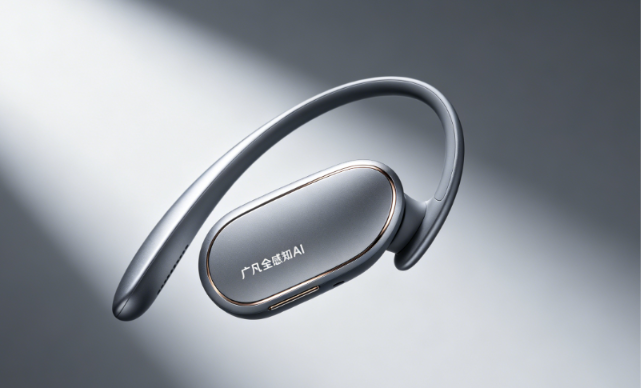
    Guangfan Full-Sense AI earbuds open-ear design

    Unlike traditional earbuds that operate in passive interaction modes, Guangfan Full-Sense AI Earbuds pioneer three core design principles: “full perception, proactive interaction, and personalization.” In practical scenarios, this means when users enter a shopping mall, the earbuds automatically identify products and provide online price comparisons; when entering a restaurant, the earbuds can analyze dish ingredients and offer healthy eating suggestions; when passing by a previously bookmarked store, the device proactively reminds users about saved promotions. This shift from “you ask, I answer” to “it thinks ahead” redefines human-computer interaction in the AI era.

    Notably, Apple has also recently been reported testing camera-equipped AirPods Pro, planned for release this fall. This news forms an interesting echo with Guangfan Technology’s launch—two companies targeting the visual AI earbuds track simultaneously, confirming broad industry recognition of this direction.

    AI earbuds identify shopping items
    AI earbuds identify shopping items

    Technical Breakthrough: How Cameras Fit Into Earphone Design

    The core innovation of Guangfan Full-Sense AI Earbuds lies in its dual 2-megapixel binocular camera module. However, these cameras are not designed for photography or video recording. According to official specifications, the camera module is specifically engineered for real-time environmental recognition, capable of capturing object and scene information within the user’s field of view.

    The product’s design engineers chose an open-type ear-hook structure, with each earbud weighing just 11 grams, ensuring wearing comfort while providing reasonable space for the camera module. The earbud case integrates a built-in 4G cellular network module—the key design feature enabling “phone-free independent use.” Users can now leave their smartphones behind and complete calls, music playback, and AI assistant calls simply by carrying the earbud case.

    Battery life stands as another highlight of this product. The earbuds deliver 9 hours of talk time and 15 hours of music playback per charge, with the case extending total battery life to an impressive 90 hours. This performance leads among current AI earbud offerings on the market.

    Application Scenarios: From Translation Assistant to Personal Butler

    Guangfan Full-Sense AI Earbuds’ application scenarios far exceed those of traditional smart earbuds. In overseas travel, users facing foreign text on signs or menus no longer need to pull out their phones—the earbuds can capture visuals in real-time and deliver translation audio directly. In shopping scenarios, once the camera identifies a product, the system automatically retrieves pricing data from e-commerce platforms, helping users make more informed purchasing decisions.

    More significantly, the product’s “personalized AI persona” feature deserves attention. Users can customize the AI assistant’s personality and conversational style based on personal preferences, transforming it into a digital companion capable of continuously learning user habits and providing companionship and emotional value. This expansion from tool functionality to emotional connection represents a crucial direction in AI hardware development.

    IDC data shows that global wearable device shipments reached 611.5 million units in 2025, representing 9.1% year-over-year growth. Among these, earbuds and smartwatches remain the two most widely accepted and daily-worn product categories. Guangfan Technology’s decision to integrate visual perception capabilities into this high-frequency usage scenario stems from recognizing its enormous potential as an “on-the-go AI gateway.”
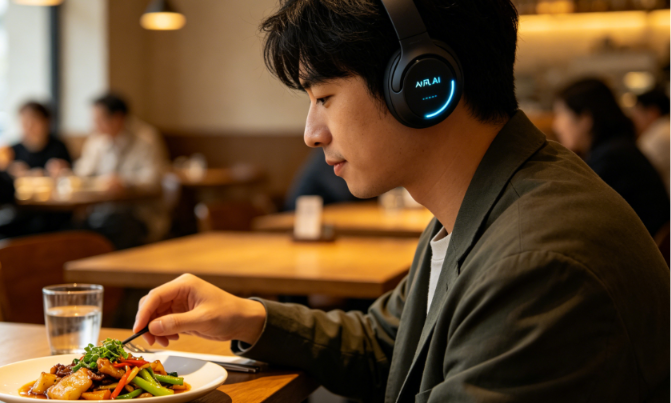
    Earbuds analyze restaurant dishes
    Earbuds analyze restaurant dishes

    Industry Impact: Form Factor Evolution of AI Hardware

    The launch of Guangfan Full-Sense AI Earbuds marks AI wearables entering a new development stage. Over the past two years, numerous products bearing the “AI earbuds” label flooded the market, but most merely delivered basic voice assistant and translation functions—essentially porting smartphone app features to earbuds.

    The real barriers holding back AI earbuds were dual bottlenecks in hardware computing power and interaction paradigms. Limited earbud battery capacity constrained mainstream chips from supporting complex on-device AI inference. Simultaneously, traditional “command-response” interaction patterns failed to meet user expectations for natural conversation.

    In 2026, this situation is changing. The emergence of dedicated AI chips like Qualcomm AR1 enables complex AI algorithm execution at extremely low power consumption. Meanwhile, maturing multimodal large language models equip devices with contextual understanding and ambiguous expression processing capabilities. Guangfan Technology’s product stands precisely at this technological inflection point.

    Industry observers widely agree that AI earbuds with environmental perception and proactive service capabilities are transitioning from “concept validation” to “commercial scale-up.” With more players entering the arena, competition in this track will intensify day by day. For consumers, this means richer product choices and faster price reductions.

    Closing Thoughts

    When a pair of earbuds begins to “see” the world, the boundary of intelligent hardware form factors is being rewritten. Guangfan Full-Sense AI Earbuds represent not merely a new product but a new interaction philosophy—bringing AI out of screens and proactively to users’ sides.

    From smart speakers to smart earbuds, from smartwatches to smart glasses, AI is penetrating daily life at an unprecedented pace. What everyday item will be the next to be “AI-equipped”? The answer may be closer than we imagine.
  • Article: Ray-Ban Meta Gen 2 Smart Glasses — In-Depth Review

    1. Product Positioning: The Smart Glasses That Finally Went Mainstream

    Smart glasses are not a new concept. From Google Glass stalling in 2013 to Snap Spectacles fading quickly, the category has long been stuck in the paradox of “impressive on paper, disappointing in practice.” Then came Ray-Ban Meta, and for the first time, the industry glimpsed genuine mass-market potential.

    On April 30, 2026, the Irish Times published a full review of the Ray-Ban Meta Gen 2, with a direct verdict: “More than a fun toy.” Geeky-Gadgets conducted a six-month long-term test, arriving at similarly positive conclusions.

    So what problem does the Ray-Ban Meta Gen 2 actually solve?

    The core logic is straightforward: take the AI assistant out of the phone and put it on the user’s face. In scenarios where hands are occupied — during exercise, cooking, or commuting — the friction of pulling out a phone, unlocking it, and opening an app becomes a real bottleneck. The Ray-Ban Meta Gen 2 circumvents this entirely through voice commands and a first-person camera.

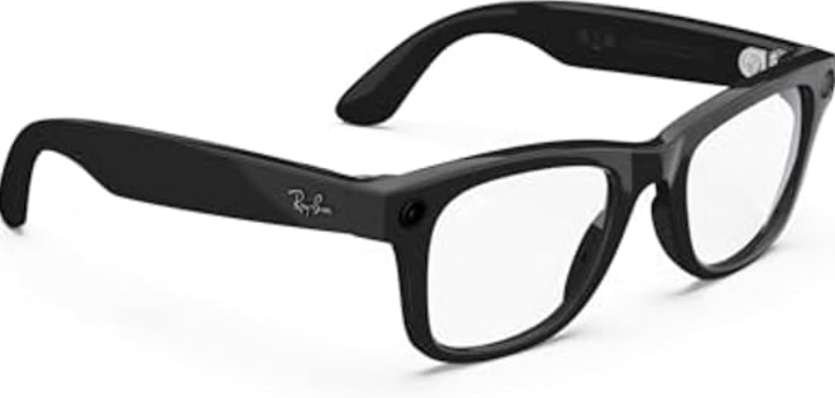
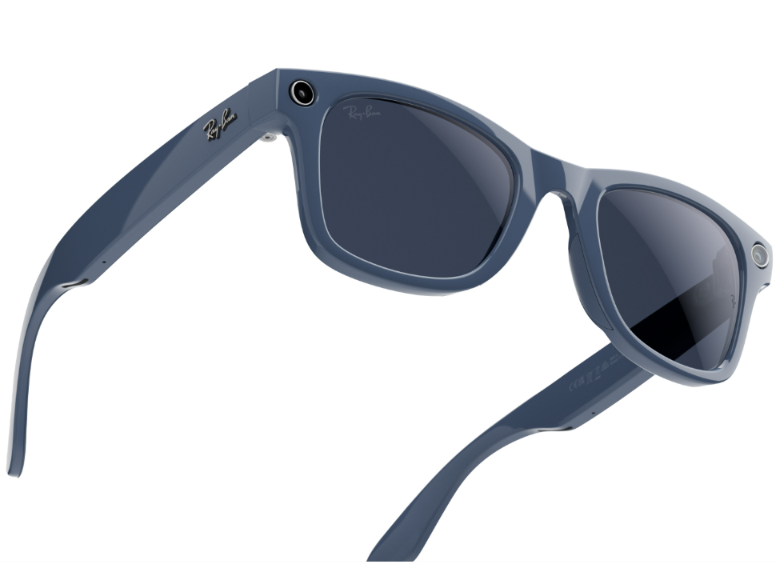
    Ray-Ban Meta Gen 2 product exterior. The LED indicator on the outer frame remains visible during recording, providing a built-in privacy safeguard.
    Ray-Ban Meta Gen 2 product exterior. The LED indicator on the outer frame remains visible during recording, providing a built-in privacy safeguard.

    2. Design: 51 Grams of Everyday Disguise

    Visually, the Ray-Ban Meta Gen 2 is nearly indistinguishable from a regular pair of Ray-Bans. This is its smartest design move — it does not aggressively market its technology. Instead, it lets the tech recede into daily life.

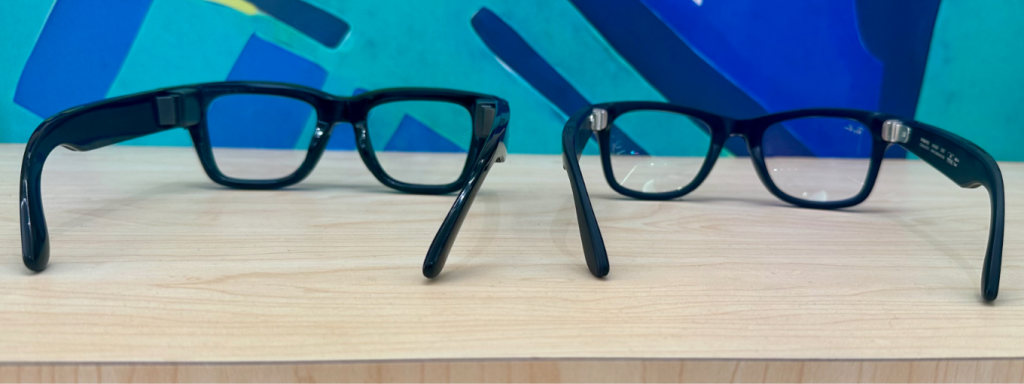
    The full device weighs approximately 51 grams, about 2.8 grams heavier than the first generation — a trade-off for the larger battery. The weight difference is imperceptible during actual wear. Three classic frame styles are available: Wayfarer, Skyler, and Headliner, with over 150 combinations of frame and lens options, including clear, transition, and polarized lenses. Prescription lenses are available for myopia up to -6.0 diopters.

    However, the nose bridge design carries one notable limitation. The standard nose pads are optimized for Western facial structures. Asian users frequently find the initial fit sits too low. For extended daily use, purchasing third-party silicone nose pad accessories is a worthwhile investment that significantly improves comfort.

    For durability, the Gen 2 maintains an IPX4 splash-resistance rating — sufficient for rain and sweat during exercise but not for submersion. Users should exercise caution in heavy downpours or water sports environments.

    3. Camera Performance: A First-Person Content Creation Tool

    The 12-megapixel ultra-wide camera is one of the core selling points of these glasses.

    In real-world testing, the camera’s image quality exceeded many expectations. Photos are crisp and sharp with accurate color reproduction, and the wide-angle coverage is well-suited for everyday documentation. Video is available in two modes: 3K at 30fps or 1080p at 60fps, both fully adequate for social media sharing.

    Creative modes add useful versatility. Slow-motion and Hyperlapse settings give content creators additional expressive options.

    One limitation deserves attention: individual video clips are capped at 3 minutes. This constraint likely stems from privacy considerations, but for users wanting to record continuous footage — during a hike or an entire workout — the 3-minute interruption can disrupt the creative flow. Whether this is a hardware or software limitation remains unclear, and a future firmware update could relax this cap.

    Notably, a white LED on the outer frame lights up when recording, signaling to bystanders. An inner sensor also prevents recording if the lens is blocked. This dual-mechanism privacy design is among the most proactive in the current smart glasses market, though it cannot eliminate all concerns.

    4. Audio Quality: An Underrated Surprise

    The open-ear audio system is the Ray-Ban Meta Gen 2’s most underestimated capability.

    The directional speakers built into the temples deliver performance beyond what most people expect. In quiet environments like an office or library, audio quality approaches that of entry-level open-ear earphones — clear midrange ideal for calls and podcasts, with bass that does not produce the “hollow” feel common in cheaper open-ear designs. In noisier settings such as a busy street or subway, volume needs to increase, and audio quality degrades accordingly.

    Call quality is another highlight. The five-microphone array, combined with AI noise reduction algorithms, performs robustly in noisy environments. The Geeky-Gadgets six-month tester specifically noted that cycling phone calls came through cleanly for the person on the other end, with minimal wind noise.

    In quiet environments, people within approximately one meter may occasionally hear faint audio from the open speakers. For maximum privacy, switching to Bluetooth earbuds remains the safer option.

    Comparison of two Ray-Ban Meta smart glasses styles, illustrating the range of frame options available across the Wayfarer, Headliner, and Skyler lineups.
    Comparison of two Ray-Ban Meta smart glasses styles, illustrating the range of frame options available across the Wayfarer, Headliner, and Skyler lineups.

    5. Meta AI: From “Talk” to “Do”

    Meta AI is one of the most significant upgrades in the Gen 2.

    Unlike the first generation, which required pressing a button to activate the assistant, the Gen 2 enables truly hands-free interaction. Simply say “Hey Meta” to set reminders, send text messages, play music, or query directions — all without reaching for the phone. This is particularly valuable in hands-busy scenarios such as cooking, walking a dog, or holding a child.

    Real-time translation covers 14 languages, including English, French, German, Italian, Portuguese, and Spanish. Translation is processed locally on the glasses, and audio and text are not uploaded to Meta’s servers, which helps address privacy concerns. Offline use does require pre-downloading language packs in the app, which adds a small preparation step before travel.

    Another practical AI feature is visual recognition. Point the camera at something unfamiliar, hold the side button, and Meta AI analyzes the image and provides an explanation. The Irish Times reviewer tested it on menus and landmark buildings, finding accuracy “usable most of the time.” The feature still has room for improvement in more complex real-world scenarios.

    6. Battery and Charging

    The Ray-Ban Meta Gen 2 delivers a notable improvement in battery life over its predecessor.

    The glasses themselves last approximately 4 to 5 hours during music playback. The redesigned charging case extends total runtime to 36 to 40 hours. A 20-minute quick charge restores roughly 50% battery — sufficient for a morning commute or half-day outing.

    For most users wearing the glasses 2 to 4 hours daily, charging every one to two days is realistic. Combined with the case’s charging function, the setup handles business travel and short trips without range anxiety.

    7. Privacy: An Unavoidable Debate

    Privacy is a topic every camera-equipped smart glasses product must confront.

    On the hardware side, the Ray-Ban Meta Gen 2 implements the following measures: an outer LED indicator that activates during recording (though visibility decreases in bright sunlight), an inner sensor that blocks recording when the lens is covered, and a 3-minute per-clip recording limit. Meta’s software policies include not uploading translation audio or text to its servers, with photos and videos stored locally in the Meta AI app by default.

    Yet technological limitations persist. In dim indoor environments, where the LED indicator may be hard to notice, bystanders cannot reliably tell when recording is in progress. Brands and media outlets consistently urge users to proactively disable the glasses in sensitive locations.

    From a regulatory perspective, several countries are discussing specific privacy legislation for smart glasses in 2026. The current privacy design of Ray-Ban Meta Gen 2 places it ahead of most competitors, but as the user base scales, compliance pressures will inevitably increase.

    8. Comparison with Other AI Wearables

    The 2026 AI wearables market has developed clear segmentation across competing products.

    ProductForm FactorDisplayPriceTarget User
    Ray-Ban Meta Gen 2GlassesNoneFrom $379Mainstream consumers
    Even Realities G2GlassesHUDFrom $599Business professionals
    Plaud NotePin SPendant/ClipNone$189Office/meeting users
    Brilliant Labs HaloGlassesAR$349Developers/hobbyists

    From this comparison, the Ray-Ban Meta Gen 2 occupies the most accessible position in the market. Rather than chasing flashy AR displays or professional-grade depth, it focuses on making the most commonly used features — photography, calls, AI assistant, and translation — reliably good. For the majority of everyday consumers, this is the most pragmatic choice available.

    9. Verdict: Who Should Buy It

    The Ray-Ban Meta Gen 2 is a product that convinces you more through use than through spec sheets.

    If you spend significant time commuting, exercising, or with hands occupied, and you want on-demand AI assistance, the ability to capture moments instantly, or a convenient hands-free calling option, this product genuinely reduces how often you need to reach for your phone and meaningfully improves daily convenience.

    If, however, you expect a “complete AI assistant in glasses” capable of handling complex tasks or flawlessly translating across all scenarios, the current state of AI technology cannot meet those expectations. The AI features work well in straightforward everyday situations but still show limitations in more complex environments.

    At a starting price of $379, the Ray-Ban Meta Gen 2 sits in the upper mid-range of the smart glasses market. Compared to competitors with comparable feature sets, its combination of camera quality, audio performance, and software ecosystem gives it a meaningful edge — making it one of the best value propositions in the AI wearables category today.

  • HUAWEI WATCH FIT 5 Series Launches: Can Enhanced Health Monitoring and Extended Battery Life Reshape the Smartwatch Landscape?

    Huawei officially launched the WATCH FIT 5 series on April 29, 2026, with a global press conference scheduled for May 7 in Bangkok, Thailand. The new lineup includes standard and Pro models, both positioning health monitoring capabilities and battery performance as core differentiators in an increasingly competitive smartwatch market.

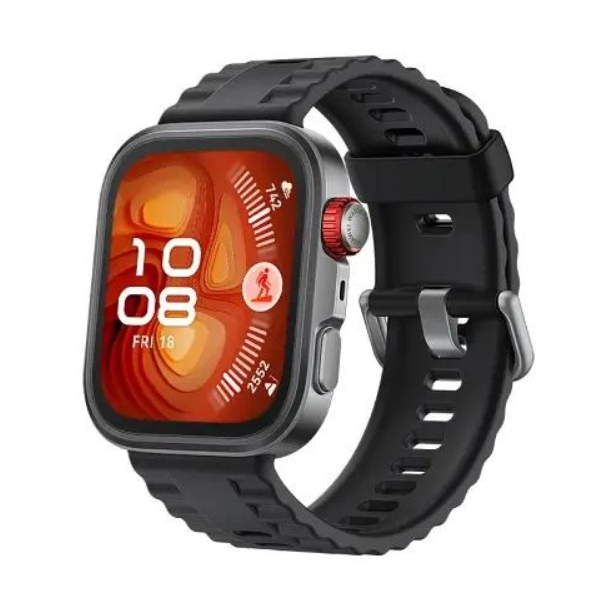
    HUAWEI WATCH FIT 5 Pro
    HUAWEI WATCH FIT 5 Pro

    Health Monitoring Evolution: From Data Recording to Risk Prediction

    The flagship WATCH FIT 5 Pro establishes what Huawei calls a “comprehensive protection system spanning basic vital signs to chronic disease risk assessment.” Beyond conventional 24/7 heart rate, blood oxygen, and sleep monitoring, the Pro model introduces four key capabilities:

    Electrocardiogram (ECG) Analysis enables users to quickly record ECG waveforms by touching the side sensor with their finger, assisting in arrhythmia screening within seconds.

    Pulse Wave Atrial Fibrillation and Premature Beat Alerts provide continuous cardiac rhythm monitoring around the clock. This feature proves particularly valuable for users with cardiovascular health concerns, enabling early detection of occult arrhythmias.

    Vascular Elasticity Detection assesses vascular health through pulse wave conduction velocity, offering early warnings for arteriosclerosis risk. As cardiovascular diseases trend younger globally, this capability fills a critical gap in smartwatch health features.

    Blood Glucose Risk Assessment uses optical signals to indirectly evaluate metabolic status, providing reference warnings for high-risk diabetes populations. It’s important to note this isn’t a professional blood glucose measurement device but rather a risk assessment service based on big data algorithms.

    The Pro model features an upgraded optical sensor system paired with Huawei’s proprietary TruSeen 5.5+ health algorithm. According to Huawei, the new algorithm effectively reduces interference from motion, skin tone, and ambient lighting factors, enhancing the stability and reliability of monitoring data.

    The standard WATCH FIT 5 targets cost-conscious users seeking quality health management features. It shares the same 6 LED and 6 PPG optical heart rate module architecture with the Pro version, supporting precise all-day heart rate monitoring, blood oxygen saturation measurement, scientific sleep tracking, and women’s health management functions.

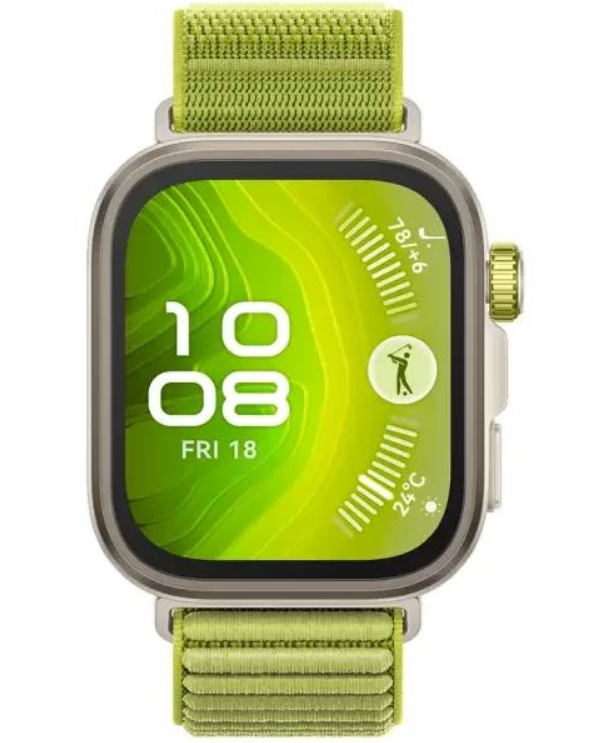
    The HUAWEI WATCH FIT 5 standard edition offers multiple color options with skin-friendly silicone band, weighing just 27 grams for comfortable extended wear and long battery life.
    The HUAWEI WATCH FIT 5 standard edition offers multiple color options with skin-friendly silicone band, weighing just 27 grams for comfortable extended wear and long battery life.

    Battery Breakthrough: From Daily Charging to Week-Long Power

    Battery life remains a fundamental concern for smartwatch users. Huawei employed different technological approaches to significantly enhance endurance across both models.

    The WATCH FIT 5 standard edition debuts high-silicon battery technology, boosting energy density by over 20% compared to traditional lithium batteries without increasing body weight. Official tests show the standard model delivers up to 7 days of battery life under typical usage scenarios (approximately 50 messages and 10 calls daily, with continuous health monitoring enabled), extending to 10 days under light use conditions.

    The Pro model features a 1.92-inch LTPO flexible display supporting adaptive refresh rate adjustment. This screen can reduce refresh rates to as low as 1Hz depending on displayed content, cutting power consumption by over 30% compared to conventional fixed-refresh displays. LTPO technology enables the Pro model to maintain balanced battery performance despite its expanded sensor suite and feature set.

    Notably, the standard edition weighs just 27 grams with a 9.5mm thickness, achieving equilibrium between extended battery life and comfortable all-day wear. For users requiring continuous health monitoring, the lightweight design substantially improves the wearing experience.

    Design Excellence and Professional Sports Features

    Huawei emphasized premium design and professional sports capabilities in the new series. The WATCH FIT 5 Pro’s Glacier White colorway debuts aerospace-grade nano-ceramic metal craftsmanship, paired with 2.5D sapphire glass and a titanium alloy bezel. Sapphire glass ranks just below diamond on the Mohs hardness scale, effectively preventing everyday scratches.

    For sports functionality, the Pro model supports over 100 exercise modes, adding professional trail running with segment navigation capabilities. Users can plan routes and track pacing across complex terrain. Golf enthusiasts benefit from vector maps for over 17,000 courses worldwide, with data on swing trajectories and putt distances readily accessible. Water resistance extends to 40 meters, covering shallow snorkeling and free diving scenarios.

    The standard edition maintains a clean, practical design philosophy with multiple color options. The silicone band features breathable perforations, enhancing comfort during athletic activities.

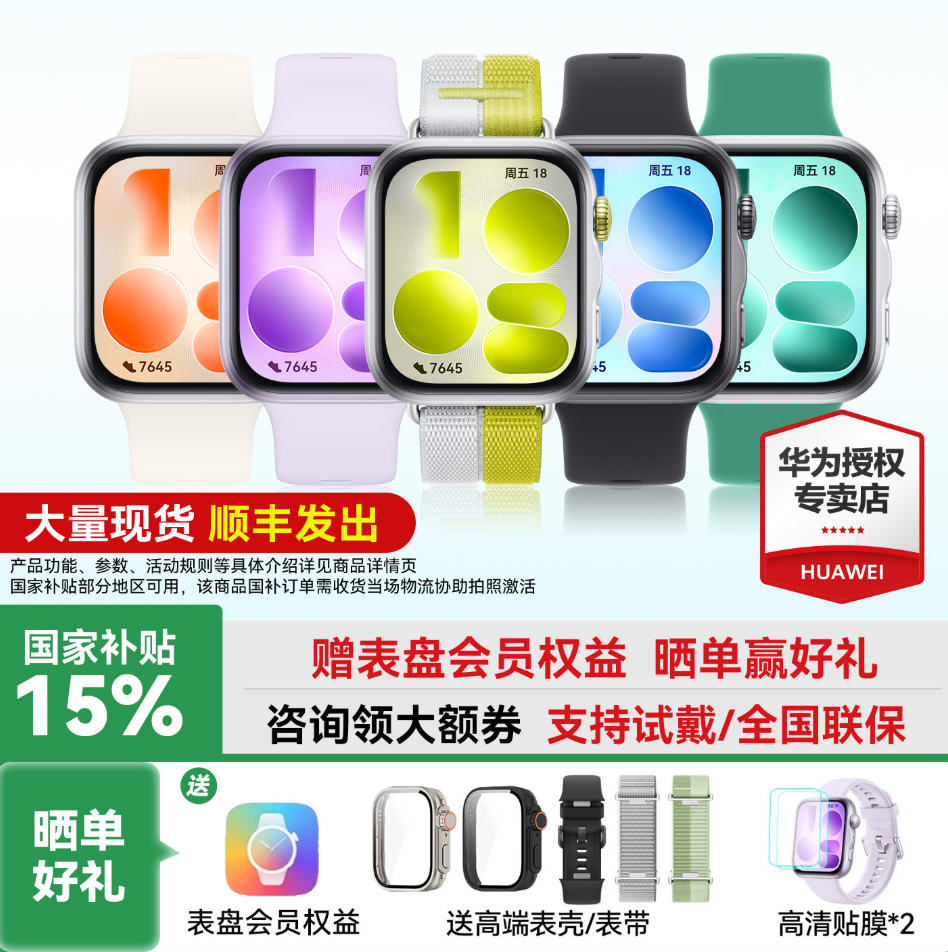
    The Huawei WATCH FIT 5 series spans various styles from athletic silicone bands to fashionable woven bands, catering to diverse user preferences.
    The Huawei WATCH FIT 5 series spans various styles from athletic silicone bands to fashionable woven bands, catering to diverse user preferences.

    Pricing Strategy and Market Positioning

    Huawei’s pricing demonstrates clear market segmentation. The WATCH FIT 5 Pro retails starting at 2,099 yuan (approximately $290), dropping to around 1,785 yuan after government trade-in subsidies. Pre-orders began April 29, with full availability from May 15. The standard model starts at 1,099 yuan (approximately $150), reaching approximately 935 yuan after subsidies, officially released on April 29 across all channels.

    Both products target the mid-to-premium segment spanning 1,000-2,000 yuan, competing directly with the Apple Watch SE and Samsung Galaxy Watch FE. With national trade-in subsidy support, domestic smartwatches at comparable price points offer enhanced cost performance.

    Beyond adult wearables, Huawei announced the global return of HUAWEI WATCH KIDS X1 series children’s smartwatches at the press conference. Though specific specifications remain undisclosed, this move signals Huawei’s continued investment in segmented market categories within its wearable ecosystem.

    Industry Outlook: The Next Battlefield for Smartwatches

    Wearable devices stand at a pivotal moment transitioning from “data display” to “proactive intervention.” Traditionally, ECG, blood glucose, and vascular elasticity testing required visiting medical institutions with professional equipment. Today, smartwatches bring these capabilities to everyday consumers, making health management more convenient and continuous.

    However, consumers should maintain realistic expectations regarding the distinction between smartwatch health monitoring and professional medical devices. Industry analysts note that medical-grade wearables must obtain NMPA Class II/III certification, with ECG monitoring errors controlled within 5%, capable of generating medical-grade reports interconnected with hospital systems. Most consumer smartwatches currently offer health data for reference purposes only, with error ranges potentially reaching 10-15%. Buyers should understand their specific needs and set appropriate functional expectations.

    Looking ahead to 2026, smartwatch market competition will intensify further. Advances in sensor technology, AI algorithm optimization, and battery capabilities will continuously improve product experiences. Simultaneously, as health management awareness grows, smartwatches equipped with professional health monitoring capabilities will attract increasingly discerning consumers.

    The WATCH FIT 5 series launch showcases Huawei’s technological prowess in wearables while delivering precise responses to evolving market demands. In the dual core tracks of health management and extended battery life, Huawei is charting its own path forward with concrete product offerings.

  • Tech Giants Collectively Bet on Screenless AI Hardware

    When OpenAI announced plans to launch a compact screenless device by the end of 2026 with a target shipment of 100 million units, the entire technology industry was electrified. This announcement not only signifies the birth of a new product but marks a collective bet by tech giants on a “screen-free” AI hardware future.

    From Phones to Screenless Devices: A Fundamental Shift in Interaction Paradigm

    For a long time, smartphones have been the primary interface between humans and the digital world. However, this interaction method has inherent limitations—users must actively take out their devices from pockets, unlock the screen, and find the corresponding application. Tech companies are realizing that a true AI assistant should be as ubiquitous as air, rather than trapped behind a glass screen.

    OpenAI is collaborating with MediaTek and Qualcomm to develop mobile processors, with mass production expected in 2028. But more noteworthy is CEO Sam Altman’s hint that the “ultimate form may not look like a phone we’re familiar with at all”—instead, it would be an AI terminal without apps, relying entirely on voice interaction.

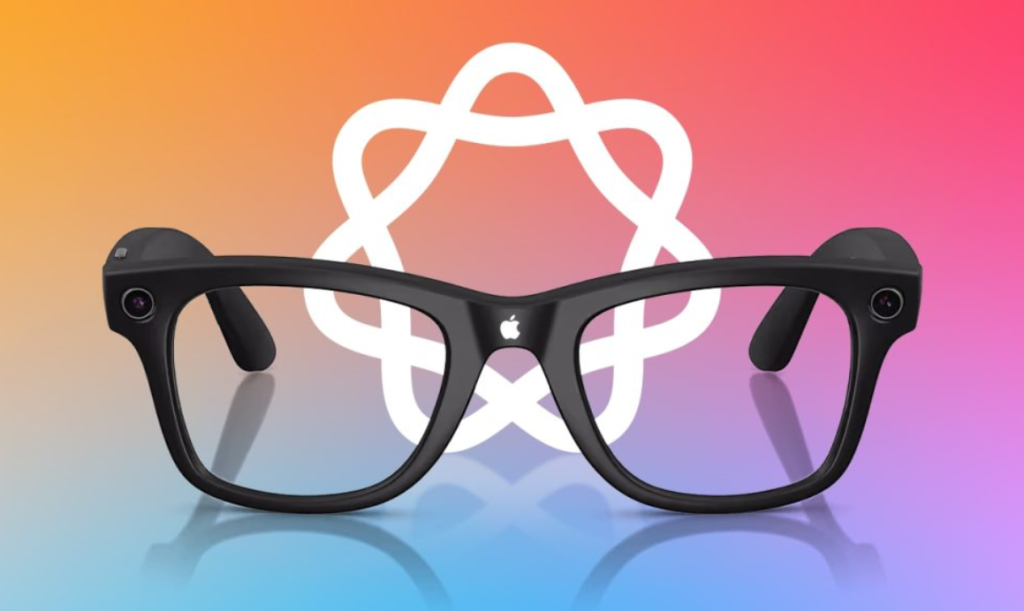
    Conceptual design of Apple’s AI glasses, featuring a design without a display screen and a dual-camera setup that supports gesture control.
    Conceptual design of Apple’s AI glasses, featuring a design without a display screen and a dual-camera setup that supports gesture control.

    Apple is equally accelerating development of its first AI smart glasses, codenamed “N50.” To pursue lightweight design, this device abandons the display screen, adopting a dual-camera solution supporting gesture control, while offloading computing tasks to paired iPhones for power balance. Apple’s designers are testing various frame styles, aiming to make the product look more like fashionable everyday glasses rather than tech gadgets.

    Meta Ray-Ban Has Already Validated the Market

    The Meta Ray-Ban smart glasses feature a minimalist black design and currently hold the largest market share globally, accounting for 85.2% of the market.
    The Meta Ray-Ban smart glasses feature a minimalist black design and currently hold the largest market share globally, accounting for 85.2% of the market.

    In this screenless AI hardware race, Meta has established an absolute lead with its Ray-Ban series. Data shows that Ray-Ban smart glasses currently hold 85.2% of the global smart glasses market—a figure intimidating enough to pressure any competitor.

    Meta’s new AI model, Muse Spark, has begun embedding into the smart glasses ecosystem, significantly enhancing the device’s multimodal understanding capabilities. Users can not only use it for calls and music but also have the AI assistant “see” objects in front of them and provide descriptions or suggestions. This leap from “hearing” to “seeing” transforms smart glasses into a genuine “second brain” for users.

    Supply Chain Challenges and Domestic Opportunities

    The rapid development of screenless AI hardware is reshaping the upstream supply chain landscape. The exponential growth in AI computing demand has driven the optical communication chip market.

    Domestic manufacturer Everbright Huaguang’s VCSEL and optical communication chip product lines saw revenue surge 1036.79% year-over-year in 2025, demonstrating explosive growth.

    However, hidden concerns exist behind this high growth. The manufacturing process for high-end EML chips is more than three times more complex than traditional laser chips, with core patents almost entirely monopolized by international giants.The domestic localization rate remains below 10%. Global high-end production capacity has been locked through 2028, constituting a core bottleneck for screenless AI hardware mass production.

    For Chinese enterprises, this presents both challenges and opportunities. At the Dreame AI smart ring booth at the Canton Fair, on-site contract amounts exceeded one million RMB, demonstrating robust international demand for domestic screenless AI products.

    From Health Monitoring to Children’s Education: Scene Applications for Screenless Design

    Screenless design is finding product-market fit in specific segments.

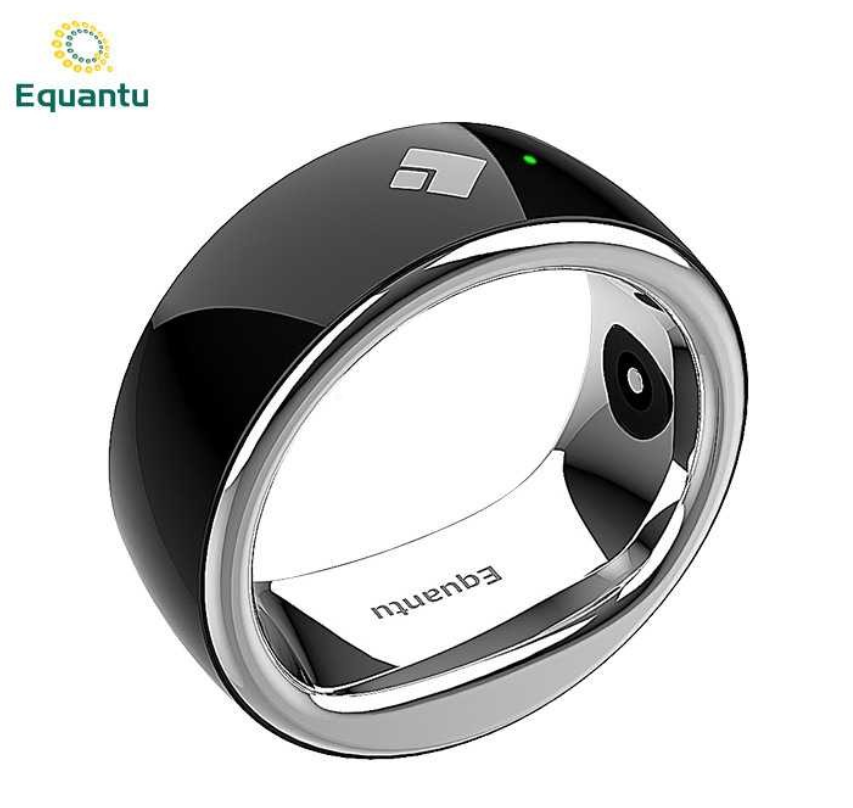
    In the health wearable sector, Dreame’s AI smart ring weighs only 2.6 grams, delivering an ultra-light, barely noticeable wearing experience. It integrates multimodal sensors to collect round-the-clock health data and leverages AI algorithms for professional analysis. This lightweight solution is highly appealing to health-conscious users who dislike bulky wearable devices.

    The AI-powered smart ring weighs only 2.6 grams and allows for “comfortable wear.” It integrates multi-modal sensors to collect health data 247.
    The AI-powered smart ring weighs only 2.6 grams and allows for “comfortable wear.” It integrates multi-modal sensors to collect health data 247.

    The children’s hardware market also favors screenless design. Seewo’s Seedpace AI interactive story machine for the North American market features no screen as its defining characteristic, using story cards and audio interaction to engage children while allowing parents to manage content through an app. This design directly addresses parents’ concerns about screen harm.

    The Future Contest: Replacement or Supplement?

    Despite the enthusiasm from tech giants, whether screenless AI hardware can truly replace phones remains uncertain. Currently, screenless devices are more likely targeting the “scenario gaps” that phones cannot cover—during exercise, commuting, or when hands are occupied. These scenarios require quick responses and information access rather than deep immersion.

    The real test lies in user experience. Technical maturity, user habit cultivation, commercial pricing, and other factors will determine the ultimate fate of this emerging category. OpenAI’s first device is expected to be priced between $200-300; whether consumers will embrace it remains to be seen in the next 12 months.

    When AI steps out of screens and integrates into everyday items like glasses, rings, and necklaces, our way of interacting with the digital world may undergo fundamental change. This race, just beginning, deserves continued attention.