The wearables industry is undergoing a profound paradigm shift. Whoop, an American sports and health start-up, recently completed a US$575 million Series G round of financing, with its valuation jumping to US$10.1 billion, becoming the latest “unicorn” in the field. At the same time, technology giant Google is using the Fitbit brand to develop screen-free fitness bracelets, and NBA star Stephen Curry has participated in product testing. The actions of the two major players jointly mark that “screen-free” has become a new battlefield in the field of health hardware.
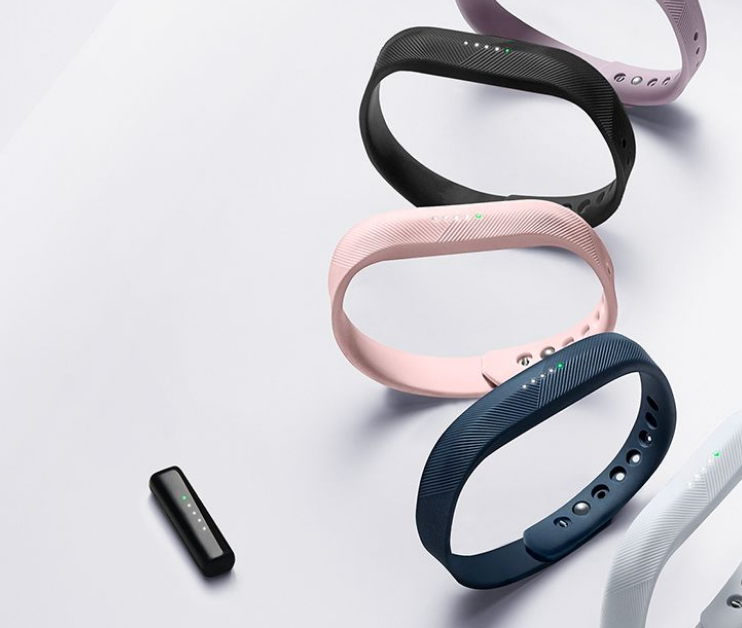
The rise of Whoop confirms the commercial potential of the “hardware free + subscription service” model in the field of health technology. The Boston-based company’s booking revenue in 2025 will reach US$1.1 billion, its global membership will exceed 2.5 million, and its monthly active user ratio will be as high as 83%, far exceeding the industry average. The core of its success lies in positioning the hardware as a pure data collection portal, providing users with in-depth health insights such as sports performance analysis and sleep quality monitoring through a monthly subscription service of US$30.
Today, Whoop is accelerating its expansion into medical-grade health services. The company has recently added functions such as electrocardiogram monitoring, blood pressure trend insight, and biological age assessment, and integrated blood testing services to build a closed loop of “monitoring-analysis-intervention” health management. The financing was led by Middle East sovereign funds and medical giant Abbott. Top athletes such as football superstar Cristiano Ronaldo also joined as shareholders, which not only brought financial support to the company, but also further enhanced its brand influence.
The entry of Google has injected the power of technology giants into this screenless wave. According to Bloomberg, citing people familiar with the matter, Google is developing a screen-free fitness bracelet under the Fitbit brand. The product will be deeply linked with the AI personal health manager in the Fitbit app to support functions such as menstrual period analysis, mental health assessment, and nutrition tracking. This large-model-based health assistant has launched public beta in October 2025. Its core advantage is to use Google’s AI technology to conduct in-depth interpretation of continuous biological data collected by the device to provide users with personalized health recommendations.

“Screenless is not a subtraction of functions, but an addition of value.” Industry analyst Sarah Chen said that compared with screen smartwatches such as Apple Watch, screenless devices eliminate redundant screen interactions and extend battery life to more than 14 days. At the same time, they are insensitive to wear and are more suitable for 7×24 hours of continuous monitoring of core health data such as sleep and heart rate variability. It accurately solves the core pain points of users such as frequent charging and uncomfortable wearing.
Along with the innovation of business models, the technical architecture is also undergoing profound changes. As a pure data collection terminal, the value of the screenless bracelet no longer depends on the hardware parameters, but on providing high-quality and continuous biological data for the cloud AI model. This “device-side collection + cloud intelligence” architecture is gradually becoming the standard paradigm for the next generation of health wearable devices. It not only significantly reduces local computing power consumption, but also improves the accuracy of AI health services.
Currently, the screenless wearable device market has formed three differentiated tracks: the subscription-based professional sports monitoring track represented by Whoop, the lightweight monitoring track in the form of smart rings, and the technology giant AI health service track represented by Google. Although the forms are different, the core logic of the three is highly consistent: hardware is just the carrier, and data and AI services are the real core of value.
This trend marks the return of wearable devices from “notification center” to the nature of “health steward”. In the past, industry competition mostly focused on the accumulation of hardware parameters such as screen size and battery life; now, users pay more attention to the accuracy of data, the depth of services and the comfort of wearing, especially medical-grade precision health insights.
Regarding the future of the industry, analysts predict that with the continued access to medical-grade functions, screen-less wearable devices are expected to become standard terminals for personal health management, and even expand into medical service fields such as insurance and chronic disease management, forming a cross-border health ecosystem. The exploration of Google and Whoop provides a clear development path for the industry: using hardware as the carrier, AI as the soul, and data as the core to build a trustworthy health service ecosystem.
Google plans to officially release this screenless Fitbit bracelet later this year, and Whoop is accelerating its global expansion and plans to create more than 600 new positions. The layout of the two major players not only promotes wearable devices to officially enter the era of “cognitive intelligence” – devices can not only record data, but also understand and predict users’ health status, it also points out new value growth points for investors and developers.
The unfolding of the screenless wave heralds a comprehensive transition of health hardware from tool attributes to service attributes, allowing technology to truly serve the quality of human life and reshape a new model of personalized health management in the future.