Tag: VLA

VLA is an end-to-end multimodal AI model for embodied intelligence. Built on VLM, it unifies vision sensing, language understanding and action generation. It takes images/videos plus text commands as input and directly outputs control sequences for robots or self-driving vehicles. It eliminates segmented processing pipelines, improving generalization for complex tasks like autonomous driving and robotic manipulation.

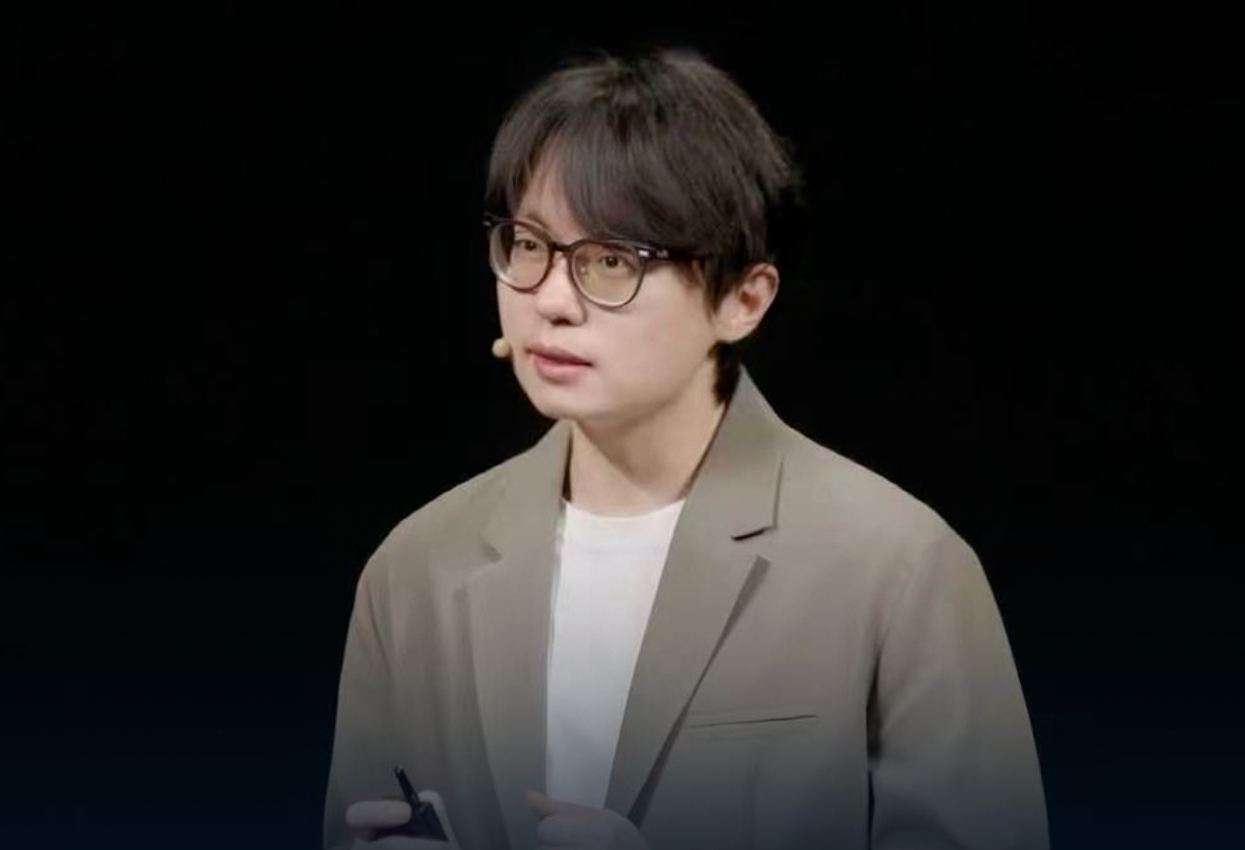
  • Wang Naiyan, Head of ADS Technology at Xiaomi Auto, Resigns

    Wang Naiyan, Head of ADS Technology at Xiaomi Auto, Resigns

    Sources familiar with the matter revealed that Wang Naiyan, head of autonomous driving technology at Xiaomi Auto, has submitted his resignation to Xiaomi Auto and is awaiting approval from the company’s management.
    Xiaomi Auto
    Xiaomi Auto

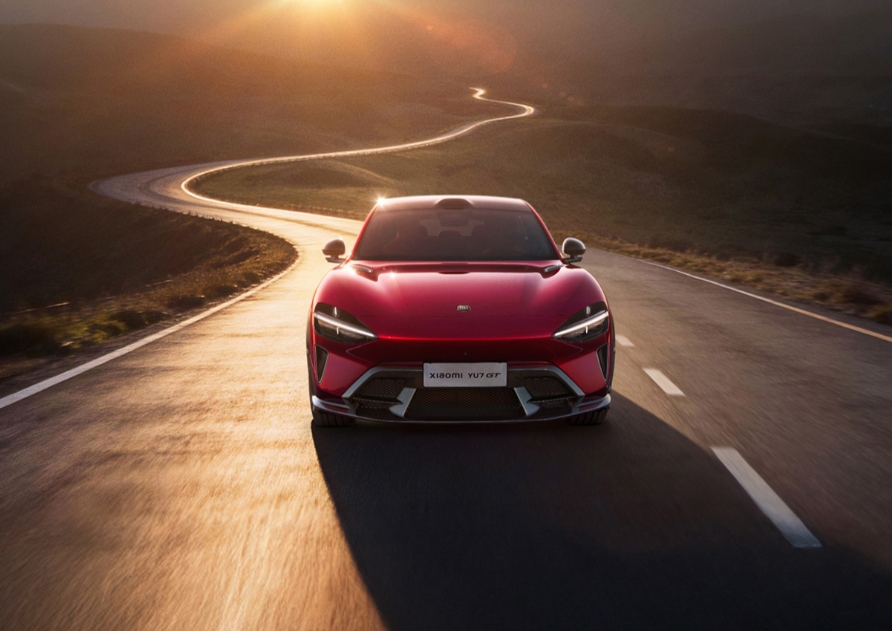
    As Xiaomi Auto continues to deliver mass-produced models and intelligent driving becomes a core competitive advantage for the brand, a large-scale intelligent driving R&D team of over a thousand people supports Xiaomi’s complete technological layout, from highway NOA (Noise, Assessment, and Assistance) and urban navigation to advanced L3 autonomous driving. Dr. Wang Naiyan, as the head of Xiaomi’s L3 intelligent driving technology, is a key figure in this impressive R&D team, connecting cutting-edge algorithms, mass production implementation, and regulatory safety. From a leading scholar in computer vision to CTO of commercial vehicle autonomous driving, and then to the head of Xiaomi’s advanced intelligent driving efforts for passenger vehicles, his career trajectory perfectly reflects Xiaomi Auto’s complete path to fill the gaps in its top-level autonomous driving capabilities and strive to join the industry’s first tier.

    Wang Naiyan possesses a solid academic foundation and is recognized as a top young researcher in the field of computer vision in China. He graduated with a PhD in Computer Science from the Hong Kong University of Science and Technology in 2015. After graduation, he joined TuSimple, an autonomous driving startup, leading the establishment of its Beijing algorithm team. In 2019, he was promoted to CTO of TuSimple China, coordinating both L2 assisted driving and L4 autonomous truck R&D lines. His years of experience in commercial vehicle R&D have given him a comprehensive understanding of the entire algorithm chain, including perception, prediction, planning, and control. He has also accumulated mature experience in large-scale fleet verification, functional safety systems, and extreme scenario testing, making him one of the very few composite technical managers in the industry who is proficient in both L2 mass production deployment, L4 autonomous systems, and regulatory compliance verification.

    In May 2024, Xiaomi officially announced Wang Naiyan’s joining the company as the head of Xiaomi’s Intelligent Driving L3 technology, reporting directly to Ye Hangjun, Chairman of Xiaomi’s Technical Committee and head of Autonomous Driving. This talent acquisition is seen by the industry as a landmark event in Xiaomi’s accelerated advancement in intelligent driving. Within Xiaomi’s intelligent driving team of over 1,800 people and its R&D matrix comprised of 108 PhDs, four core leaders have a clear division of labor: Ye Hangjun oversees the overall business architecture, Chen Guang focuses on end-to-end mass production algorithms, Chen Long is responsible for cutting-edge VLA visual language models, and Wang Naiyan independently spearheads the entire L3 process, forming a three-pronged technical layout of “mass production implementation + cutting-edge pre-research + advanced access.”

    Having joined Xiaomi for over two years, Wang Naiyan’s work has been running on two parallel tracks: on the one hand, steadily advancing L3 passenger vehicle technology R&D and compliance certification, continuously improving the advanced assisted driving capabilities of existing mass-produced models; on the other hand, leading the verification of autonomous driving technology under extreme conditions, refining the underlying control model through rigorous testing.

  • Galbot’s IPO Revenue Halved by Auditor

    Galbot’s IPO Revenue Halved by Auditor

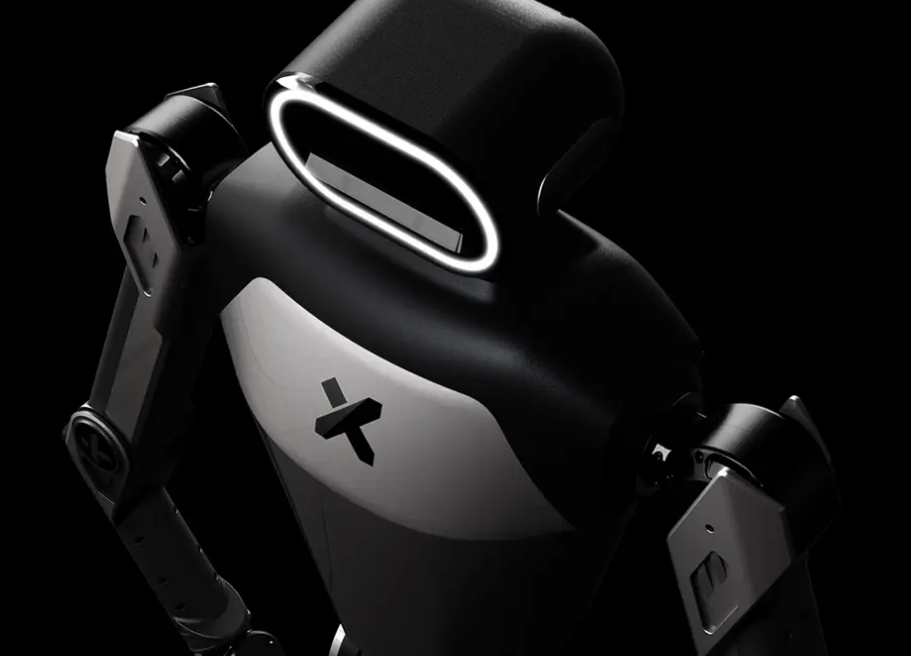
    Sources familiar with the matter revealed that Galbot, in its IPO preparation, brought in investment banks and accounting firms for guidance. However, during the financial audit, Galbot’s revenue was halved due to nearly half of its revenue being of low quality, consisting of related-party transactions and miscellaneous income.

    Galbot
    Galbot

    The impact of this revenue halving on Galbot’s IPO is currently unclear. This leading avatar company is valued at tens of billions, and investors are waiting for the IPO to exit.

    However, if it affects Galbot’s IPO, it will undoubtedly be a heavy blow to the current booming investment and financing in the avatar industry.

    This year, many leading avatar companies set very aggressive delivery targets to boost revenue for their IPOs, ranging from as high as 10,000 units to 1,000 units. Achieving 1,000 units would generate hundreds of millions in revenue, significantly boosting IPO prospects.

    However, the reality is far from ideal. With the first half of the year almost over, even delivering 100 units is proving difficult.

    While VLA and world models are very eye-catching in performance demos, they are ineffective in real-world scenarios, exhibiting poor success rates and reliability in task operations. Therefore, many embodied companies have begun poaching engineers from the traditional algorithm industry within the autonomous driving sector, using autonomous driving rule-based algorithms (perception, PNC, SLAM) for overfitting in an attempt to achieve commercialization.

    For embodied companies that are currently enjoying a surge in funding, this marks a critical juncture. Whether they can deliver on their IPO promises to investors will significantly impact future fundraising. Failed IPOs will severely damage investor confidence.

  • Galaxea AI Co-founder Zhao Xing to Start His Own Company

    Galaxea AI Co-founder Zhao Xing to Start His Own Company

    Sources familiar with the matter revealed that Zhao Xing, co-founder of Galaxea AI, will be leaving to start his own business. As co-founder and chief scientist of Galaxea AI, Zhao was primarily responsible for Galaxea AI’s humanoid robot technology. In early 2026, Xu Huazhe, co-founder and chief scientist of Xinghaitu, also left to start his own company, which will focus on the embodied intelligence consumer application market.

    Galaxea AI
    Galaxea AI

    Currently, Galaxea AI is preparing for its Hong Kong IPO. Zhao Xing’s departure will significantly impact its IPO process. Furthermore, Galaxea AI’s second-largest customer has also started developing its own humanoid robots. This not only means losing a major client’s revenue but also further consolidation in the humanoid robot market, with players in the 3C consumer electronics sector entering the fray.

    Galaxea AI’s second-largest customer is a leading mobile phone manufacturer. Leveraging its hardware capabilities accumulated in 3C consumer electronics, the manufacturer not only developed its own humanoid robot but also won a championship in a robot marathon. Mobile phone manufacturers possess stronger hardware capabilities; for example, in addressing the industry-wide headache of heat dissipation, this leading mobile phone manufacturer, with its accumulated heat dissipation technology in 3C products, has solved the heat dissipation problem much better than embodied robot companies. It’s safe to say that the avatar industry will be incredibly competitive this year, as players with significantly stronger hardware capabilities have entered the fray.

    As is well known, the avatar industry has undergone three major data transformations in 2025, from Yamato to Umi to Ego. In terms of models, it has evolved from the initial VLA to VLA and world models operating in parallel, and the emergence of native multimodal large models, among others.

    While avatars are still in their early stages, primarily showcasing technological demos, new technologies emerge in data and models every few months. This requires industry players to maintain a keen sense of opportunity, quickly recognizing and adapting to new technologies to avoid falling behind.

    However, this leading avatar company failed to react quickly enough and kept pace with industry changes. In early 2026, while other players were heavily investing in Umi or Ego data, this leading avatar company was still betting on Yamato. This bet was based on its desire to launch an IPO, which requires substantial revenue, currently achieved through selling more avatar robots. Galaxea AI lacks the performance scenario capabilities of companies like Unitree and Calcium Cloud, which require product and distribution capabilities. For Galaxea AI, its primary sales scenario is data acquisition, specifically digital data acquisition for mobile devices. Therefore, in its pursuit of an IPO and increased revenue, it’s betting heavily on mobile devices.

    However, although lagging behind the leading companies in terms of pace, this hasn’t affected Galaxea AI’s fundraising. This year’s fundraising has been like a flood, with investors flocking to players large and small. Having secured a leading position early on, the company successfully completed a multi-billion yuan funding round.

  • Chen Long, Head of VLA at Xiaomi Auto, Set to Leave

    Chen Long, Head of VLA at Xiaomi Auto, Set to Leave

    It is reported that Chen Long, the head of the VLA (Vision-Language-Action) team within Xiaomi Auto’s in-house intelligent driving division, is set to leave the company; his next career move may be in the field of embodied AI.

    XIAOMI AUTO
    XIAOMI AUTO

    A highly accomplished returnee talent, Chen is well-known for his work in the R&D of cutting-edge intelligent driving technologies. Following the industry’s shift toward end-to-end systems, Xiaomi Auto strategically recruited him—with Lei Jun personally involved in the hiring process—to spearhead this technological direction.

    After joining Xiaomi Auto, Chen led the team responsible for VLA development; within just over a year, he successfully developed the VLA model and brought it to mass production in vehicles. While this initially appeared to be an ideal match for both parties, all good things must eventually come to an end.

    A trend has emerged in the intelligent driving industry: as major players advance from end-to-end systems to cutting-edge technologies like VLAs and world models, they frequently overhaul their teams with each technological iteration. The completion of a new technology project often marks a cycle where veteran team members depart and new talent arrives to tackle the next technological roadmap.


    For leaders who have successfully delivered cutting-edge technology projects, there is no shortage of opportunities; they can join embodied AI startups as co-founders or launch their own ventures.

    Chen Long previously served as a Staff Scientist at Wayve. He joined Xiaomi Auto in March 2025 as the Technical Lead for Intelligent Driving VLA, reporting to Ye Hangjun, the head of Xiaomi Auto’s intelligent driving business. He was primarily responsible for the R&D and deployment of Xiaomi Auto’s intelligent driving VLA large model (XLA), driving the evolution of Xiaomi’s driver-assistance systems from “data-driven” to “cognition-driven.”