With the development of technology, information overload has become the norm. Screens flash incessantly , and messages keep popping up. Modern people receive far more data every day than their brains can process. Digital anxiety is rampant. Attention spans are also severely fragmented.
Against this backdrop, a concept called digital minimalism technology has emerged. It advocates reducing distractions and returning to the essence of tools.
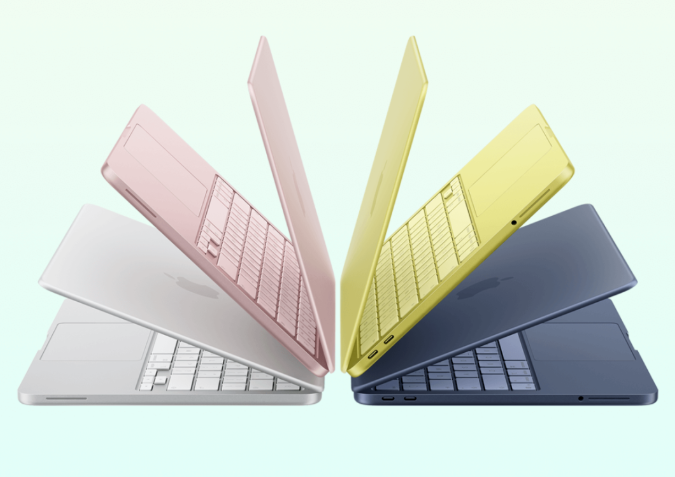
Apple’s MacBook Neo is a tangible product of this philosophy. It proactively abandons redundant features, focuses on the core experience, emphasizes privacy protection, and pursues focus management. Its emergence is not accidental ; in fact, it is a product of contemporary anxieties and a precise test of the commercial market.
In the modern information society, the value of minimalist technology is very clear.
The first layer is psychological relief. It frees users from being overwhelmed by a deluge of applications. The notification bar finally quiets down. Attention is refocused. Work efficiency naturally improves. Mental strain is significantly reduced.
The second layer is data security. The system is closed. Access is restricted. Individual activity is more controllable. The risk of information leakage is reduced. Corporate compliance costs also decrease accordingly.
The third layer is a pure user experience. It’s ready to use right out of the box. The interface is clean. The operation logic is straightforward. The learning curve is significantly reduced. These products address the real pain points of modern people. They don’t sell top-tier computing power, but rather disposable time. They don’t sell a mountain of features, but rather a conscious state of use , directly embedding the “less is more” philosophy into the hardware and system’s underlying layers.
From a business perspective, these products operate in a niche market. The target audience is clearly defined: creative professionals, avid readers, and those seeking to combat internal friction. Brands maintain profits through high premiums. Marketing focuses on emotional value: health, focus, and freedom. The supply chain is relatively streamlined, utilizing custom chips and fixed configurations to minimize after-sales complexity.
However, in actual business operations, this path has natural bottlenecks.
Niche markets struggle to support large-scale expansion. High price barriers prevent ordinary consumers from paying for “restraint.” A closed system also limits the third-party ecosystem. Developer enthusiasm is limited. Software adaptation cycles are long. Repurchase frequency is low. The growth curve is destined to be flat. The business world values economies of scale. A minimalist product, however, actively forgoes scale. This is a contradictory path. Profits depend on brand loyalty, not user base. Once the hype fades, sales are prone to a precipitous drop.
So , can the MacBook Neo or similar products lead a new trend in the future? After comprehensive market and consumer psychology analysis , Aicrunchx’s conclusion leans towards the negative.
First, mainstream demand is still shifting towards adding features. Users need all-in-one devices: office work, entertainment, social interaction, and multitasking. One machine must handle it all. Subtractive products cannot cover complex scenarios.
Secondly, technological evolution is shifting. Large-scale models are rapidly becoming more widespread. Demand for local computing power is soaring. The plug-in ecosystem is experiencing explosive growth. Minimalist architectures are struggling to support complex services with high-frequency iterations. Furthermore , cost and pricing are major drawbacks. High-end customization , environmentally friendly materials , and small-batch production inevitably drive up prices.
Most users will still choose the cost-effective option. Finally, while the concept of digital health is gaining popularity, it hasn’t yet translated into a necessity for purchasing. It’s more like a lifestyle embellishment, not a required option for technological upgrades.

The essence of industry competition is a battle of efficiency. A minimalist approach sacrifices some efficiency. It cannot adapt to high-frequency collaboration. It struggles with cross-platform synchronization. It limits multi-device联动 (interconnection/coordination). Major companies won’t abandon ecosystem expansion; they will simply turn minimalist features into “modes,” such as a focus mode or hiding notifications. Using software switches instead of hardware reduction is more in line with commercial interests and more easily accepted by the public. The hardware restraint of the MacBook Neo will ultimately be diluted by software optimization.
The market will remember them, but it won’t follow them universally. They will remain in high-end niche markets, serving specific groups, supplementing mainstream products, rather than setting industry benchmarks. Tech companies will continue to fiercely compete on performance, screen quality, interface expansion, and AI capabilities. This is a business principle and a result of user votes. The MacBook Neo has its unique value. It reminds the industry that technology shouldn’t just pursue faster and more; it can also be lighter and quieter. It offers another possibility for digital life. But leading a trend requires public acceptance, scenario coverage, and continuous expansion. The minimalist approach naturally rejects these elements; it’s destined to have a limited reach. But in the noisy information age, maintaining restraint is itself a form of clarity.