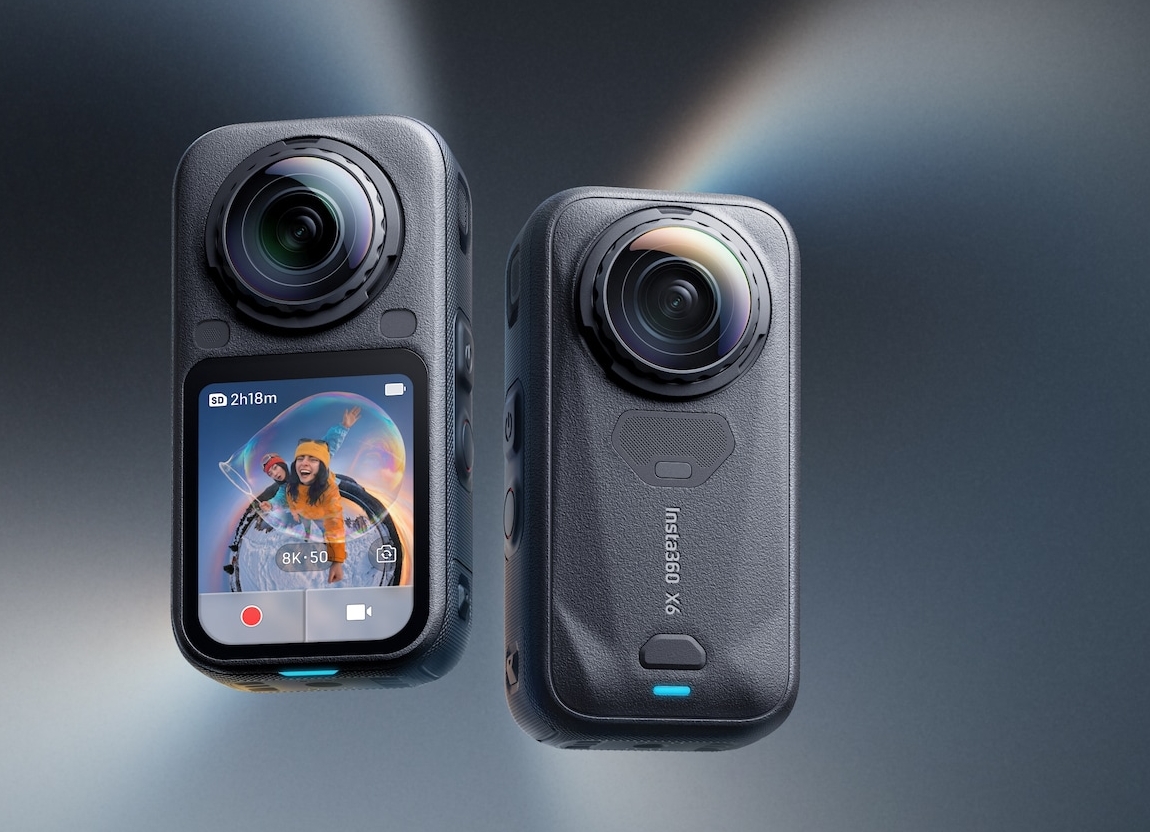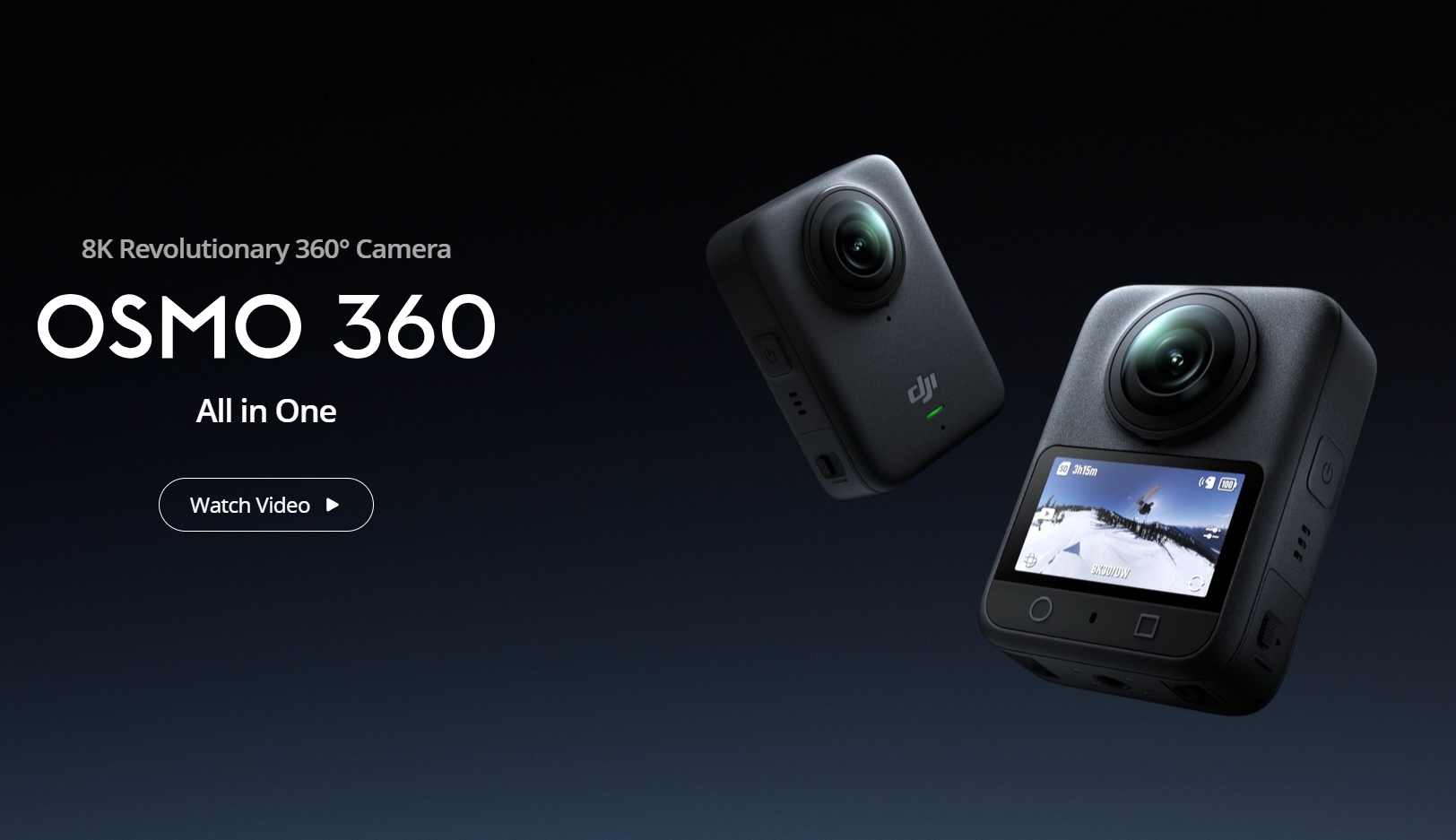
On August 13, 2026, DJI officially launched the Osmo 360 II, its second-generation panoramic gimbal camera. Priced at 3,299 RMB for the Standard Combo and 3,999 RMB for the Creator Combo, the device highlights three core upgrades: 8K/60fps panoramic video, a large 1-inch square sensor, and AI-powered subject tracking. Unlike competing products that emphasize end-to-end automated editing, the Osmo 360 II leverages panoramic stitching algorithms derived from DJI’s drone technology. It focuses on high-speed action image quality, lightweight AI post-processing, and a universal accessory ecosystem, specifically targeting enthusiasts of cycling, skiing, motorcycle touring, and solo travel vlogging. This hands-on review covers a full range of scenarios—including outdoor extreme sports, underwater snorkeling, daily vlogs, and landscape time-lapses—while analyzing hardware, image quality, AI systems, and real-world limitations, alongside a direct comparison with the Insta360 X6.
Outdoor Sample Footage
I. Hardware: Lightweight Design, Universal Ecosystem, and Enhanced Outdoor Durability
Weighing just 183g, the Osmo 360 II features a compact, square body that continues DJI’s minimalist design language. It reduces the bulky side structures found in the previous generation, ensuring comfortable one-handed use without strain, while also resolving two major pain points of the original model: easily scratched lenses and cumbersome connectivity.
- Design and Protection
Modular Lenses: Both front and rear lenses feature ultra-hard diamond-like coating (DLC) protective glass and a magnetic quick-release structure, allowing for lens replacement by hand in under 10 seconds. This enables low-cost replacement after outdoor impacts or abrasion from sand and dust at the beach, with wear resistance improved by 1.5 times compared to the previous generation.
Waterproofing: The unit is IP68 waterproof out of the box, allowing for worry-free snorkeling at depths of up to 10 meters. With a dedicated dive case, it can descend to 50 meters; optimized independent exposure for the dual lenses underwater solves common issues such as blue color casts and stitching artifacts found in traditional panoramic underwater footage. Display and Controls: Features a high-brightness 2-inch OLED touchscreen that remains visible in strong light. A new dedicated recording shortcut button on the side supports triple-control methods—gestures, selfie-stick rotation, and voice commands—allowing for one-touch start/stop recording even while wearing gloves during rides. - Storage, Battery Life, and Transfer
Built-in 105GB high-capacity internal storage with TF card expansion support, eliminating the need to carry extra cards;
2150mAh cold-resistant lithium battery (operating range: -20°C to 45°C) delivers 100 minutes of continuous 8K 30fps recording (up to 120 minutes in low-power mode) and is compatible with first-generation Osmo 360 batteries, allowing existing users to reuse their accessories;
NFC “Tap-to-Connect”: An industry-first feature for panoramic cameras, enabling instant pairing by simply touching the phone to the device body. Combined with high-speed Wi-Fi 6 transfer, 8K high-definition footage can be exported in minutes, bypassing the need for repetitive Bluetooth pairing;
Dual-microphone OsmoAudio directional sound pickup uses AI to filter out wind and ambient noise, ensuring clear vocals even during high-speed rides. - Universal Accessory Ecosystem
Utilizes the DJI Osmo Action magnetic quick-release mount; sports mounts, helmet bases, invisible selfie sticks, and vehicle mounts are all fully compatible. A single device handles diverse scenarios—diving, skiing, cycling, and in-car use—eliminating the need for specialized panoramic accessories and significantly reducing peripheral costs.
II. Imaging Core: Large 1-inch square sensor; 8K 60fps performance that excels in high-speed action
The Osmo 360 II is equipped with dual custom 1/1.1-inch square CMOS sensors, delivering a panoramic equivalent of a 1-inch sensor format with a 25% increase in sensor utilization. It features DJI’s self-developed third-generation panoramic stitching algorithm (refined through high-speed real-world testing with the Avata drone), effectively resolving common industry issues such as stitching misalignment in close-range shots and image tearing during high-speed motion. Core Imaging Specifications
Video Capabilities
Panoramic Mode: Native 8K 60fps, 6K 60fps, 4K 100fps; 8K 120fps Bullet Time (supporting up to 64x slow-motion in post-production), ensuring silky-smooth, blur-free footage for high-speed activities like skiing and motorcycling.
Single-Lens Flat Mode: Up to 5.7K 60fps with an equivalent 170° ultra-wide angle; outputs stable flat video directly without cropping.
Color Specifications: 10-bit color depth across all modes, D-Log M gamma curve, and 14.5 stops of dynamic range; prevents highlight clipping and preserves shadow detail in challenging lighting, such as backlit sunrises or transitions between dark tunnels and bright areas.
Still Photography
120MP HDR panoramic photos with RAW+JPEG dual-format output; 16K ultra-HD time-lapse photography, capturing rich detail in landscapes and starry skies.
Low-Light Optimization: AI Super Night Scene 2.0
Features an f/1.9 large aperture and 2.4μm large fused pixels; utilizes AI noise reduction via multi-frame stacking. Effectively suppresses halos in cityscapes and fireworks scenes, ensures clean, noise-free faces in indoor low-light portraits, and offers significantly improved image clarity compared to the previous generation.
Real-World Image Quality Highlights
High-Speed Riding Test: At 8K 60fps, the footage shows no stitching artifacts during sharp turns or on bumpy roads, and there is no edge distortion. Compared to competing products offering 8K 50fps, it delivers superior smoothness in slow-motion post-processing, offering greater creative flexibility for extreme sports content.
III. Core AI Intelligent System: Focused on “Pre-shot Composition to Reduce Post-production Burden”
DJI identified a major pain point for panoramic camera users: the time-consuming and laborious process of repeatedly adjusting viewing angles and composition for massive amounts of 360° footage during editing. The Osmo 360 II features a comprehensive suite of AI functions—including subject locking during shooting, automatic highlight tagging, and streamlined one-tap video creation—differentiating it from the offline, in-camera AI editing approach used by the Insta360 X6. 1. AI Subject Tracking (Core Exclusive Feature)
During recording, AI identifies and locks onto subjects—such as faces, pets, or vehicles—in real-time, keeping the target centered throughout the shot while simultaneously recording the tracking path into the footage. Upon importing to the DJI Mimo App, there is no need to manually adjust the viewing angle; you can export a stabilized 4K flat video with a single tap. This saves 90% of the effort typically spent on framing during solo trips or while filming yourself cycling.
It supports face memory, prioritizing the shooter as the main subject to ensure people remain the focus in group shots and family videos. The “invisible selfie stick” effect automatically removes the stick from the frame, allowing solo travelers to capture photos without needing help from strangers.
- Intelligent Audio Highlight Tagging
AI identifies moments such as laughter, cheers, and the peaks of conversations within the video, automatically tagging these highlights. You can jump straight to the exciting parts without scrubbing through tens of minutes of footage, drastically improving the efficiency of the selection process. - AI One-Tap Creative Templates
On-device processing generates short videos without requiring an internet connection. It automatically matches camera movements, transitions, background music, and color grading, featuring over ten built-in templates for outdoor activities, travel, sports, and family moments. Advanced users can utilize the DJI Studio desktop software, which supports multi-angle synchronized editing and is compatible with DaVinci Resolve plugins, enabling a professional-grade color grading workflow. - All-Scenario AI Stabilization 2.0
Combining mechanical and electronic stabilization—and leveraging optimized drone gimbal algorithms—it delivers superior image stability compared to standard handheld panoramic cameras. It handles intense shaking in scenarios like bumpy mountain roads, downhill mountain biking, and high-speed boating without the need for additional stabilization accessories.
IV. Real-World Testing Across Scenarios
Scenario 1: Extreme Sports (Motorcycling, Skiing, Cycling)
The 8K 60fps high frame rate is perfectly suited for capturing fast-paced action. AI Subject Tracking locks onto the vehicle or rider, keeping them centered throughout the shot. An IP68 waterproof rating ensures reliability in rain and snow, while the magnetic quick-release lens allows for rapid replacement in case of impact. Compatible with a wide ecosystem of helmet and vehicle mounts, the same set of accessories works across multiple scenarios; the footage requires no re-framing, enabling highly efficient short-video production. Scenario 2: Solo Outdoor Travel Vlogging
Quick image transfer via NFC tap; AI-powered subject locking; invisible selfie stick effect; panoramic footage allows seamless switching between landscape and portrait perspectives; 16K time-lapse captures sunrises and sea-of-clouds; D-Log M format preserves ample dynamic range for color grading—balancing casual sharing with professional-grade creation.
Scenario 3: Snorkeling and Shallow-Water Underwater Shooting
10-meter waterproof rating (without a case) suits casual snorkeling; dual-lens independent exposure optimizes underwater colors and reduces excessive blue tones; panoramic capture records coral reefs and schools of fish in their entirety, allowing for perspective cropping in post-production—offering a wider field of view than traditional action cameras.
Scenario 4: Daily Family and Home Vlogs
AI automatically tracks children and pets; easily capture low-angle overhead shots or eye-level portraits with a single tap; audio highlights automatically mark moments of children laughing; local AI quickly generates short lifestyle clips while charging—requiring zero editing skills for the average user.
V. Objective Drawbacks and Usage Limitations
No local, in-camera auto-editing
Unlike the Insta360 X6, which auto-edits while charging in standby mode, the Osmo 360 II requires a smartphone app connection for AI video generation; offline use is limited to basic recording without the ability to auto-generate complete short videos.
Lacks 3D spatial reconstruction capabilities
Does not support 3D walkthrough models from panoramic footage; immersive spatial recording capabilities are weaker than the X6; suitable for creators of standard 2D short videos, but not for spatial venue tours or immersive cultural tourism shoots.
Significant heat generation during high-load 8K 60fps recording
Continuous recording at 8K 60fps for 30 minutes causes the back of the device to become warm; using a cooling base is recommended for outdoor summer shoots.
Waterproof rating limited to 10 meters (without a case)
Compared to the Insta360 X6’s 20-meter rating, deep-diving enthusiasts will need to purchase an additional waterproof housing, increasing the total cost.
Lacks natural language AI editing
Does not support custom video creation via voice or text commands; AI video templates are fixed, offering slightly less creative freedom for customization. VII. Recommendations on Who Should Buy
Recommended for:
Enthusiasts of extreme sports like motorcycling, skiing, and cycling who seek 8K high-frame-rate, stable, high-speed panoramic footage;
Owners of existing DJI Action cameras or drones who want to share accessories and reduce peripheral costs;
Solo travel vloggers who dislike frame-by-frame reframing in post-production and rely on AI subject tracking for ready-to-use footage;
Users on a budget seeking a 1-inch sensor panoramic camera capable of both daily vlogging and landscape time-lapses;
Professional video creators requiring D-Log M color profiles for advanced desktop color grading.
Not recommended for:
Divers going deeper than 10 meters who require deep waterproofing without a separate housing;
Users who want to avoid mobile editing entirely and prefer the camera to automatically generate a complete video offline;
Creators focused on 3D immersive spatial experiences or panoramic 3D reconstruction;
Casual users who only take occasional snapshots and rarely shoot action videos.
Summary
The DJI Osmo 360 II avoids simply piling on automated AI editing features; instead, it precisely targets the core needs of outdoor sports creators. It addresses the pain points of high-speed shooting and post-production reframing with 8K 60fps video, drone-derived panoramic stitching algorithms, and AI subject tracking. The large 1-inch square sensor resolves previous image quality limitations, and the compatibility with the DJI accessory ecosystem significantly lowers usage costs. With a starting price of 3,299 RMB, it offers exceptional value among flagship panoramic cameras.
If you frequently shoot high-speed action—such as cycling, skiing, or motorcycling—already own DJI imaging gear, and want a panoramic camera that produces stable, ready-to-share portrait-oriented short videos straight out of the camera, the Osmo 360 II is currently the best choice. However, if you rely heavily on offline automatic editing, deep-water shooting, or 3D spatial content creation, the Insta360 X6 (at a similar price point) would better suit your needs.