I. Three Waves, One Goal
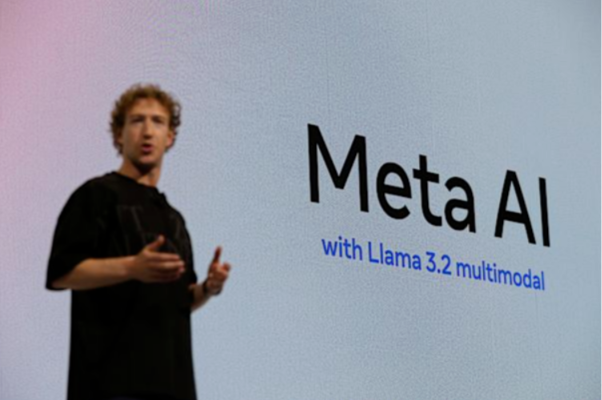
On May 12, Meta announced three major AI updates:
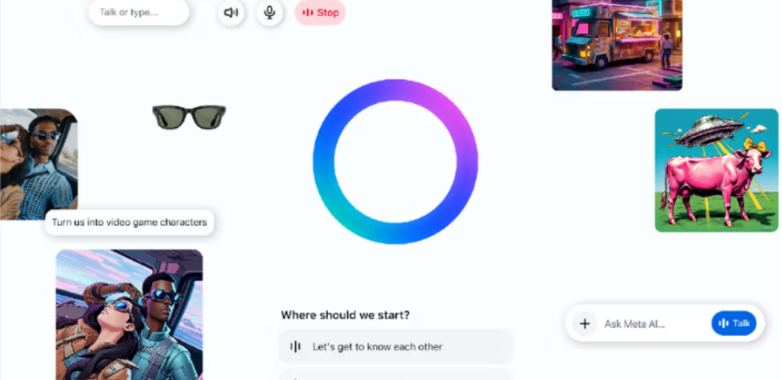
First, voice conversation upgrade. The Meta AI App integrated Muse Spark, supporting interruption at any time, topic switching, seamless multilingual transitions, and image generation during conversations.
Second, vision capability expansion. “Live AI” extended from glasses-exclusive to mobile, enabling real-time Q&A by simply opening the camera.
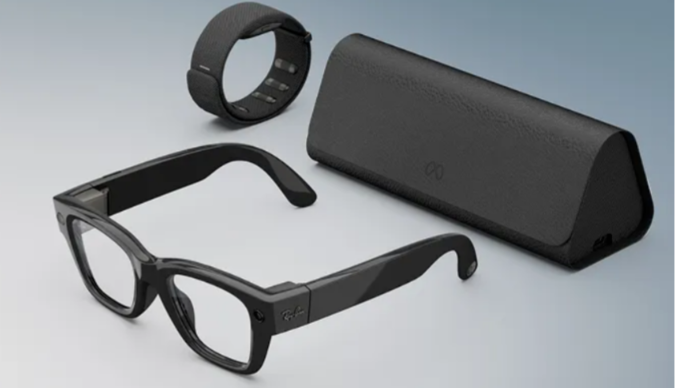
Third, glasses system overhaul. Ray-Ban Meta and Oakley Meta glasses will receive Muse Spark updates within weeks, with screen-equipped versions coming in summer.
All three waves target one goal: letting Muse Spark’s “native multimodal” brain occupy every entry point for user-digital world interaction.
II. What is Muse Spark?
One month earlier, on April 8, Meta Superintelligence Labs released its first fully proprietary LLM Muse Spark, codenamed “Avocado.”
This marks a major strategic shift for Meta AI — from the open-source Llama route to proprietary closed models.
Muse Spark’s core capability is simultaneous processing of voice, text, and vision — not simple concatenation, but native fusion. It supports both “Instant” quick response and “Thinking” deep reasoning modes, and can run multiple sub-agents in parallel for complex tasks.
On capital expenditure, Meta spent $70-72 billion in 2025, increasing to $115-135 billion in 2026. Zuckerberg stated in the January earnings call: “We rebuilt the foundation in 2025, now we’re rolling out new products in the coming months.”
III. Glasses Data Shines, Meta Goes All In
Ray-Ban Meta glasses’ market performance is Meta’s core confidence in betting on wearables.
Q1 2026 earnings show AI glasses DAU tripled year-over-year. Zuckerberg called it “one of the fastest-growing consumer electronics categories.”
In the global AI glasses market, Meta leads with 85.2% share.
The update rollout starts in the US and Canada, with screen-equipped versions arriving in summer. This means every frame users see through their glasses, AI can understand in real-time and converse instantly.
Additionally, WhatsApp, Instagram, Facebook, Messenger, and Threads will fully integrate Meta AI across search, group chats, and posts.
IV. Meta’s Ambition Extends Beyond Better Glasses
These three updates appear as feature upgrades, but本质上 represent an entry point war.
Bringing “Live AI” to mobile cultivates user habits — getting users accustomed to asking AI questions through their camera. When glasses experience becomes good enough, migration cost approaches zero.
Voice conversation naturalness improvements solve wearable device interaction bottlenecks. Glasses have no keyboard; voice is the only efficient input method. Interruption, topic switching, and multilingual support determine whether users are willing to talk to their glasses in public.
Muse Spark going proprietary copies OpenAI’s playbook — building moats with proprietary models. Open-source Llama builds reputation; proprietary Muse Spark generates revenue.
Most noteworthy is the prototype of “proactive AI.”
In shopping scenarios, AI automatically integrates web results, filters by price/style/distance, presents maps, even @ brand creators. This isn’t search; it’s intent prediction. When AI can “see” products you see, “hear” your needs, and “proactively” push solutions, it ceases being a tool — becoming a shopping guide, secretary, translator, and photographer combined.
V. Meta Can’t Wait to Take Mobile’s Lunch
Meta’s anxiety hides in the data. 85.2% market share looks impressive, but the overall AI glasses market remains small.
$115-135 billion capital expenditure converts to nearly trillion RMB.
If AI glasses cannot transform from “novelty toys” to “daily necessities,” Meta’s earnings will suffer.
So Meta’s strategy is clear —
First cultivate users through mobile apps, then harvest scenarios with glasses, finally lock in stickiness through ecosystem.
But the question remains: do users really need a pair of always-online AI glasses?
VI. Conclusion: Everywhere is the Answer, and the Question
Meta says AI should live Everywhere.
This answer is grand, but also exposes a problem: when AI is everywhere, do users still have the right to be “offline”?
Glasses are more intimate than phones, more concealed, harder to ignore. Every frame they see becomes AI training data. Whether Meta’s privacy policy can keep pace with hardware penetration is the biggest variable ahead.
Meta is betting $115 billion that AI glasses will become the next computing platform.
Whether this money burns a future or not, we’ll see in H2 2026.