On May 5, 2026, China Mobile dropped a bombshell. The telecom giant officially announced that the world’s first AI-eSIM product would debut at the 2026 Mobile Cloud Conference in Suzhou from May 7-9. This technological breakthrough not only signals the impending disappearance of physical SIM cards but heralds a future where every smart device will possess its own “AI brain.”
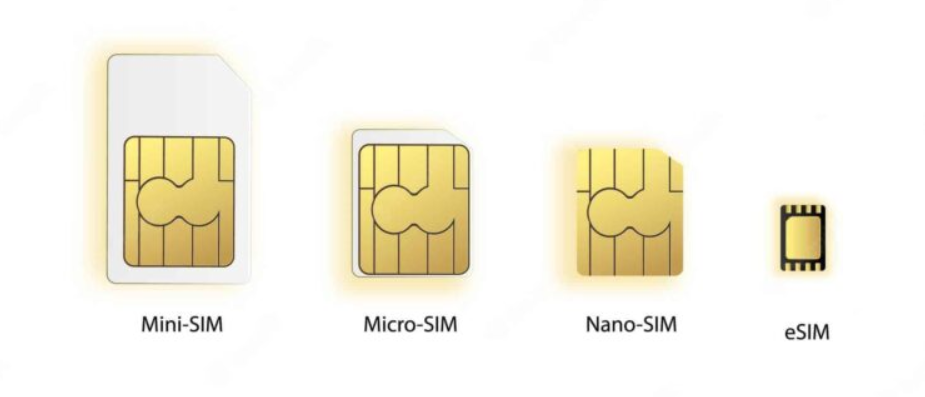
From “Plastic Card” to “Intelligent Chip”
Tracing the evolution of SIM cards, from the Full SIM of 1991 to today’s nanoSIM, changes have primarily focused on size reduction. The emergence of eSIM in 2016 eliminated the physical card but remained essentially a “networking tool”—all intelligent operations still required relaying through smartphone apps or cloud servers.
AI-eSIM is entirely different. It deeply integrates four major functions—communication connectivity, AI large models, security capabilities, and digital identity—directly into a millimeter-scale chip.
What does this mean? Devices with AI-eSIM are “intelligent the moment they connect.” Without expensive local computing chips or smartphone relaying, devices can now “think” and “judge” independently.
Four Core Capabilities Reshaping Smart Experiences
China Mobile has defined four core capabilities for AI-eSIM, each directly addressing pain points in current smart devices.
Intelligent Brain is the standout feature. The built-in intelligent invocation framework enables real-time scheduling of China Mobile’s self-developed JiuTian AI large model, reducing interaction latency by over 60% compared to traditional solutions. Smartwatches respond instantly to analyze health data or translate languages without waiting for smartphone processing.
Hardware-level Security Foundation solves the security anxiety of the IoT era. Security capabilities are “soldered” into the chip’s core, giving each device a unique “digital ID” with immutable identity information. Whether smart cars, drones, or industrial robots, all gain carrier-grade security guarantees.
End-to-Cloud Integrated Digital Account brings unprecedented convenience. When users switch phones or toys, personalized settings and AI memory inherit with one click, no reconfiguration needed. According to official sources, AI-eSIM is planned for small-scale commercial use in 2026, with full rollout by 2027.
Five Scenarios Transforming Daily Life
AI-eSIM deployment will fundamentally change smart experiences across multiple domains.
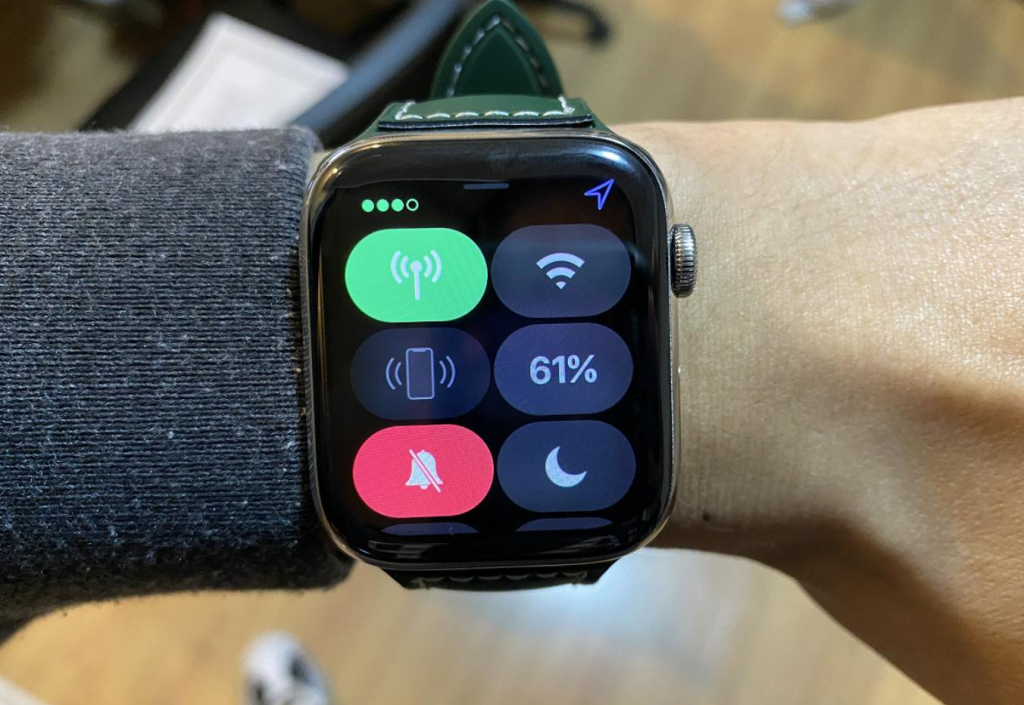
In smart wearables, watches and glasses will completely break free from smartphone tethering. With standalone connectivity, users heading out for a run need only wear a smartwatch to handle calls, payments, navigation, health monitoring and more—all independently.
Smart home will also see genuine evolution. AI-eSIM-equipped air conditioners automatically adjust temperature based on user body temperature, refrigerators monitor food freshness and auto-order supplies, and robot vacuums independently plan routes and avoid obstacles. Whole-home intelligence no longer requires complex gateway configuration or smartphone coordination.
For the children’s toy market, AI-eSIM brings revolutionary change. Smart toys equipped with this technology can naturally converse with children without smartphone dependency—telling stories, teaching English, answering questions—all independently. This protects children’s eyesight while freeing parents’ hands.
In connected vehicles, AI-eSIM enables autonomous cars to intelligently schedule optimal networks, maintaining stable connectivity even at highway speeds or in remote areas. In-vehicle voice assistants’ response time will improve to “instant,” making driving safer.
Fundamental Transformation of Operator Role
The deeper significance lies in AI-eSIM driving operators’ transformation from “traffic管道” to “intelligent service provider.”
Previously, users purchased call time and data packages from operators. In the future, users will purchase integrated “communication + AI + security + identity” smart services. This shift will redefine operators’ position in the industry chain.
According to industry forecasts, by 2027 AI-eSIM will cover massive scenarios including smart wearables, smart home, connected vehicles, and industrial sensors. The long-anticipated vision of “Internet of Everything” finally has solid technical foundation.
Meta AI Glasses Hit Singapore: Ray-Ban and Oakley Lines Expand
On the same day across the ocean, Meta accelerated its AI hardware expansion. On May 6, Meta officially announced the launch of both Ray-Ban Meta and Oakley Meta AI glasses in the Singapore market.
Oakley Line: AI Powerhouse for Sports Scenarios
The Oakley Meta series targets sports scenarios, launching two core products: HSTN and Vanguard.
Oakley Meta HSTN merges Oakley’s classic sports design with Meta’s AI technology. Built-in 12-megapixel ultra-wide camera supports 3K ultra-HD video recording, paired with open-ear speakers and Meta AI integration, delivering 8-hour battery life.
Oakley Meta Vanguard targets high-intensity sports scenarios, integrating Strava, Garmin and other mainstream fitness apps for real-time sports performance insights. First-person camera and 9-hour ultra-long battery life let sports enthusiasts focus entirely on training.
Ray-Ban Line: Smart Upgrades for Everyday Wear
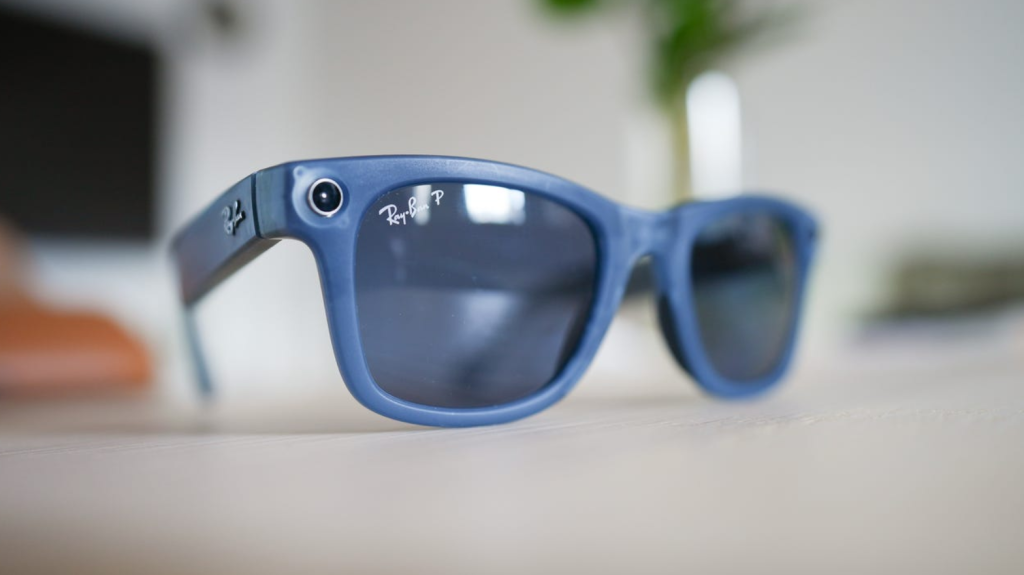
The Ray-Ban Meta series continues expanding its product matrix, adding Blayzer Optics and Scriber Optics as two new prescription lens options. Featuring slimmer, lighter frame designs specifically for nearsighted users.
All second-generation products across the lineup have upgraded Meta AI capabilities, adding multi-language real-time translation, hands-free food logging, nutrition tracking, and message summarization functions. Classic Wayfarer, Skyler, and Headliner styles are simultaneously available.