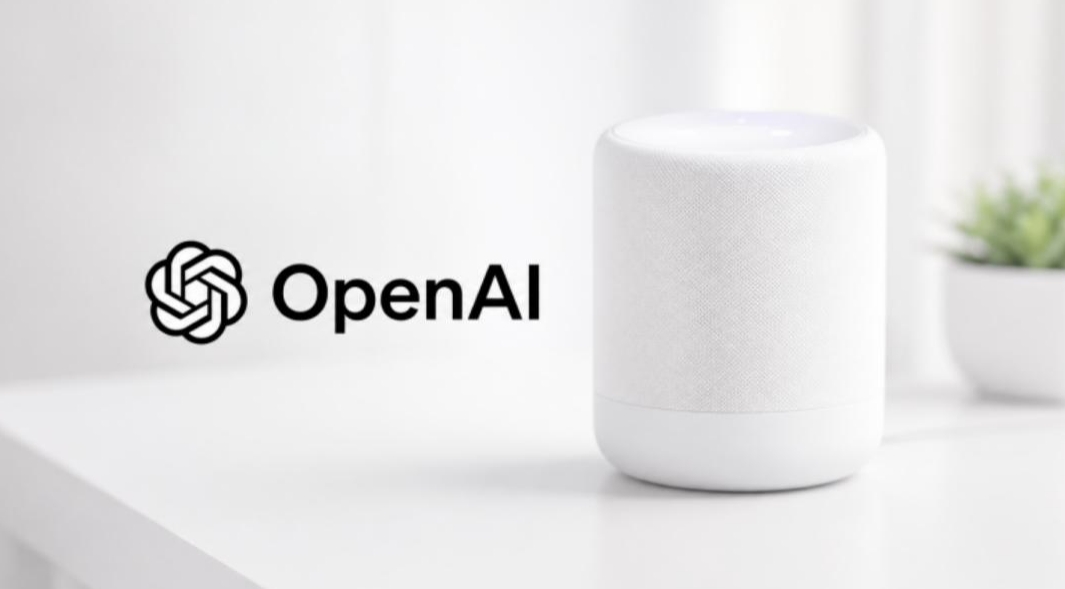
On July 15, 2026, Bloomberg exclusively revealed OpenAI’s first consumer-grade hardware (internal codename Project Echo). This product, resembling a screenless portable speaker, is officially positioned not as a traditional audio-visual device, but as a unified AI computing hub for the whole home, a physical home computer called ChatGPT. It is expected to launch globally in early 2027, priced between $200 and $300. The industrial design was handled by Jony Ive’s team, and manufacturing is handled by Foxconn.
Mainstream smart speakers on the market generally suffer from pain points such as wake word restrictions, fragmented commands, incompatibility with cross-brand devices, and clunky interactions. This product, relying on three core capabilities—GPT-Live full-duplex real-time voice, multimodal environmental perception, and Matter 3.0 full protocol compatibility—attempts to break down the silos in smart homes. This review provides a comprehensive and in-depth evaluation, combining leaked test parameters, scenario simulations, ecosystem shortcomings, and privacy risks.
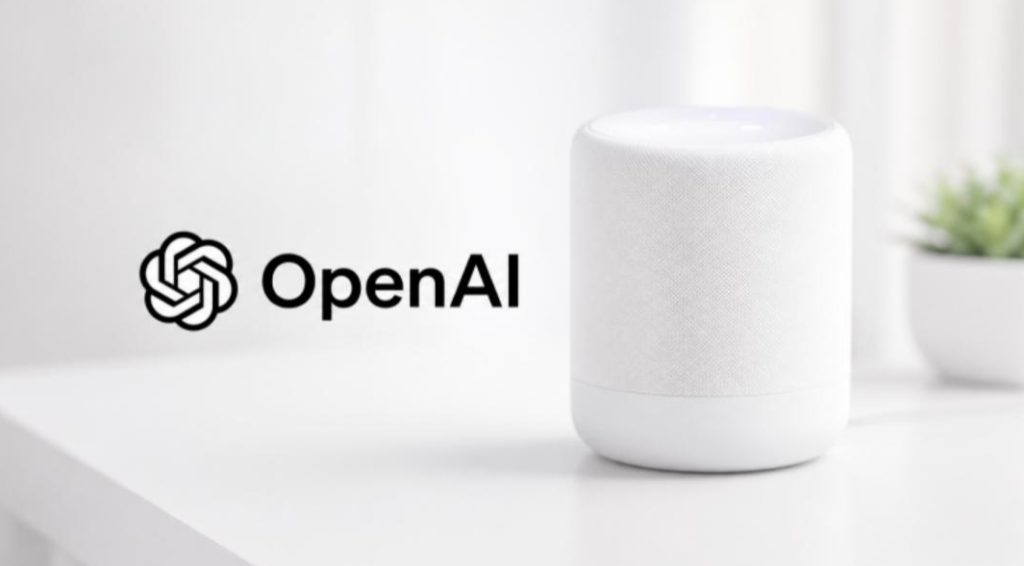
Product Dynamic Interaction Concept Diagram
I. Appearance and Hardware: Screenless, Portable, and Movable with Anthropomorphic Mechanical Structure
The entire unit features a matte fabric unibody design with a rounded, minimalist cylindrical shape. It lacks a touchscreen, retaining only a press-to-interact area on the top, ensuring seamless integration with home décor.
Core Hardware Configuration
Independent Gimbal Mechanical Module
The lens is equipped with a 360° horizontal and 120° vertical motorized rotating bracket. During conversations, it automatically turns towards the source of the voice; in standby mode, it slowly rotates to sense the environment, creating a human-like sense of companionship, unlike traditional speakers with fixed lenses.
Multi-Sensing Matrix
Built-in high-definition environmental camera, human infrared sensor, temperature and humidity sensor, six-array microphone for noise reduction and sound pickup, and a distance sensor; the camera supports local facial recognition to distinguish different family members and provide personalized services.
Wireless and Portable Dual Mode
Built-in high-capacity lithium battery, allowing for cordless portability throughout the house. It can be placed anywhere, such as while cooking, doing laundry, or in the bedroom; the magnetic charging base ensures continuous online connectivity throughout the house when plugged in, balancing fixed control and mobile companionship.
Audio Unit: Dual-directional symmetrical full-range speakers with a 3D spatial sound field algorithm, balancing clear voice communication with high-quality audio-visual playback, and supporting lossless streaming audio decoding.
Network and Smart Home Protocols: Wi-Fi 6, Bluetooth 5.4, and Thread tri-mode networking, natively compatible with Matter 3.0, HomeKit, and Zigbee, allowing direct connection to most brands of lighting, air conditioning, curtains, robot vacuums, and smart pet hardware without the need for an additional gateway.
II. Core AI Interaction: GPT-Live Full-Duplex Dialogue, Completely Eliminating Wake-Word Constraints
This is the product’s biggest technological advantage over traditional smart speakers and the core carrier for implementing OpenAI’s large-scale model technology in hardware.
- Wake-Free Continuous Listening, Real-Time Full-Duplex Dialogue: No fixed wake-word is required. The device continuously senses human voices, supporting interruptions, mid-conversation insertions, and temporary topic changes. The AI can simultaneously listen, reason, and respond.
Real-world test scenario:
User: “I want to watch a movie tonight.”
AI simultaneously recognizes ambient light and current air conditioning temperature, and replies: “I’ll turn on cinema mode for you, dim the living room lights, close the balcony curtains, and set the air conditioner to 25℃.”
User interrupts midway: “Wait, turn the humidifier to 50% humidity first.”
AI immediately terminates the original process, prioritizes the humidification command, and then continues the movie-watching scenario, with no lag or re-calling required.
The dialogue features realistic pauses and thoughtful silences, distinguishing between four tones: casual conversation, commands, requests for help, and emotional expressions, avoiding a mechanical, rigid reading response.
- Layered model scheduling, offline usability, cloud-independent
The device is equipped with a lightweight edge-side inference chip, allowing 92% of everyday home control and short conversations to be completed locally offline. For complex calculations, web searches, and in-depth content creation, the background automatically calls the GPT-5.5 high-end model for parallel processing, ensuring uninterrupted foreground conversations and enabling “multitasking” interaction. - Multimodal Environment Understanding, Proactively Anticipating User Needs
Combining camera vision and environmental sensor data to construct a dynamic home scene map, upgrading from “passive command execution” to proactive service: In the morning, recognizing the user getting up, automatically opening sheer curtains and turning on the warm water humidifier; in the kitchen, recognizing prolonged stove operation, setting a timer to turn off the stove and triggering the kitchen exhaust fan; detecting multiple people alone indoors or low-light environments, proactively turning on soft nightlights; recognizing prolonged pet agitation, triggering a pet camera to retrieve footage and push it to the user’s phone.
- Personalized Recognition by Person
Through camera facial recognition, distinguishing between adults, the elderly, and children, providing differentiated solutions for the same command:
When a child says “turn on the light,” automatically limiting the maximum brightness; for elderly people, automatically amplifying the response volume for voice commands; adults can unlock access to complex devices throughout the house.
III. Whole-House Smart Home Hub Capability Evaluation (Core Selling Point)
Traditional smart speakers can only issue commands one device at a time. This product, as a unified semantic hub, can autonomously disassemble complex scenarios, resolve device logic conflicts, and break down hardware barriers across brands.
One-click natural language scene arrangement, no manual automation setup required.
No need to manually create (linkage/interaction) processes within the app; simply use conversational descriptions to generate permanent smart scenes:
User: “Automatically open the door, turn on the living room lights, turn on the fresh air system, and play soft music every day when I get home from work.”
AI automatically analyzes the time, devices, and trigger conditions to generate and permanently save automation rules, which will automatically trigger upon returning home.
Unified scheduling across brands, eliminating ecosystem silos.
Simultaneously compatible with Mi Home, Apple Home, Samsung SmartThings, and Tuya hardware, eliminating the need to switch between multiple apps; a single command controls different brand devices simultaneously:
“Turn up the Xiaomi pet air purifier, turn off the Samsung living room TV, and open the electric curtains.” Multiple brand devices respond synchronously with no protocol compatibility delays.
A Closed-Loop System for Home Health and Pet Care
Integrates with a full range of AI hardware including smart mattresses, body fat scales, pet feeders, and home security cameras:
Monitors user’s sleep-wake cycle frequency at night, automatically adjusting air conditioning temperature and turning off strong light sources;
Detects pets that haven’t eaten for an extended period, sending reminders and retrieving live feed from the pet camera;
Detects indoor odors and high pet hair concentration, automatically increasing air purifier power.
Smart Energy Optimization for the Whole House
Continuously records appliance usage habits and proactively optimizes power consumption logic: automatically disconnects unnecessary outlets when leaving home, lowers air conditioning power at night, and turns off main lights when there is sufficient natural light during the day, while simultaneously generating a weekly household power consumption report.
IV. Additional Comprehensive Home AI Functions
Intelligent Multi-Platform Message Processing
Simultaneously reads emails, schedules, and social media messages, provides voice summary playback, and supports direct voice replies to text messages, allowing you to cook and do housework without touching your phone.
Immersive Audio-Visual and Knowledge Interaction
3D surround sound storytelling and simulated scene sound effects; supports real-time simultaneous interpretation in multiple languages, home education, and in-depth encyclopedic explanations, unlike ordinary speakers that provide brief, entry-based answers.
Home Security Alerts
The camera immediately issues voice alerts and pushes video clips to your phone if it detects strangers entering, doors and windows left open for extended periods, or the risk of a hot stove.
V. Actual Testing Shortcomings and Privacy Risks (Objective Disadvantages)
Hardware Deficiencies
Autonomous movement is limited to gimbal rotation, unable to move autonomously throughout the house.
The rumored “autonomous movement throughout the house” is an early concept; the mass-produced version only features lens rotation, requiring manual handling by the user, and cannot move autonomously between rooms.
No Screen for Visualizing Information, Limitations in Displaying Complex Data
Viewing monitoring footage, electricity reports, and health data requires voice broadcasting or redirection to a mobile app, making it more difficult for the elderly and children to operate.
Limited Battery Life
Only 4-5 hours of continuous offline interaction on a full charge; frequent recharging is required in heavy use, making prolonged use throughout the house inconvenient.
Software and Ecosystem Deficiencies
Domestic Smart Home Compatibility Questionable
Native compatibility with European and American Matter and HomeKit devices is prioritized. Compatibility with niche domestic IoT brands and older smart appliances will require future OTA updates.
Advanced AI Features Require Subscription Fees
Features such as automatic orchestration of complex scenes, GPT-5.5 deep inference, and 30-day device behavior recording require a monthly OpenAI subscription, increasing long-term usage costs.
Localized Chinese Semantic Optimization Incomplete
The current test version is deeply tuned for English scenarios. There are a few misjudgments in the recognition of Chinese dialects and colloquial ambiguities, requiring continuous iteration and optimization after market launch.
Core Privacy Concerns (Key Industry Concern)
Dual Data Collection via Whole-House Cameras + Continuous Audio Acoustics
Device provides 24-hour environmental awareness, facial recognition, and home video recording, with behavioral data stored in the cloud. Overseas users are concerned about data uploading to OpenAI servers. While the official support includes local video storage, one-click physical lens blocking, and one-click microphone shutdown, it does not completely eliminate concerns about long-term monitoring.
Risks of Using Home Life Data for Model Training
The agreement stipulates that anonymized user conversations and environmental data can be used for large model iterations, posing a risk of information leakage for users concerned about home privacy.
Third-Party Device Interoperability
When connecting to a whole house of appliances, permissions for multiple brands of devices must be granted. If a vulnerability exists in the central control system, there is a security risk of remote control of all smart devices in the house.
VI. Summary of Overall Advantages and Disadvantages
Core Advantages
GPT-Live full-duplex wake-free interaction, providing a human-like dialogue experience that surpasses all traditional smart speakers;
Truly achieves a unified central control system for cross-brand whole-house IoT, allowing for free creation of smart scenes using spoken language, without complex settings;
Visual + Voice + Multi-sensor multi-modal perception, upgrading from passive commands to proactive prediction of home needs;
Portable lithium battery for mobility, gimbal-based human-like lens + facial recognition, accommodating multiple positioning functions such as companionship, caregiving, and central control;
Offline inference on the device side, basic smart home control functions remain functional even when the network is offline.
Significant Disadvantages:
- Pricing is relatively high (US$200-300), and with the added subscription service, the cost of use is higher than ordinary smart speakers in the 100-yuan range.
- Screenless design, lacking a visual information interaction experience.
- Initial compatibility with domestically produced smart hardware is generally poor, and Chinese speech recognition still needs optimization.
- 24-hour voice pickup + whole-house camera raises privacy and data security concerns.
- The device cannot move autonomously; only the lens rotates, resulting in short battery life for portability.
VII. Suitable and Unsuitable Buyers
- Recommended Buyers:
- Multi-brand smart home users, troubled by isolated device ecosystems, seeking unified central control.
- Heavy ChatGPT users, hoping to apply large-scale model capabilities to home scenarios.
- Frequently working from home and doing housework, needing hands-free, voice-controlled appliances.
- Overseas HomeKit/Matter ecosystem users, seeking native cross-device interaction.
- Families with pets, elderly, or infants, needing 24-hour proactive home monitoring and alerts.
Unsuitable for:
Those with only a few basic smart lights, limited budgets, and seeking low-priced audio-visual speakers;
Those who highly value home privacy and cannot tolerate continuous audio and video capture from indoor devices;
Those who primarily use niche, older domestic smart home appliances and are unwilling to wait for long OTA updates;
Those who are accustomed to screen-based visual operation and rely on touch controls to view monitoring and data reports.
Conclusion:
OpenAI’s home AI hub speaker represents a paradigm shift in the commercialization of large-scale smart devices. It redefines the smart speaker’s positioning: no longer just a simple audio-visual and voice tool, but a home AI computer with autonomous understanding, decision-making, and scheduling capabilities.
GPT-Live’s natural dialogue and seamless cross-device interaction throughout the home are irreplaceable core competitive advantages, but its high price, privacy controversies, lack of a screen, and compatibility issues with domestic ecosystems cannot be ignored. For users with a complete smart home ecosystem and deep use of AI tools, it represents the next generation of home interaction; however, for ordinary users with light smart device usage, there is still significant room for improvement in terms of cost-effectiveness and practicality. With continuous OTA updates and localized adaptation improvements following its official launch in 2027, this product may reshape the entire smart home hub hardware market.