Introduction: Glasses + Earbuds + Voice Recorder, Three-in-One Office Tool
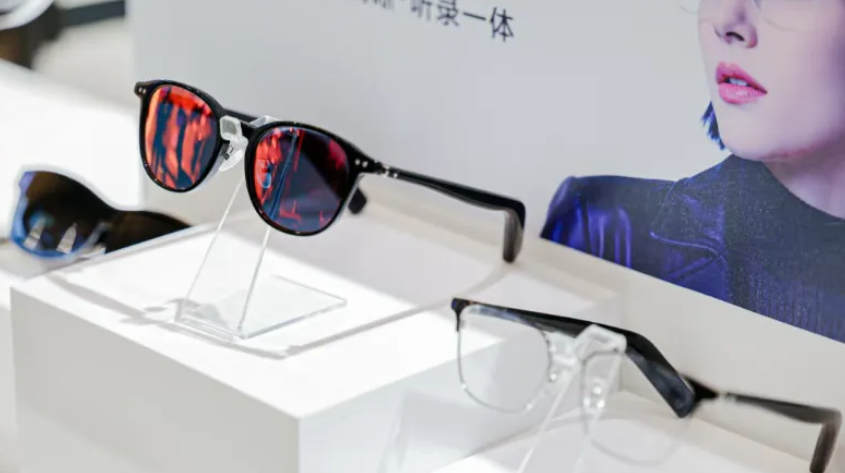
If you are like me, constantly switching between conference rooms, coffee shops, and subway cars for work, you know how important it is to travel light. The Vidda G11 AI audio glasses essentially cram three devices—your eyeglasses, Bluetooth earbuds, and voice recorder—into a frame that looks like ordinary glasses. At a starting price of 1299 yuan (1104 yuan after national subsidy), is this AI-enabled eyewear a genuine bargain or a gimmick? Let’s break it down.
Product Overview: Hisense’s Trendy Brand Enters Wearables
Vidda is a youth-focused tech brand under Hisense Group, previously known for TVs and projectors. This time, they are jumping into the AI glasses race, clearly eyeing the booming smart eyewear market. Launched on March 23, 2026, and officially hit the market on May 8, 2026, the G11 enters the arena amid the “Hundred Glasses Battle” in China.
The G11’s positioning is crystal clear: no AR display, no complex interactions—just focus on doing two things well: audio and AI-powered office work. Five frame styles are available, from aviator to business titanium, covering different aesthetic preferences. Three launch editions: Classic Boston at 1299 yuan, Fashion Browline at 1399 yuan, and Premium Business Titanium at 1599 yuan.
Specifications: Light Enough to Forget You’re Wearing It
| Spec | Details |
|---|---|
| Weight | 26.5g (titanium frame) |
| Temple Thickness | 5.3mm |
| Microphones | 6-mic spatial array |
| Speakers | AAC ultra-linear directional |
| Tuning | Denmark Vifa co-branded |
| Battery | 12 days standby / 47.2 hours practical use |
| Fast Charge | 50% in 10 minutes |
| Wind Resistance | 5m/s (Level 4 wind) |
| Bluetooth | Supported |
| Water Resistance | Daily splash-proof |
Data source: Vidda official specs
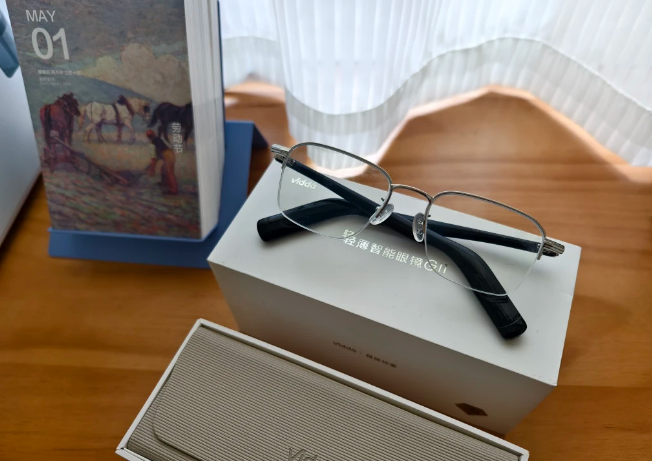
To put 26.5g in perspective: regular prescription glasses typically weigh 20-30g, so the G11 titanium version is basically the same weight. The 5.3mm temple thickness means from the side, it barely looks like smart glasses. The 1:1 front-rear weight distribution plus 140mm hyper-elastic hinges deliver on the promise of “no nose pressure, no head pinch, no slipping.”
Performance Analysis: How Good Is the AI Really?
The G11’s AI features center on two scenarios: meeting minutes and idea capture.
AI Meeting Minutes: Tap the temple to start recording during meetings; the AI automatically distinguishes speakers, organizes key points, and generates summaries. In quiet conference room environments, recognition accuracy exceeds 90%. However, in noisy environments or when multiple people speak simultaneously, some content gets missed. For administrative staff or project managers who constantly take meeting notes, this saves considerable time.
Flash Memo: Suddenly have an idea? Press the temple, speak your thought, and the AI converts it to text and categorizes it. For content creators or product managers, this is definitely more elegant than pulling out your phone and opening a notes app.
On the audio front, the 6-mic array adds one more microphone than the common 5-mic setup, and the improved pickup precision is noticeable. The 5m/s wind resistance means you can take calls outdoors in Level 4 wind conditions, and the other party can still hear you clearly. The AAC directional speakers deliver sound only to your ears—people nearby can barely hear anything, so watching videos on the subway won’t be awkward.
The Denmark Vifa tuning is a nice bonus. Vocals and light music sound pleasant, but don’t expect bass that rivals dedicated headphones—physics limits apply here.
Comparison: Vidda G11 vs Meta Ray-Ban
| Feature | Vidda G11 | Meta Ray-Ban |
|---|---|---|
| Weight | 26.5g | ~49g |
| Price | From 1299 yuan | ~$299 |
| AI Features | Meeting minutes, memos | Photography, social sharing |
| Camera | None | Yes |
| Battery | 47.2 hours | ~36 hours |
| Audio | Vifa tuned | Standard tuning |
| Positioning | Office productivity | Social entertainment |
The G11 and Meta are playing different games. Meta Ray-Ban has cameras for Instagram-worthy shots, leaning toward social entertainment. The G11 skips the camera but goes deeper on AI office functions, at half the price. If your primary need is work assistance, the G11 offers better value. If you want photography and sharing, stick with Meta.
Pros and Cons
| Pros | Cons |
|---|---|
| 26.5g ultra-lightweight, almost unnoticeable wear | No camera, cannot take photos or videos |
| AI meeting minutes genuinely save time | AI accuracy drops in noisy environments |
| Vifa tuning exceeds expectations | Relatively single-function, no AR display |
| Budget-friendly, 1104 yuan after subsidy | Brand recognition lags behind Meta |
| 10-minute fast charge for half-day use | “Practical battery” rating, not continuous playback |
Who Should Buy
Recommended for:
- White-collar workers and project managers who frequently take meeting notes
- EDC enthusiasts who prefer lightweight daily carry
- Myopic users wanting smart glasses on a budget
Not recommended for:
- Users needing photography/video recording
- Tech enthusiasts seeking AR display or complex interactions
- Audiophiles demanding premium sound quality
FAQ
Q: Does the G11 support prescription lens customization? A: Yes, prescription services are available at purchase, or you can fit standard lenses at optical shops.
Q: Do AI features require internet connectivity? A: Some AI functions require connection to the mobile app; local processing capability is limited.
Q: How is the water resistance? A: Daily splash-proof level handles sweat and light rain, but swimming or showering is not recommended.
Conclusion
The Vidda G11 is not a revolutionary product that makes you go “wow.” But it precisely targets the pain points of mobile office workers: lightweight, practical, and affordable. In the AI glasses race, the G11 chose subtraction—removing cameras and AR displays to excel at audio and AI office functions. If you need glasses that help take meeting notes, listen to podcasts on commutes, and take private calls, the G11 is worth considering. But if you are chasing the “future tech” cool factor, you may need to wait a bit longer.