Home

  • CATLINK Big White Automatic Cat Litter Box

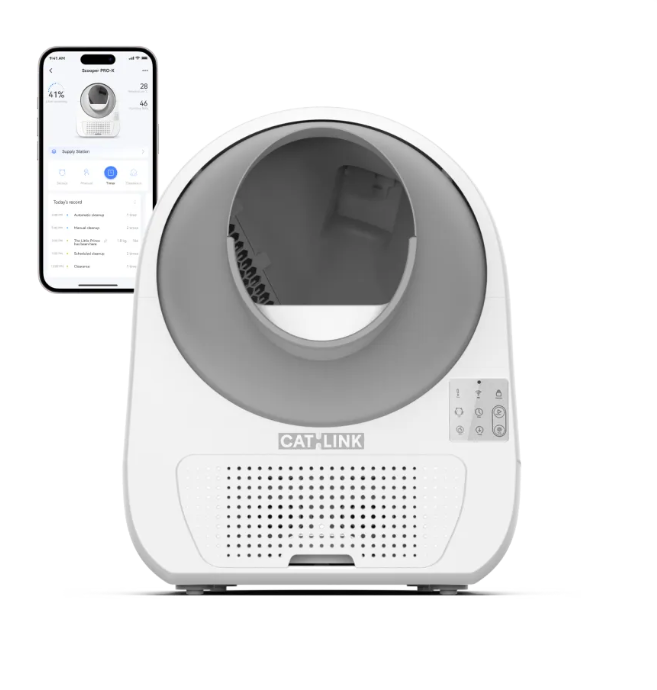
    CATLINK Big White Automatic Cat Litter Box

    There are countless joys in owning a cat, but the task of “scooping poop” can be incredibly frustrating for many cat lovers. With the increasing popularity of smart homes (AIoT), automatic litter boxes have transformed from “novelty toys” into “essential hardware.”

    As a leading brand in the smart pet hardware field, CATLINK recently launched a new product : the “Big White” Automatic Litter Box (Extra Large), which boasts “extra-large space, ultimate odor prevention, and AI health monitoring,” claiming to completely free up your hands. But is it really worth buying? Is it suitable for multi-cat households or large cat breeds ?
    CATLINK Big White Automatic Cat Litter Box
    CATLINK Big White Automatic Cat Litter Box

    This in-depth review will provide you with an objective buying guide from five dimensions: hardware design, core experience, intelligent algorithms, security mechanisms, and maintenance costs.

    I. Hardware Design and Spatial Experience: Is it really “extra large”?

    For automatic litter boxes, space is the first hurdle in determining whether a cat will be willing to use them.

    Aesthetic Appearance: “Big White” continues CATLINK’s consistent minimalist white design, with its rounded spherical body blending seamlessly into modern home décor. The surface material is easy-to-clean ABS engineering plastic, which is scratch-resistant and wear-resistant.

    Interior space: This is the core selling point of this product. The official specifications state a super-large cabin of 60L+ (subject to the latest parameters).

    Real-world experience: For large cat breeds such as adult Ragdolls and Maine Coons, the storage space is spacious enough. They can turn around, dig in the litter box, and bury their feline companions with complete freedom of movement, without feeling cramped.

    Entrance design: The widened entrance and low threshold design are very friendly to kittens, senior cats or cats with joint problems, and they can enter and exit without jumping.

    Floor space required: Due to the large size of the cabin, it is recommended to reserve at least 60cm x 70cm of floor space. If it is a small apartment, the placement should be planned in advance.
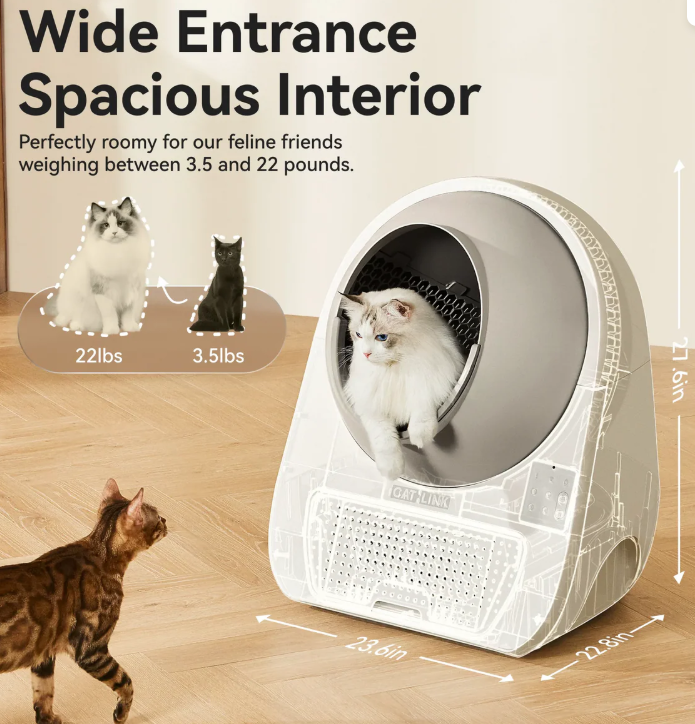
    CATLINK Big White Automatic Cat Litter Box--Spacious Interior
    CATLINK Big White Automatic Cat Litter Box–Spacious Interior

    Purchase recommendation: For families with large cats or multiple cats , the extra-large size is a must-have; otherwise, the cats may refuse to use it because they have difficulty turning around.

    II. Core Experience: Cleanliness and Odor Control

    The essence of an automatic litter box is to “replace manual litter scooping,” and cleanliness and odor control are the core KPIs.

    1. Sand screening logic

    “Dabai” automatic cat litter box uses a drum-type sieving structure.

    Workflow: After the cat leaves (or at a set time), the chamber slowly rotates, and the clumps of urine and feces fall through the filter into the waste collection bin, while clean cat litter is returned.

    Tests revealed that for tofu-like sand or mixed sand with good clumping properties, sieving was very clean, with almost no residue sticking to the bottom. If using bentonite sand, it is recommended to use a bottom pad to prevent fine sand from getting stuck in the gaps.

    2. Odor control system

    This is a common pain point for many automatic litter boxes, but “Dabai” addresses this common market issue with its unique approach, employing a triple odor-prevention strategy:

    Physical sealing: The waste collection chamber adopts a drawer-type design with a silicone sealing strip at the interface, which automatically closes when pulled out to prevent odor leakage.

    Activated carbon filter: The waste collection chamber has a built-in special deodorizing filter element that can effectively adsorb ammonia.

    Intelligent deodorization (optional): Some versions support connection to ozone or spray deodorization modules (specific configuration needs to be confirmed), which will work automatically after cleaning.

    Actual test results: Under normal single-cat use, there is almost no odor around the litter bag before it is full (approximately 7-12 days). For multi-cat households , it is recommended to empty the litter bag every 7 days.

    CATLINK Big White Automatic Cat Litter Box--13L Large Capacity
    CATLINK Big White Automatic Cat Litter Box–13L Large Capacity

    III. Core AI Smart Hardware: More Than Just Automatic Cleaning

    As an ” AI smart hardware,” CATLINK’s value lies not only in automation but also in data processing. This is the key difference between it and traditional automatic pet bowls. They chose to define CATLINK as a pet health monitoring platform , rather than simply a manufacturer , using AI recognition and weighing sensors to transform pet excretion behavior into high-value health signals .
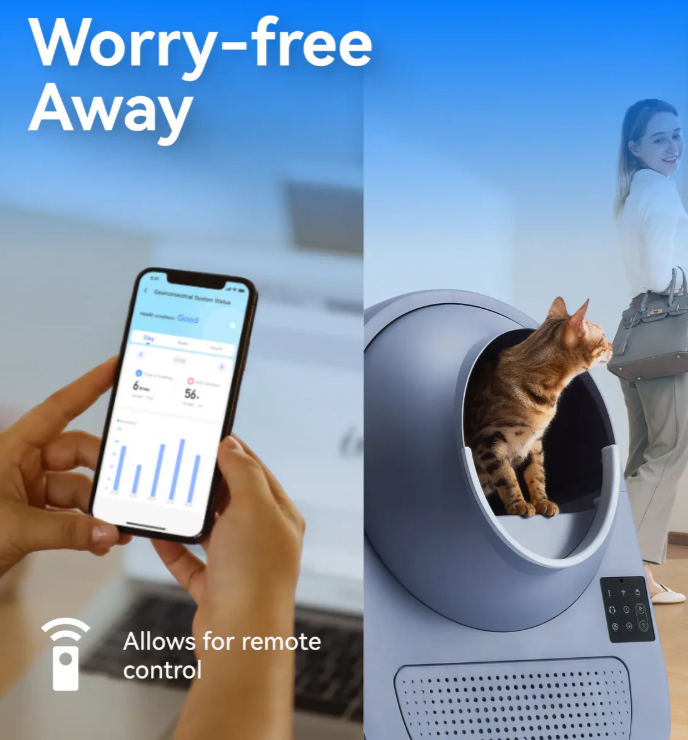
    CATLINK Big White Automatic Cat Litter Box--Health Monitoring
    CATLINK Big White Automatic Cat Litter Box–Health Monitoring

    1. Multi-cat identification and health monitoring

    With its built-in high-precision weighing sensor and AI algorithm, the device can distinguish between cats of different weights.

    App features: You can see the number of times each cat goes to the toilet, the duration of each toilet session, and the trend of weight changes on your phone.

    Health alert: If a cat’s littering frequency suddenly increases (potentially indicating a urinary tract problem) or its weight drops drastically, the app will send an alert. For pets that cannot speak, this is an important clue for early disease detection.

    2. Smart Mode

    • Automatic mode: Default setting, delays cleaning after the cat leaves.
    • Timer mode: Suitable for cats that are sensitive to sound, it is set to clean when the owner is not at home.
    • Manual mode: Clean with one click via the app or the button on the device.

    IV. Safety Mechanisms: The Bottom Line Parents Care About Most

    The biggest controversy surrounding automatic litter boxes lies in their safety. CATLINK ‘s DaBai brand excels in this regard.

    • Infrared sensor: The hatch is equipped with an infrared light curtain. Once a cat’s head or body is detected entering, the roller will immediately stop rotating.
    • Gravity sensor: If the weight inside the cabin changes abruptly (such as a cat jumping in), the machine will stop instantly.
    • Anti-claw design: The gap between the filter and the bulkhead is precisely calculated to prevent cat claws from getting into the rotating gap.
    • Power failure protection: In the event of an unexpected power failure, the machine will remain in a safe position, and the backup battery (if configured) can support the completion of a cleaning cycle and send a notification.

    Precautions: Despite multiple protections, it is still recommended that the owner observe the cat’s adaptation process during the initial use . Extremely timid cats or cats sensitive to mechanical sounds may require 1-2 weeks of desensitization training.

    V. Maintenance Costs and Noise Control

    1. Difficulty of cleaning

    Routine: Simply change the waste bag and empty the waste sand.

    Deep cleaning: Recommended every two to three months . The litter box is removable, but the roller structure means that the inner walls and filter need to be wiped down. Compared to traditional litter boxes, there are slightly more cleaning steps, but the frequency is lower.

    Cat litter consumption: Due to sieving losses and carryover, cat litter consumption is slightly higher than manual littering (approximately 5 %-10 % more) .

    2. Noise Level

    Operating noise: The motor operates at approximately 40-45 decibels , similar to the sound of a refrigerator starting up.

    Impact at night: If the bedroom door is closed, it will generally not affect sleep. However, if the machine is placed near the bed, sensitive individuals may notice it.

    VI. Summary of Advantages and Disadvantages (Purchase Decision Form)

    DimensionAdvantagesDisadvantages (Cons)
    space60L+ extra-large cabin, cat-friendly/big cat friendlyIt is large in size and takes up a lot of living space.
    intelligentAI-powered health monitoring, multi-cat recognition, and a powerful app.Advanced health functions require long-term data accumulation to be accurate.
    DeodorizationSealed waste collection chamber + activated carbon, excellent results.Specialized deodorizing bags/filters need to be purchased periodically (consumable costs).
    SafetyInfrared + gravity dual sensing, anti-pinch designThe price is relatively high, and you need to guide your cat to adapt initially.
    maintainFree up your hands, take out the trash only once every 10 daysDeep cleaning inside the machine is a bit tedious.

    VII. Final Buying Guide: Who Should Buy?

    ✅ Highly recommended for:

    • Multi-cat households: 2 or more cats, requiring a huge amount of manual litter cleaning work.
    • Owners of large cat breeds such as Maine Coons and Ragdolls often have difficulty turning around in a regular litter box.
    • For those who frequently travel for work or work overtime: unable to guarantee daily litter cleaning and need to remotely monitor their cat’s health.
    • Tech enthusiasts: They enjoy understanding their pets’ condition through data and are willing to pay for smart experiences.
    • Pregnant women/people with allergies: Reduce contact with cat feces to lower the risk of toxoplasmosis or dust allergies.

    ❌ People who need to consider this carefully:

    • Limited budget: The machine itself and subsequent consumables (deodorizing bags, filters) represent a continuous investment.
    • Extremely sensitive kittens: If a kitten is extremely sensitive to sound and still cannot adapt after desensitization training.
    • Insufficient space : Unable to provide a stable power supply and enough surface area for placement.

    VIII. Conclusion: Is it a consumption upgrade or an IQ tax?

    The CATLINK Big White Automatic Litter Box isn’t a perfect “lazy person’s dream”—it still requires maintenance and incurs consumable costs. However, from an AI smart hardware perspective, it successfully transforms pet ownership from purely physical labor into a quantifiable and manageable data experience . Currently, it’s priced from $439 on the CATLINK website, with limited-time offers including discounts of up to $60 on select items.

    Its greatest value lies not in “not having to scoop the litter box,” but in “knowing your cat is well-fed and has a healthy bowel movement even when you’re not home.” For modern pet owners who pursue a high quality of life and are concerned about their pets’ overall health, CATLINK DaBai is not just a litter box, but also a smart insurance policy for companionship and peace of mind.

    Final tip:

    After purchase, please be sure to keep the original packaging box for the time being . If your cat cannot adapt, our comprehensive after-sales service and return/exchange policy are your last resort.

    Note: This review is based on general product characteristics and market feedback. Please refer to the latest information from the CATLINK official flagship store for specific parameters and prices .
  • In-Depth Review of Alveos One Acoustic AI Wearable Device

    In-Depth Review of Alveos One Acoustic AI Wearable Device

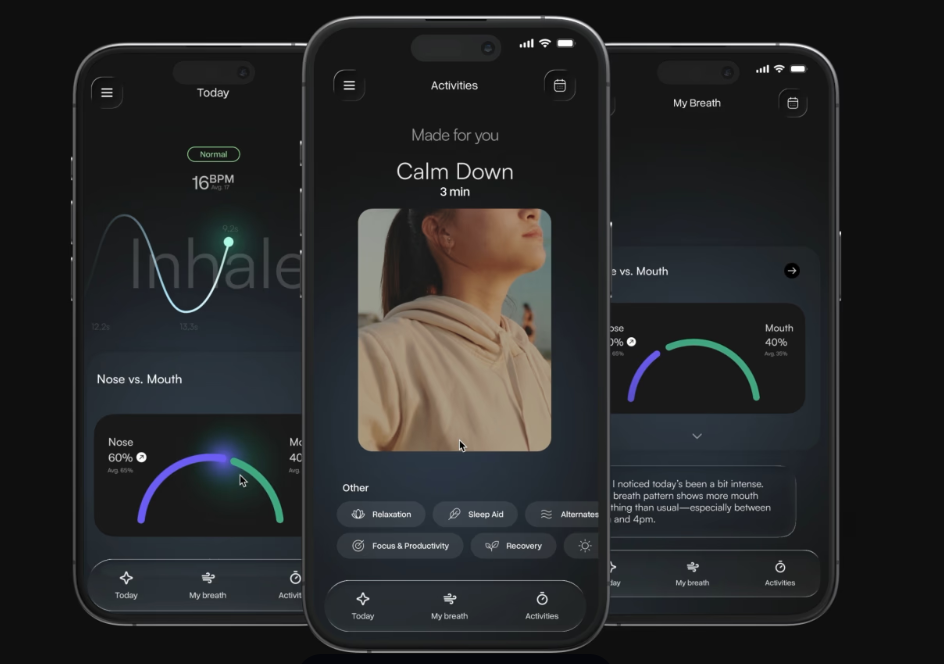
    In Helsinki, Finland, a technology company called Alveos Health is quietly revolutionizing respiratory health. Unlike Silicon Valley giants who are keen on piling more sensors on their wrists or embedding complex displays in glasses, Alveos firmly believes that “sound” is the most natural and hidden window to the body’s internal health.

    Founded in 2019, Alveos was co-founded by a group of acoustics experts from Nokia Bell Labs and top pulmonologists. Their mission is extremely simple: to liberate professional lung auscultation capabilities from hospital clinics and empower every ordinary person with advanced acoustic artificial intelligence technology. In a world where chronic respiratory diseases are increasingly becoming a global health burden, Alveos seeks to prove that the most profound health insights are often hidden in the sounds of our every unintentional breath.

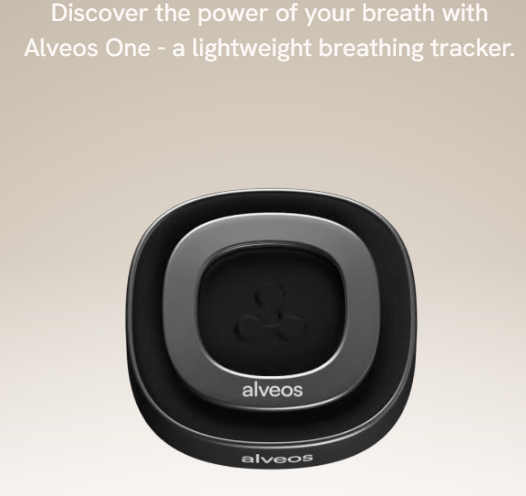
    Alveos One -A Lightweight Breathing Tracker
    Alveos One -A Lightweight Breathing Tracker

    Hidden Health Sentinels in Your Collar: Redefining Respiratory Monitoring

    Alveos One has a clear and unique product positioning: the world’s first acoustic AI wearable device designed specifically for continuous respiratory health monitoring. It is neither a smartwatch nor a traditional medical recorder, but a miniature device resembling a delicate brooch or lapel clip. Its core concept is “unobtrusive listening and proactive alerts,” aiming to fill the gap in respiratory health monitoring in daily life.

    Alveos One
    Alveos One

    Its core highlights are mainly reflected in three disruptive dimensions:

    First, there’s medical-grade acoustic fingerprint recognition. Alveos One doesn’t rely on optical heart rate or blood oxygen estimation; instead, it directly captures the subtle sounds produced as airflow passes through the respiratory tract via a high-sensitivity microphone array. Its self-developed DeepLung AI algorithm, trained on millions of hours of clinical breath sound data, can accurately distinguish normal breath sounds from pathological features such as wheezing, crackles, and stridor, and can even identify variations in early cough patterns.

    Secondly, there’s the environmental noise separation technology. This is Alveos’s competitive advantage. In noisy everyday environments (such as subways, offices, and streets), ordinary microphones cannot extract effective breathing sounds. Alveos One uses beamforming and adaptive noise reduction algorithms, acting like an “acoustic spotlight” to automatically filter background noise and lock onto only the user’s breathing sound source from their neck, ensuring data purity.

    Finally, there’s predictive health insight. It doesn’t just record “what happened,” but also predicts “what will happen.” By analyzing subtle changes in respiratory rate variability (RRV) and nighttime breathing patterns, Alveos One can issue early warnings 24-48 hours before an asthma attack or acute exacerbation of COPD, giving users valuable time to intervene.

    Hardcore Deconstruction: When Finnish Design Meets Cutting-Edge Acoustic Technology

    Beneath its minimalist Nordic design exterior lies a remarkable engineering marvel. Every feature is designed to ensure clear hearing, accurate calculations, and comfortable wear.

    Acoustic Sensing System: The core of the device features a custom-designed four-microphone phased array with a sampling rate of up to 48kHz and a frequency response range covering 20Hz to 20kHz, specifically optimized for capturing low-frequency breathing sounds. Combined with a bone conduction vibration sensor, it forms a dual verification mechanism of “air conduction + bone conduction,” greatly improving data accuracy in motion or speech scenarios.

    Edge computing chip: It features a built-in independent low-power NPU (Neural Processing Unit), where all raw audio data undergoes real-time feature extraction and encryption locally, with only the anonymized analysis results uploaded to the cloud. This not only reduces latency but also fundamentally protects user privacy—your breathing sounds never leave your device.

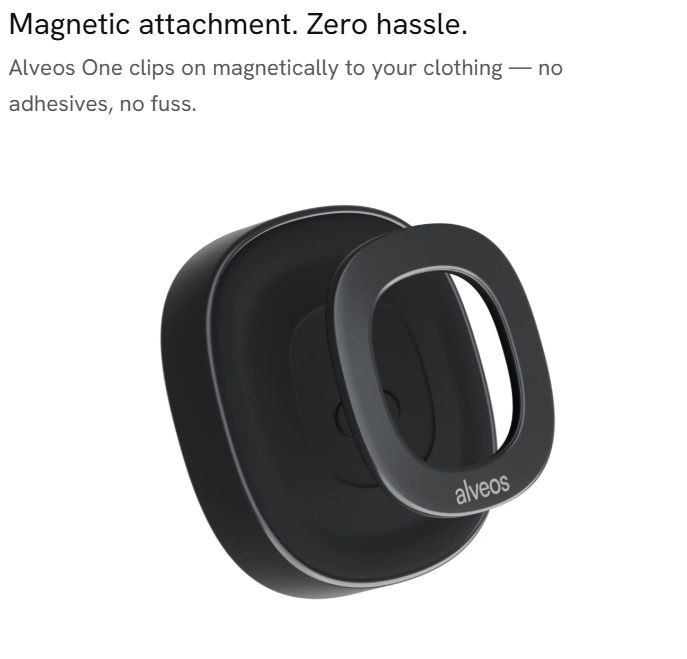
    Industrial Design and Materials: Adhering to Finnish design aesthetics, the Alveos One features a recycled aluminum alloy shell and skin-friendly bio-based silicone backing, weighing only 12 grams. Its magnetic design allows it to securely attach to a collar, pajamas, or a dedicated lanyard, positioned precisely in the suprasternal notch—the golden point for collecting breath sounds. IP67 dust and water resistant, it’s impervious to sweat and rain.

    Battery life: Thanks to a dedicated low-power acoustic architecture, it provides up to 36 hours of continuous monitoring on a single charge, meeting the needs of all-day wear and overnight sleep monitoring. It supports USB-C fast charging; a 15-minute charge provides a full day’s use.

    Software ecosystem: The accompanying app provides an intuitive “respiratory health score,” generates detailed daily and weekly reports, and supports integration with the electronic medical record system (EHR) to facilitate remote data access for doctors.

    Investing in health: Who needs this private listener?

    As a groundbreaking product, the Alveos One’s pricing strategy reflects its professional medical attributes and high-end hardware costs. Currently, the official retail price of the device is $349.

    Alveos One-A New Health Experience
    Alveos One-A New Health Experience

    Highly recommended for the following groups:

    For patients with chronic respiratory diseases: Alveos One is a lifesaver for managing asthma, COPD, and bronchiectasis. It objectively records fluctuations in symptoms, reduces indiscriminate medication use, and provides life-saving early warnings before acute attacks.

    For people with allergies and seasonal sensitivities: During pollen season or on days with poor air quality, it can quantify the specific impact of the environment on the respiratory tract, helping users make informed decisions about outdoor activities.

    Postoperative rehabilitation and the elderly: For patients who need to monitor their lung function recovery after lung surgery, or elderly people living alone, its real-time monitoring and emergency contact linkage function provides a great sense of security.

    Elite athletes and coaches: Used to optimize breathing efficiency training, monitor lung recovery after high-intensity exercise, and prevent exercise-induced bronchoconstriction (EIB).

    Purchase Caution Notice:

    If you’re simply looking for a basic pedometer or sleep tracker, there are cheaper options available. The Alveos One offers a more focused and specialized value proposition; without a specific need for respiratory health management, its high hardware and subscription costs may seem overpriced. Furthermore, it requires proper placement near the trachea to achieve optimal results, demanding certain wearing habits.

    Conclusion: Let every breath be treated with gentleness

    Through in-depth testing and data verification, Alveos One embodies a touching sense of technological warmth. It lacks a dazzling screen and doesn’t pursue complex functions; it simply clips quietly to your collar, faithfully protecting the most instinctive rhythm of your life—your breathing. The most impressive moment in testing was when it detected a slight change in the user’s breathing sounds late at night and gently prompted the next morning: “Your airway resistance increased slightly last night. We recommend avoiding strenuous outdoor exercise today and paying attention to moisturizing.” This data-driven care is more powerful than any general health advice.

    Interaction With Alveos One
    Interaction With Alveos One

    Of course, as a first-generation product aimed at the general public, its performance in extreme wind conditions still has room for improvement, and the accuracy of AI in recognizing rare breathing sounds also needs to be continuously refined with the accumulation of data. However, its merits outweigh its flaws; the emergence of Alveos One marks an important expansion of digital health from the “cardiovascular center” to the “respiratory system.”

    In the post-pandemic era, respiratory health has never received such global attention. The significance of Alveos One lies in transforming what was once a doctor’s stethoscope into an accessible daily companion for everyone. The highest level of technology is not about making humans dependent on machines for survival, but about making machines an extension of humanity’s self-awareness and appreciation for life. When we can clearly hear the whispers of our own bodies, we gain control over our health. For everyone who cherishes the freedom to breathe, Alveos One is not just a $349 device, but a solemn promise about breathing freely.

  • In-depth review of Tenniix AI Tennis Robot

    In-depth review of Tenniix AI Tennis Robot

    I. Company Introduction

    Tenniix is ​​not a traditional sports equipment brand, but a high-end AI sports hardware sub-brand incubated by Engins Sports Tech, a pioneer in domestic intelligent sports technology. Founded in 2018, Engins Sports Tech’s core team originated from the Human-Computer Interaction and Robotics Control Laboratories of Tsinghua University and Beijing University of Aeronautics and Astronautics, initially focusing on the research and development of industrial-grade servo systems and high-precision motion control algorithms. After 2020, the company shifted its technological accumulation to the consumer-grade intelligent sports field, successively launching products such as AI jump ropes and intelligent rowing machines. With “data-driven + precise feedback” as its core concept, it has established technological credibility in the professional fitness community.

    The birth of Tenniix marks Engins Sports Tech’s official entry into the intelligent competitive sports arena. Its first product—the Tenniix AI Tennis Robot—is not a simple copy of similar overseas equipment, but deeply integrates computer vision, adaptive trajectory planning, and multimodal human-machine collaboration technologies, aiming to solve three major pain points: amateur players “cannot find training partners,” professional athletes “low training repetition,” and coaches “difficulty in quantifying feedback.” Leveraging its parent company’s over ten years of experience in servo motors and real-time control systems, Tenniix has fundamentally restructured the response logic and interactive experience of its tennis robot.

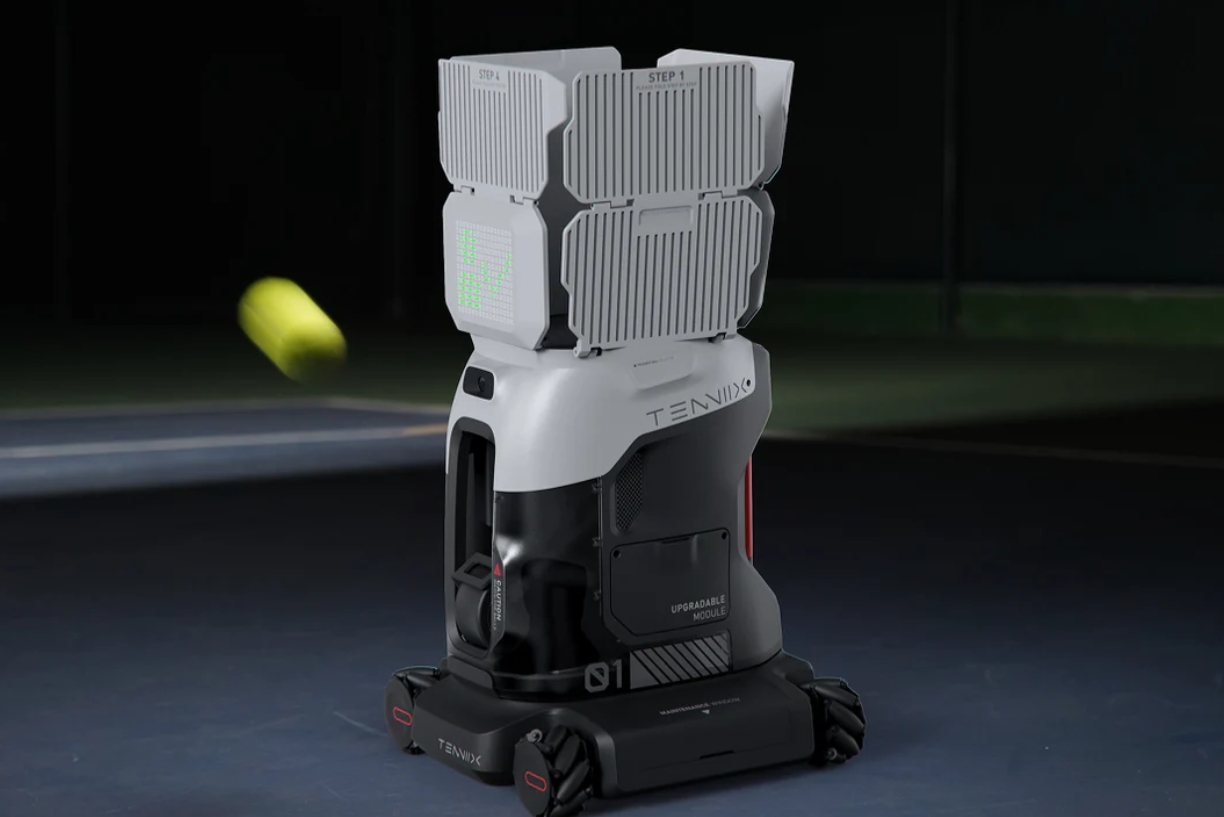
    Tenniix AI Tennis Robot
    Tenniix AI Tennis Robot

    II. Product Positioning & Key Highlights

    The Tenniix AI Tennis Robot is positioned as an “AI personal coaching robot for advanced tennis enthusiasts,” priced at $3,499, falling between consumer entertainment devices and professional training systems. It’s neither a children’s toy nor a million-dollar professional training platform, but rather fills a gap in the mid-to-high-end personal/home training market.

    Its key highlights can be summarized in three points:

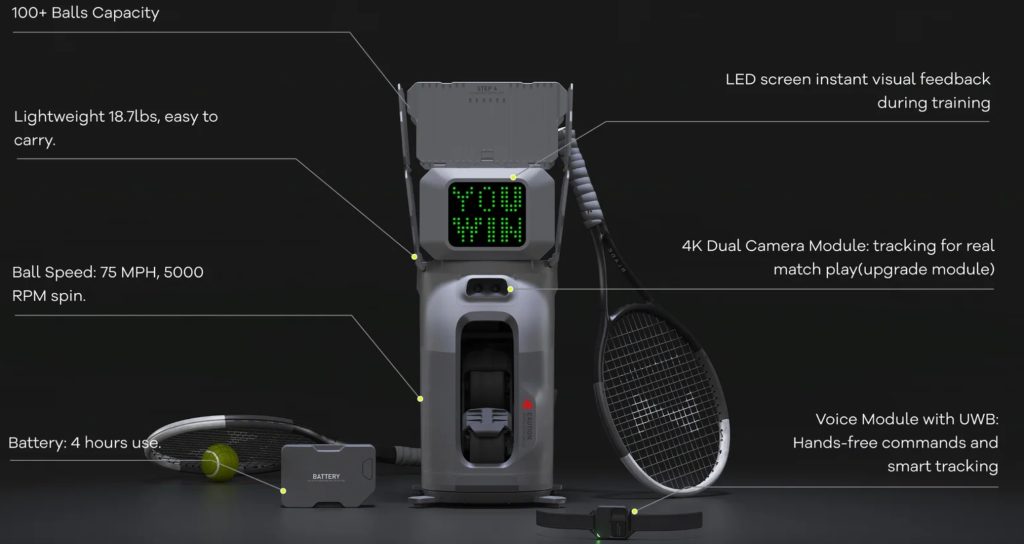
    1. Full-Scene AI Visual Tracking System: Equipped with binocular depth cameras and the self-developed TennisVision™ algorithm, it can identify player position, hitting posture, and landing area in real time without the need for wearable sensors, and dynamically adjust the serving strategy.
    2. Six-DOF Bionic Serving Mechanism: Breaking through the limitations of traditional single-axis spin serves, it simulates human arm movements through multi-joint linkage, supporting 12 spin types including topspin, backspin, flat, and sidespin, with ball speeds ranging from 30–120 km/h.
    3. Adaptive Training Course Engine: Generates personalized training plans based on user historical data, supporting modes such as “weakness reinforcement,” “tactical simulation,” and “physical endurance,” and can be linked with the USPTA certified course library.

    III. Core Configuration Parameters

    The Tenniix AI Tennis Robot features an aerospace-grade aluminum alloy frame, weighs 42 kg, and is equipped with omnidirectional silent casters for easy movement on hard courts, clay courts, and indoor surfaces. The built-in 24V/15Ah lithium battery provides approximately 2.5 hours of continuous serving on a full charge (standard training intensity) and supports fast charging (fully charged in 2 hours). The ball dispenser has a capacity of 180 standard tennis balls and uses a double-helix lifting structure to ensure continuous, uninterrupted ball feeding.

    Regarding the sensing system, the top of the device integrates a pair of RGB-D cameras with a 120° field of view, a 30fps frame rate, and an effective recognition distance of 3–15 meters. It can complete a 3D model of the player’s position and hitting motion within 0.2 seconds. The bottom is equipped with a high-precision IMU (Inertial Measurement Unit) and a ground pressure sensor for real-time calibration of the device’s posture, preventing serve deviations caused by uneven playing surfaces.

    The serve mechanism is the core innovation: it employs a 6-axis servo motor for coordinated control, including three main degrees of freedom: shoulder pitch, elbow flexion/extension, and wrist rotation. Combined with a high-speed launch wheel assembly, it achieves millimeter-level control over ball speed, spin, and angle. The official serve repeatability accuracy is ±2cm, far exceeding the industry average of ±8cm.

    On the software side, the device runs on a custom RTOS (Real-Time Operating System) based on Linux, connecting to a dedicated app (supporting iOS/Android/Web) via Wi-Fi 6. The app provides training data dashboards, including over 20 indicators such as hit success rate, distance traveled, reaction time, and error type distribution, and supports exporting data to CSV format for coach analysis. Furthermore, the device has a reserved API interface for future integration with third-party sports physiological monitoring devices (such as heart rate monitors and electromyography sensors).

    IV. Horizontal Comparison with Similar Products

    Currently, the mainstream AI tennis robots in the global market mainly include the PlaySight SmartCourt series from the US (basic model around $4,200), the Babolat Play Pure Drive robot from France (discontinued), and emerging Chinese brands such as RacketBot (priced at $2,799). In comparison, Tenniix has differentiated advantages in three dimensions:

     AI Interaction Depth: PlaySight relies on a fixed camera array, requires pre-installation on a court, and cannot dynamically adjust serves; Tenniix’s mobile vision system is ready to use immediately, truly achieving “ball follows the player.”

     Spin Simulation Capability: Most competitors only support flat shots and basic topspin, while Tenniix’s six-degree-of-freedom mechanism can reproduce compound spins commonly seen by professional players (such as Federer-style sidespin), significantly improving training realism.

     Price Threshold: Compared to PlaySight’s high installation and subscription fees (approximately $600 per year), Tenniix is ​​a one-time purchase with no mandatory subscription, resulting in lower long-term usage costs.

    Of course, Tenniix still has room for improvement in extreme environment adaptability (such as visual stability under direct sunlight) and ultra-high-speed serves (>130km/h), but for players with an NTRP of 2.5–5.0, its performance fully covers daily training needs.

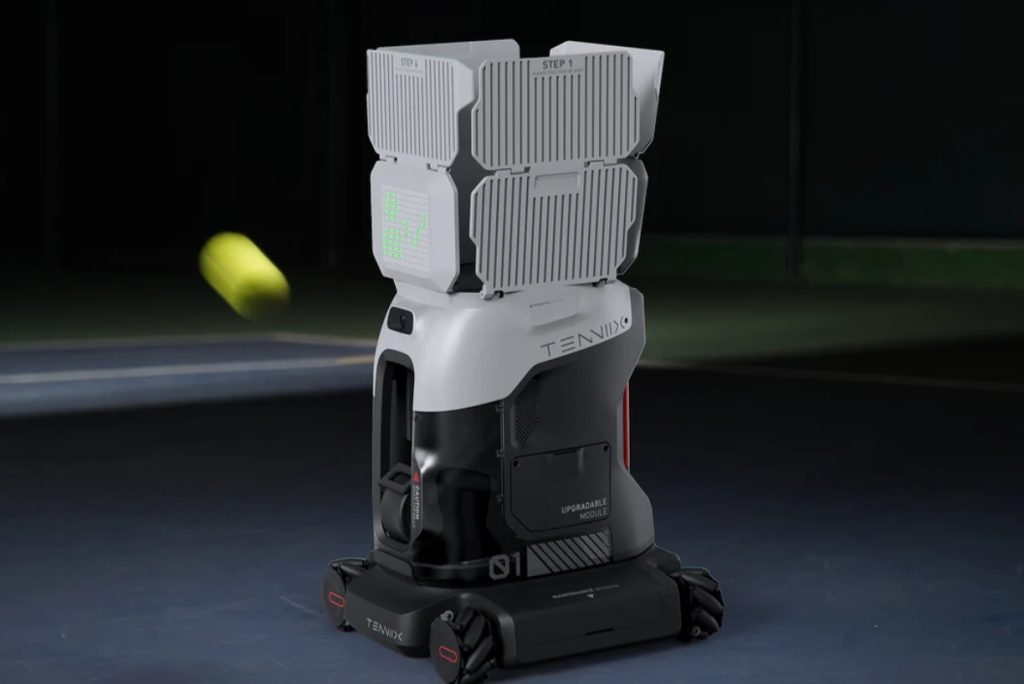
    Tenniix AI Tennis Robot Product
    Tenniix AI Tennis Robot Product

    V. Purchase Recommendations + Target Audience

    We strongly recommend the Tenniix AI Tennis Robot to the following groups:

     Advanced amateur players (NTRP 3.0 and above): Those with a basic technical framework who urgently need targeted improvement in a specific skill (e.g., backhand consistency, net volley reaction);

     Families training teenagers: Can replace some private coaching sessions, reducing long-term training costs, while providing data feedback to help parents understand their child’s progress;

     Small tennis clubs or university groups: Can serve as a supplementary training tool, improving training efficiency per unit of court space;

     Players in recovery: Low-intensity, high-repetition lessons can be set up to help restore hitting rhythm and footwork coordination.

    Situations where purchase is not recommended:

     Beginners (NTRP < 2.5): Before establishing correct movement patterns, premature reliance on the machine may lead to ingrained errors.

     Users with limited budgets: The price of $3,499 is still a high investment for the average consumer. Prioritize basic expenses such as rackets and lessons.

     Those without a fixed training space: The equipment requires a flat space of approximately 6m x 12m. Frequent moving may affect its lifespan.

    VI. Usage Precautions & Avoidance Tips

    1. Strict court requirements: Although it supports multiple court types, it is strongly recommended for use on flat, hard courts. Clay or grass courts can cause wheel slippage, affecting serve accuracy. For indoor courts, ensure there are no obstructions overhead to avoid misjudgments by the visual system.
    2. Tennis ball compatibility: Only compatible with standard pressure balls (Type 2). Pressure-reducing training balls or foam balls may cause the ball feeding mechanism to jam. It is recommended to use consistent brands such as Wilson US Open or Dunlop Fort All Court.
    3. Firmware updates are crucial: Tenniix employs an OTA (Over-The-Air) remote upgrade strategy. New users must complete the system initialization update before first use; otherwise, the AI ​​recognition accuracy will decrease by approximately 30%.
    4. Avoid prolonged full-load operation: After serving continuously for more than 90 minutes, the machine needs to be stopped for 15 minutes to allow for cooling. Otherwise, the servo motor will trigger overheat protection, interrupting training.
    5. Privacy settings must be manually enabled: By default, local video data is only stored for 7 days. However, if cloud synchronization is enabled, “Automatic Upload of Training Recordings” must be manually disabled in the app to prevent the leakage of sensitive venue information.

    VII. Conclusion: AI is not a gimmick, but an evolution of the training paradigm

    The Tenniix AI Tennis Robot is not just another “smart toy,” but a landmark achievement of Tenniix, transforming ten years of industrial control technology into a consumer-grade sports solution. At a price of $3,499, it provides training feedback accuracy and interactive intelligence approaching that of professional teams. While there’s still room for improvement at the limits of extreme performance, its overall performance in AI visual tracking, bionic serve mechanism, and personalized course generation far surpasses competing products in the same price range.

    For users who genuinely want to systematically improve their tennis skills, Tenniix is ​​more than just a machine; it’s a tireless, data-driven, and uncompromising AI personal coach. It won’t encourage you, but it will honestly point out every weakness; it can’t replace the emotional motivation of a human coach, but it can fill the “repetitive gaps” in training with millisecond-level responses.

    In today’s era where intelligent sports are moving from “connectivity” to “cognition,” Tenniix proves that true AI empowerment lies not in flashy techniques, but in making every swing a step closer to the goal.

  • Insta360 Ace Pro 2: Redefining Action Cameras

    Insta360 Ace Pro 2: Redefining Action Cameras

    In today’s rapidly changing and increasingly competitive action camera market, Insta360 has become a key force that cannot be ignored in the industry thanks to its continuous innovation in panoramic technology and intelligent algorithms. In 2024, with the stunning debut of its new flagship model, the Insta360 Ace Pro 2, this Chinese technology company once again demonstrated its ultimate pursuit of image performance, AI intelligence, and user experience to global users through its outstanding product. This Ace Pro 2, officially dubbed by Insta360 as the “most powerful action camera ever,” just how powerful is it? This article will provide a comprehensive and in-depth analysis from multiple key dimensions, including core parameters, image quality, AI intelligent experience, design and control, and price positioning.

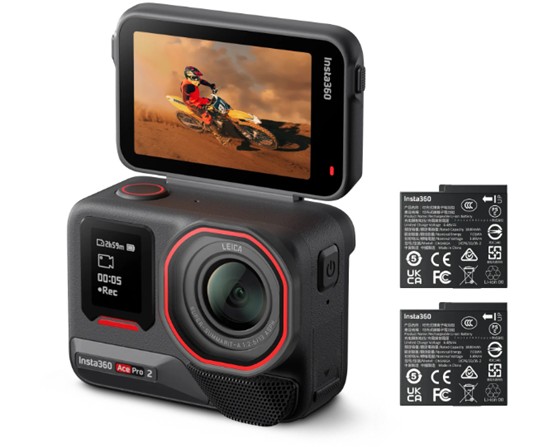
    Insta360 Ace Pro 2
    Insta360 Ace Pro 2

    01 Core Parameters: Fully Upgraded

    The Insta360 Ace Pro 2 is not a traditional 360° panoramic camera like the X series, but a single-lens action camera that focuses on high image quality and high performance, directly targeting high-end competitors such as the GoPro Hero12 Black.

    Insta360 Ace Pro 2 Battery Life
    Insta360 Ace Pro 2 Battery Life

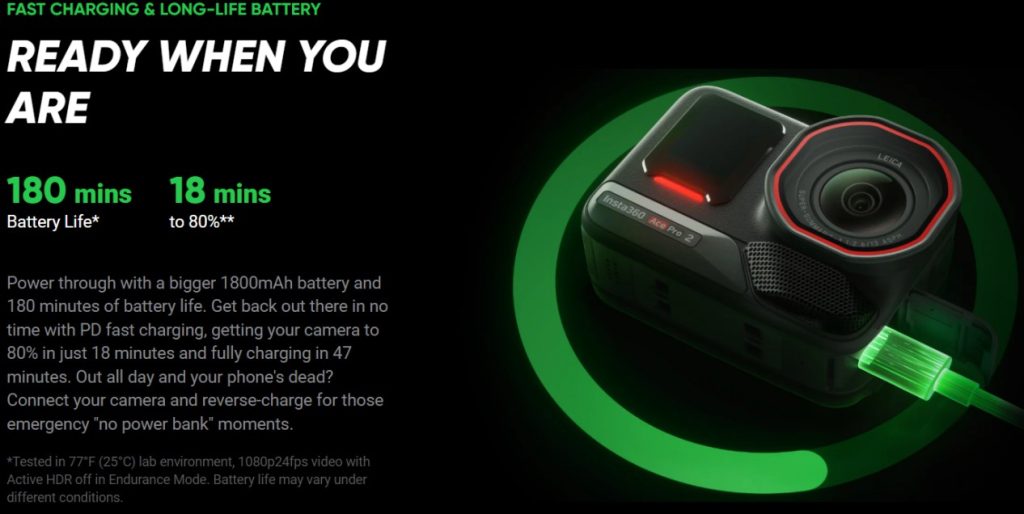
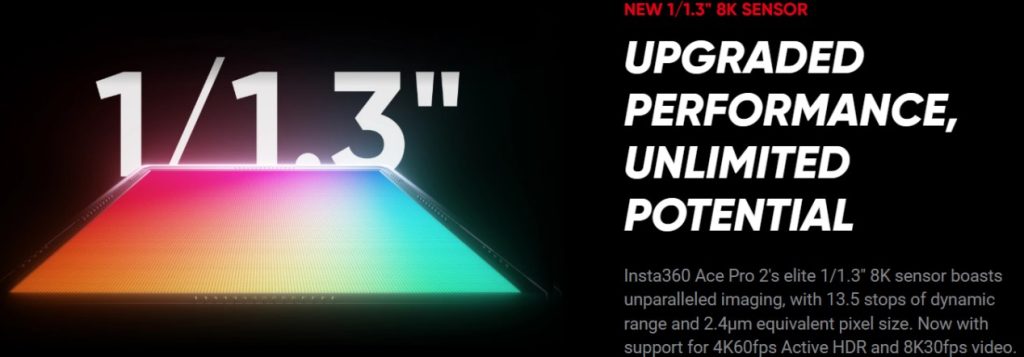
    In terms of sensor, the Ace Pro 2 uses a 1/1.3-inch CMOS sensor, a significant upgrade from the 1/1.7-inch sensor of its predecessor, the Ace Pro. It has approximately 9 million effective pixels and supports outputting still images at a maximum resolution of 5312×3984. For video specifications, it supports 4K @ 120fps (10-bit D-Log M color), 2.7K @ 240fps (slow motion), and HDR video recording (HLG format). The lens features a large F2.4 aperture and a 170° ultra-wide-angle lens, which can be cropped to different angles such as 155° and 130° via software. The image stabilization system features 4th generation FlowState stabilization and AI-enhanced stabilization algorithms. For audio, it has a built-in 4-microphone array and supports AI noise reduction and wind noise suppression. The screen is a 2-inch flip touchscreen for convenient selfies and composition. Battery life is approximately 80 minutes (4K/30fps), and it supports fast charging, reaching 80% in 30 minutes. In terms of waterproofing, the device is waterproof to 5 meters without a case, and up to 60 meters with a waterproof case. For connectivity, it supports Wi-Fi 6, Bluetooth 5.2, and USB-C direct connection. It boasts rich AI features, including AI automatic editing (Insta360 AI Editor), AI subject tracking, and AI scene recognition. For storage, it supports microSD cards up to 1TB, requiring UHS-I V30 or higher specifications.

    02 Image Quality Performance: Breaking with Conventions

    One of the biggest breakthroughs of the Ace Pro 2 is its 1/1.3-inch large sensor, which is extremely rare in the action camera field. The GoPro Hero 12, for example, still uses a 1/1.9-inch sensor. This larger sensor area brings significant improvements in low-light performance and a wider dynamic range.

    In actual testing, the Ace Pro 2’s 10-bit D-Log M color mode exhibited a dynamic range of up to 13 stops, far exceeding its predecessor. This means that even in complex scenes with backlighting or high contrast, details in both bright and dark areas are fully preserved, providing ample room for post-production color grading. Combined with LUTs provided by Insta360, users can easily achieve cinematic color tone effects. Furthermore, the AI HDR video function can automatically synthesize high dynamic range images under complex lighting conditions without requiring manual mode switching, making it extremely practical. In nighttime shooting, thanks to the synergy of the F2.4 aperture and AI noise reduction algorithm, image noise control is superior to most competitors, and details are preserved more clearly.

    Large Sensor
    Large Sensor

    03 AI Intelligent Experience: Deep Integration

    Insta360 has deeply integrated AI technology into the workflow of Ace Pro 2, truly realizing a “what you see is what you get” intelligent creation experience.

    The AI-powered automatic editing feature allows users to upload footage via the mobile app (Insta360 Studio). AI automatically identifies key moments, accurately matches music, and adds appropriate transitions to quickly generate high-quality short videos, perfect for rapid posting on social media. With AI subject tracking enabled, the camera automatically locks onto targets such as people, pets, or vehicles, ensuring the subject remains centered even in fast-moving scenes. AI scene recognition automatically identifies over 20 scenes, including skiing, cycling, and diving, and optimizes exposure, white balance, and image stabilization accordingly. Voice control has also been enhanced, supporting multilingual voice commands, including Chinese, English, and Japanese, with high accuracy and rapid response even in windy conditions. These features are not just marketing gimmicks; they genuinely lower the barrier to professional video creation, allowing ordinary users to easily produce high-quality content.

    Free Frame
    Free Frame

    04 Design and Operation: Professional and Convenient

    The Ace Pro 2 continues the modular design language of the Ace series, weighing only 139 grams yet boasting a robust structure. The 2-inch flip touchscreen is a major upgrade, supporting touch operation menus and flipping upwards 180°, greatly facilitating framing and positioning during vlogs, selfies, or cycling.

    The physical buttons are logically laid out, allowing for easy operation even when wearing gloves. The newly added “Quick Mode Wheel” allows users to switch between video, photo, and time-lapse modes with a single click, significantly improving operational efficiency. The accessory ecosystem is equally diverse, offering a full range of options including magnetic quick-release brackets, diving cases, car suction cups, and chest straps, and is compatible with the entire Insta360 accessory system, providing users with more shooting possibilities.

    05 Price and Market Positioning

    The Insta360 Ace Pro 2 was launched globally in May 2024 with an official suggested retail price of $419.99. This price is roughly the same as the GoPro Hero12 Black ($479.99), but the Ace Pro 2 offers a larger sensor, more advanced AI features, and a more flexible screen design, making its price-performance ratio significantly better.

    06 Summary

    The Insta360 Ace Pro 2 is not just an ordinary action camera; it’s more like a mobile imaging workstation that combines high image quality, AI intelligence, and creative freedom.

    • Suitable for :
      • Outdoor sports enthusiasts (skiing, surfing, cycling, etc.) who seek high-quality images.
      • Vlog creators and short video bloggers
      • Professional users who need post-production color grading
      • For all-around users who want a single device that can handle both everyday recording and extreme shooting.
    • Summary of advantages :

    ✅ 1/1.3-inch large sensor delivers superior image quality

    ✅ 10-bit D-Log M + HDR video, offering huge post-production flexibility.

    ✅ Powerful AI editing and tracking features enhance creative efficiency.

    ✅ Flip-screen touchscreen + modular design for a leading user experience

    ✅ The $4.99 price tag is highly competitive .

    • Potential shortcomings :

    ❌ Battery life is still at a moderate level (heavy users need to carry an extra battery).

    ❌ High frame rate 4K (e.g., 4K/120fps) has a high bitrate, which places strict requirements on the memory card.

    The arrival of the Insta360 Ace Pro 2 undoubtedly marks the official entry of action cameras into the “large sensor + AI” era. It not only surpasses traditional flagship models in hardware but also constructs a complete intelligent creative loop through software and ecosystem. If you are looking for an all-around action camera that can handle extreme environmental challenges while producing cinematic footage, then the Ace Pro 2 is undoubtedly one of the most worthwhile choices to consider in 2024.

    Insta360 Ace Pro 2 official price: $419.99 (standard version) / $499.99 (winter bundle)