Category: AI-Powered Kitchen

An “AI Smart Kitchen” refers to an intelligent living space driven primarily by artificial intelligence, deeply integrating technologies such as the Internet of Things (IoT), big data, sensors, and automation to transform the traditional kitchen into an environment capable of perception, decision-making, execution, and collaboration. Its core objective is to shift the paradigm from “humans adapting to machines” to “machines understanding humans,” thereby delivering a comprehensive, context-aware, and proactive kitchen experience across the entire workflow.

  • CUCKOO AI: Solving Boiling Overflow Problems with AI

    CUCKOO AI: Solving Boiling Overflow Problems with AI

    I. Product Overview

    This review focuses on the CUCKOO Gourmet Series AI Triple Free Zone Induction Cooktop. Launched on July 14th with the release of the complete Korean kitchen appliance line, this is CUCKOO’s first built-in three-burner induction cooktop equipped with an AI sound wave recognition sensor. Its key selling points include AI boiling soundprint recognition to prevent overflow, three independent heating zones, and a powerful 3400W output. Positioned as a high-end Korean-style integrated kitchen, it can be paired with the same brand’s AI direct-steam oven to form a complete smart cooking system.
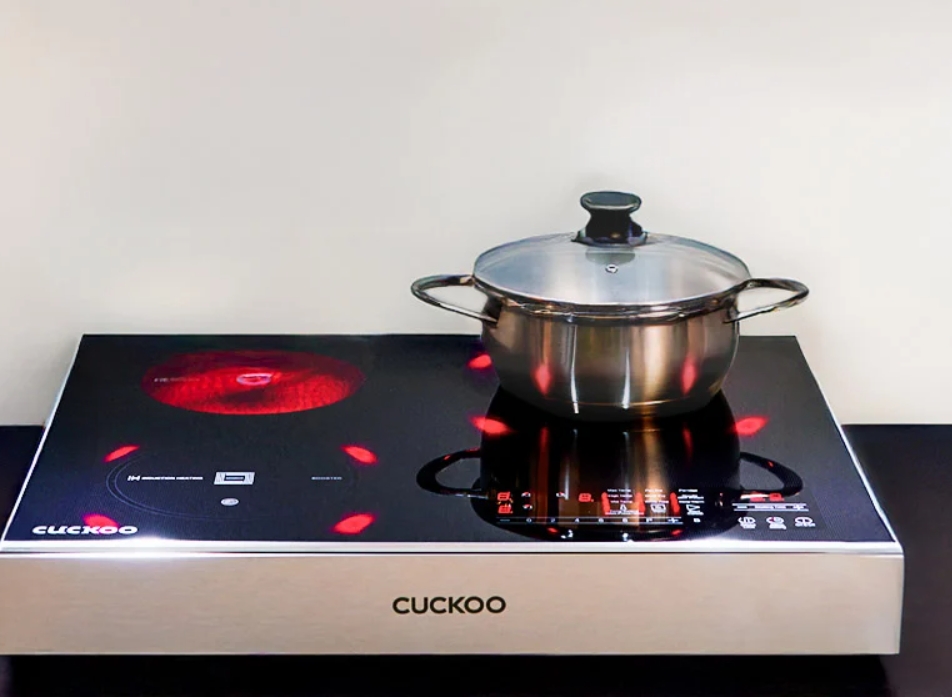
    CUCKOO
    CUCKOO

    Core Hardware Parameters

    • Countertop Material: Imported microcrystalline explosion-proof glass, matte light white minimalist panel, oil-resistant and water-repellent coating
    • Heating Layout: Dual-zone free heating area on the left + independent circular high-power cooktop area on the right, totaling three zones
    • Peak Power per Cooktop: Up to 3400W per cooktop, supports 60 minutes of continuous Boost high-power output
    • Core Smart Hardware: Built-in AI Sound sensing microphone, equipped with a voiceprint recognition algorithm jointly developed with Renesas
    • Control: Hidden touch screen at the bottom, touch + timer dual modes, supports range hood linkage
    • Installation Method: Standard 60cm recessed cabinet opening, can be used as a countertop or built-in unit
    • Compatible Ecosystem: Can be linked with Cuckoo AI steam oven and pressure cooker, unifying the smart logic of kitchen appliances

    II. Appearance and Installation Experience: Minimalist Integration, Thorough Cleaning

    As a flagship model designed to complement Bespoke style customized kitchens, this induction cooktop’s design aligns with current minimalist home décor needs.

    1. Hidden Touch Panel: The sunken, hidden control panel features no protruding buttons. The smooth, flat glass panel allows for easy cleaning with a damp cloth after spills, eliminating the problem of grease trapping in crevices, a common issue with traditional cooktops. The screen is completely off in standby mode, providing a more seamless visual experience.
    2. Flexible Three-Zone Layout for Multiple Cookware: The large, freely heating zone on the left supports long baking pans, double-handled stew pots, and rectangular iron plates, ensuring even heating for irregularly shaped cookware. The independent round burner on the right accommodates woks and soup pots. All three zones can operate simultaneously, allowing for stir-frying, simmering, and slow cooking, ideal for preparing ingredients for large Korean meals.
    3. Lightweight Built-in Conversion: The ultra-thin base design allows for seamless integration into standard cabinets without significant modifications. The low-noise cooling duct ensures that fan noise during cooking is significantly lower than comparable imported induction cooktops, preventing harsh noise in open kitchens.

    III. Core AI Function Testing: Voiceprint Recognition as the Core Differentiation
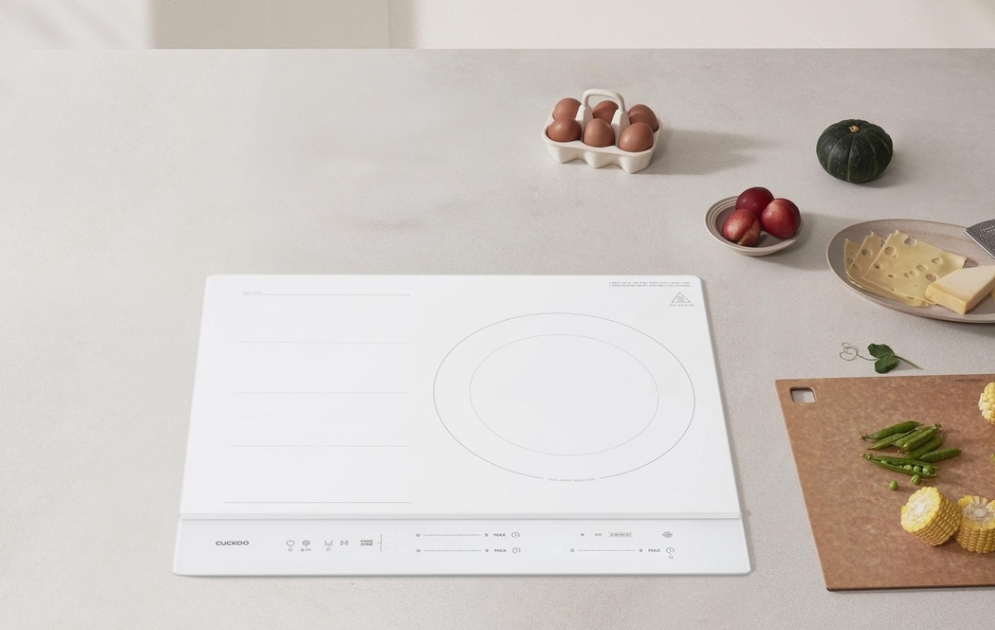
    CUCKOO AI Three-Zone Induction Cooktop
    CUCKOO AI Three-Zone Induction Cooktop

    The biggest innovation of this product is its AI Boiling Sound Wave Recognition System, which distinguishes it from other products on the market that rely solely on temperature probes for dry-boiling prevention. This is also the focus of this testing.

    1. AI Voiceprint Anti-Overboiling Technology (Core Highlight)

    The algorithm pre-learns 191,000 boiling soundprint data points, accurately distinguishing the boiling sounds of different ingredients such as clear water, thick soup, kimchi soup, ramen, and thick stews. It identifies signs of impending overflow in real time and automatically reduces the heat:

    • Test Scenario 1: When simmering Korean soybean paste soup or thick chili sauce, the broth is prone to boiling over. With ordinary stoves, manual monitoring is required. This product detects the unusual bubbling sound and automatically reduces power within 3 seconds, maintaining a gentle boil to prevent overflow. Users can leave to do housework or look after children without frequently returning to the kitchen.
    • Real-world test scenario 2: Accurate boiling recognition for clear water and broth, without accidental reduction in heat; intervention only occurs when a special sound wave appears indicating violent churning and impending overflow, without affecting normal high-heat simmering.
    • Weakness: When simmering in a thick-bottomed, silent soup pot or with a heavy lid, sound wave transmission weakens, slightly reducing recognition sensitivity. It is recommended to use the AI ​​anti-overflow function with the lid partially open during simmering.

    2. Auto Focus Adaptive Heating

    Built-based cookware sensor automatically identifies the pot’s bottom size, concentrating the electromagnetic coil’s heat on the bottom area, preventing wasted heat on the countertop; small saucepans and single-person casseroles placed in the larger cooking area also achieve concentrated heat for rapid heating, saving approximately 15% energy compared to ordinary induction cooktops.

    3. Independent AI Temperature Control Logic for Multiple Burners

    The three zones operate completely independently, without interference: While the right burner maintains a powerful 3400W for stir-frying, the two independent burners in the left zone can independently perform low-temperature simmering and constant-temperature heat preservation. One cooktop system can simultaneously achieve high-heat stir-frying and low-heat simmering. AI independently manages the boiling state of each zone, preventing overflow from one burner from causing the entire system to cool down.

    4. Integrated Ecosystem for All Kitchen Appliances

    1. Paired with a matching AI direct-steam oven: After the cooktop recognizes a long-term stewing program, it automatically pushes a synchronized recipe to the oven, allowing for simultaneous food preparation, braising, and baking.
    2. Intelligent linkage with the range hood: The range hood automatically starts when the stove is turned on, automatically increases airflow during high-heat stir-frying, and delays exhaust for 3 minutes after the stove is turned off.
    3. Timed safety protection: Each burner has an independent timer for up to 180 minutes, automatically cutting off power if the timer expires, combined with AI overflow and high-temperature dual safety protection.

    IV. Actual Heating Performance Test: Three-Zone High Power, Balancing Stir-frying and Simmering

    1. 3400W Continuous Boost Power

    Each burner has an independent peak power of 3400W, supporting continuous full-power output for 60 minutes, solving the pain point of traditional induction cookers’ short-term high heat and lack of sustained high-temperature power; the heating speed is close to that of a gas stove when stir-frying Chinese food or grilling Korean-style meat, effectively bringing out the wok’s aroma and compensating for the weakness of electric stoves in terms of heat output.

    2. Patented Cross-Circular Heating Coil

    The free heating zone uses a cross-circular electromagnetic coil, ensuring even heating of the pot bottom and preventing localized scorching; the low-temperature zone can stably maintain a constant temperature of 60-120℃, suitable for fermentation, jam making, and low-temperature braising, with a temperature control error controlled within ±5℃.

    3. Multi-level Power Adjustment

    Features 20 distinct power levels, ranging from low heat for keeping warm to high heat for stir-frying, catering to all scenarios including heating milk, slow cooking, frying, and stir-frying. It includes four built-in Korean-style intelligent cooking curves for ramen, soybean paste soup, barbecue, and steaming, allowing for one-touch matching of the appropriate power logic for each ingredient.

    V. Cleaning, Safety, and Daily Use

    1. Multiple Safety Protection Systems In addition to AI voiceprint anti-overflow protection, it features four safety mechanisms: automatic power-off when the cookware is removed, automatic power-off for overheating, child lock, and overheat protection. The panel is made of explosion-proof microcrystalline glass, resistant to cracking from sudden temperature changes.
    2. Minimalist Cleaning Design The seamless glass countertop eliminates burner gaps and metal baffles, allowing for easy wiping of spills and grease with a damp cloth. The removable filter in the bottom cooling duct allows for regular rinsing, preventing grease buildup.
    3. Low-Noise Heat Dissipation System Optimized airflow structure keeps high-power operating noise below 48dB, significantly lower than comparable Samsung and LG built-in induction cooktops, ensuring undisturbed rest during nighttime soup simmering.

    VI. Summary of Overall Advantages and Disadvantages

    Advantages

    1. Industry-unique AI voiceprint recognition anti-overflow design, perfectly solving the problem of pots boiling over during stewing, highly practical for working professionals and families with young children;
    2. Three independent heating zones, compatible with pots of all sizes, allowing simultaneous operation of three burners, significantly improving the efficiency of food preparation for multiple people;
    3. Single burner 3400W long-lasting high heat, enabling stir-frying even on an electric stove, adaptable to diverse Chinese and Korean cooking habits;
    4. Minimalist pure white all-in-one design, compatible with custom kitchen designs, extremely easy to clean;
    5. Complete Cuckoo kitchen appliance ecosystem, seamlessly integrated with steam ovens and range hoods, with unified intelligent logic.

    Shortcomings

    1. AI sound wave recognition sensitivity decreases when recognizing thick-lid, airtight soup pots, reducing its effectiveness in sealed stewing scenarios;
    2. As a Korean-made model, it has fewer offline after-sales service outlets in China compared to domestic brands like Fotile and Midea;
    3. Positioned as a high-end unit, purchasing a complete set (induction cooker + steam oven) has a high budget threshold;
    4. The free heating zone does not support irregularly shaped ultra-thin foil cookware, only compatible with magnetic metal cookware.

    VII. Target Audience and Purchase Recommendations

    Recommended Buyers

    1. Those who want a Korean/minimalist integrated custom kitchen throughout their home and seek a unified look for their appliances;
    2. Families who frequently stew soups, cook noodles, and make sauces, often experiencing overflowing broths;
    3. Large families who need to stir-fry, simmer, and stew simultaneously, using multiple pots at the same time;
    4. Those with open kitchens without gas, preferring induction heating and low-smoke cooking;
    5. Users who purchase a complete set of Cuckoo kitchen appliances and want a fully integrated AI cooking ecosystem. ### Unsuitable for:
    6. Those with limited budgets who only require simple single-burner heating;
    7. Those who habitually simmer and stew in sealed clay pots for extended periods, rarely cooking with the lid off;
    8. Those renting a countertop for short-term use, without the option of retrofitting with built-in cabinets.

    VIII. Review Conclusion

    Unlike most brands that only offer superficial smart features like temperature control and remote control, Cuckoo’s AI three-zone induction cooktop directly addresses the most troublesome issue for everyday cookers: overflow problems. It pioneers a new era of smart cooktops using AI sound wave sensing. The three-zone free heating area and long-lasting high power solve the traditional shortcomings of induction cooktops, such as insufficient heat and poor cookware compatibility. Combined with an integrated minimalist design and a complete kitchen appliance ecosystem, it is a highly differentiated and competitive product among the emerging high-end built-in AI kitchen hardware in 2026.

    If you frequently cook stews, prepare meals for multiple people simultaneously, and have a sufficient budget to build a complete smart kitchen, this induction cooktop, which relies on AI auditory sensing for proactive safety, is a more worry-free upgrade option than traditional temperature-controlled cooktops.
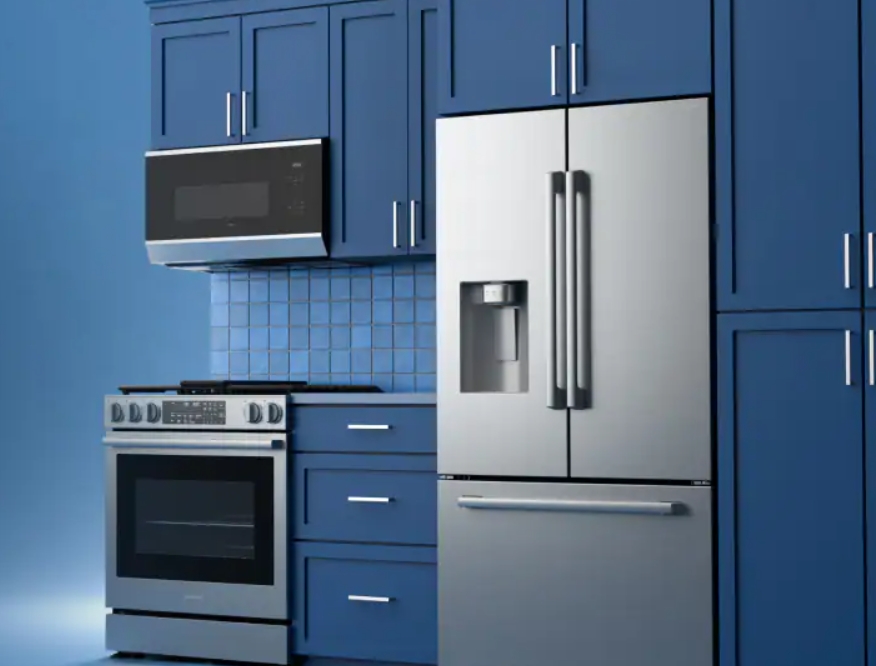
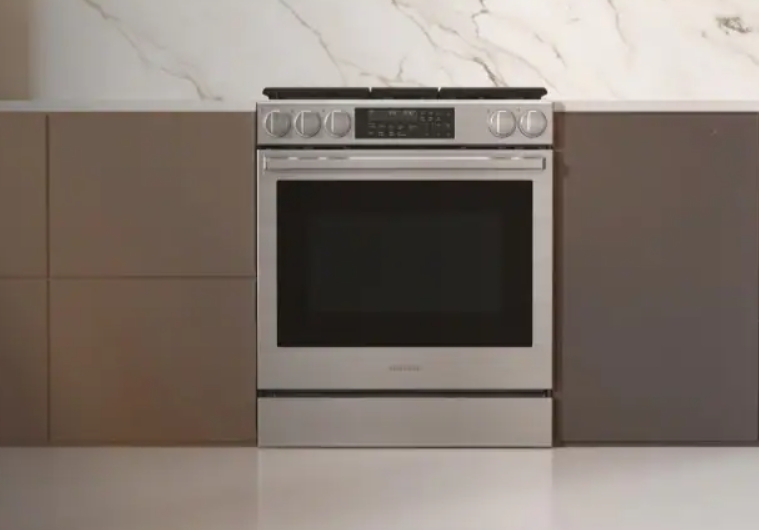
  • Samsung Bespoke AI: Bringing AI Vision into Kitchen

    Samsung Bespoke AI: Bringing AI Vision into Kitchen

    Samsung Bespoke AI
    Samsung Bespoke AI

    I. Product Overview

    This review focuses on the Samsung Bespoke AI Built-in Steam Oven (6/7 Series Single-Cavity Model NV7B6799AAK), a new product launched overseas on July 8th. Positioned as a high-end whole-house customized kitchen appliance, it features three core technologies: AI Pro Cooking visual recognition, dual-stage steam, and independent zone temperature control. It is the industry’s first built-in oven to receive UL AI certification…

    Core Hardware Parameters

    • Oven Capacity: 76L Large-Capacity Built-in Single-Cavity
    • Appearance: Handle-less, push-to-open automatic design; Matte Black / Stainless Steel / Beige multi-color Bespoke custom panel, compatible with all refrigerators and induction cooktops in the same series.
    • Control: 7-inch HD touchscreen + physical knob combined control.
    • Heat Source: Dual convection fans for full-area hot air, independent steam injection system.
    • Smart Connectivity: Wi-Fi full-link access to SmartThings, supporting remote control via mobile phone, food ingredient linkage, and health data synchronization.

    II. Appearance and Installation Experience: Minimalist and Integrated, Compatible with Custom Cabinets

    The biggest advantage of the Bespoke series is its modular custom appearance. The handle-less design allows the gap between the cabinet and the oven to be reduced to 4mm, perfectly matching modern minimalist and Italian light luxury kitchen designs.

    1. Automatic Door Opening Structure: The oven door opens smoothly with a light touch of the panel button, avoiding the need for a handle that could damage the overall aesthetics and ensuring thorough cleaning. Double-layered insulated glass keeps the exterior door cool to the touch even after prolonged use.
    2. Cavity Craftsmanship: Features a Samsung oil-resistant enamel inner liner, a removable and retractable grill rack, three-tiered storage, and a concealed heating element at the bottom for unobstructed cleaning. It also includes an independent steam water tank with an external pull-out design for adding steam during cooking without needing to open the door to cool it down.
    3. Embedded Fit: Standard 60cm cabinet opening size, single-cavity design with a slim profile and depth, allowing for easy renovation of existing cabinets without major alterations. The dual-cavity version offers independent 5.1 cuft capacity, suitable for larger families.

    III. Core AI Functionality Testing: AI Pro Cooking Vision System is the Biggest Highlight

    Samsung Bespoke AI Built-in Smart Oven
    Samsung Bespoke AI Built-in Smart Oven

    The most differentiating competitive advantage of this appliance is its top-mounted high-definition cavity camera equipped with the Sense Inside Food Recognition Algorithm, which is also the focus of this test.

    1. Automatic Ingredient Recognition (Sense Inside)

    Officially stated to recognize over 80 common ingredients, pre-cooked dishes, and baked goods. Real-world testing performance:

    • When whole chickens, salmon, steaks, cake bases, sweet potatoes, and other complete ingredients are placed centered and unobstructed, the recognition success rate is over 95%. The screen automatically displays the matching recipe, simultaneously recommending temperature, time, and steam level.
    • The AI-powered anti-scorching algorithm monitors the browning of ingredients in real time, sending a push notification to the phone when the food is nearing the burning point, automatically lowering the temperature or extending the steam retention time.
    • Weaknesses: Recognition accuracy decreases when baking multiple layers simultaneously or when dark-colored ingredients are obstructed by foil/baking trays. Stable recognition requires single-layer, centered placement.

    2. View Inside: Real-time Mobile Visualization

    After connecting to the SmartThings APP, your phone can stream the oven’s interior 24/7, supporting three practical scenarios:

    1. Remote Monitoring: No need to repeatedly open the door to cool down when simmering soup, baking bread, or air frying. Check doneness while working from home or out grocery shopping;
    2. Time-lapse Video: Automatically generates time-lapse videos of the entire baking or roasting process, easily shared to social media platforms;
    3. Remote Control: Directly adjust temperature, turn steam on/off, and set timers via your phone. Preheat the oven on your way home from get off work.

    3. Whole-House Smart Ecosystem Integration

    1. Integration with Bespoke AI Refrigerators: After the refrigerator’s camera identifies stored ingredients, push recipes to the oven with one click, automatically loading the cooking program;
    2. Samsung Health Synchronization: Reads user’s exercise and calorie goals, AI recommends low-fat steaming and baking programs, automatically combining air frying and pure steam modes;
    3. Whole-House Energy Monitoring: SmartThings Energy tracks oven power consumption in real time, automatically shutting off when idle to save energy.

    IV. Cooking Function Test: Zoned Steam + 23 Modes, Covering All Cooking Scenarios

    1. Dual Cook Flex Independent Temperature Control

    The cavity has a detachable partition, allowing one-button switching between two modes:

    • Whole Cavity Mode: 76L full-area hot air, suitable for whole turkeys, multi-layer baking, and large-scale party food preparation;
    • Dual Zone Independent Mode: The upper and lower cavities have separate temperature control; the upper element bakes chiffon cakes at 220℃, while the lower element performs low-temperature fermentation at 80℃, simultaneously completing two steps in dessert preparation without flavor mixing, significantly reducing food preparation time.

    2. Dual Cook Steam Three-Stage Steam System (Core Cooking Advantage)

    Unlike ordinary simple convection ovens, Samsung features an independent steam jet chamber with three steam modes to cover different food needs:

    1. Add Steam Humidification Baking: Intermittent steam spray for roasting meat and bread, resulting in a crispy crust and juicy interior. Testing showed that it locks in the juices of steak better than ordinary convection ovens.
    2. Full Steam: 100℃ high-temperature saturated steam for steaming fish, vegetables, and baby food, maximizing vitamin retention and resulting in a healthier, oil-free product.
    3. Steam-Assisted Fermentation: Stable temperature and humidity control prevents dough from drying out during fermentation, eliminating the need for an external fermentation box.

    3. Comprehensive Functionality

    Built-in 23 preset programs: air fry, low-temperature slow baking, dried fruit dehydration, pizza, yogurt, defrosting, high-temperature self-cleaning, etc., eliminating the need for manual parameter adjustments. The air fry mode, paired with a dedicated frying basket, produces fries and chicken wings with less oil and a crispier texture comparable to a standalone air fryer.

    V. Cleaning and Daily Use Experience

    1. Dual-Mode Self-Cleaning
    • Steam Quick Clean: 20 minutes of low-temperature steam softens grease, allowing for quick wiping after light daily baking.
    • High-Temperature Self-Cleaning: High-temperature carbonization of heavy grease stains; only the ash needs to be wiped away afterward, reducing the use of chemical cleaners.
    1. Consumable Maintenance: The steam tank is designed to prevent scale buildup and can be rinsed with water; the enamel coating on the cavity does not absorb grease, allowing for easy wiping with a damp cloth.
    2. Easy to Use: The 7-inch color screen displays intuitive graphic recipes, requiring no complicated learning for seniors; supports voice control with Samsung smart speakers for voice-activated preheating and timer functions.

    VI. Summary of Overall Advantages and Disadvantages

    Advantages

    1. Highly practical AI visual recognition, automatically matching recipes + anti-scorching warning, ensuring zero-failure cooking for beginners;
    2. Dual-technology steam cooking with separate zones, balancing crispy baking and healthy steaming, replacing an oven + steamer + air fryer;
    3. Bespoke custom appearance, handle-less integrated design, perfectly compatible with high-end cabinetry;
    4. Complete SmartThings ecosystem, seamlessly linking refrigerators, health devices, and whole-house energy management devices, with smooth and integrated smart logic;
    5. Dual convection hot air for even heating, large capacity suitable for large families and baking enthusiasts.

    Shortcomings

    1. AI food recognition has limitations; recognition is unstable with multi-layered or obscured food.
    2. The machine is positioned as a high-end product, resulting in a high price. Built-in installation requires a certain budget for cabinetry.
    3. The cavity camera is only located at the top, obstructing the view of the lower racks. It’s difficult to fully view the food on lower racks during multi-layered baking.
    4. The steam tank has limited capacity; water needs to be added midway through prolonged pure steaming.

    VII. Suitable Users and Purchase Recommendations

    1. Recommended Buyers
    • Homeowners with fully customized high-end kitchens who prioritize a unified look for their appliances;
    • Baking enthusiasts and those who frequently cook for family gatherings;
    • Users of a full set of Samsung Bespoke kitchen appliances (refrigerator, induction cooktop);
    • Working professionals who prioritize healthy, low-fat steaming and baking and don’t have time to constantly monitor the cooking process.
    1. Unsuitable Users
    • Small apartments without built-in cabinets and with limited budgets;
    • Low utilization of functionality due to limited heating and infrequent baking and steaming.

    VIII. Review Conclusion

    Samsung’s new Bespoke AI Built-in Oven goes beyond the superficial intelligence of traditional smart ovens that are “only remotely controlled.” It reconstructs the cooking logic through AI visual food recognition, coupled with zoned steam and a unified, customized design, fully fulfilling the core needs of a high-end smart kitchen. It’s more than just an oven; it’s a kitchen AI hub integrating food recognition, recipe recommendations, whole-house automation, and multi-functional steaming and baking. Among new smart kitchen hardware in 2026, it belongs to the top tier of flagship products in terms of overall experience. If your budget allows and you’re considering customizing your entire kitchen appliance system, it’s an excellent choice for a one-stop solution.

  • T-Chef TC-40EA: An AI Revolution

    T-Chef TC-40EA: An AI Revolution

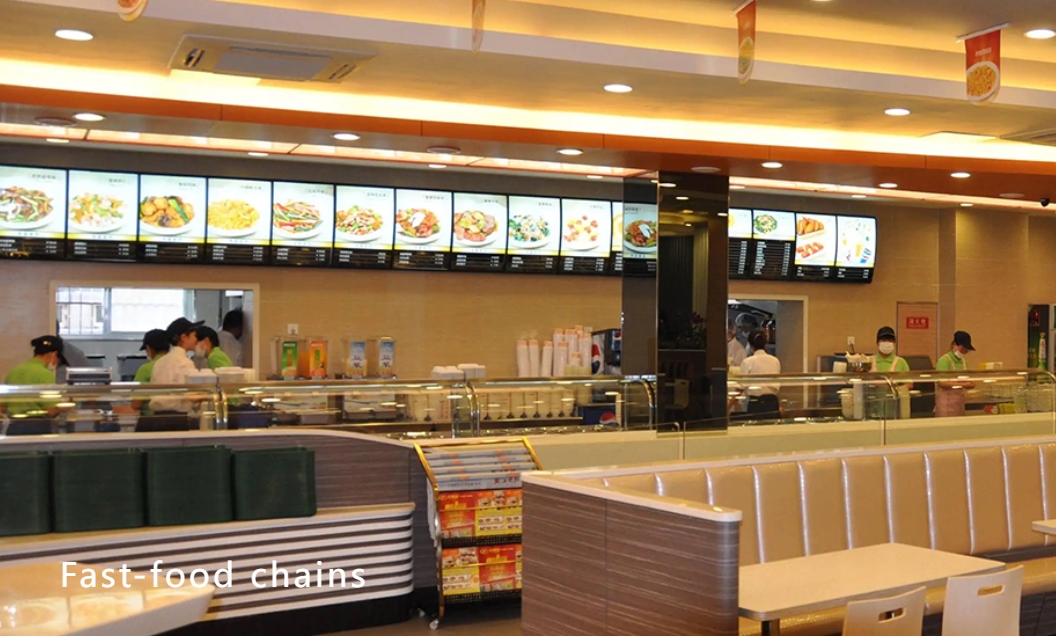
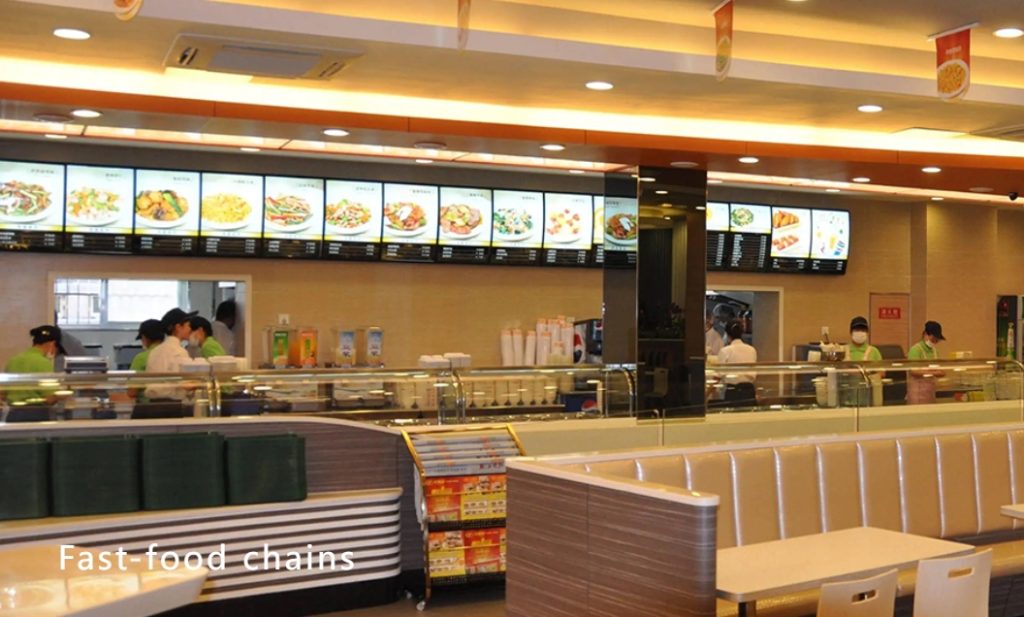
    In the kitchen of a Chinese restaurant in Manhattan, New York, a fully stainless steel intelligent device precisely stir-fries chili and pork, its heat control rivaling that of a seasoned Chinese chef. In the kitchen of a fast-food chain in Shanghai, the same equipment allows one employee to oversee two machines simultaneously, doubling food preparation efficiency during peak hours. This transformative device is the TC-40EA medium-sized intelligent cooking robot launched by T-Chef China—not only a microcosm of the intelligentization wave in China’s catering industry but also embodies the ambition of “standardizing Chinese cuisine for overseas markets,” carving out a niche in the global commercial kitchen equipment market.

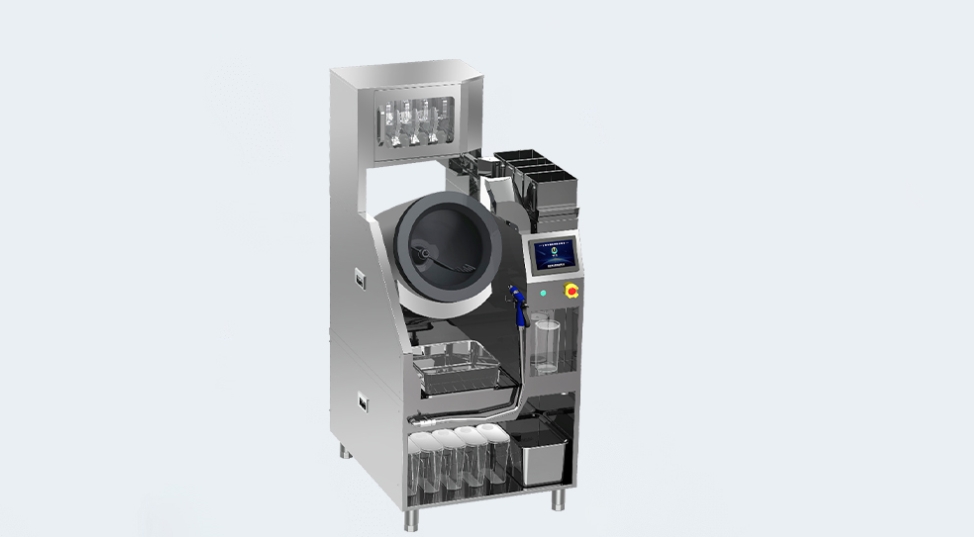
    TC-E40A Medium-sized Intelligent Cooking Robot
    TC-E40A Medium-sized Intelligent Cooking Robot

    Industry Boom: A Golden Track Driven by Pain Points

    The global catering industry is facing a profound efficiency crisis: continuously rising labor costs, a shortage of professional chefs, and difficulties in implementing standardized dishes. The emergence of intelligent cooking robots has become the key to solving this predicament.

    2025 has been dubbed the “Year Zero of Cooking Robots” by the industry. Currently, the industry is characterized by three types of players competing: specialized robot companies leveraging their vertical technological advantages; cross-industry technology and home appliance giants utilizing their supply chain and capital advantages; and catering and supply chain companies exploring new models through resource integration. The focus of competition has shifted from individual devices to integrated solutions encompassing “hardware + software + data + supply chain.”

    The combined forces of policy, demand, and technology have further fueled the industry’s growth. Taking Shanghai as an example, a related action plan released in November 2025 explicitly encourages catering companies to equip themselves with intelligent cooking robots. On the market side, the investment in an intelligent cooking robot can be recouped within 1-3 years through cost savings on labor, making it a core choice for catering companies to reduce costs and increase efficiency. On the technological side, the deep integration of AI and robotics technologies has led to increasingly mature functions such as high-precision temperature control and intelligent seasoning, driving the product’s leap from “automation” to “intelligence.” Of particular note is that intelligent cooking robots capable of Chinese stir-frying have become a unique and advantageous industry in China, and the demand for “Chinese cuisine going global” is continuously driving its expansion in overseas markets.

    Product Analysis: The TC-40EA’s “All-Round Midfielder” Positioning and Core Competitiveness

    T-Chef’s TC-40EA is precisely positioned for mid-sized commercial scenarios, falling between the smaller TC-20EA and the larger TC-300 series. It perfectly balances food preparation efficiency and space utilization, targeting core scenarios such as chain restaurants, group catering, and overseas Chinese restaurants, becoming an “all-rounder” for intelligent kitchen upgrades.

    Cooking Robot
    Cooking Robot

    From a core performance perspective, the TC-40EA’s competitiveness lies in three dimensions: “precision, efficiency, and convenience.” Its integrated IH electromagnetic heating technology boasts a thermal efficiency of over 90%, saving 30%-40% more energy compared to traditional gas heating. Stir-frying temperatures can reach 250℃, accurately replicating the “wok hei” (wok aroma) of Chinese cooking, with a taste comparable to that of a professional chef—a Chinese restaurant owner in New Zealand, after trying it, immediately ordered three units due to the authentic taste of his stir-fried pork with chili. In terms of automation, this equipment supports both manual and automatic modes, enabling fully automated feeding, seasoning, stir-frying, serving, and cleaning—all without human intervention. It can cook up to 4kg in a single batch, completing a Chinese dish in just 4-5 minutes. One machine can replace multiple chefs, significantly reducing labor costs.

    Intelligent features further enhance its competitiveness: the equipment has over 1000 built-in recipes and supports log recording for standardized management in chain stores; it features a color touchscreen with voice, light, and text prompts, allowing even inexperienced staff to operate it with simple training; it has multiple safety functions including pot temperature monitoring, overheat protection, and fault self-diagnosis; and its built-in water gun improves cleaning efficiency by 60%.

    For the North American market, T-Chef offers a customized version, the TC-40EA-US, which has obtained international authoritative certifications such as ETL, ETL Sanitation, FCC, and UL, complies with NSF/ANSI Std.4 requirements, and is compatible with the North American 208V/60Hz AC 3P+N voltage standard. More innovatively, this version introduces a “humanoid robot” design, equipped with a “smart eye” interaction module in its head. This module provides real-time feedback on cooking progress and equipment status, upgrading kitchen supervision from “passive experience-based reliance” to “proactive, visual control.”

    However, the TC-40EA is not without its flaws. Its 130kg weight and large size make it difficult to move, placing certain demands on the load-bearing capacity of the kitchen floor. The unit’s purchase price is in the mid-to-high range, creating initial financial pressure for small and medium-sized catering businesses. It still cannot completely replace experienced chefs when dealing with complex knife skills and personalized creative cooking scenarios. Furthermore, its automatic seasoning system has specific requirements for seasoning specifications and relies on standardized ingredient pre-processing, potentially increasing subsequent consumable and labor costs.

    Competitive Landscape: Differentiated Competition in the Mid-to-High-End Market

    The mid-sized commercial intelligent cooking robot market has entered a stage of fierce competition. The T-Chef TC-40EA faces dual challenges from both domestic and international brands. Its core competitors include the Utcook Chef G3 E, Aican H22, pcooker 5000P/E, as well as the flygood MS-C40 and SEMIKRON SK-40Pro.

    Compared to domestic competitors, the TC-40EA’s core advantages lie in its balanced performance and overseas adaptability. The Utcook Chef G3 E focuses on community and elderly care scenarios, offering higher temperature control accuracy, but its overseas presence is weaker. The Aican H22 boasts a recipe library of over 2000 recipes, adapting to central kitchens for takeout, but its ability to reproduce the smoky flavor of a hot pot is slightly inferior. The pcooker 5000P/E has a fast heating speed and flexible overseas adaptability, but it is noisier and more difficult to clean. The TC-40EA balances culinary taste, automation, and scenario adaptability, while the customized TC-40EA-US version gives it a differentiated advantage in overseas markets.

    Compared to overseas brands, the TC-40EA stands out with its cost-effectiveness and suitability for Chinese cooking. The German-backed Flygood MS-C40 boasts durability and supports both electromagnetic and gas dual-mode heating, but its price is relatively high and its level of intelligence is average. The Taiwanese brand Semikron SK-40Pro offers excellent value, but its after-sales service is unreliable. The T-Chef TC-40EA, positioned in the mid-to-high-end cost-effectiveness range, features a more complete AI algorithm and cloud platform ecosystem, and better understands the needs of Chinese cooking, especially in reproducing the “wok hei” (wok aroma) effect, outperforming most overseas competitors.

    Industry analysts point out that the core of current market competition has shifted from “parameter comparison” to “scenario adaptability and service empowerment.” T-Chef’s TC-XaaS service model breaks down professional kitchen capabilities into ready-to-use digital modules. Through the cloud, it enables recipe updates, equipment monitoring, and predictive maintenance. This “equipment + service” model has fostered strong customer loyalty among chain restaurants.

    Future Trends: From “Automation” to “Ecosystem,” Chinese Cuisine Goes Global as a New Blue Ocean

    With technological iteration and market maturity, the intelligent cooking robot industry is experiencing six major development trends, and Chinese companies like T-Chef are leveraging their first-mover advantage to attempt to dominate the global industry landscape.

    Firstly, technology is shifting from “experience replication” to “intelligent decision-making.” In the future, cooking robots will integrate AI big data models, IoT, and other technologies, possessing autonomous learning capabilities. They can dynamically adjust cooking parameters based on ingredient freshness and user taste preferences, achieving personalized cooking for each individual. T-Chef has assembled a team led by a PhD born in the 1990s to develop an “embodied intelligence brain for catering,” driving product upgrades from “replicating flavors” to “optimizing flavors.”

    Secondly, the market is expanding deeper into B2B and penetrating into B2C. In the short term, group catering, fast food, and chain restaurants will remain the core growth drivers in the B2B market; in the long term, equipment will upgrade towards miniaturization and lightweight design, gradually penetrating the home market. Overseas markets will become a new blue ocean, with intelligent cooking robots capable of Chinese stir-frying being packaged with pre-prepared dishes and compound seasonings, becoming the core carrier for the “standardization of Chinese cuisine going global.”

    Thirdly, industry standardization will continue to improve. The implementation of national standards in November 2026 will eliminate technologically outdated products and promote healthy competition within the industry; simultaneously, overseas compliance requirements will force companies to strengthen international certifications and improve the global adaptability of their products.

    Fourthly, the business model is shifting from “equipment sales” to “full-service empowerment.” The closed-loop ecosystem of “hardware + software + data + supply chain” will become mainstream, and service models such as TC-XaaS will help catering companies reduce operating costs and improve efficiency.

    Fifthly, human-machine collaboration will become the mainstream model in kitchens. Robots will handle repetitive, standardized cooking tasks, while chefs will shift towards creative work such as menu development and digitalization of processes, reshaping the talent division of the catering industry.

    Sixth, green energy conservation will become a core competitive advantage. With the advancement of the “dual-carbon” policy, technologies such as electromagnetic heating and waste heat recovery will become widespread, making equipment energy consumption and environmental performance crucial competitive advantages for businesses.

    Conclusion

    The rise of T-Chef TC-40EA not only reflects the rapid development of China’s intelligent cooking robot industry but also demonstrates the breakthrough capabilities of “Made in China” in the commercial equipment sector. With its balanced performance, comprehensive service ecosystem, and precise scenario positioning, TC-40EA has already secured a place in domestic and international markets, and its global expansion is driving Chinese culinary culture and Chinese intelligent manufacturing technology onto the world stage.

    However, challenges remain: the cost barriers for small and medium-sized catering enterprises, the technical limitations of complex cooking scenarios, and localization adaptation for overseas markets are all hurdles that Chinese companies like T-Chef need to overcome. However, it is certain that with the continuous iteration of technology and the constant innovation of business models, intelligent cooking robots will gradually become the “infrastructure” of the catering industry, and Chinese companies are expected to occupy a leading position in this kitchen revolution.

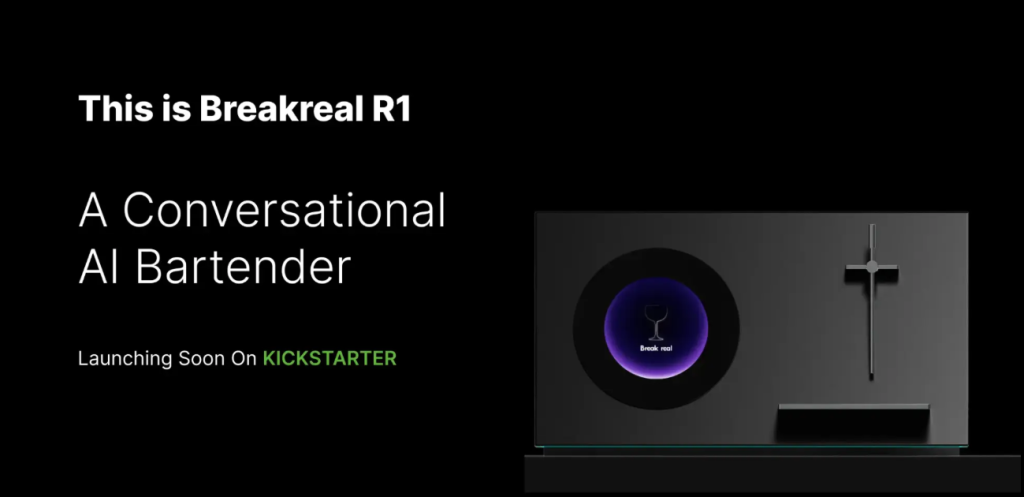
  • BreakReal R1 AI Cocktail Machine

    BreakReal R1 AI Cocktail Machine

    As home entertainment continues to evolve, “drinking at home” is transforming from a simple way to relax into a lifestyle ritual that prioritizes quality and convenience. However, recreating professional cocktails at home always faces a dilemma: either invest hundreds of dollars in base spirits and ingredients, only to waste money due to a lack of professional mixing knowledge; or compromise on taste by opting for premixed drinks. Against this backdrop, the BreakReal R1, touted as the “world’s first AI-powered cocktail machine with natural language interaction,” has been officially released.

    Unlike mainstream automatic cocktail machines on the market, the BreakReal R1’s core selling point is “AI understanding flavor,” rather than simply executing fixed pouring instructions. Its early bird crowdfunding price of $999, 23% lower than the projected retail price, aims to carve out new growth opportunities in the high-end smart home market.

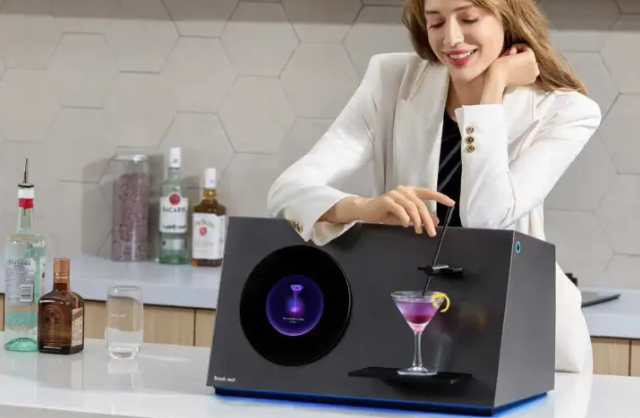
    Breakreal R1
    Breakreal R1

    Core Breakthrough: From “Following Recipes” to “Understanding Flavor Needs”

    Currently available automatic cocktail machines, such as Bartesian and Somabar, employ a “capsule-style” or “fixed menu” operating logic—users select preset cocktail categories on the device’s screen, and the machine dispenses liquid in fixed proportions, severely lacking flexibility and personalization.

    The BreakReal R1’s differentiated advantage lies in its deep integration of AI technology with food flavor science, achieving a leap from “executing instructions” to “understanding needs.” Its core technology comprises two main components: Natural Language Processing (NLP) and an AI flavor vector system.

    According to official disclosures, this device abandons traditional physical menus. Users don’t need to memorize complex recipes; they simply describe their needs using natural language. For example, “I want a light and refreshing drink for a gathering with friends,” or “I want a non-alcoholic, slightly acidic specialty cocktail.” The device’s conversational AI engine analyzes the scenario, emotions, and taste preferences, translating them into precise mixing parameters.

    Even more competitive is its AI flavor vector system—considered the product’s technological moat. Unlike traditional “recipe-driven” devices, the R1 digitizes core dimensions such as sweetness, acidity, alcohol content, aroma, and mouthfeel, forming a quantifiable “flavor vector.” This means that even for the same “sweet and sour” taste, the system can fine-tune the ratio of syrup and juice based on the user’s historical feedback data, achieving a “personalized taste for everyone.” Simultaneously, based on over 500 built-in classic recipes, AI can generate uniquely crafted blends not found in the market through combinations of 8-10 ingredients, precisely catering to the needs of seasoned drinkers.

    Hardware Testing: “Professional-Grade Precision” for Desktop Devices

    For entry-level smart devices, hardware precision, hygiene, and stability are key to product competitiveness. The BreakReal R1 targets the market as a “desktop precision cocktail lab” in its hardware configuration.

    In terms of mixing precision, the device employs a high-precision fluid control system of ±0.1ml—a level of precision comparable to professional semi-automatic coffee machines. Industry insiders say that even a 1ml error in bartending can disrupt the balance of the drink, especially when using ingredients like bitters and high-concentration syrups. Precise proportions are crucial for ensuring the perfect taste.

    Regarding ingredient storage, the R1 supports 8-10 ingredients simultaneously, including spirits, syrups, juices, and soft drinks, covering over 90% of common cocktail bases and meeting the diverse needs of home users. Addressing common pain points of automatic bartenders such as “pipeline residue” and “difficult cleaning,” the device features a built-in electrolyzed water self-cleaning system that automatically cleans the pipes during or after mixing, reducing bacterial growth caused by sugar residue. It also includes a refrigeration module to ensure the freshness of perishable ingredients like juices, which is especially important in non-alcoholic beverage preparation.

    In terms of portability and efficiency, the R1 is about the size of an A3 sheet of paper and weighs 15kg—not exactly lightweight, but within a reasonable range for desktop devices. Its weight ensures stability during operation and also allows for vehicle transport, making it suitable for outdoor scenarios such as camping. With a dispensing speed of 20-40 seconds per cup, it avoids waiting in line during family gatherings and basically meets the needs of moderately paced social drinking. In terms of interaction, the device supports three modes: touch control, voice control, and mobile app control, balancing privacy and remote operation needs.

    Price and Value: What Makes the Crowdfunding Price Competitive?

    According to BreakReal’s official pricing strategy, the R1 is expected to retail for $1,299, with a Kickstarter early bird price of $999, a 23% discount. Compared to similar products on the market, its pricing is in the high-end range, but its cost-effectiveness is significant.

    Currently, similar products from Bartesian are priced around $300-$400, but require continuous purchase of dedicated capsules, resulting in higher costs per cup, and the flavor is fixed; Somabar is priced around $600-$800, mainly targeting business settings or high-end families, and is more difficult to operate; while entry-level professional semi-automatic coffee machines typically cost over $1,000.

    From a long-term use value perspective, the crowdfunding price of $999 is quite competitive. Based on industry averages, the average price of a cocktail at a bar is about $15, while the cost of mixing a single cocktail at home using the R1 (base spirit + ingredients) is only $3-$5. For frequent drinkers, after 80-100 drinks, the price difference of the machine itself can be offset by the savings on bar spending, making it a high-value product in the long run.

    Bringing the Bar Home
    Bringing the Bar Home

    Risk Warning: These issues need to be considered in advance

    Although the specifications and positioning of the BreakReal R1 are impressive, investors and consumers should still pay attention to four potential risks before participating in the crowdfunding:

    First, the convenience of refilling ingredients. The device needs to be able to carry 8-10 kinds of ingredients simultaneously. Although it supports common bottled spirits on the market, it is necessary to confirm whether the interface is compatible with commonly used brands, or whether it is necessary to purchase official refill packs—this will directly affect long-term usage costs. It is recommended to pay attention to the detailed explanation of ingredient compatibility on the crowdfunding page.

    Second, the depth of cleaning and maintenance. Although equipped with an electrolyzed water self-cleaning system, after prolonged use with syrups and juices, deep manual cleaning may still be necessary deep within the pipes. Consumers should assess whether they are willing to bear the cost of regular disassembly and maintenance.

    Thirdly, noise level. The device contains a pump and a refrigeration compressor. Whether the operating noise is within an acceptable range in a quiet home environment is currently unknown; the official decibel data has not yet been released. It is recommended to pay attention to subsequent real-world testing and reviews.

    Fourthly, inherent risks of crowdfunding. As a project about to launch on Kickstarter, even with a strong team, there may still be issues such as shipping delays and discrepancies between the mass-produced version and advertised specifications. Consumers who urgently need the device should weigh the waiting costs.

    Conclusion: Who should buy this AI cocktail machine?

    The core value of the BreakReal R1 lies in redefining the home cocktail-making scenario with AI technology, liberating “flavor” from fixed recipes, and balancing professionalism and convenience. The early bird crowdfunding price of $999 creates a differentiated competitive advantage in the high-end smart home market, but its target audience is not all consumers.

    The target audience for this device includes: tech enthusiasts and early adopters who are keen to experience the latest AI hardware and are interested in natural language interaction technology; partygoers who frequently entertain friends at home and want to provide professional-grade drinks but don’t want to spend time learning bartending; camping enthusiasts with car power outlets who want to enhance their outdoor drinking experience; and frequent bar patrons who seek better taste than premixed cocktails while saving money by reducing the cost per drink.

    However, for consumers who simply want low-cost drinking, are extremely fastidious and dislike hassle, or have extremely limited space, this device is not the optimal choice—direct drinking, DIY, or small, simple bartending tools may be more suitable.

    Overall, the BreakReal R1 attempts to fill the market gap between “professional bartending” and “home convenience.” Its AI flavor vector system and natural language interaction capabilities are expected to become a new growth point for the home-based cocktail economy. For consumers who recognize its technological value and have a long-term need for home bartending, this Kickstarter early bird crowdfunding campaign may be the best time to secure a high-value product.