Category: AI in Healthcare

AI-powered health hardware refers to consumer-grade terminal devices that are driven by AI algorithms and integrate multimodal sensing, edge computing, and data closed-loop capabilities to achieve proactive health management, personalized intervention, and intelligent early warning. It differs from traditional health devices in that it upgrades from “passive recording” to “proactive analysis, decision-making, and service.”

  • Sandbar Stream Ring: A “Second Brain” at Your Fingertips

    Sandbar Stream Ring: A “Second Brain” at Your Fingertips

    In the competitive landscape of wearable technology, ring-shaped devices are hardly a novelty. However, by seamlessly integrating AI-powered audio recording with “frictionless interaction” technology into a single ring, the Stream Ring—launched by the Sandbar team—has nonetheless created a significant stir in the market. Recently, Sandbar officially announced the completion of a $23 million Series A funding round; meanwhile, this flagship product—which has yet to officially begin shipping—has already sparked a pre-order frenzy among consumers.

    Is this device merely a fleeting novelty gadget, or is it a genuine productivity tool capable of truly enhancing user efficiency? Drawing upon technical details officially disclosed by Sandbar, the team’s background, and current market trends, this article offers an in-depth analysis. Our aim is to provide potential buyers with an objective and comprehensive purchasing guide, helping them clearly assess the product’s core value before making a purchase decision.
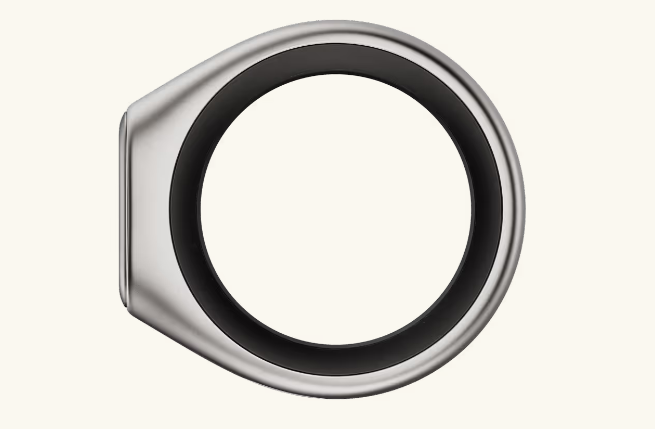
    Sandbar Stream Ring
    Sandbar Stream Ring

    Technical DNA: A Top-Tier Team Establishes Core Competitiveness

    When evaluating the potential ceiling of a hardware product, the technical team and R&D DNA behind it are often the decisive factors. Sandbar’s two co-founders, Mina Fahmi and Kirak Hong, are both seasoned veterans in the field of human-computer interaction (HCI). Both previously held key positions at CTRL-labs—a company that focused on enabling direct interaction between the human brain and digital devices via electromyography (EMG) technology—and which held a pivotal status within the industry.

    In 2019, Meta (formerly Facebook) acquired CTRL-labs for approximately $1 billion, aiming to establish a foundational interaction framework for its future AR/VR devices. Following the acquisition, Mina Fahmi joined Meta, where she was deeply involved in the R&D of cutting-edge interaction technologies. In a sense, the birth of the Stream Ring represents a “real-world application” of this elite HCI technology—a strategic shift from the abstract to the tangible. Rather than pursuing complex brain-computer interface technologies, the team focused its R&D efforts on a simple yet high-frequency use case: how to quickly capture fleeting moments of inspiration without interrupting one’s train of thought.

    The Core Pain Point: Why Do We Need a “Recording Ring”?

    In an era where smartphones already offer an abundance of processing power and features—often bordering on “overkill”—the necessity of purchasing a separate, dedicated audio recording device remains a lingering question in the minds of many. The core insight behind the Stream Ring precisely addresses a critical shortcoming of smartphones in the context of capturing inspiration: the more powerful a phone becomes, the higher the “friction cost” associated with recording spontaneous ideas.

    When a brilliant idea suddenly strikes, a user must pull out their phone, unlock the screen, locate a voice recording app, and tap the record button—a sequence of actions that often takes upwards of ten seconds. Yet, for fleeting moments of inspiration, this brief interruption—mere seconds long—is often enough to completely derail a train of thought.

    The Stream Ring’s solution lies in the radical simplification of this operational workflow: designed specifically for the index finger, the device allows users to simply lift their hand, press and hold the touch panel on the ring, and begin speaking to record immediately. Rather than striving for comprehensive functionality, the product focuses exclusively on “voice memos”—a high-frequency, essential use case. This “lift-and-record” design aims to integrate the act of recording seamlessly into one’s natural body language, making the capture of inspiration as effortless as breathing, and thereby fundamentally resolving the problem of interrupted creative flow.
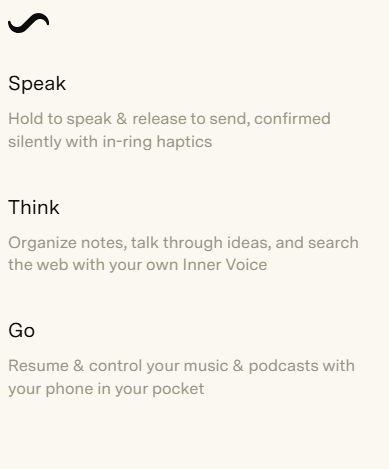
    Core Features of Sandbar Stream Ring
    Core Features of Sandbar Stream Ring

    Privacy and Security: A Physical Switch Fortifies the Privacy Barrier

    In an era where AI-powered hardware is frequently plagued by “privacy anxiety,” the Stream Ring’s approach to microphone permission management stands out as particularly commendable. While many smart speakers and headphones currently face controversy over their “always-on listening” capabilities, the Stream Ring adopts a core strategy of “default-off,” thereby eliminating the risk of privacy breaches at the hardware level.

    Specifically, the Stream Ring’s microphone remains completely inactive when the device is idle; it only activates and begins recording when the user physically presses the touch panel. Official data indicates that the device can capture audio information with exceptional clarity, even in noisy environments or when the user speaks in a hushed whisper. This “press-to-record, release-to-stop” physical activation mechanism fundamentally prevents the device from inadvertently eavesdropping on users’ daily conversations—an undeniable key selling point for privacy-conscious business professionals and individuals working in sensitive industries.
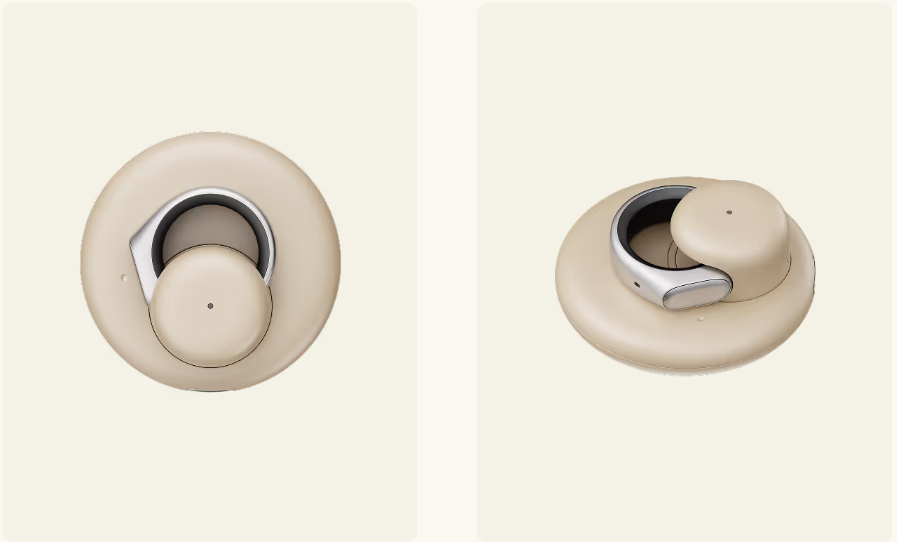
    Sandbar Stream Ring Charging station
    Sandbar Stream Ring Charging station

    AI Capabilities: More Than Just Recording—A “Second Brain”

    Were it merely equipped with a recording function, the Stream Ring might be nothing more than an expensive, portable voice recorder. Its true core competency lies in the AI ​​processing capabilities embedded within its accompanying applications—once a recording concludes, the system automatically executes a series of efficient processing tasks, transforming raw audio into immediately usable, structured information.

    Specifically, its AI functionality encompasses three core stages: First, high-precision speech-to-text conversion, ensuring the accuracy of transcribed content; second, content organization, utilizing AI algorithms to logically structure and summarize unstructured audio, thereby distilling key insights; and third, action conversion, automatically extracting actionable items from spoken conversations to create a closed loop extending from “recording” to “execution.”

    Of particular note is Sandbar’s plan to optimize and launch a “Inner Voice” feature during the closed beta testing phase, prior to the product’s general release. This feature is not designed to create an AI companion with an independent personality (as depicted in the movie Her); rather, it enables the AI ​​to learn and mimic the user’s own tone of voice when providing feedback. This design philosophy emphasizes “self-extension” rather than “external companionship,” aiming to use AI to expand the boundaries of human memory and foster an experience akin to “conversing with one’s past self”—helping users retrace their steps and organize their thoughts, rather than allowing the AI ​​to supplant human cognition.

    A more intuitive operational logic: (Private Voice Ring; Notes: Capture thoughts anytime, anywhere simply by speaking softly; Conversations: Press and hold to speak, tap to interrupt; Music: Resume and control playback via gestures.)

    Price and Cost Analysis: Starting at $249—Is It Worth Buying?

    For potential consumers, cost is an unavoidable and central consideration. The Stream Ring employs a “hardware + subscription” business model with a pricing strategy that is both clear and targeted, outlined as follows: The hardware retails starting at $249, while the subscription fee for AI services is $10 per month. Based on the product’s positioning and feature set, we offer an analysis of its purchasing value from two distinct perspectives:

    In terms of the hardware premium, a price point of $249 (approximately 1,800 RMB) places this ring-shaped wearable device squarely in the mid-to-high-end segment. However, when taking into account its built-in high-precision microphone array, touch-interactive module, and the R&D investment from the top-tier team behind it, this price remains entirely reasonable within the landscape of comparable smart wearables and does not appear to be excessively inflated. In terms of subscription costs, the monthly $10 fee for AI services constitutes a recurring long-term expense. For users who heavily rely on speech-to-text and AI summarization features, this outlay breaks down to just $0.33 per day—a reasonable investment for boosting productivity. However, if a user only requires basic recording capabilities, they should verify in advance whether the product offers a “Basic Mode” that does not require a subscription.

    It is worth noting that the Stream platform offers a free tier that allows users to record an unlimited number of notes. Pre-order customers receive a complimentary three-month subscription to Stream Pro (a premium tier offering benefits such as unlimited conversation recording and early access to new features); should pre-order customers choose to continue their subscription after this initial period, the price remains $10 per month.

    Summary and Purchase Recommendations

    To be clear, the Sandbar Stream Ring does not aim to replace the smartphone; rather, it seeks to bridge the experiential gap that smartphones leave in scenarios requiring the “instant capture of fleeting inspiration.” It does not strive for comprehensive functionality across the board, but instead excels in a single, specific use case—and therein lies its core value.

    Based on the product’s features, we recommend it to the following four groups of people:

    • Creative Professionals: Including writers, designers, planners, and others who need to capture fleeting moments of inspiration at any time; the Stream Ring’s “frictionless recording” design minimizes interruptions to one’s train of thought.
    • Efficiency Enthusiasts: Users who dislike the cumbersome process of pulling out a phone and unlocking apps, prefer using voice commands to quickly record memos, and wish to minimize disruptions to their “flow state.”
    • Privacy-Conscious Users: Individuals concerned about smart devices engaging in round-the-clock listening, who prefer controlling their microphone via a physical switch, and who prioritize the protection of their personal privacy.
    • Early Adopters: Users interested in next-generation human-computer interaction technologies—developed by a core team formerly at Meta—who are eager to experiment with cutting-edge smart hardware.

    Conversely, we advise two specific groups to exercise caution: those who are more accustomed to using their smartphone’s built-in voice assistant and do not require immediate, on-the-spot recording capabilities; and those who are sensitive to the $10 monthly subscription fee. We recommend that these users wait until the product officially ships this summer, consult reviews from the first wave of actual users—paying particular attention to the real-world performance of the “Inner Voice” feature and the device’s battery life—before making a purchase decision. Essentially, the Stream Ring seeks to construct a simpler, more efficient bridge between the digital world and the human mind. If it can deliver on its core promise of “seamless recording” as anticipated, then that $249 may well prove to be the most cost-effective premium users ever pay for “freedom of thought.”
  • Sleepal AI Sleep Light: Contactless Sleep Tracking

    Sleepal AI Sleep Light: Contactless Sleep Tracking

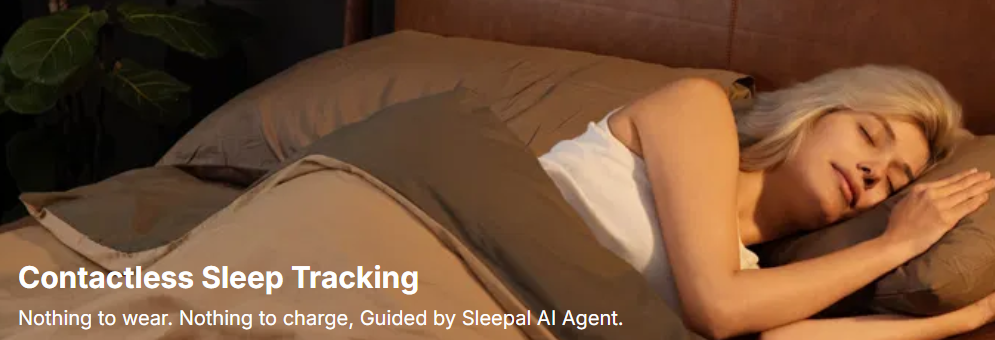
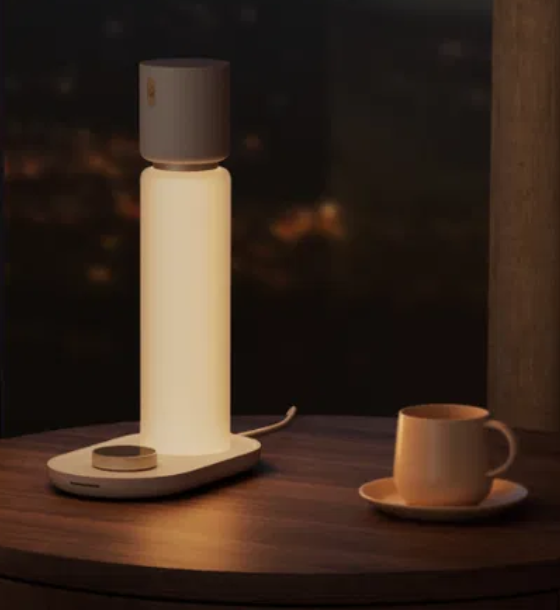
    Sleepal Seamless AI Sleep Light
    Sleepal Seamless AI Sleep Light

    Foreword: The “Paradox” of Sleep Monitoring

    Do you also have this problem: in order to understand your sleep quality, you have to wear a smart bracelet or sleep ring? But the feeling of a foreign object on your wrist, the anxiety of charging, and even the pressure from the device itself make you sleep less soundly.

    This is the long-standing pain point of the sleep monitoring industry: “Disrupting sleep in order to monitor sleep.”

    made a bold statement with Sleepal, a consumer brand under Gewu Technology that he founded : it claims that it can completely get rid of wearable devices and can actively intervene in sleep like a personal doctor.

    After a 14-day intensive testing period , we will conduct an in-depth analysis of the Sleepal AI Sleep Lamp from three dimensions: core monitoring technology, AI accuracy, and actual sleep aid effect .

    I. Core Experience: Can it really be “unnoticeable”?

    Sleepal’s biggest selling point is its non-contact monitoring.

    Traditional method: requires close contact with the skin, using photoelectric sensors to guess your heartbeat.

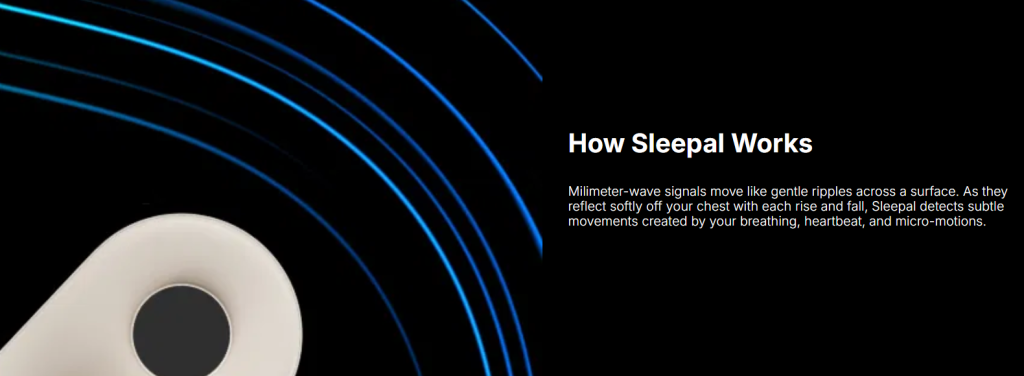
    Sleepal incorporates a 60GHz millimeter-wave radar , similar to a bat’s echolocation or ripples on the water’s surface. Sleepal emits tiny, invisible signals that cover your body’s surface. When you breathe, the subtle rise and fall of your chest and abdomen, the vibrations of your heartbeat, and even the movement of turning over all alter the reflection of these signals.

    Sleepal AI Sleep Light-Your Health
    Sleepal AI Sleep Light-Your Health

    You simply need to place it on your bedside table; no wearing of any device is required. It can accurately identify whether you are in light sleep, deep sleep, or dreaming (REM stage), and can even monitor snoring and whether you have left the bed.

    If you are extremely averse to the feeling of a foreign object while sleeping, or if you have sensitive skin and cannot wear the device, this one reason is enough to make you buy it.

    II. Data accuracy: Is it “guessing” or “calculating”?

    Many non-wearable devices are criticized for being “inaccurate,” so how does Sleepal address this issue?

    1. Medical-grade “brain”

    Sleepal’s algorithm wasn’t something engineers came up with on a whim in an office; it was something they “graduated” from after “going to school.”

    Data Accumulation: Its AI model has learned from over 2,000 clinical polysomnography (PSG) data. PSG is the gold standard for diagnosing sleep disorders in hospitals. Ordinary sleep lamps are like “guessing” whether you’re asleep or not, while Sleepal is like an “old doctor” who has reviewed thousands of real medical records, knowing what true deep sleep and light sleep signals look like.

    Accuracy performance: In respiratory rate monitoring, its error is extremely small (RMSE < 2), which means that its accuracy is comparable to top-of-the-line medical-grade wearable devices.

    2. Proactive intervention, not just recording.

    Most devices only tell you “didn’t sleep well last night,” which only increases your anxiety. Sleepal’s core competitiveness lies in its ability to “get things done.”

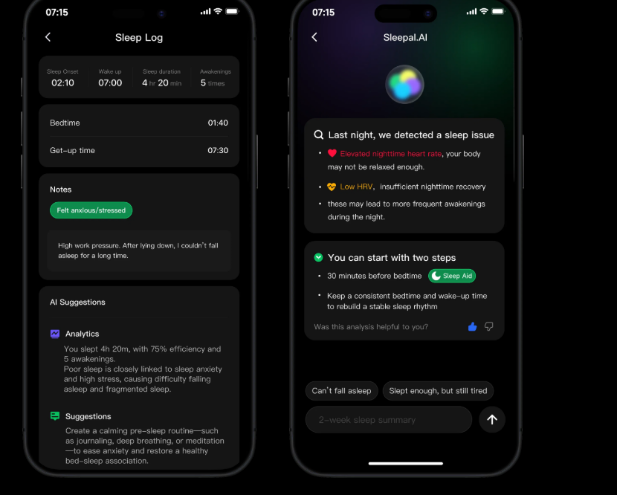
    When having trouble falling asleep: When the AI detects that you are tossing and turning and can’t sleep, it will automatically activate the sleep aid mode. The lights will gradually dim like breathing, while playing white noise or meditative soundscapes to guide your breathing. Once it detects that the user has fallen asleep, the sound and lights will automatically fade out and turn off.

    Sleepal-Contactless Sleep Tracking
    Sleepal-Contactless Sleep Tracking

    III. Intelligent Interconnection: It is a lamp, and also a smart home manager.

    Sleepal’s ambitions extend beyond lighting; it aims to become the “spatial intelligence hub” of the bedroom.

    1. An alarm clock that understands you

    Morning wake-up: It won’t startle you with a jarring sound. The system captures moments when you’re in light sleep and simulates the gradual brightening of sunlight to naturally awaken your brain.

    Night mode: When you get out of bed in the middle of the night, the light will turn on at a very low brightness, which is enough to see the way but will not be too bright and wake you up completely.

    2. Connect the entire bedroom

    This is Sleepal’s most hardcore feature. It supports Apple HomeKit and Home Assistant.

    Example scenarios: When Sleepal detects that you have entered a deep sleep, it can automatically raise the air conditioner by 1 degree (to prevent you from getting cold in the middle of the night); when it detects that you are awake in the morning, it can drive the electric curtains to open slowly.

    Value: Transforming the bedroom from a “passive dwelling” into an ecosystem of “active service”.

    IV. Buying Guide: Who is the best fit to buy this?

    ✅ Highly recommended for:

    1. People with sleep sensitivity: Those who cannot tolerate the pressure of bracelets and rings and pursue the ultimate feeling of being impervious.
    2. People who have difficulty falling asleep: those who need light and sound assistance and want the device to turn off automatically.
    3. Smart home enthusiasts: Geeks who already have HomeKit or smart air conditioners/curtains at home and want to create automated sleep scenarios.
    4. Those who focus on health data: Users who want near-medical-grade accuracy data for long-term health management.

    ❌ Not recommended for the following groups:

    1. For mobile monitors: This product is primarily for monitoring bedridden status. If you need to monitor daytime naps or sleep while traveling, wearable devices offer greater flexibility.
    2. For those with limited budgets: As a high-end device with medical-grade algorithms and radar hardware, its cost is destined to be prohibitively high.

    V. Price and Summary

    The Sleepal Unobtrusive AI Sleep Lamp is more than just a lamp; it’s one of the few sleep terminals on the market that truly addresses the pain point of “wearing interference” and possesses proactive intervention capabilities. It encapsulates complex radar technology and clinical AI models into a simple bedside device.

    Working principle-Sleepal Light
    Working principle-Sleepal Light

    If you’re looking for a “burden-free, high-precision, and interactive” sleep solution, Sleepal is currently a flagship option worth investing in. It truly integrates technology into your life, leaving only comfort and no burden.

  • Q.Reverse AI Anti-Snoring Devices: Technology Empowers Sleep

    Q.Reverse AI Anti-Snoring Devices: Technology Empowers Sleep

    Foreword: When Snoring Meets Artificial Intelligence

    Snoring is not just a noise problem that affects a partner’s sleep; it can also be a sign of obstructive sleep apnea. Traditional anti-snoring solutions , such as anti-snoring pillows, orthodontic appliances, or CPAP machines, often suffer from drawbacks such as low comfort, high invasiveness, or high cost.

    With the development of AI technology and the rapid maturation of IoT, AI-powered anti-snoring devices, represented by Q.Reverse, have begun to enter the public eye .

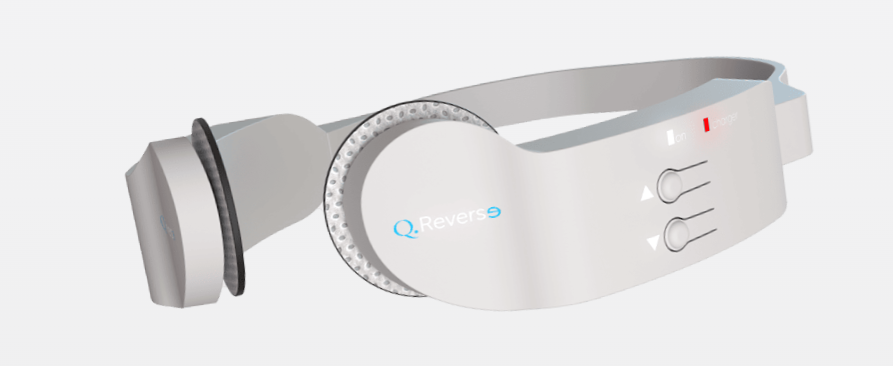
    Q.Reverse AI Anti-Snoring Device
    Q.Reverse AI Anti-Snoring Device

    Q.Reverse claims to achieve “seamless intervention” through artificial intelligence algorithms. This article will provide an in-depth analysis of the technical logic, actual experience, and target audience of the Q.Reverse AI anti-snoring device, aiming to provide consumers troubled by snoring with an objective and rigorous purchasing guide.

    Important Note: This article analyzes the general technical principles and publicly available product characteristics of this type of AI anti-snoring device. Specific parameters (such as battery life, sensor accuracy, etc.) may change with product iterations; please refer to the latest official specifications before purchasing. If you suspect you have moderate to severe sleep apnea syndrome, please consult a doctor first.

    I. Core Principle Analysis: What exactly does Q.Reverse’s “AI” do?

    Many consumers are skeptical of “AI anti-snoring,” believing it to be just a simple voice-activated switch. To evaluate the value of Q.Reverse, it’s essential to first understand its working loop.

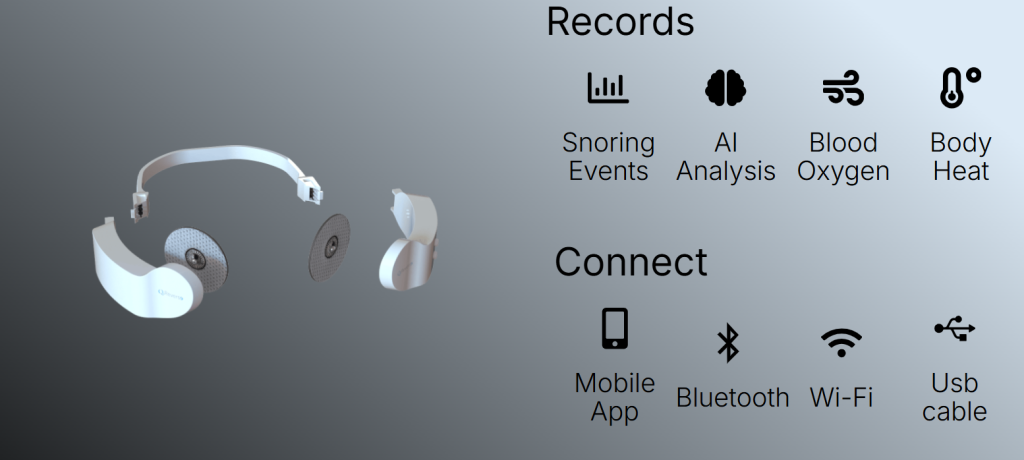
    Q.Reverse AI Anti-Snoring Devices-Data interconnection
    Q.Reverse AI Anti-Snoring Devices-Data interconnection

    1. Sound Recognition and Waveform Analysis

    The core of the Q.Reverse device lies in its built-in microphone array and audio processing chip.

    Traditional equipment only detects volume in decibels, which can easily misinterpret ambient noise (such as the sound of air conditioning or a partner turning over) as snoring.

    Q.Reverse Solution: This solution uses AI algorithms to extract features from the sound waveform. It can distinguish the unique frequencies and rhythms of snoring and filter out background noise. This is crucial in determining whether the device will be “falsely triggered.”

    2. Intervention Mechanism: Physical Perturbation

    Once snoring is detected, the device will not emit a sound to cover it (which would wake the user), but will instead physically change the sleeping posture or airway status.

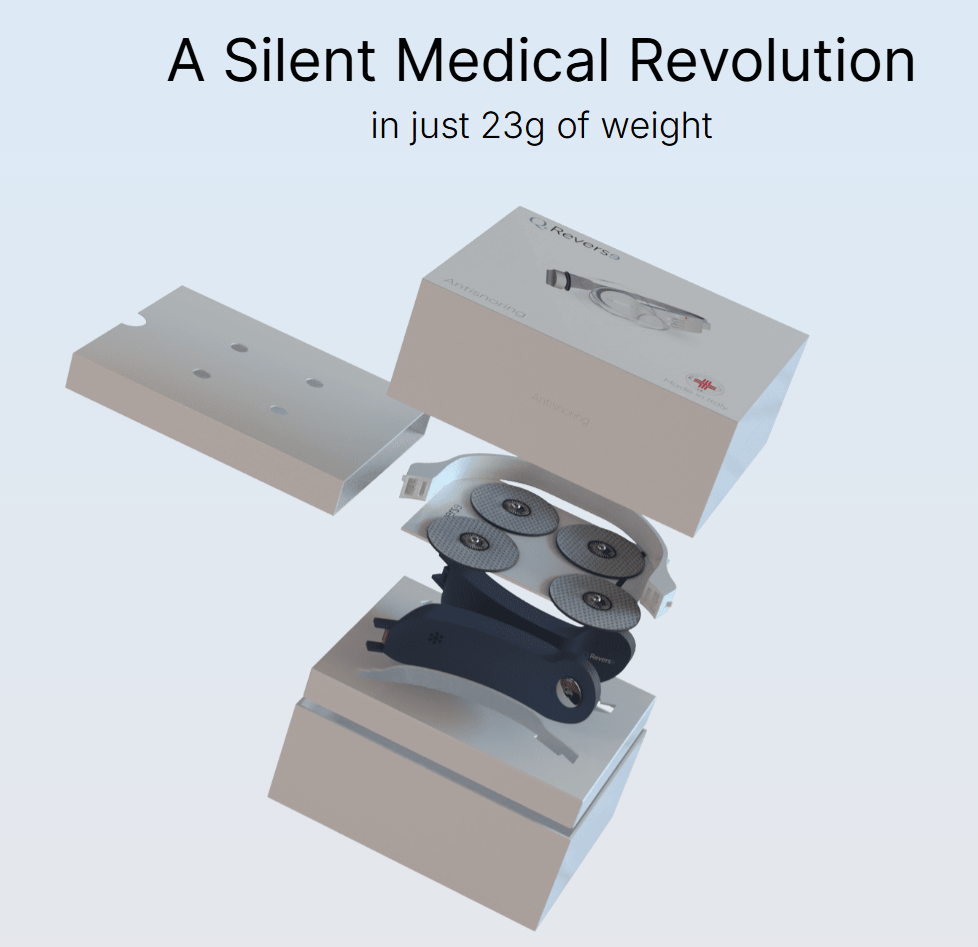
    The QReverse anti-snoring system uses smart sensors to detect snoring events in real time and employs algorithms to distinguish snoring from other nighttime noises. When genuine snoring is detected, it emits gentle infrasonic pulses designed to stimulate muscles that help maintain proper tongue position and keep the upper airway open. Once the event is resolved, the stimulation immediately stops, and the device returns to standby mode.

    Common methods: Wristband devices typically remind users to turn over through subtle vibrations; bedside devices may do so by adjusting the pillow angle or releasing a gentle airflow.

    Q.Reverse’s logic: It focuses on non-invasive micro-intervention. Its purpose is to prompt users to adjust their sleeping position while they are not fully awake, thereby opening their airways and stopping snoring.

    3. Data closed loop

    The device syncs the number of snoring sounds, interventions, and sleep quality scores each night to a mobile app. Long-term data trends are more valuable than single-night data, helping users understand the impact of lifestyle habits (such as alcohol consumption and fatigue) on snoring.

    II. In-depth Experience Dimension Analysis

    When choosing Q.Reverse or similar products , it is recommended to consider the following four dimensions:

    1. Wearing comfort

    Pain point: Many anti-snoring rings are too heavy or the strap material is not skin-friendly, causing users to give up using them due to discomfort.

    Q.Reverse Features: Lightweight design, made of skin-friendly silicone.

    Purchase recommendations: Confirm the weight of the device (recommended <30g) and the breathability of the strap. If it is a bedside device, consider whether its operating noise is below 30 decibels to avoid the device itself becoming a noise source.

    Q.Reverse-A Silent Medical Revolution
    Q.Reverse-A Silent Medical Revolution

    2. Recognition accuracy

    Pain points: High false alarm rate; the device keeps vibrating even when the user is not snoring, which seriously disturbs sleep.

    Key technology: Whether it possesses “adaptive learning” capabilities. A superior AI model will become more accurate in identifying specific snoring characteristics as usage increases.

    Objective assessment: Currently, consumer-grade AI anti-snoring devices cannot achieve the 100% accuracy of medical-grade monitoring. Mainstream products such as Q.Reverse can typically cover most typical snoring sounds, but may miss very faint or unusual breathing sounds.

    3. Intervention effectiveness

    Pain points: Excessive intervention can wake users, while insufficient intervention may fail to stop snoring.

    Expected Experience: Q.Reverse is designed with a “gentle reminder” principle. Unlike medical ventilators, it does not forcibly open the airway, making it most effective for positional snoring (snoring when lying on your back, relieved when lying on your side).

    Data reference: For habitual snoring, such devices can usually reduce the frequency of snoring, but cannot promise to “completely eliminate” it.

    4. Battery Life and Ecosystem

    Battery life: Due to the need to keep the microphone and processing chip running overnight, power consumption is relatively high. Mainstream devices typically last 3-7 days. It’s necessary to check if the device supports fast charging to avoid frequent charging affecting continuous use.

    App Experience: Is the data visualization clear? Does it provide improvement suggestions (such as avoiding alcohol before bed or weight loss advice)? These are the soft power indicators of whether an app is “intelligent”.

    III. Limitations of Q.Reverse: In what situations is it “useless”?

    As a purchasing guide, it’s essential to honestly point out the limitations of these products. AI-powered anti-snoring devices are not a panacea. These devices primarily target individuals with simple snoring or mild sleep apnea, alleviating symptoms through methods such as posture adjustment. However, for patients with moderate to severe sleep apnea, whose airway obstruction is more severe, non-invasive interventions alone are insufficient to achieve clinical treatment standards.

    If the user experiences symptoms such as apnea (breathing stops for more than 10 seconds), extreme daytime sleepiness, or high blood pressure, consumer-grade devices like Q.Reverse cannot replace medical CPAP machines. Forcing their use in these situations may delay treatment.

    Structural problems:

    Snoring caused by anatomical problems such as deviated nasal septum, enlarged tonsils, or receding mandible can be largely resolved with physical intervention and requires the help of an ENT specialist.

    Deep sleep disturbance:

    A very small number of sensitive individuals may experience discomfort from any vibration of the device, leading to a decrease in sleep quality. It is recommended to use the product’s “trial period” to verify this.

    IV. Purchase Decision Checklist

    Before deciding to purchase a Q.Reverse, please conduct a self-assessment using the following checklist:

    Evaluation DimensionsKey issuessuggestion
    Symptom typesIs it just snoring, or is it accompanied by sleep apnea?If there is a pause, go to the hospital for sleep monitoring first.
    Causes of snoringDo you snore primarily when lying on your back?If so, AI-assisted body positioning intervention devices are more effective.
    Partner feedbackIs your partner extremely sensitive to sound?Choose a model with a quieter design to avoid equipment noise.
    Wearing habitsIs it acceptable to wear a device on your wrist to fall asleep?If you are not used to it, consider bedside monitoring equipment.
    Budget rangeAre you willing to accept consumer electronics products priced around 1000 yuan?Compared to medical ventilators, AI anti-snoring devices are cheaper, but they are not classified as medical devices.
    After-sales policyDoes it support “7-day no-reason return” or trial use?We strongly recommend choosing channels that support trial use, as sleep experiences vary from person to person.

    V. Summary and Recommendations

    The Q.Reverse AI anti-snoring device represents a forward direction for consumer sleep health products: improving sleep quality through non-invasive, data-driven methods.

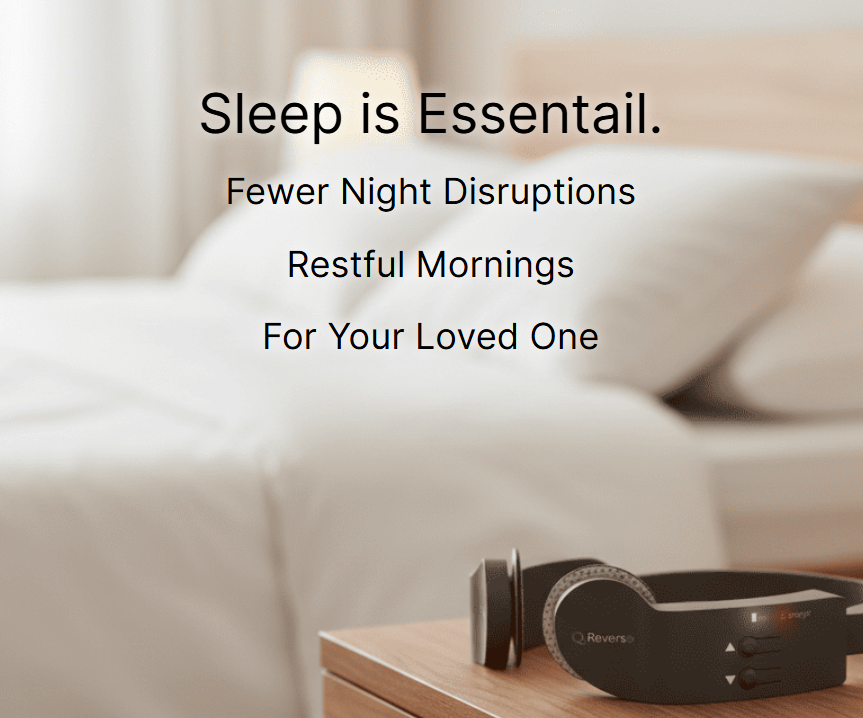
    Q.Reverse-For Your Loved Ones
    Q.Reverse-For Your Loved Ones

    Recommended for:

    • Simple snoring without severe sleep apnea symptoms.
    • For those with positional snoring (snoring can be relieved by lying on their side).
    • Users who want to quantify sleep data and monitor the impact of their lifestyle habits.
    • Mild patients who cannot tolerate medical ventilator masks (as an adjunct).

    Not recommended for the following groups:

    • The patient was diagnosed with moderate to severe obstructive sleep apnea syndrome (OSAHS).
    • People who are extremely sensitive to sounds/vibrations in their sleep environment.
    • For users who expect “one-time purchase, permanent cure” (snoring relief requires lifestyle changes such as weight loss and quitting alcohol).

    Sleep health is a systemic issue. Devices like Q.Reverse can serve as aids to help you and your partner get a quieter night, but they are not a medical substitute.

    Before placing an order, please be sure to confirm the after-sales policy through official channels, and it is recommended to undergo a professional sleep risk assessment first. Technology should serve health; rational purchasing is the key to restful sleep.

  • Huawei CH Watch: A New Paradigm for Wrist-Swept Health

    Huawei CH Watch: A New Paradigm for Wrist-Swept Health

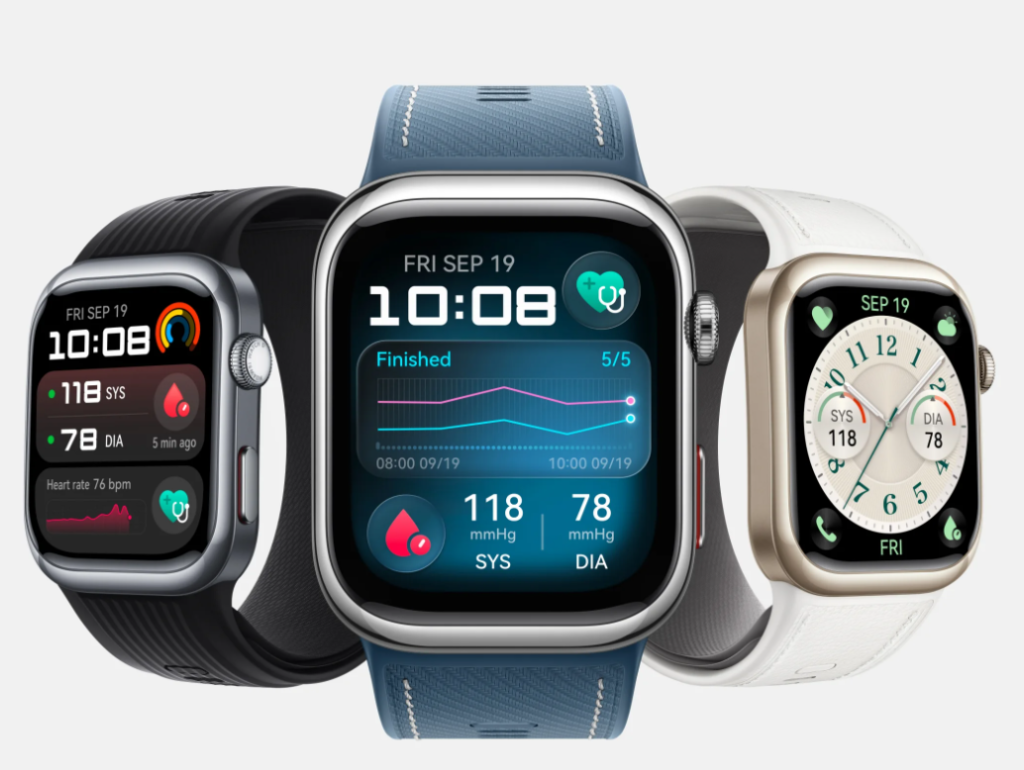
    In the field of wearable devices, Huawei is no longer a mere follower, but a rule-maker. From the early introduction of TruSeen heart rate monitoring technology to the pioneering micro-pump liquid blood pressure measurement, Huawei has always maintained an aggressive exploratory stance in the health track of smartwatches.

    Huawei’s WATCH series product line has a clear layout: the GT series focuses on long battery life and professional sports performance, the digital series focuses on all-around flagship features and eSIM independent communication, while the Ultimate series targets extreme outdoor activities and luxurious features. However, facing the increasingly serious needs of chronic disease management, especially the pain points of people with hypertension and hyperglycemia, Huawei has once again broken boundaries and launched the Huawei CH Air Pump Blood Pressure and Blood Glucose Monitoring Smartwatch (hereinafter referred to as “CH Watch”), which integrates revolutionary sensing technology. This is not only a hardware iteration, but also a strategic milestone for Huawei in bringing medical-grade monitoring capabilities from the “clinic” to “daily life”.

    Huawei CH Watch-Monitoring Your Health
    Huawei CH Watch-Monitoring Your Health

    Product Positioning & Key Highlights Overview

    Huawei CH Smartwatch
    Huawei CH Smartwatch

    CH Watch has a very clear product positioning: the first comprehensive health management terminal for the global mass consumer market with medical-grade non-invasive/minimally invasive trend monitoring capabilities.

    It’s no longer just an accessory for tracking steps or sending notifications; it’s a “personal health manager” on your wrist, specifically designed for middle-aged and elderly individuals highly sensitive to fluctuations in blood pressure and blood sugar, as well as those in sub-healthy working environments. Its core strengths can be summarized as “dual-core drive, precise breakthrough”:

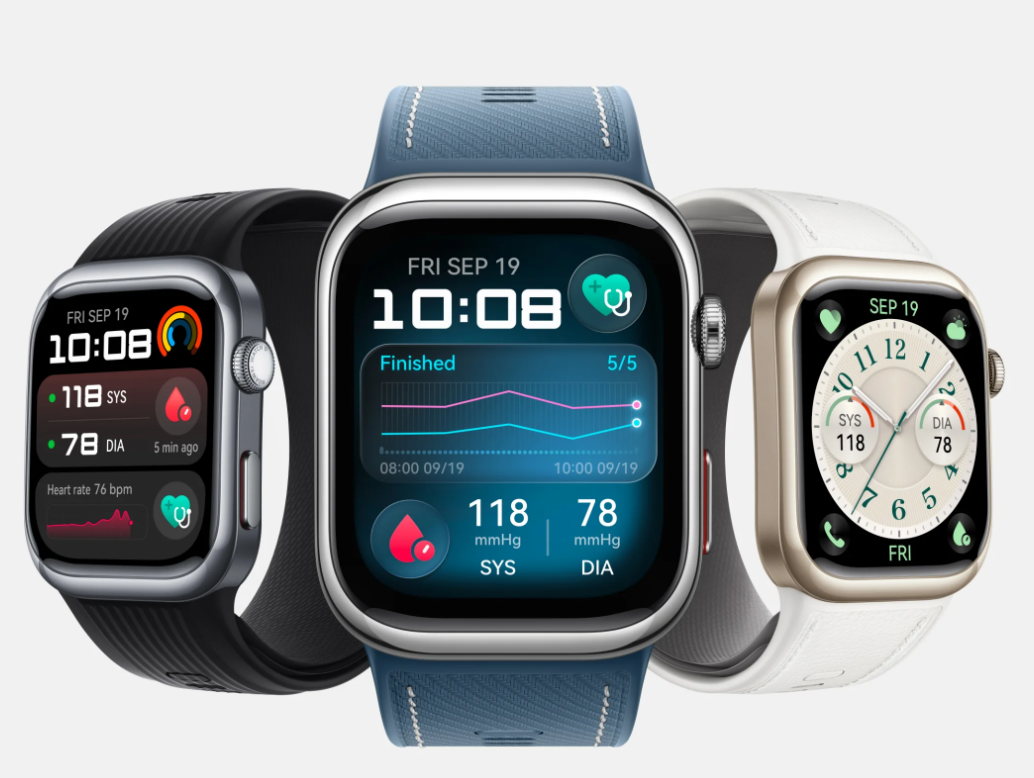
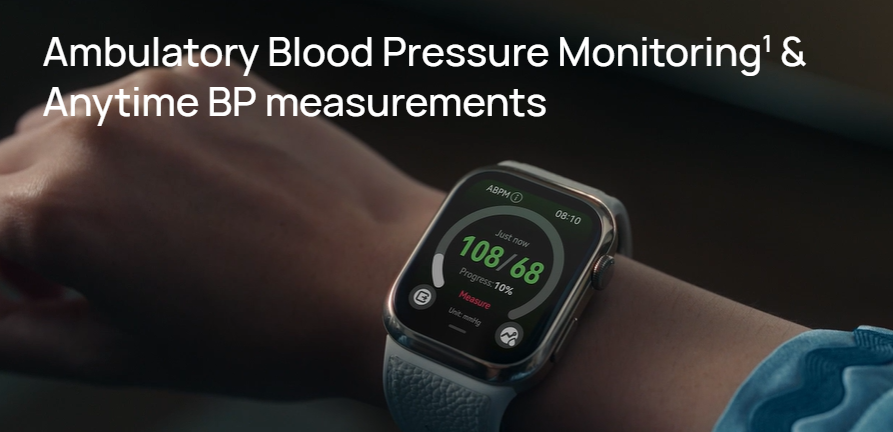
    Miniature Air Pump Blood Pressure Measurement System: Building upon the success of Huawei’s WATCH D series and further miniaturizing it, this system measures blood pressure directly using the oscillometric method by inflating a miniature air bladder within the watch band, rather than relying on optical estimation. This means it can obtain Class II medical device registration certifications from multiple drug regulatory agencies, and the data has clinical reference value, completely solving the industry-wide problem of traditional photoelectric watches being “inaccurate and unreliable” in blood pressure measurement.

    High blood sugar risk assessment algorithm: This is the most revolutionary feature of the CH watch. Although limited by the laws of physics, it is not yet possible to achieve completely non-invasive absolute measurement, Huawei’s AI algorithm, trained with multimodal sensors (PPG, skin temperature, heart rate variability, etc.) and massive clinical data, can assess the risk level of high blood sugar in real time and issue warnings when abnormal trends are detected. This greatly reduces the pain for diabetic patients who need frequent injections and provides valuable continuous trend references.

    24/7 Health Closed Loop: In addition to blood pressure and blood sugar, it also integrates ECG electrocardiogram analysis, vascular elasticity detection, sleep apnea screening and other functions, building a complete health monitoring closed loop from the cardiovascular system to the metabolic system.

    Huawei CH Watch-Medical-grade blood pressure monitoring
    Huawei CH Watch-Medical-grade blood pressure monitoring

    Configuration parameters and hardware analysis

    To support such powerful health monitoring capabilities, the CH watch spared no expense in terms of hardware components, demonstrating Huawei’s profound engineering expertise.

    Sensor Array: The back of the watch features an upgraded TruSense ultra-sensing module. This includes a miniature air pump and a high-precision pressure sensor for blood pressure measurement. The air pump is 30% smaller than its predecessor and its noise level is reduced by 15 decibels. A multi-channel PPG sensor for blood glucose risk assessment has increased the sampling rate to hundreds of times per second. Combined with the newly added skin electrochemical sensor, this significantly improves the signal-to-noise ratio of biological signals.

    Screen and Interaction: Equipped with a 1.82-inch AMOLED high-definition retina display with a peak brightness of 2000 nits, blood pressure values can be clearly read even in bright sunlight. The UI design has been optimized for middle-aged and elderly users, with larger fonts and key health data displayed at a glance. It supports both full-screen touch and physical rotating crown operation, allowing for easy operation even when wearing gloves or with wet hands.

    Battery Life and Charging: Despite the power-intensive built-in micro-pump, the CH watch maintains an impressive energy efficiency ratio. Under typical usage, it lasts up to 7 days, and even with intensive blood pressure monitoring, it can last for 4 days. It supports wireless fast charging; a 10-minute charge is sufficient for a day’s basic monitoring needs.

    Structure and Materials: The watch body is crafted from aerospace-grade titanium alloy, making it lightweight yet robust. The strap is specifically designed for blood pressure measurement, using a memory polymer material that ensures a tight seal during inflation while remaining soft and breathable for everyday wear. The entire watch is 5ATM water-resistant, so it can be worn without removing it while washing hands or showering.

    System Ecosystem: Runs HarmonyOS 4.2 and above, deeply integrated with the Huawei Health App. Data can be generated into weekly and monthly reports with one click, and can be exported in PDF format for doctors’ reference. It also supports family sharing, allowing children to remotely view real-time alerts for their parents’ health abnormalities.

    Huawei CH Watch-Supports mobile app interaction
    Huawei CH Watch-Supports mobile app interaction

    Purchase Recommendations + Target Audience

    The CH watch is not a “one-size-fits-all” watch suitable for everyone; its value is amplified in specific scenarios. Considering its high-end positioning and R&D costs, its initial international price is expected to be between $399 and $449. Highly recommended for the following groups:

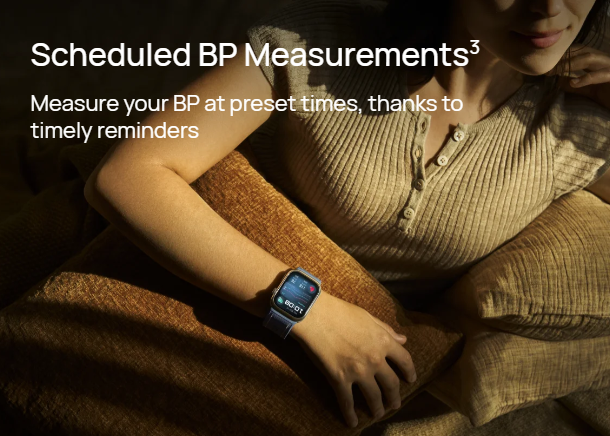
    For patients diagnosed with hypertension and high-risk individuals: For users who need to monitor their blood pressure multiple times a day, the CH watch is the best complement to traditional cuff blood pressure monitors. It can capture nighttime sleep blood pressure and morning peak blood pressure, which are often blind spots that traditional devices struggle to record. For an investment of nearly $400, you get 24/7 medical-grade protection, making it extremely cost-effective.

    For those with prediabetes and those who need long-term blood sugar control: Although it cannot replace finger prick blood tests, its high blood sugar risk assessment function can effectively reduce unnecessary pricks, help users discover the impact of diet and exercise on blood sugar trends, and adjust their lifestyle in a timely manner.

    For children concerned about their parents’ health: As a gift for elders, the CH watch’s “remote monitoring” function is extremely valuable. If parents experience a sudden spike in blood pressure or a risk of high blood sugar, their children’s phones will immediately receive an alert, truly realizing “love in the heart even when not physically present.”

    High-pressure workplace elites: For middle-aged people who are at increased risk of metabolic syndrome due to long-term sleep deprivation and irregular eating habits, this is an essential early warning device.

    Purchase Caution Notice:

    If you’re looking for ultimate performance in sports (like professional triathlon data) or expect it to completely replace hospital blood tests, you might want to lower your expectations. Additionally, due to its air pump structure, it’s slightly thicker than a typical smartwatch, so users with very thin wrists should try it on before buying. For users on a budget, if basic heart rate monitoring is all that’s needed, there are cheaper alternatives on the market. However, when it comes to blood pressure and blood sugar management, the technological barriers of the CH watch are currently difficult for lower-priced products to overcome.

    Summary : Huawei CH, your health management expert

    After in-depth testing and data analysis, the Huawei CH Watch is undoubtedly one of the most comprehensive and technologically advanced smart wearable devices on the market. It doesn’t stop at the surface level of “monitoring data,” but delves into the core of “health management.” When you see it silently and accurately measure blood pressure through a miniature air pump, or keenly detect abnormal fluctuations in post-meal blood sugar through algorithms, you’ll marvel at the awe and care that technology shows for human life.

    Of course, there is still room for technological improvement. For example, the personalized calibration process for blood glucose assessment could be further simplified, and the inflator’s feel could be even more gentle. However, these minor flaws do not detract from the overall excellence. The emergence of the CH watch marks the formal evolution of smartwatches from “toys” to extensions of “medical devices.”

    In today’s rapidly aging society, we need more than just cold, hard data parameters; we need intelligent protection that can prevent problems before they arise. The significance of the Huawei CH Watch lies in democratizing professional testing capabilities, originally reserved for hospitals, to everyone’s wrist. It makes health management seamless, continuous, and reliable. This is not just the success of a product, but the best testament to technology for good—the best technology doesn’t make people aware of its presence, but allows them to forget the fear of disease and enjoy every moment with peace of mind under its protection. For families who value quality of life, even with a price tag of nearly $400, the CH Watch is not just an electronic product, but a weighty and irreplaceable commitment to health.

  • Soundcore Sleep A30 In-Depth Review

    Soundcore Sleep A30 In-Depth Review

    Soundcore Sleep A30
    Soundcore Sleep A30

    Product Information Overview

    Model: Soundcore Sleep A30

    Price: $229 ( Please refer to the official website for the exact price )

    Core features: AI snoring masking, active noise cancellation, brainwave audio, sleep monitoring

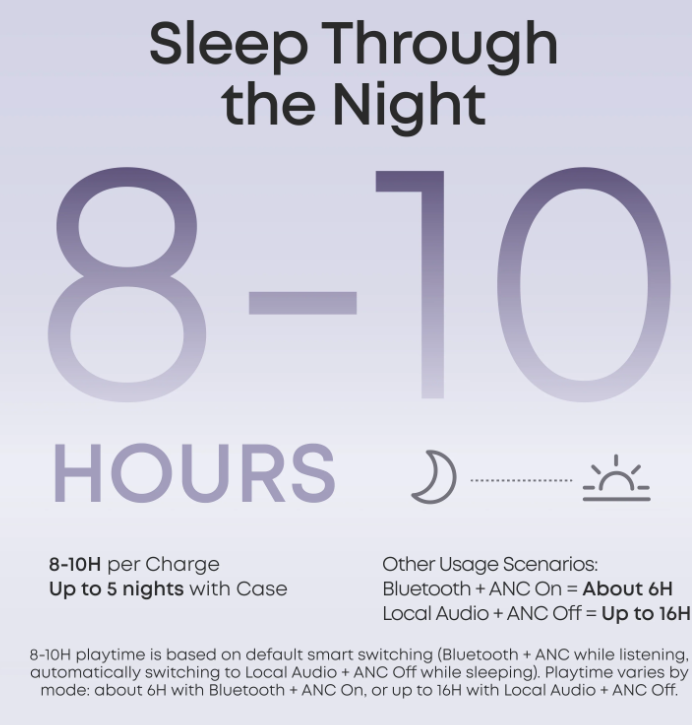
    Battery life: 9 hours / 45 hours (including charging case)

    Suitable for: light sleepers, those suffering from snoring, and business travelers.

    Foreword

    With insomnia rates rising year by year and the sleep economy experiencing explosive growth, “sleep aid” is no longer just a marketing slogan, but a real, essential need worth hundreds of billions of dollars. From melatonin to white noise machines, from smart mattresses to sleep bracelets, consumers have tried all sorts of solutions, yet they still struggle with issues like “waking up in the middle of the night,” “a partner snoring,” and “light sleep with frequent awakenings.”

    So, an even smarter question was raised: Is it possible to have an “AI sleep companion” that understands you, accompanies you, and can even proactively intervene in your sleep?

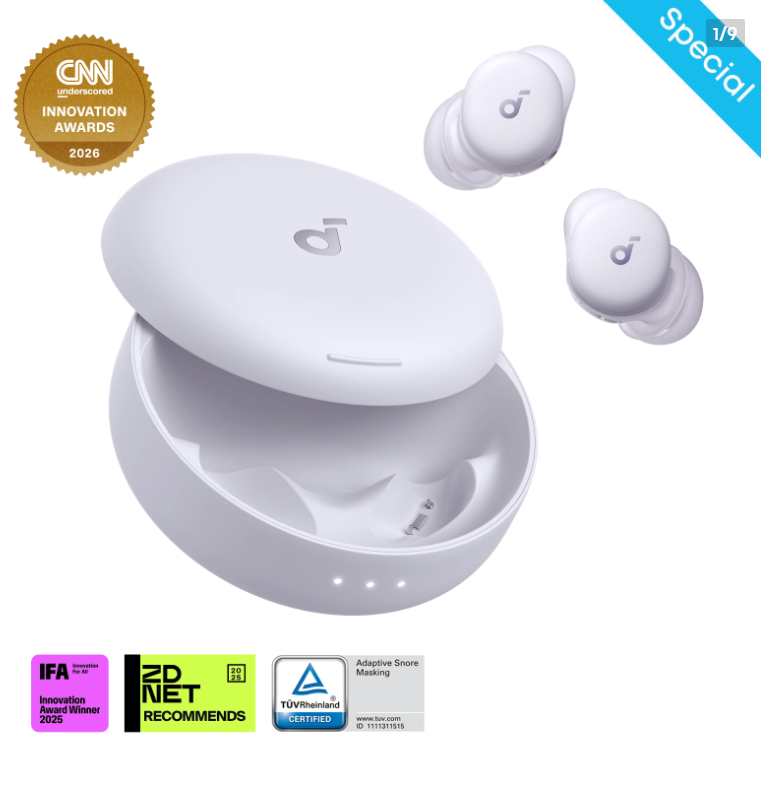
    With this question in mind, we delved into one of the most representative AI sleep hardware devices currently on the market—the Soundcore Sleep A30 (launched by Soundcore, a brand under Anker Innovations). It’s not a traditional pair of headphones, but rather officially defined as “the world’s first intelligent active noise-canceling sleep headphone.” So, is this product, which raised over $2.3 million in crowdfunding and claims to “dynamically identify snoring and mask it in real time,” really worth spending $229 to bring home?

    I. Core Positioning: More Than Just Headphones, but a “Sleep Intervention System”

    First and foremost, it’s important to clarify that the Sleep A30 is not a “nighttime version” of ordinary Bluetooth headphones. Its design philosophy has been centered from the outset around “all-night wear + active sleep aid.”

    • Wearing comfort: Featuring a 3D ergonomic design and inflatable ear wing structure, with a thickness of only 0.45mm, it provides pressure-free comfort when sleeping on your side. The official claim is that it fits 98% of ear shapes and offers both silicone and memory foam ear tips.
    • Battery life: It can be used for up to 9 hours with active noise cancellation (ANC) enabled, and the total battery life is up to 45 hours with the charging case – enough to cover a whole night’s sleep and a nap the next day.
    • Key upgrades: Compared to its predecessor, the A20, the A30 is the first to feature Active Noise Cancellation (ANC) and an AI Snoring Recognition and Masking System, which is the key to its reputation as an “AI Sleep Companion”.

    In other words, the goal of Sleep A30 is not to “play music”, but to build a closed-loop sleep intervention system: monitoring → identification → intervention → optimization .

    Soundcore Sleep A30-AI Sleep Companion
    Soundcore Sleep A30-AI Sleep Companion

    II. Analysis of Three Core Technologies: How Does AI “lull you to sleep”?

    1. AI-powered snoring masking: not blocking, but a “soft countermeasure”.

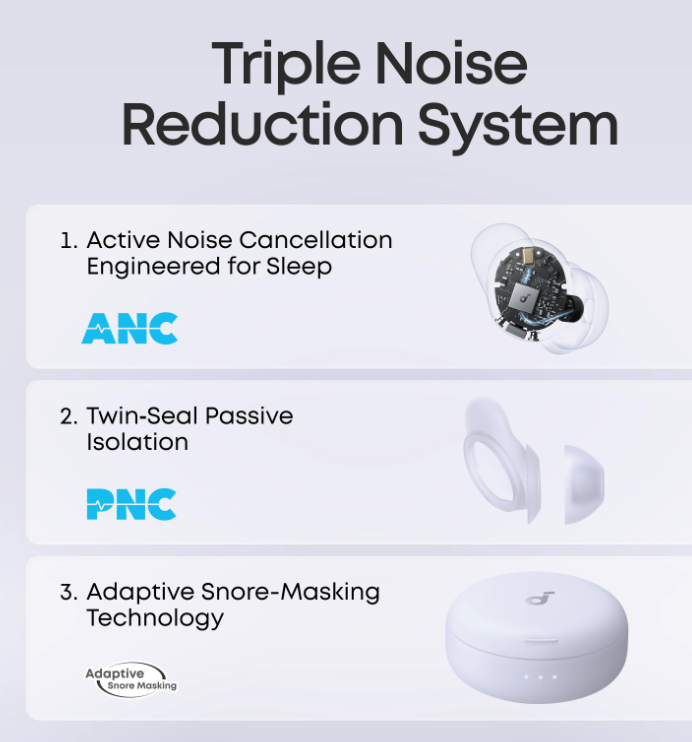
    Many people think that noise cancellation is simply “turning the sound off,” but snoring has complex frequencies and is highly sudden, making it difficult for traditional ANC to handle. The breakthrough of Sleep A30 lies in its ability to analyze the volume and frequency of snoring in real time, and then generate a masking sound with opposite phase and matching frequency (such as low-frequency white noise or natural sound) to “neutralize” snoring interference without waking the user.

    Real-world performance: When the simulated snoring volume reaches 50 decibels, the A30 can activate masking within 2 seconds. Subjectively, the “sudden loud noise” is softened into background noise, effectively reducing micro-awakening caused by the partner’s snoring.

    ✅ Suitable for: People who share a bed with a snorer or are light sleepers who are extremely sensitive to sudden noises.

    2. Brainwave audio synchronization + binaural beats: guiding you into deep sleep

    The A30 features a built-in AI brainwave audio synchronization system that induces the brain to produce theta waves or delta waves by playing slightly different audio frequencies to the left and right ears (i.e., “binaural beats”)—the typical brainwaves that occur before falling asleep and during deep sleep.

    With hundreds of sleep-aiding sound effects (rain sounds, ocean waves, five elements rhythms, etc.), users can customize the entire audio strategy in the App, from “10 minutes before falling asleep → maintaining deep sleep → waking up in the morning”.

    Note: This technology is effective for some people, but individual differences are significant. It is recommended to first use a free sleep aid app to test your sensitivity to binaural beats .

    3. Sleep monitoring + smart alarm clock: From “passive recording” to “proactive feedback”

    Although the A30 lacks a PPG heart rate sensor, it can estimate heart rate using an in-ear microphone and motion sensing.

    • Sleep duration
    • Number of times to turn over at night
    • snoring frequency
    • Sleep stages (light sleep/deep sleep/REM)

    Combined with the Soundcore App, it generates daily sleep reports and supports setting a “smart alarm”—gently waking you up during light sleep stages to avoid being startled awake by an alarm clock.

    ❗ Limitations: It cannot monitor physiological indicators such as blood oxygen and heart rate variability. If you need medical-grade data, it is recommended to use it with an Ora Ring or Huawei Watch.

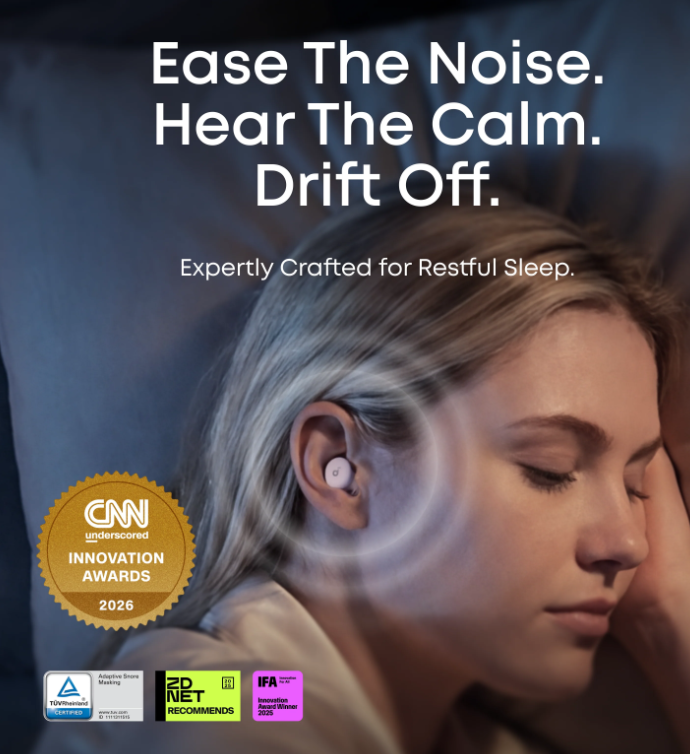
    Soundcore Sleep A30-Ease The Noise
    Soundcore Sleep A30-Ease The Noise

    III. Real-world user experience: Outstanding advantages, but also with limitations.

    Summary of advantages :

    • Uncomfortable for side sleeping: Ultra-thin design + soft ear wings, won’t hurt your ears when you turn over, far superior to ordinary TWS earphones;
    • Precise noise reduction: It is remarkably effective against low-frequency noises such as snoring, air conditioning noise, and rain noise;
    • It offers a wealth of sleep aid content: high-quality built-in sound effects and supports custom playlists;

    Several points to note:

    • Calls are not supported: Although there is a microphone for snoring detection, it cannot be used for phone calls or voice assistants (Line calls were tested to be used only for emergency purposes and the sound quality was average).
    • No IP waterproof rating: Not suitable for use in sweaty or humid environments (compared to the NANK Runner4’s IP68, the A30 is more suitable for indoor resting scenarios).
    • The price is relatively high: at $229, it is comparable to “professional sleep aid devices” rather than ordinary headphones. Those with a limited budget may consider the A20 (about $150).

    IV. Horizontal comparison: Who is it suitable for? Who is it not suitable for?

    User typeIs it recommended?reason
    My partner snores, and I’m a light sleeper.Highly recommendedSnoring masking is a core requirement, and the A30 is currently the only earphone on the market to achieve dynamic AI intervention.
    Frequent business trips/travelsrecommendPortable, long battery life, strong noise cancellation, and smarter than earbuds.
    Severe insomnia requires medical interventionNot recommendedIt cannot replace medication or CBT-I cognitive behavioral therapy and is only suitable for mild sleep disorders.
    Pursuit of full-body sign monitoringNot recommendedIf you don’t have heart rate/blood oxygen monitoring, we recommend a smart ring or watch.
    Limited budget (<1000 yuan)Consider carefullyYou can keep an eye out for Double Eleven promotions, or choose the A20 basic model.

    V. Purchase Recommendation: At $229, you’re buying “the right to intervene in technology.”

    In the sleep technology race of 2026, the Sleep A30 represents a new paradigm: upgrading from “playing sleep-aiding sounds” to “actively regulating the sleep microenvironment.” It’s not a panacea, but for specific groups (such as snoring victims, light sleepers, and high-pressure white-collar workers), it may be the closest consumer product to a “personal sleep manager” currently available.

    If you meet any of the following conditions, it’s worth placing an order:

    1. Waking up due to noise ≥3 times per week;
    2. My partner snores, but we can’t sleep in separate rooms.
    3. The pressure from earbuds/regular headphones is extremely uncomfortable;
    4. Willing to pay a reasonable premium for a “good night’s sleep”.

    Conversely, if you only experience occasional insomnia or are more concerned about tracking health data, then a combination of a budget-friendly white noise generator and a sleep app might be more cost-effective.

    Soundcore Sleep A30-Triple Noise Reduction System
    Soundcore Sleep A30-Triple Noise Reduction System

    In conclusion: AI can’t sleep for you, but it can keep you company while you sleep well.

    What impressed me most about the Sleep A30 wasn’t its technical specifications, but the feeling of being “understood”—it automatically lowers the volume when you turn over; it silently releases a masking sound when you’re disturbed by snoring; and it gently wakes you up in the morning with a gradually brightening natural sound.

    This may be the true meaning of “AI sleep companion”: not a disturber, but a guardian.

    At the intersection of technology and humanity, the Soundcore Sleep A30 delivers a high-scoring answer. It may not be suitable for everyone, but for those who need it, it could be the turning point that allows them to “finally get a full night’s sleep.”