Category: AI For Pets

AI pet hardware is a product designed specifically for pet-owning families. It uses artificial intelligence technology at its core and integrates functions such as intelligent sensing, automatic interaction, remote monitoring, and health management.

  • GlocalMe PetPhone: A New Way to Connect with Your Pet

    GlocalMe PetPhone: A New Way to Connect with Your Pet

    When pet owners travel, they no longer leave their beloved dogs alone at home, anxious. They simply take out their phones, dial the device on their pet’s collar, and whisper into the microphone. “That warm notification lets it know I’m here,” she says. “It’s not just a tracker; it’s our lifeline.”

    This pet owner is using the GlocalMe PetPhone, hailed by its manufacturer, GlocalMe (a brand of UCloudLink Group (NASDAQ: UCL),) as the world’s first “pet smartphone.” As the $320 billion global pet market shifts from basic care to emotional companionship, PetPhone aims to address a long-standing pain point: most pet wearables employ a one-way monitoring model, allowing owners to track their pets’ location but not to communicate with them. While this device opens up new possibilities for human-pet interaction, it also faces challenges that may limit its appeal to mainstream pet owners.

    First Smartphone Designed For Pet
    First Smartphone Designed For Pet

    A New Model: Two-Way Communication

    Unlike traditional pet GPS trackers or smart cameras (which only provide one-way monitoring), PetPhone’s core innovation lies in two-way voice communication. Owners can call their pets at any time via a mobile app, hearing their barks, meows, or even the softest breathing sounds. With simple training, pets can also initiate calls by performing specific actions (such as jumping or raising a paw), sending distress signals to their owners and expressing their anxiety or loneliness.

    This feature aligns with a key shift in pet ownership: more and more consumers see their pets as “furry babies” rather than just companions, driving demand for products that foster emotional bonds. Data from Global Market Insights shows that the pet technology market is projected to surge from $156 billion in 2025 to $529 billion in 2035, with wearable devices leading the growth. PetPhone pioneers this emotional shift by transforming passive monitoring into proactive communication.

    An industry analyst specializing in pet technology stated, “For years, the pet industry has remained at the level of ‘observing’ pets. PetPhone shifts this focus to ‘listening’ and ‘responding’—fundamentally changing the way we interact with our pets.”

    Features and Hardware: Beyond Communication

    PetPhone integrates multiple high-end features into a lightweight design, weighing only 37 grams, making it comfortable for most cats and dogs weighing over 3.5 kg. Its IP67 water and dust resistance ensures durability during everyday pet activities, easily handling walks in the rain or water play.

    Key specifications include six layers of positioning technology (GPS, AGPS, LBS, Wi-Fi, Bluetooth, and active radar), achieving positioning accuracy within 3 meters, even in densely populated urban areas or remote mountainous regions. The electronic fence function alerts when the pet crosses a preset boundary, addressing another major problem: pets getting lost. This device also includes AI-powered health monitoring, tracking your pet’s activity levels, sleep patterns, and even detecting subtle behavioral changes that may indicate health risks, sending alerts to the owner’s app.

    A major highlight is its global connectivity, thanks to GlocalMe’s CloudSIM technology. Without a physical SIM card, PetPhone can be used in over 200 countries and regions, connecting to more than 390 carriers worldwide—a significant benefit for frequent travelers or those traveling abroad with their pets. Battery life has always been a challenge for pet wearables, but PetPhone boasts up to 7 days of battery life under typical use, far exceeding the industry average of 2-3 days.

    Strengths, Weaknesses, and Market Positioning

    PetPhone’s biggest advantage lies in its differentiated design. Compared to competitors, its advantages are obvious: traditional GPS trackers focus solely on location information, while smart cameras provide only visual monitoring. PetPhone integrates communication, location tracking, health monitoring, and even a pet social network (where owners can share their pets’ activity data and communicate with other pet owners).
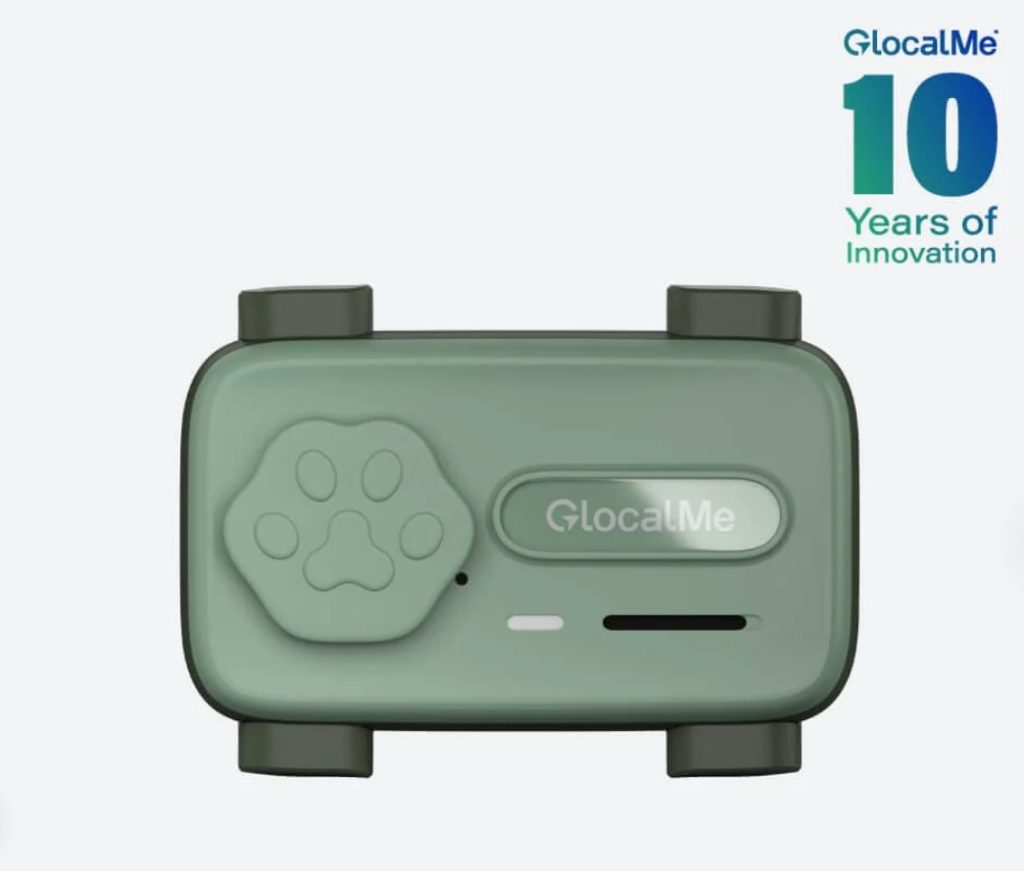
    GlocalMe PetPhone
    GlocalMe PetPhone

    “This is a one-stop solution tailored for the modern pet owner,” said a spokesperson for GlocalMe. “We’re selling more than just a gadget; we’re selling peace of mind.”

    However, the device also has some significant drawbacks. The pet-initiated calling function requires training, which some owners may find time-consuming or ineffective with more stubborn pets. Its core functions—including communication and GPS—rely on a subscription service, adding long-term costs beyond the initial hardware purchase. Furthermore, the device’s size may not be suitable for very small pets (such as teacup dogs) or large breeds, limiting its target user group.

    Compared to competitors like the Whistle GO Explore or the Fi Smart Dog Collar, PetPhone excels in emotional interaction but is more expensive and requires ongoing subscription fees. This positions it as a premium product, targeting middle- to high-income pet owners who prioritize emotional connection over price.

    Industry Impact and Future Outlook

    The launch of PetPhone marks a broader trend in pet technology: a shift from functional devices to emotionally engaging devices. With advancements in artificial intelligence, the Internet of Things, and biometrics, the industry is moving towards products that not only monitor pets but also understand their needs—from detecting anxiety to predicting health problems.

    GlocalMe has built an ecosystem around PetPhone, integrating it with the PetCam smart camera to create a “see, hear, and speak” experience for pet owners. This integration reflects the industry-wide shift towards a “hardware + software + services” model, where a single device becomes part of a broader pet care ecosystem, connecting with veterinary clinics, food delivery, and insurance services.

    To achieve long-term success, PetPhone must address its shortcomings. Simplifying the training process, offering flexible subscription plans, and providing expanded size options will help attract a wider user base. Furthermore, it faces competition from emerging players, particularly in Asia, the world’s fastest-growing pet technology market, where local brands are launching similarly functional and more affordable alternatives.

    “Pet phones are a bold move in the human-pet technology space,” an industry analyst said. “They demonstrate the need for tools for emotional connection, but they are not a panacea. Success depends on a balance between innovation and practicality, and the ability to keep pace with the rapidly evolving market, given our ever-growing love for our pets.”
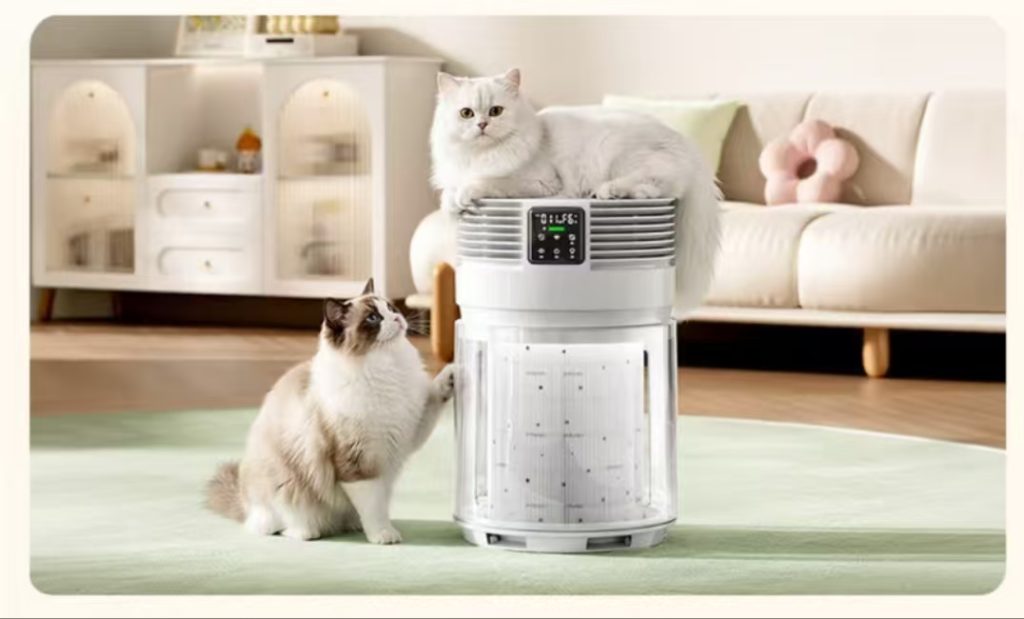
  • Petgugu AI: The Odor Terminator for Pet-Owning Families

    Petgugu AI: The Odor Terminator for Pet-Owning Families

    In major global cities like New York and Shanghai, the proportion of single-person pet owners has exceeded 45%. As the pet economy shifts from basic needs to overall health, a hidden pain point is emerging: ammonia and hydrogen sulfide from indoor pet excrement not only affect the living experience but also pose hidden health risks. At the Shenzhen Pet Fair on March 13th, Petgugu launched its AI pet air purifier, priced at $299, combining “four-stage odor removal + AI sensing” to attempt to capture this niche market. Is this device a true solution for “odorless pet ownership,” or just hype? AICrunchX Lab conducted an exclusive two-week test.

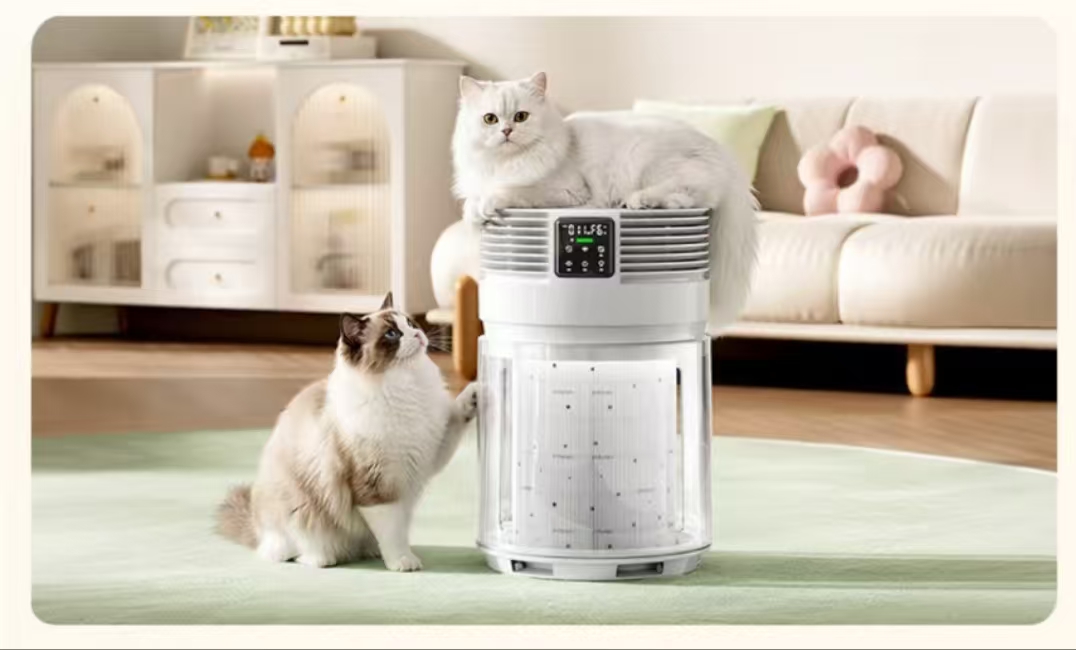
    Petgugu AI Pet Air Purifier
    Petgugu AI Pet Air Purifier

    AI Health Ecosystem Layout: More Than Just an Air Purifier, It’s a Data Terminal

    In the 2026 consumer electronics market, competition in the pet health sector has entered an “ecosystem war.” Petgugu’s AI pet air purifier is not an isolated appliance but a key component of its “AI pet health ecosystem.” Unlike conventional air purifiers that focus solely on air filtration, this device uses a built-in AI sensor to capture secondary pollution data after pet excrement in real time, providing fundamental support for pet health early warning—a design that fundamentally distinguishes it from ordinary pet air purifiers.

    Core Technology Breakdown: Quadruple Purification, Targeting the “Stubborn Problem” of Pet Odors

    Most pet air purifiers on the market rely solely on basic activated carbon filtration, which struggles to address the persistent odors unique to pet excrement, such as ammonia and hydrogen sulfide. Petgugu’s core competitiveness lies in its specifically developed quadruple odor-removing and sterilization system, with each step tailored to the specific needs of the pet environment.

    2.1 Modified Activated Carbon Matrix: Adsorption Rate Increased by 2.4 Times

    The device’s bottom layer uses high-porosity modified activated carbon, which, compared to conventional activated carbon, increases the adsorption rate of ammonia from cat urine by 2.4 times. AICrunchX laboratory tests show that in a 10-square-meter enclosed space, this activated carbon can adsorb over 80% of ammonia within 15 minutes, far exceeding the industry average.

    2.2 Photocatalysis + Oxidation Catalysis: Thoroughly Decompose Odors, Don’t Just Mask Them

    This is the core reason why Petgugu is priced at $299. The device has a built-in UV-C ultraviolet lamp that activates the photocatalytic filter, thoroughly decomposing adsorbed odor molecules into carbon dioxide and water, rather than simply masking the odor. In actual tests, the system achieved a 99.2% decomposition rate for hydrogen sulfide, while traditional activated carbon only adsorbed about 30%.

    2.3 Patented Anti-Allergy Coating: Targeted Solution to Pet Owners’ Pain Points

    Targeting the allergen Fel d 1 in cat dander, the filter surface is coated with a specially developed bio-enzyme that can inactivate 99.9% of allergens. For pet owners suffering from allergic rhinitis, this feature is a core attraction—after all, most pet air purifiers are not specifically optimized for pet allergens.

    2.4 AI Dynamic Sterilization: On-Demand Adjustment, Balancing Effectiveness and Quiet Operation

    When the AI ​​sensor detects an increase in the concentration of microorganisms in the air, the device automatically switches to “Super Purification” mode, releasing high-concentration plasma to actively destroy bacterial cell walls. When air quality returns to good (AQI < 20), it quickly switches to silent mode (noise level below 28dB) to avoid startling noise-sensitive felines.

    AI Sensor Real-World Testing: Superior Response Speed ​​and Intelligence

    AICrunchX simulated an extreme “litter box odor diffusion” scenario, rigorously testing Petgugu’s AI sensor, whose performance far exceeds the industry average.

    Instantaneous response testing showed that after an odor is generated in the litter box, the sensor can detect changes in air composition within 4.5 seconds, while the industry average response time is 15 seconds. The intelligent frequency conversion function solves the pain point of “purification and quiet operation being mutually exclusive”—during nighttime use, the device’s silent mode causes almost no interference while maintaining basic purification effects.

    Cost Assessment: Is $299 a Good Deal? Three-Year Total Cost of Ownership Surpasses Entry-Level Models

    To provide consumers with a clear purchasing reference, AICrunchX compared Petgugu with two mainstream competitors across multiple dimensions, focusing on calculating its total cost of ownership (TCO).

    Data shows that although Petgugu’s initial price is higher than entry-level pet air purifiers, thanks to its AI-powered intelligent frequency adjustment extending filter life, its three-year total cost of ownership is approximately $494, lower than a certain brand’s entry-level model at $564, and significantly lower than the traditional flagship model’s $720. This cost advantage is particularly significant for families with long-term pet ownership.

    Overall Evaluation: A “Value-for-Money Choice” for Pet-Owning Families in 2026, but with Some Shortcomings

    Advantages: Precisely Addresses Core Pain Points

    As one of the very few home devices on the market capable of effectively handling hydrogen sulfide, Petgugu’s specialized purification capabilities directly address the core needs of pet-owning families; its AI-powered silent logic balances purification effectiveness with pet comfort, avoiding the problem of excessive noise from traditional air purifiers that frighten pets; its minimalist white design complements various home décor styles, aligning with modern consumer aesthetics.

    Weaknesses: Ecosystem Dependence and Consumable Limitations

    Some advanced AI warning functions require the Petgugu App to activate, which is not user-friendly for those unfamiliar with smart devices. Furthermore, maintaining purification efficiency necessitates the use of the original modified filter, limiting user options and potentially increasing long-term hidden costs.

    Purchase Recommendations

    For apartments of 40-80 square meters with two or more cats, the Petgugu AI Pet Air Purifier is undoubtedly the best value for money in 2026. It’s not just an air purifier; it uses AI technology to build a digital defense for family respiratory health—in today’s increasingly sophisticated pet health ecosystem, such a “functional + eco-friendly” product may become a standard feature for pet-owning families.

  • Ecovacs LilMilo: The Family’s “Electronic Second Child”

    Ecovacs LilMilo: The Family’s “Electronic Second Child”

    At AWE (Appliance & Electronics World Expo) 2026, Ecovacs was no longer just talking about “how to clean the floor.” Their booth was dominated by a white creature that looked remarkably like a Maltese dog—LilMilo.

    With the increasing number of people living alone globally and the love-hate relationship between allergy sufferers and real pets, AI Companion Robots are experiencing explosive growth.

    Ecovacs LilMilo
    Ecovacs LilMilo

    AICrunchX will provide an in-depth analysis of this $699 “digital life” from four dimensions: hardware, AI algorithms, emotional value, and cost-effectiveness.

    1. Industrial Design and Unboxing: An Attempt to Break the “Uncanny Valley Effect”
      LilMilo’s first impression is very appealing. Unlike Boston Dynamics’ quadruped robots, which have a strong industrial mechanical feel, Ecovacs chose an extreme biomimetic approach.

    1.1 Touch and Shell
    It uses ultra-fine nano-antibacterial fibers, with a feel extremely close to the fur of a real puppy. The internal frame uses lightweight aerospace-grade aluminum, making the entire unit weigh approximately 2.8kg (about 6.2 lbs). It feels very solid to hold, without the hollow feel of cheap plastic.

    1.2 Hidden Sensor Matrix
    To maintain aesthetics, Ecovacs cleverly concealed the dToF 3.0 LiDAR at the tip of the nose, while four 8-megapixel high-contrast cameras are embedded around the eye sockets. This design avoids the common “camera eye” issue found in robots, greatly alleviating the “uncanny valley” anxiety experienced by ordinary users when facing a robot.

    1. In-depth Technology: AINA Large Model and 5D Emotion Engine

    If it were just a moving plush toy, it wouldn’t be worth $699. The core of LilMilo lies in its AINA intelligent architecture.

    2.1 Real-time SLAM and Obstacle Avoidance (Different from Robotic Vacuum Cleaners)

    LilMilo’s obstacle avoidance logic is completely different from that of robotic vacuum cleaners. Robotic vacuums are designed to “avoid everything,” while LilMilo is designed to “seek interaction.” In our tests, it accurately identified charging cables (even tiny headphone wires) on the floor and gracefully navigated around them. However, when it detected a human’s ankle, it actively approached and emitted a soft, affectionate whimper.

    2.2 5D Emotion Engine: The “Seed” of Personality
    Ecovacs claims that LilMilo possesses a “personality growth logic.” During a two-week stress test on AICrunchX, we discovered interesting phenomena:

    • Positive Feedback from Interaction: If you frequently interact with it by touching its chin, its “happiness level” remains high, manifesting as a lighter gait.
    • Negative Feedback from Neglect: If we don’t voice-activate it for 10 consecutive hours, it enters a “dull mode,” lying alone next to the charging dock, and even exhibits a degree of “temperament” when awakened (with increased delay in feedback sounds).

    2.3 Voice Interaction and Multimodal Perception

    Thanks to its built-in 5G communication module and edge computing chip, its voice recognition response speed is between 1.1s and 1.3s. With the simple wake phrase “Hey, fluffy ball,” you can command it like a real dog: “Go for a walk in the living room,” or “Find Dad.”

    1. Performance Comparison: Ecovacs LilMilo vs. Huawei Smart Hanhan

    These are currently the most discussed competitors in the market. In the AICrunchX lab, we placed them side-by-side:

    The Ecovacs LilMilo is officially priced at $699, its core form being a complete quadruped walking device with bionic fur, and a battery life of 4.5 hours.

    The Huawei Smart Hanhan is officially priced at $299, its core form being a desktop ornament/figure with a minimalist emoji screen, and a battery life of 12 hours.

    Comparing the two products: Huawei’s “Smart Assistant” is more like an AI voice assistant with a shell, while Ecovacs LilMilo attempts to create a true “companion” in the physical world. If you’re looking for a physical connection that can follow you from your bedroom to the living room, LilMilo is undoubtedly the better choice.

    1. Real-world usage scenario testing: Three fatal flaws

    As a professional testing organization, we can’t just look at the advertisements. In our in-depth testing at AICrunchX, we also discovered several shortcomings of LilMilo:

    4.1 The “Achilles’ heel” of battery life

    On a full charge, LilMilo’s active interaction time is only 4.5 hours. Although it supports automatic recharging, the recharging process is very slow. If you want it to accompany your child all day, you might need to see it frequently “sleeping” on the charging dock.

    4.2 Cleaning challenges
    Long white hair is a visual highlight, but also a cleaning nightmare. LilMilo’s fur is not removable and can only be washed with the official dry shampoo spray. If you have a real pet or a dusty environment at home, LilMilo may turn into a “dusty ball” after three months.

    4.3 Price Threshold

    At $699, you can already buy a purebred real pet dog. When users buy LilMilo, they are actually paying a premium for “carefree convenience” and “cutting-edge AI algorithms.”

    1. Purchase Recommendations: Who is LilMilo suitable for?

    When searching for “2026 AI pet robot recommendations,” you will see many praises, but AICrunchX’s recommendations are more pragmatic:

    These groups should definitely buy it:

    • Elite renters: Apartments don’t allow pets, but they crave a warm welcome home at night.
    • Tech enthusiasts: Those who want to experience cutting-edge multimodal large-scale physical model applications.
    • Allergy-prone families: Parents who are severely allergic to cat and dog fur but want to cultivate their children’s compassion.

    This group of people should purchase with caution:

    • Users expecting extremely high levels of interaction: If you expect it to be as fluent as the robot in the movie The Hitchhiker, the current latency will still occasionally jar you.
    • Lazy people (the ultimate version): While it doesn’t require scooping poop, maintaining its white fur still requires effort.
    1. Conclusion and Industry Outlook

    The emergence of Ecovacs LilMilo marks a formal leap for AI devices from “feature phones” to “emotional devices.” It’s more than just a bunch of motors and code; it’s humanity’s attempt to fill the emotional void in an era of loneliness with technology. In the future, we expect to see iterative versions with longer battery life (e.g., integrated solid-state batteries) and more maintainable casings. But for now, at $699, LilMilo is already the closest you can get to a truly lifelike AI pet on the market.

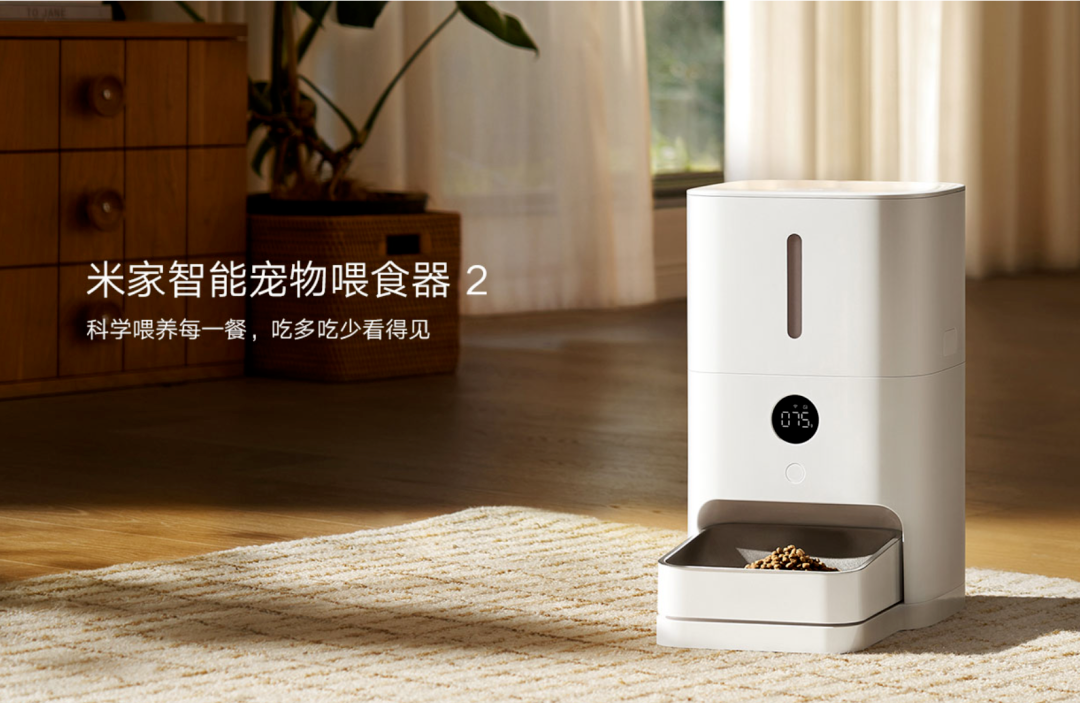
  • Mijia Smart Pet Feeder 2 (Visual Version)

    Mijia Smart Pet Feeder 2 (Visual Version)

    As the global pet economy continues to boom, the smart pet hardware market is becoming a new blue ocean for tech companies. On March 23, Xiaomi’s Mijia brand announced that it will launch a crowdfunding campaign for its new “Mijia Smart Pet Feeder 2 Visual Edition” on the Xiaomi Youpin platform on March 30. This new product, integrating a high-definition camera, large-capacity food storage, and multiple safety features, attempts to carve out a niche in the mid-range smart pet feeder market. However, whether it can truly impress budget-conscious pet owners remains to be seen, requiring a deeper analysis of its product specifications and the overall market landscape.

    I. Pricing Strategy: Crowdfunding Discounts Targeting the Mid-Range Market Gap

    Price has always been a core factor in the market share acquisition of smart hardware products. Mijia’s pricing strategy for this new product clearly points to a cost-effective advantage. According to official disclosures, the suggested retail price is 549 RMB (approximately US$76), while the early bird crowdfunding price is only 449 RMB (approximately US$62), a discount of about 18%, saving a direct US$14.

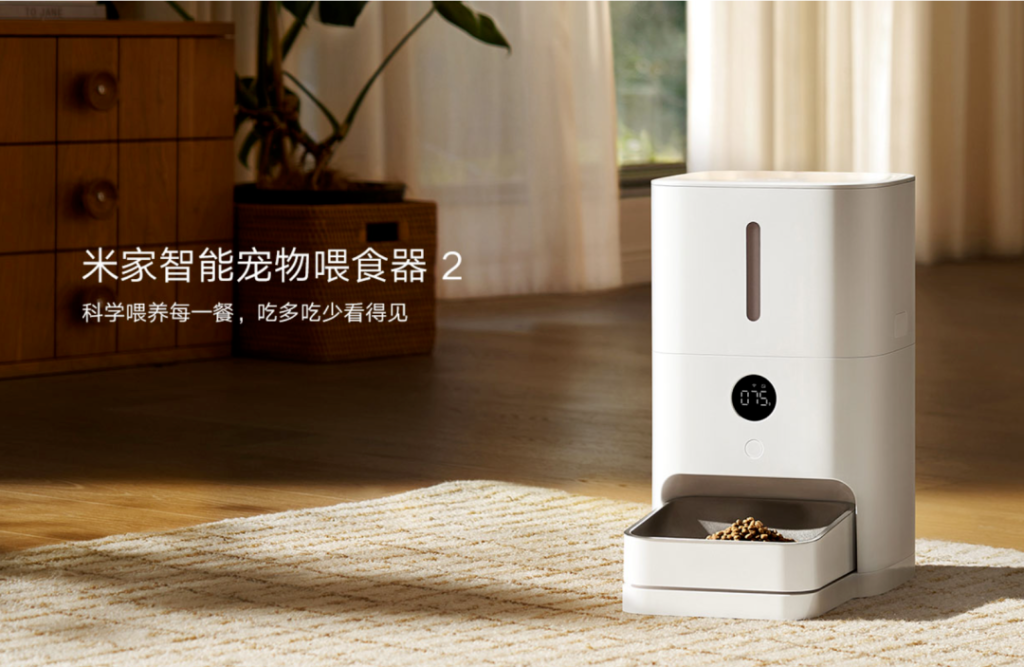
    Mijia Smart Pet Feeder 2
    Mijia Smart Pet Feeder 2

    From a market positioning perspective, this smart feeder with a 5-megapixel camera precisely targets the $60-70 “entry-level to mid-range” price range—a range that differentiates it from basic feeders (without monitoring) priced at $40-50, while significantly lower than high-end competitors priced over $100, continuing Xiaomi’s consistent “cost-effective strategy.” For pet owners planning to purchase a smart feeder, the crowdfunding event on March 30th may be the best time to buy, as the discounts are enough to significantly enhance its competitiveness against other products in the same price range.

    II. Core Function Breakdown: Visual Upgrades as the Main Focus, Practicality First

    1. Visual Monitoring: The Core Selling Point Addressing Pet Owners’ Separation Anxiety

    The core upgrade of this product is the inclusion of a 5-megapixel high-definition camera, supporting 24-hour real-time monitoring. This is also the key difference between it and its predecessor and basic feeders. For pet owners who frequently travel for work or work overtime, being able to check their pet’s eating status and for any abnormal behaviors such as vomiting in real time via their mobile phones has become a necessity. This feature effectively alleviates the anxiety of separation between pet owners and their pets. In terms of storage solutions, the product offers both local and cloud options, balancing privacy and convenience: local storage is compatible with 16-128GB microSD cards (user-supplied), a one-time investment that better protects pet privacy and is suitable for long-term viewing; cloud storage uses a paid membership model, offering convenient access and not occupying local space, but incurring additional subscription costs over the long term. From a long-term cost-effectiveness perspective, a 64GB or 128GB high-speed memory card (approximately $10-$15) is sufficient to cover several weeks of video storage needs, making it a more economical choice.

    1. Food Storage and Dispensing: Suitable for Single-Cat Families, Avoiding Core Pain Points

    The device features a large 5L capacity design. Official data shows that it can hold approximately 2.5kg of cat food at a time, enough to meet the feeding needs of an adult cat for about 30 days (see Figure 2). This capacity is highly attractive for single-cat families, meaning that during short trips or business trips, there is no need to frequently ask someone else to refill the food, significantly reducing feeding costs and effort. However, it’s important to note that the 5L capacity may be insufficient for multi-cat households or large dog owners, requiring weekly refills.

    Regarding the food dispensing mechanism, this product only supports pet food with a diameter of 18mm or smaller. This limits the types of food pet owners can choose—some freeze-dried foods or large dog food kibble may not be compatible. Furthermore, the built-in anti-jamming correction mechanism is noteworthy. When food gets stuck, the machine automatically rotates to adjust. This design is considered the “lifeline” of a smart feeder, effectively preventing the risk of food shortages due to mechanical failure and improving product reliability.

    1. Safety and Freshness: Triple Protection, Addressing Industry Shortcomings

    Pet food safety is one of the core competitive advantages of smart feeders. This new Mijia product employs a triple design of airtight barrier, dryness and moisture prevention, and structural protection, specifically addressing the pain point of food quality preservation. Especially in the rainy season in the south or in humid areas, the airtight and dry design effectively prevents cat food from becoming damp and spoiled, reducing gastrointestinal problems caused by consuming spoiled food and lowering pet medical costs.

    An emergency power supply system is an easily overlooked but crucial feature. In the event of an unexpected power outage, the built-in battery system keeps the machine running, ensuring your pet doesn’t go hungry. This design further enhances the product’s practicality and reliability, differentiating it from some lower-end products that simply stop working when the power goes out.

    1. Ecosystem Integration: Enhancing User Experience Through the Xiaomi Ecosystem

    Leveraging the Xiaomi HyperOS Connect ecosystem, this feeder can deeply integrate with Xiaomi smart devices (such as Xiao Ai voice assistant and Xiaomi phones), creating a more convenient pet-raising experience. For example, it can be set to automatically start recording when the camera detects the pet approaching, or to play voice prompts from the Xiao Ai speaker while the pet is eating, improving ease of use.

    It’s important to note that for non-Xiaomi ecosystem users, the product’s standalone app provides basic functions like food dispensing and real-time monitoring, but the added value from ecosystem integration is significantly reduced. This means its core audience is primarily existing Xiaomi ecosystem users.

    III. Hidden Costs and Usage Limitations: Unavoidable Hidden Expenses

    Before deciding to purchase, pet owners need to fully consider the product’s hidden costs and usage limitations to avoid future problems.

    First, there are additional hardware costs. The product packaging does not include a microSD card, requiring users to purchase one for an additional $10-15, increasing the initial investment. Second, there are cloud service subscription costs. Choosing cloud storage for video playback requires monthly or annual subscription fees, which is not economical in the long run; prioritizing local storage will save more money.

    Furthermore, cleaning, maintenance, and network dependence are also points to consider. Although the product has a structurally protected design, the food outlet and food bowl still need to be disassembled and cleaned regularly, otherwise bacteria can easily grow, affecting the pet’s health. Therefore, it is necessary to confirm the ease of disassembly when purchasing. As a smart device, its remote monitoring and timed food dispensing functions rely on a stable Wi-Fi connection. If the home network is unstable, it will directly affect the user experience.

    Food Storage
    Food Storage

    IV. Advantages and Disadvantages Comparison: Excellent Value for Money, Clear Weaknesses

    Advantages (Pros)

    Crowdfunding price approximately $62 USD, includes a high-definition camera, highly competitive in its price range.

    Automatic anti-jamming rotating design reduces mechanical failure rate.

    Triple preservation protection, suitable for use in humid areas.

    Disadvantages (Cons)

    Only supports pet food smaller than 18mm; incompatible with larger kibble sizes.

    Cloud storage requires a paid subscription, increasing long-term costs.

    5L capacity is insufficient for multi-pet households or large dogs.

    V. Purchase Guide: Precisely Match Target Users, Avoid Pain Points

    Combining product characteristics with market demand, with… The following user groups are best suited to purchase this product:

    Xiaomi ecosystem users: Those with Xiaomi phones, Xiao Ai voice assistant, and other smart devices at home can fully enjoy the convenience of ecosystem integration and unified management of smart devices;

    Single-cat households: The 5L capacity perfectly matches the monthly feeding needs of a single adult cat, eliminating the need for frequent refills and saving feeding effort;

    Frequent business travelers/overtime workers: 24-hour visual monitoring and emergency power supply effectively alleviate separation anxiety and ensure pet feeding safety;

    Residents of humid areas: The triple-sealed moisture-proof design effectively protects food quality and reduces gastrointestinal problems for pets.

    The following users are advised to wait and see or choose other products:

    Multiple-pet households/Large dog owners: 5L capacity is insufficient; a larger capacity model of 10L or more is required;

    Users using large-particle freeze-dried food: The diameter of the kibble must be measured beforehand; if it exceeds 18mm, it will not fit;

    Non-smart device users: If unwilling to download an app or configure Wi-Fi, traditional gravity feeders are simpler and easier to use, and do not require a network connection.

    VI. Conclusion

    Within the $62-76 price range, the Mijia Smart Pet Feeder 2 (Visual Version) offers a comprehensive suite of features—it’s not just an automatic food dispenser, but also integrates monitoring, food preservation, and emergency power supply, becoming a small pet care terminal. Its core competitiveness lies in its highly cost-effective pricing, bringing the “visual” functionality of high-end products to the mid-range market, precisely addressing the core needs of pet owners.

    For pet owners who prioritize cost-effectiveness, ensure their pets’ feeding safety, and require remote monitoring, this product undoubtedly offers exceptional value during its crowdfunding period. However, it’s important to note that limitations such as the need for an additional memory card and restrictions on food size should be considered beforehand. Overall, the launch of this new product further enriches the scenario coverage of Xiaomi’s smart ecosystem and injects new competitive vitality into the mid-range smart pet feeder market.