Author: Gavin

  • AMD Unveils Instinct MI350P AI Accelerator

    AMD Unveils Instinct MI350P AI Accelerator

    On May 8, 2026, AMD officially launched its next-generation AI accelerator — the Instinct MI350P. This product marks AMD’s important strategic positioning in the AI computing field and represents the company’s first Instinct series accelerator with a standard PCIe interface in four years. This release coincides with the critical transition point where the AI industry is shifting from training to inference applications, providing data centers and enterprise users with more flexible and efficient computing options.
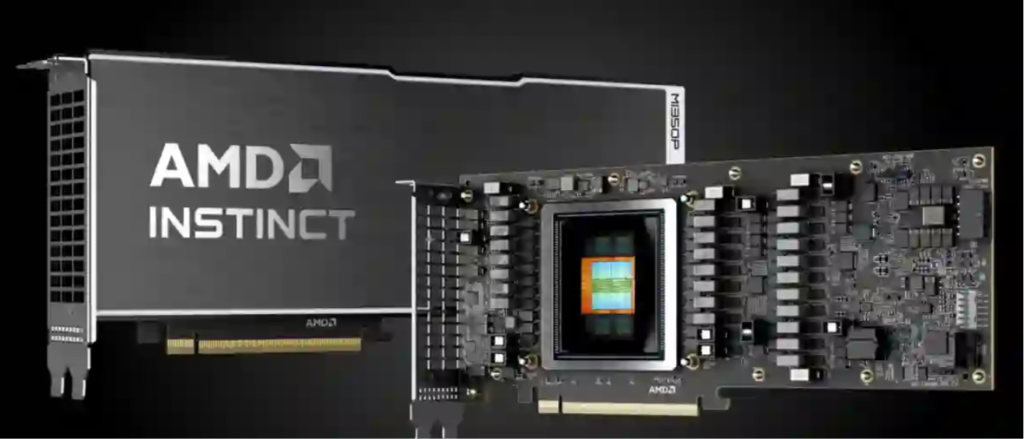
    AMD Instinct MI350P PCIe accelerator card with assembled heatsink and bare PCB
    AMD Instinct MI350P PCIe accelerator card with assembled heatsink and bare PCB

    Hardcore Specifications: Half-Size Flagship, Uncompromised Performance

    The MI350P can be considered a “half version” of the flagship MI350X in terms of hardware specifications, but this does not mean compromised performance. Built on AMD’s latest CDNA 4 architecture, it features TSMC 3nm process for XCD compute modules paired with 6nm IOD input/output modules. This heterogeneous integration approach achieves an excellent balance between performance and power consumption.

    In terms of core configuration, the MI350P is equipped with 4 XCD chips, totaling 128 compute units, 8192 stream processors, and 512 matrix cores. These hardware units are specifically optimized for AI computing, especially matrix multiplication and tensor operations, with operating frequencies reaching up to 2.2GHz. This design ensures the accelerator maintains stable and efficient performance output when processing complex AI workloads.

    The memory system represents a major highlight of this product. The MI350P features 144GB of HBM3E high-bandwidth memory with a 4096-bit interface, delivering an impressive 4TB/s bandwidth. It also includes 128MB of Infinity Cache, further reducing data access latency and improving overall computing efficiency. For running large language models, sufficient memory and high bandwidth mean supporting larger model parameter sizes while maintaining low inference latency.

    Form Factor and Cooling: Designed for Data Centers

    The MI350P adopts a dual-slot PCIe card form factor, a design that makes it compatible with the vast majority of standard server chassis, lowering deployment barriers for enterprise users. Compared to accelerators requiring customized hardware, the standard PCIe interface advantage means users can directly upgrade existing infrastructure without additional hardware investment.

    For cooling, the MI350P uses a fanless passive cooling design, relying entirely on server chassis fans for air cooling. This design offers multiple advantages in data center environments: first, it reduces failure points on the accelerator itself, improving hardware reliability; second, it lowers overall power consumption, avoiding airflow conflicts between accelerator fans and system fans; finally, a unified cooling system facilitates data center thermal management and energy optimization.

    Regarding power control, the MI350P has a typical power consumption of 600W but supports downgrading to 450W operation. This flexible power adjustment capability means users can adjust according to actual application scenarios and power budgets, finding the optimal balance between performance and energy efficiency. For large-scale data center deployments, this flexibility directly translates into cost savings.
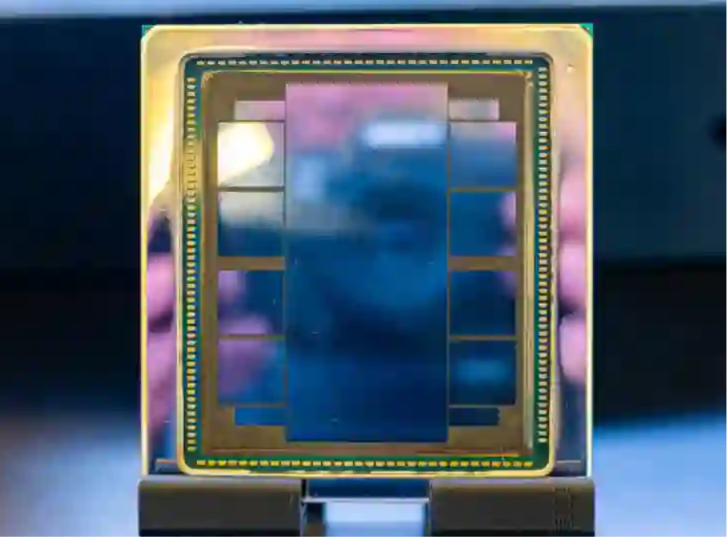
    AMD Instinct MI350P GPU package revealing chiplet layout with XCD compute dies
    AMD Instinct MI350P GPU package revealing chiplet layout with XCD compute dies

    AI Computing Power: Clear Advantages in Low-Precision Inference

    In terms of AI computing performance, the MI350P features underlying optimizations for AI inference scenarios such as large language models and retrieval-augmented generation, particularly excelling in low-precision data formats. Official data shows that at MXFP4 and MXFP6 precision, the MI350P achieves peak computing power of 4.6 PFLOPS, a figure that leads among current mainstream AI accelerators.

    MXFP formats are emerging low-precision floating-point formats specifically optimized for AI inference. Compared to traditional FP16 or FP32 formats, MXFP can significantly improve computational efficiency while maintaining model accuracy, making it an ideal choice for large model inference. The MI350P natively supports MXFP6 and MXFP4 formats, meaning users can achieve optimal performance without complex format conversions.

    For sparse computing, computing power reaches 2.3 PFLOPS at MXFP8 and FP16 precision. Sparse computing represents an important AI acceleration technique that, by leveraging sparsity characteristics in neural networks, can further improve computational efficiency without losing accuracy. AMD’s continuous investment in this field enables the MI350P to better handle various complex AI workloads.

    For traditional high-performance computing scenarios, the MI350P also delivers exceptional performance. Single-card computing power reaches 72 TFLOPS at FP32 precision and 36 TFLOPS at FP64 precision. This means the accelerator can not only handle AI inference tasks but also efficiently process traditional HPC workloads such as scientific computing and engineering simulation, achieving maximum value through multi-purpose utilization.

    Scalability and Ecosystem: Flexible Deployment, Full-Stack Support

    Regarding system scalability, a single server can support up to 8 MI350P cards working in parallel, achieving high-speed inter-card communication through the PCIe interface and AMD’s Infinity Fabric technology. This flexible expansion capability means users can start small and gradually scale computing capacity according to business needs, avoiding the risk of one-time large-scale investment.

    Software ecosystem represents a critical success factor for AI accelerators. The MI350P comes with AMD’s complete ROCm open software stack, including the newly released ROCm 7.2.2 suite. As an open-source platform, ROCm supports all major deep learning frameworks including PyTorch, TensorFlow, and JAX, while featuring specialized optimizations for development-ready applications such as LM Studio, ComfyUI, and VS Code.

    This software support means developers can work in familiar environments without learning new tools or APIs. AMD also promises Day 0 support for leading AI models, ensuring users achieve optimal performance on the MI350P when new models are released. Such timely software updates and model support are crucial for maintaining the long-term value of hardware investments.
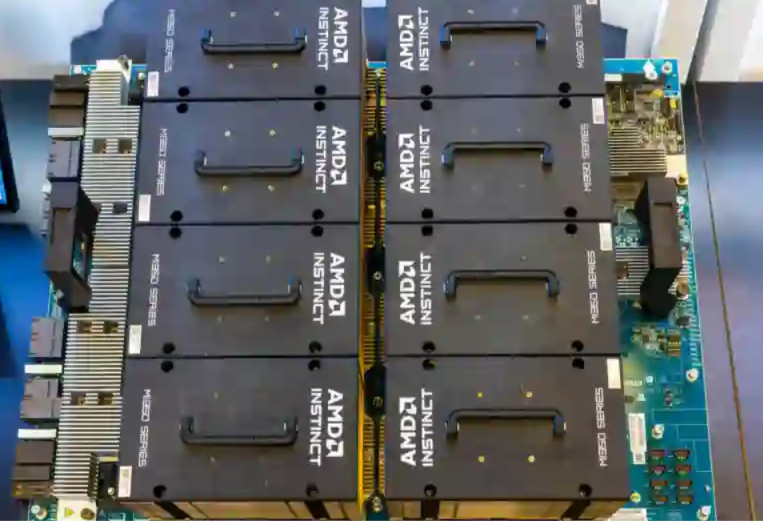
    AMD Instinct MI350 series 8-GPU universal base board for dense server deployments
    AMD Instinct MI350 series 8-GPU universal base board for dense server deployments

    Market Positioning: Filling the Mid-Range Inference Market Gap

    From a product positioning perspective, the MI350P primarily targets the mid-range AI inference market, filling AMD’s gap in standard PCIe interface AI accelerators. Previously, AMD’s Instinct series primarily adopted the OCP Accelerator Module (OAM) form factor. While delivering powerful performance, this approach had higher deployment thresholds, limiting its penetration in broader enterprise markets.

    As AI applications penetrate from the cloud to the edge, more enterprises need to deploy AI computing power in their own data centers. These users often value deployment flexibility and compatibility with existing infrastructure more than extreme single-machine performance. The MI350P’s PCIe interface design precisely meets this demand, providing enterprise users with a more accessible and deployable AI computing option.

    In the current AI computing market, inference application growth has already surpassed training. As large model technology matures, enterprises are integrating AI capabilities into actual business processes, driving massive demand for inference computing power. The MI350P represents AMD’s strategic product launch targeting this market trend, aiming to capture inference market share.

    Competitive Landscape: AMD Accelerates Deployment, Market Diversifies

    AMD’s launch of the MI350P signals that competition in the AI accelerator market has entered a new phase. For a long time, NVIDIA has dominated the AI computing market with its CUDA ecosystem and product first-mover advantage. However, with continued investment from AMD, Intel, and numerous domestic manufacturers, the market landscape is changing.

    The MI350P’s advantages lie in its standard PCIe interface, excellent energy efficiency ratio, and complete ROCm software stack support. Particularly for users seeking to avoid vendor lock-in and more flexible hardware options, AMD’s solution presents strong appeal. ROCm’s open-source nature also enables enterprise users to more deeply customize and optimize their AI applications.

    For the domestic market, the MI350P launch also brings new possibilities. As AI localization accelerates, the market requires diversified computing supply. The addition of AMD products not only provides users with more choices but also helps promote healthy ecosystem development, driving technological innovation and cost optimization.

    Outlook: AI Inference Market Enters Golden Development Period

    The MI350P launch represents only part of AMD’s strategic layout in the AI computing field. It can be anticipated that with the full promotion of the CDNA 4 architecture, AMD will launch more AI acceleration products targeting different application scenarios, forming complete product line coverage. From high-end training to mid-range inference and edge computing, AMD is building a comprehensive AI computing solution ecosystem.

    From an industry development perspective, the AI inference market is entering a golden development period. The maturation of large model technology, continuous expansion of application scenarios, and deepening enterprise digital transformation are all driving explosive growth in inference computing demand. Against this backdrop, flexible, efficient, and easily deployable products like the MI350P will gain broad market space.

    For enterprise users, selecting appropriate AI computing infrastructure becomes increasingly important. Considerations must include not only hardware performance itself but also software ecosystem maturity, deployment flexibility, and long-term technical support. The MI350P demonstrates competitiveness in all these aspects, warranting serious consideration by enterprise users when planning AI infrastructure.

    Looking ahead, as more manufacturers join the competition, the AI accelerator market will become more diversified. This competition will ultimately benefit end users, promoting AI technology popularization and reducing application costs. AMD’s MI350P is just the beginning of this transformation, with an even more exciting AI computing era on the horizon.
  • Historic Milestone: Domestic AI Chips Surpass 50% Market Share in China, Huawei Ascend Leads Substitution

    On May 7, 2026, IDC and the China Semiconductor Industry Association jointly released their latest market report, revealing that domestic AI chips surpassed the 50% market share threshold in China for the first time in Q1 2026, reaching 52.3%. This milestone data not only sets a new historical record but also marks a critical turning point in China’s AI computing autonomy, ending the near-monopoly of foreign chips in the Chinese market.

    Four-Year Quintupling Growth: Historic Reversal from Following to Competing

    Over the past four years, domestic AI chips have achieved remarkable growth in market share. From less than 10% in 2022 to 41% in 2025 and 52.3% in Q1 2026, the market share has quintupled in just four years. Meanwhile, foreign giants have seen their market shares halved—NVIDIA’s share in China plummeted from a peak of 95% to 42.7%, while AMD maintains around 4%, marking the complete collapse of the monopoly pattern.

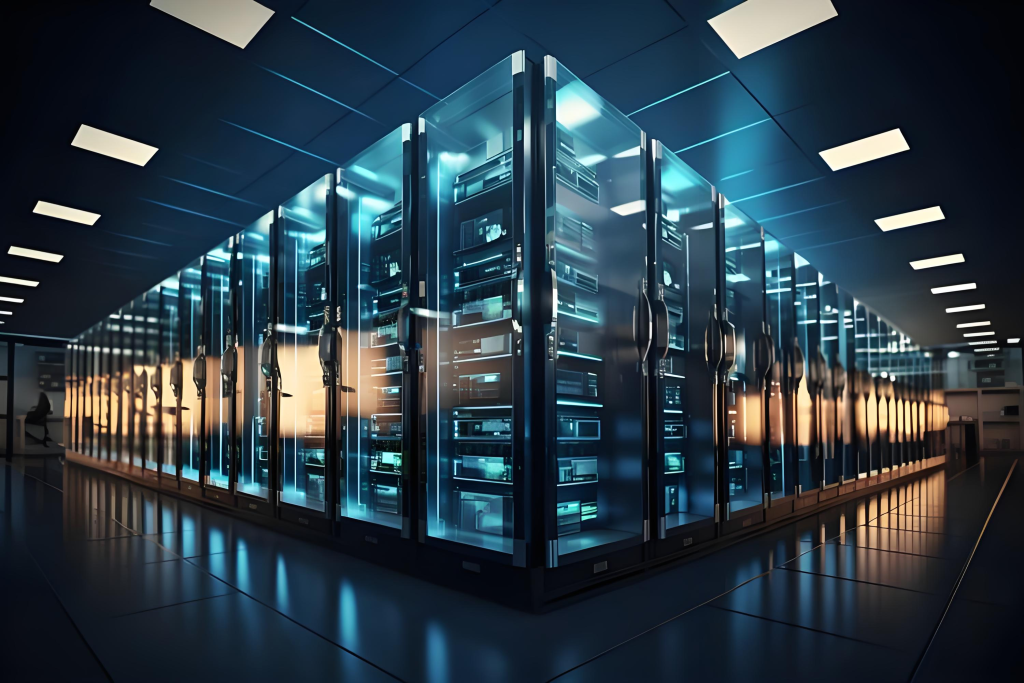
    Modern AI data center equipped with domestic chip infrastructure
    Modern AI data center equipped with domestic chip infrastructure

    In national strategic sectors such as government, finance, and energy, domestic chip procurement has exceeded 70%, becoming the main battlefield for domestic substitution. This breakthrough reflects not only market choice but also the comprehensive improvement of domestic chips in performance, reliability, and supply chain security.

    Tiered Competitive Landscape: Huawei Ascend Takes Commanding Lead

    The domestic AI chip camp has formed a clear tiered competitive landscape. The first tier is led by Huawei Ascend, which firmly holds the top position in China with 37% market share, accounting for nearly 70% of total domestic chip volume. The Ascend 950PR achieves 1.56 PFLOPS inference performance, 2.87 times that of NVIDIA’s China-exclusive H20, becoming the core choice for government and enterprise procurement.

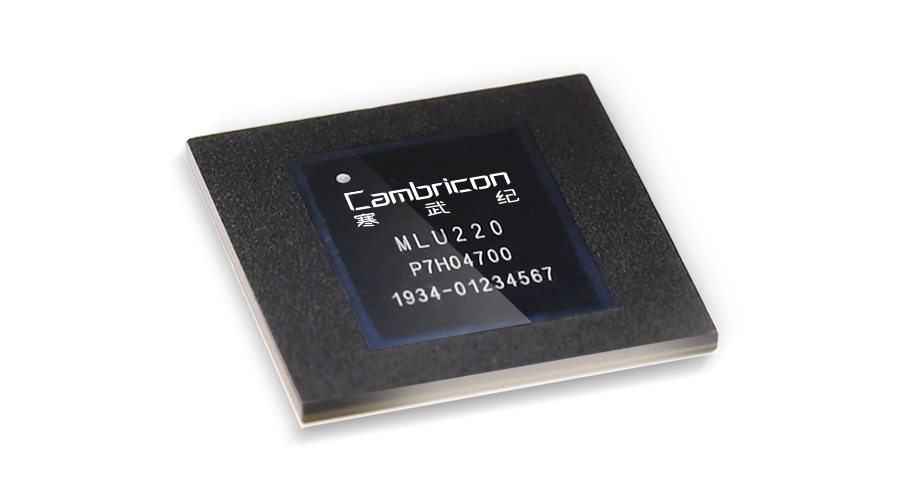
    Cambricon MLU series AI processor, a key player in domestic chip ecosystem
    Cambricon MLU series AI processor, a key player in domestic chip ecosystem

    The second tier includes Alibaba T-Head (6.6%), Cambricon (4.2%), and Hygon (3.5%), collectively accounting for 14.3% market share. Among them, Cambricon delivered particularly impressive Q1 performance, with revenue surging 159.56% YoY and achieving quarterly profitability for the first time, marking a crucial step in commercialization.

    Third-tier companies such as MetaX, Biren, and Moore Threads collectively hold approximately 1% market share but have significantly accelerated technology catching-up. Some products have already entered the supply chains of leading internet companies, demonstrating enormous market potential.

    Three Core Breakthroughs: Performance Lead + Ecosystem Maturity + Cost Advantage

    Behind the market share breakthrough of domestic AI chips lies the comprehensive improvement of three core competitiveness factors. First is the comprehensive lead in inference performance. Products such as Huawei Ascend 950PR and Cambricon Siyuan 370 demonstrate significant energy efficiency advantages, with single-card computing power increased by over 30%, perfectly adapting to high-concurrency inference scenarios.

    Second is the accelerated breaking of ecosystem barriers. Domestic frameworks such as MindSpore and Baidu PaddlePaddle have achieved deep synergy with chips. Leading large models like DeepSeek V4 have included domestic chips in their hardware verification lists, reducing end-to-end latency by 35%. The improved software-hardware synergy provides users with complete domestic solutions.

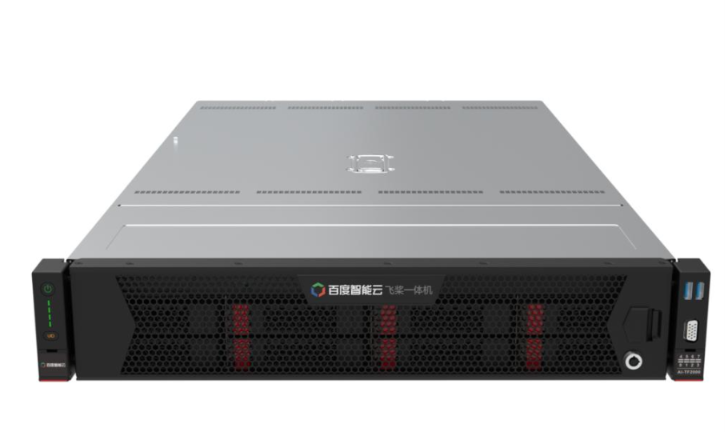
    Baidu PaddlePaddle AI integrated server, showcasing domestic software-hardware synergy
    Baidu PaddlePaddle AI integrated server, showcasing domestic software-hardware synergy

    In terms of cost advantage, domestic chips are 40%-60% cheaper than comparable imported products with stable supply, unaffected by overseas export controls. Against the backdrop of increasing global supply chain uncertainty, supply chain security has become a key consideration in enterprise procurement decisions.

    Strong Capital Market Reaction: Industry Chain Stocks Surge Collectively

    Following the announcement of domestic AI chips’ market share breakthrough, the capital market reacted swiftly. Huawei Ascend industry chain-related companies saw collective stock price increases, with Digital China, Talkweb Information, and Changshan Beiming hitting daily limit-ups. Ascend server shipments grew 280% YoY. Cambricon rose 12.3% in a single day, Hygon gained 8.7%, and Unigroup Guoxin increased 7.5%.

    Notably, AI infrastructure providers such as Inspur and Sugon, benefiting from the domestic chip substitution wave, have orders extending to the end of the year. This market performance reflects investor confidence in the long-term development of China’s domestic AI chip industry.

    Strategic Significance: Computing Autonomy Eliminates Technology Dependency

    The strategic significance of this historic breakthrough far exceeds the market share figure itself. First, computing autonomy in key sectors effectively prevents external technology blockade risks, safeguarding national digital economy security. Second, AI chip localization accelerates downstream industries such as large models, intelligent manufacturing, and autonomous driving, forming a complete ecosystem closed loop.

    In international competition, domestic chips have begun to emerge in global markets. Huawei Ascend has entered Southeast Asian and Middle Eastern markets, directly competing with NVIDIA. This marks an important step for China’s AI chip industry from following and competing to leading.

    Challenges and Outlook: High-End Training Chips Still Need Breakthroughs

    Despite the historic breakthrough, the domestic AI chip industry still faces challenges. High-end AI training chips hold only 15% market share, still lagging behind international top levels; some professional software adaptations are insufficient, and the developer ecosystem needs further growth; some core components still rely on imports, and full autonomy remains a long-term endeavor.

    However, with the National Integrated Circuit Industry Investment Fund Phase III leading DeepSeek investment, Huawei Ascend 950 series initiating generational transition, and leading companies achieving profitability one after another, China’s domestic AI chip industry is transitioning from R&D investment to commercial returns. In the next 2-3 years, there is a 60%-70% probability that “Ascend + DeepSeek” will form a closed domestic AI loop, with China poised to become the global second AI pole.

    The Kunpeng Ascend Developer Conference 2026 will be held in Beijing from May 22 to 23, focusing on Kunpeng and Ascend 950 series chip architectures. This major event will further promote domestic computing ecosystem construction and inject new momentum into the sustainable development of China’s AI chip industry.

  • Micron 245TB 6600 ION SSD Deep Review: Pioneering the Storage Revolution in the AI Era

    As AI training datasets expand exponentially, traditional storage solutions face unprecedented pressure. The capacity density and latency bottlenecks of hard disk drives (HDDs), combined with the per-drive capacity limits of traditional enterprise solid-state drives (SSDs), have become the “Achilles’ heel” constraining AI infrastructure expansion. Against this backdrop, Micron Technology’s 245TB 6600 ION SSD, launched in May 2026 with the world’s highest commercial capacity, directly targets this pain point.

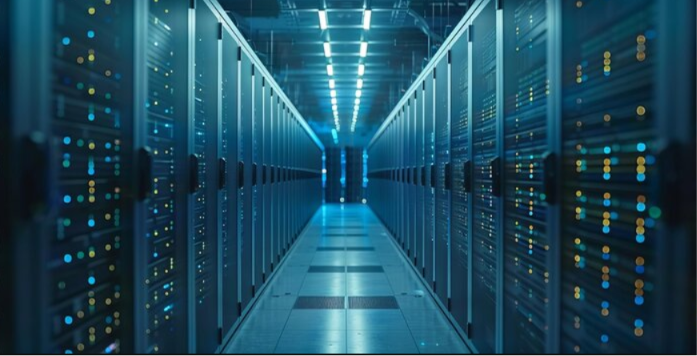
    Modern data center infrastructure with high-density server racks optimized for AI workloads
    Modern data center infrastructure with high-density server racks optimized for AI workloads

    I. Capacity Revolution: From Terabyte to “Near-Petabyte” Scale

    For AI data lakes needing to store hundreds of petabytes of training data, storage density is the primary consideration. The Micron 6600 ION SSD achieves a staggering 245TB per drive through its proprietary G9 276-layer 3D QLC NAND flash technology. What does this number mean in practical terms?

    The EDSFF E3.L form factor version can deploy up to 176.9PB of storage capacity in a standard 36U rack, saving 82% of rack space compared to equivalent-capacity HDD deployments. In other words, storage capacity that originally required nearly 6 racks can now be achieved with just 1 rack, directly alleviating data center space constraints.

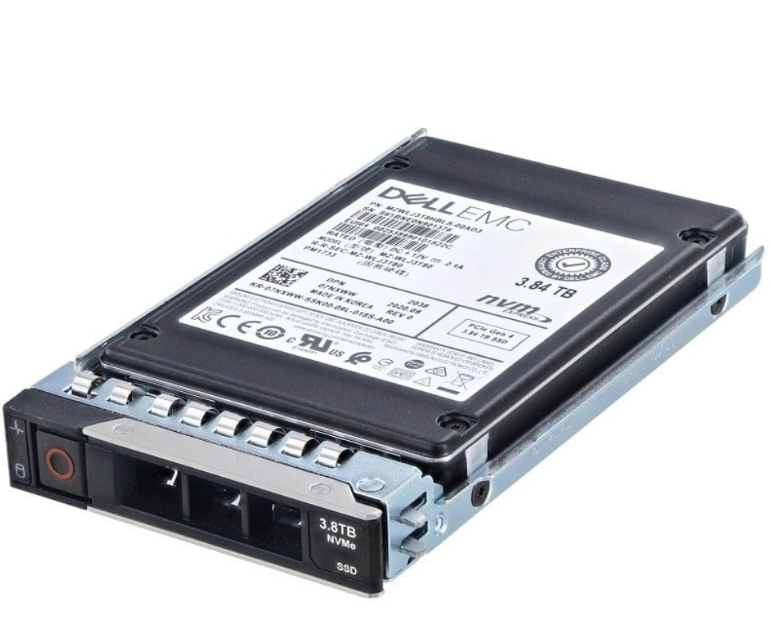
    Enterprise NVMe SSD showing the high-density design that enables 245TB in a single drive form factor
    Enterprise NVMe SSD showing the high-density design that enables 245TB in a single drive form factor

    Compared with current mainstream enterprise SSDs, Micron’s advantage is even more pronounced. Currently available mainstream enterprise SSDs generally top out at 30TB to 80TB capacities. Even flagship products like the Samsung PM1733 require several times more drive positions than the Micron solution when building hyperscale AI data lakes, leading to increased rack occupancy and cabling complexity.

    II. Performance Analysis: Tailored for AI Workloads

    AI training and inference are typically read-intensive workloads requiring storage systems with extremely high sequential read bandwidth and random read IOPS to feed data to GPUs quickly. The Micron 6600 ION SSD delivers impressive performance in this regard:

    • Sequential Read Bandwidth: Up to 13.7GB/s
    • Random Read IOPS: Reaching 1.78 million
    • Sequential Write Speed: 3GB/s (QLC characteristic, read-optimized positioning)
    • Random Write IOPS: 42,000

    Micron lab test data shows that in AI data preprocessing scenarios, its speed is 8.6 times faster than HDD systems, with latency reduced to 1/29th of HDDs. This means data preparation time before model training can be significantly shortened, and expensive GPU computing power no longer sits idle waiting for data.

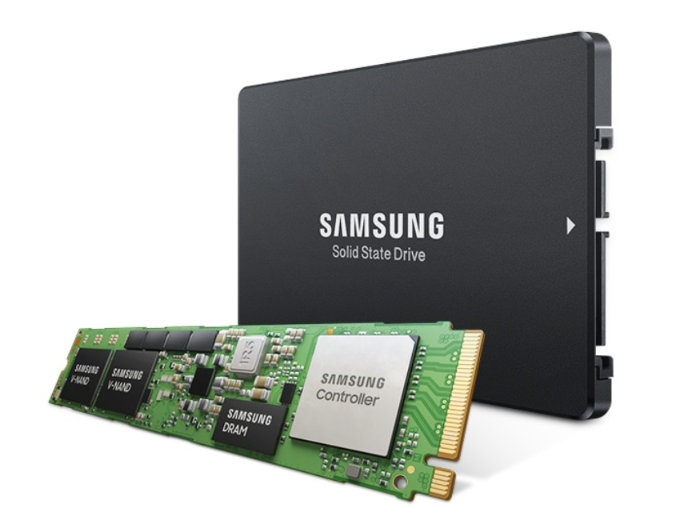
    Internal architecture of data center SSD showing V-NAND technology and controller design
    Internal architecture of data center SSD showing V-NAND technology and controller design

    In object storage scenarios, the Micron 6600 ION SSD’s advantages are equally significant. Throughput per watt reaches 435 times that of HDD solutions, time-to-first-byte response improves 96 times, and overall throughput increases 58 times. These numbers represent a qualitative leap in retrieval and loading efficiency for AI training datasets.

    III. Energy Efficiency Revolution: Long-Term Value from a Power Consumption Perspective

    As AI data center scales expand, power consumption has become a core operational cost and expansion bottleneck. Storage device energy efficiency is critically important. The Micron 6600 ION SSD’s peak power consumption is only 30W, translating to approximately 0.12W per TB.

    Compared with HDD solutions, this advantage is even more significant. One 245TB Micron SSD equals approximately eight 32TB HDDs in capacity, but the latter’s total power consumption would far exceed 30W. More importantly, the multi-drive parallelism and additional controllers required by HDDs to achieve comparable throughput performance would further push up overall system power consumption.

    At 1EB deployment scale, HDD solutions require 1.9 times more energy than Micron SSD solutions. This energy efficiency advantage translates into measurable sustainability benefits:

    • Annual Energy Savings: 921 MWh
    • Annual Carbon Reduction: 438 metric tons (equivalent to the annual absorption of over 9,000 mature trees)
    • HVAC Cooling Savings: Over 3.14 billion BTU per year

    IV. Technical Core: Breakthrough of 276-Layer QLC NAND

    The Micron 6600 ION SSD is built on G9 276-layer 3D QLC NAND, technology that is at least one generation ahead of competing QLC used in data center SSDs. Sumit Sadana, Micron Executive Vice President and Chief Business Officer, noted that Micron has now led the industry for three consecutive generations in introducing innovative, leading NAND technology.

    While QLC (4-bit/cell) flash memory does not match TLC in write performance, Micron’s controller and firmware optimization, combined with the 16KB Indirection Unit (IU) design, successfully balances capacity and performance. Larger IUs mean fewer DRAM mapping entries are required for a given capacity. While this may introduce some write amplification, this trade-off is perfectly appropriate for read-intensive AI workloads.

    Micron’s vertical integration strategy also deserves attention—from NAND flash and DRAM to controllers and firmware, all developed in-house. This end-to-end control ensures product consistency and optimization headroom, representing a core advantage that competitors find difficult to replicate.

    V. TCO Analysis: More Than Just Purchase Price

    Total Cost of Ownership (TCO) includes procurement costs, electricity costs, space leasing costs, and operational expenses. In this comprehensive dimension, the Micron 6600 ION SSD demonstrates unique value:

    Initial Procurement Cost: While the per-drive purchase price of QLC SSDs exceeds that of HDDs, considering the 245TB per drive capacity, its $/TB is actually competitive. More importantly, one drive replacing multiple drives means fewer controllers, cables, and switch ports—hidden cost savings that are often overlooked.

    Operational Cost Advantages:

    • Electricity Costs: Peak power consumption is only 50% of equivalent-capacity HDD solutions
    • Space Costs: 82% rack space savings directly reduce data center leasing expenses
    • Operational Costs: Fewer drive positions mean lower failure rates and maintenance complexity
    • Cooling Costs: Lower power consumption directly translates to reduced air conditioning loads

    Jeff Janukowicz, Research Vice President at IDC, points out: “Rapidly growing AI datasets are shifting storage economics from per-drive efficiency to rack-level efficiency. Operators need more usable capacity per rack while staying within strict power and cooling constraints. Micron’s 245TB drives deliver the density required to scale AI data pipelines without increasing data center footprints.”

    VI. Application Scenarios: Who Needs This Product Most?

    The Micron 6600 ION SSD’s precise positioning gives it irreplaceable value in the following scenarios:

    1. AI Data Lakes and Training Dataset Storage
    For organizations training trillion-parameter models, such as OpenAI and Google DeepMind, data loading speed directly determines training cycles. 8.6x faster data preprocessing means significantly shorter training times.

    2. Hyperscale Cloud Service Providers
    Cloud providers like AWS, Azure, and GCP face triple pressures of capacity, performance, and cost when building object storage services. The Micron 6600 ION’s rack-level density advantage makes it a strong candidate for replacing HDDs at warm and cold storage tiers.

    3. Content Delivery Networks (CDNs)
    CDN nodes need to respond quickly to user requests while storing massive media content. The 13.7GB/s sequential reads and 96x faster time-to-first-byte response perfectly align with CDN requirements.

    4. Enterprise Backup and Archiving
    As data volumes explode, enterprise backup and archiving systems are migrating from tape to disk. The 245TB per drive capacity significantly shortens backup windows and dramatically improves recovery speeds.

    VII. Market Background and Competitive Landscape

    The 2026 storage market is experiencing a rare supply-demand dynamic—both HDD and SSD markets face supply constraints simultaneously. On the HDD side, high supplier concentration (Seagate, Western Digital, Toshiba) limits capacity expansion, while demand for nearline HDDs for AI training datasets continues to push $/TB prices higher.

    On the SSD side, NAND supply is tight while the transition to higher-layer 3D NAND is underway. QLC NAND has moved from a cost-optimization tier to a strategic enabler for AI data lakes. The three major suppliers—Micron, Samsung, and SK hynix—all face strong demand for AI-optimized storage.

    Notably, Micron exited the consumer DRAM market in 2025 (closing the Crucial RAM business), focusing almost all production capacity on serving hyperscale customers and AI companies. This strategic transformation is fully embodied in the 6600 ION SSD.

    VIII. Challenges and Limitations

    Despite its clear advantages, the Micron 6600 ION SSD still faces some challenges:

    QLC Write Endurance: Pure 128KB sequential write endurance is 1.0 Drive Writes Per Day (DWPD), random write endurance is 0.3 DWPD at 16KB granularity and 0.075 DWPD at 4KB granularity. This means the product is better suited for read-intensive workloads and not ideal for high-write scenarios.

    Write Performance Compromise: The 3GB/s sequential writes and 42,000 random write IOPS lag compared to high-end TLC SSDs. But this is precisely the product’s positioning—designed specifically for read-optimized scenarios.

    Ecosystem Maturity: While the EDSFF E3.L form factor represents the future direction, server and storage system support still requires time to gain widespread adoption, with the U.2 form factor playing an important role during the transition period.

    IX. Conclusion: A New Foundation for AI Infrastructure

    Jeremy Werner, Micron Senior Vice President and General Manager of the Core Data Center Business Unit, summarizes the product’s significance precisely: “AI workloads are driving massive growth in shared data, continuing the shift of data center storage share from HDDs toward SSDs. With 245TB in a single SSD, the Micron 6600 ION makes solid state storage the clear choice for modern data centers.”

    The 245TB capacity breakthrough is more than just a numerical record—it represents a paradigm shift in storage architecture. It proves that high-capacity SSDs are no longer exclusive to high-end performance scenarios but can penetrate warm and even cold storage tiers, engaging in genuine economic competition with HDDs.

    For enterprises building next-generation AI infrastructure, the Micron 6600 ION SSD provides an opportunity to rethink storage architecture—shifting from “stacking more hardware” to “intelligently optimizing value per rack.” In an era where power and space have become scarce resources, this mindset shift may be more important than pure technological breakthroughs.

    As Travis Vigil, Dell Technologies Senior Vice President, puts it: “When you can fit significantly more storage into every rack, the math changes: less power, less floor space, less operational overhead.” This is the new storage math of the 245TB era.

  • Article: Ray-Ban Meta Gen 2 Smart Glasses — In-Depth Review

    1. Product Positioning: The Smart Glasses That Finally Went Mainstream

    Smart glasses are not a new concept. From Google Glass stalling in 2013 to Snap Spectacles fading quickly, the category has long been stuck in the paradox of “impressive on paper, disappointing in practice.” Then came Ray-Ban Meta, and for the first time, the industry glimpsed genuine mass-market potential.

    On April 30, 2026, the Irish Times published a full review of the Ray-Ban Meta Gen 2, with a direct verdict: “More than a fun toy.” Geeky-Gadgets conducted a six-month long-term test, arriving at similarly positive conclusions.

    So what problem does the Ray-Ban Meta Gen 2 actually solve?

    The core logic is straightforward: take the AI assistant out of the phone and put it on the user’s face. In scenarios where hands are occupied — during exercise, cooking, or commuting — the friction of pulling out a phone, unlocking it, and opening an app becomes a real bottleneck. The Ray-Ban Meta Gen 2 circumvents this entirely through voice commands and a first-person camera.

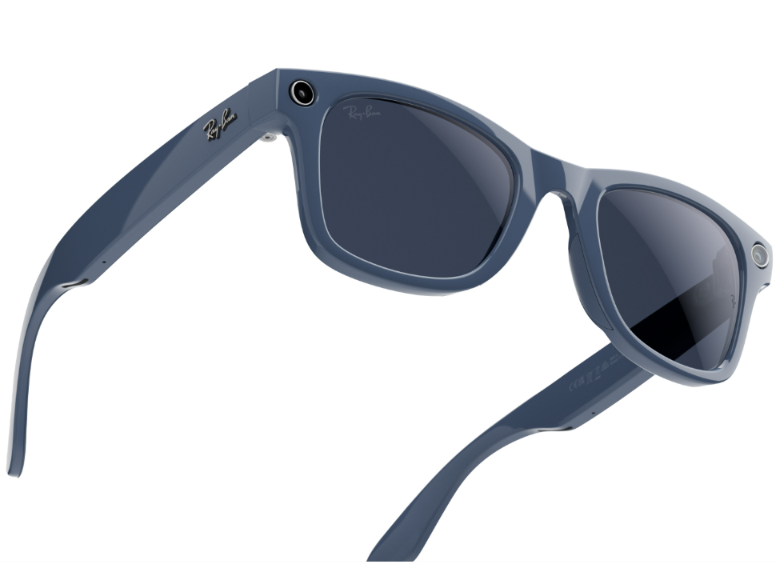
    Ray-Ban Meta Gen 2 product exterior. The LED indicator on the outer frame remains visible during recording, providing a built-in privacy safeguard.
    Ray-Ban Meta Gen 2 product exterior. The LED indicator on the outer frame remains visible during recording, providing a built-in privacy safeguard.

    2. Design: 51 Grams of Everyday Disguise

    Visually, the Ray-Ban Meta Gen 2 is nearly indistinguishable from a regular pair of Ray-Bans. This is its smartest design move — it does not aggressively market its technology. Instead, it lets the tech recede into daily life.

    The full device weighs approximately 51 grams, about 2.8 grams heavier than the first generation — a trade-off for the larger battery. The weight difference is imperceptible during actual wear. Three classic frame styles are available: Wayfarer, Skyler, and Headliner, with over 150 combinations of frame and lens options, including clear, transition, and polarized lenses. Prescription lenses are available for myopia up to -6.0 diopters.

    However, the nose bridge design carries one notable limitation. The standard nose pads are optimized for Western facial structures. Asian users frequently find the initial fit sits too low. For extended daily use, purchasing third-party silicone nose pad accessories is a worthwhile investment that significantly improves comfort.

    For durability, the Gen 2 maintains an IPX4 splash-resistance rating — sufficient for rain and sweat during exercise but not for submersion. Users should exercise caution in heavy downpours or water sports environments.

    3. Camera Performance: A First-Person Content Creation Tool

    The 12-megapixel ultra-wide camera is one of the core selling points of these glasses.

    In real-world testing, the camera’s image quality exceeded many expectations. Photos are crisp and sharp with accurate color reproduction, and the wide-angle coverage is well-suited for everyday documentation. Video is available in two modes: 3K at 30fps or 1080p at 60fps, both fully adequate for social media sharing.

    Creative modes add useful versatility. Slow-motion and Hyperlapse settings give content creators additional expressive options.

    One limitation deserves attention: individual video clips are capped at 3 minutes. This constraint likely stems from privacy considerations, but for users wanting to record continuous footage — during a hike or an entire workout — the 3-minute interruption can disrupt the creative flow. Whether this is a hardware or software limitation remains unclear, and a future firmware update could relax this cap.

    Notably, a white LED on the outer frame lights up when recording, signaling to bystanders. An inner sensor also prevents recording if the lens is blocked. This dual-mechanism privacy design is among the most proactive in the current smart glasses market, though it cannot eliminate all concerns.

    4. Audio Quality: An Underrated Surprise

    The open-ear audio system is the Ray-Ban Meta Gen 2’s most underestimated capability.

    The directional speakers built into the temples deliver performance beyond what most people expect. In quiet environments like an office or library, audio quality approaches that of entry-level open-ear earphones — clear midrange ideal for calls and podcasts, with bass that does not produce the “hollow” feel common in cheaper open-ear designs. In noisier settings such as a busy street or subway, volume needs to increase, and audio quality degrades accordingly.

    Call quality is another highlight. The five-microphone array, combined with AI noise reduction algorithms, performs robustly in noisy environments. The Geeky-Gadgets six-month tester specifically noted that cycling phone calls came through cleanly for the person on the other end, with minimal wind noise.

    In quiet environments, people within approximately one meter may occasionally hear faint audio from the open speakers. For maximum privacy, switching to Bluetooth earbuds remains the safer option.

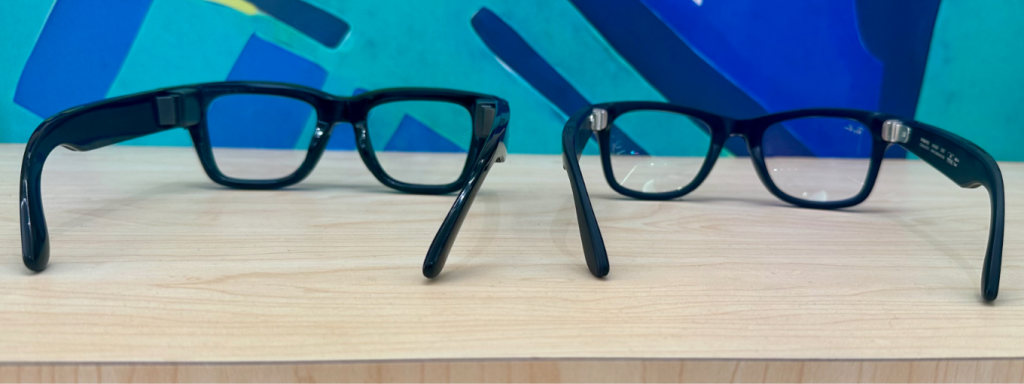
    Comparison of two Ray-Ban Meta smart glasses styles, illustrating the range of frame options available across the Wayfarer, Headliner, and Skyler lineups.
    Comparison of two Ray-Ban Meta smart glasses styles, illustrating the range of frame options available across the Wayfarer, Headliner, and Skyler lineups.

    5. Meta AI: From “Talk” to “Do”

    Meta AI is one of the most significant upgrades in the Gen 2.

    Unlike the first generation, which required pressing a button to activate the assistant, the Gen 2 enables truly hands-free interaction. Simply say “Hey Meta” to set reminders, send text messages, play music, or query directions — all without reaching for the phone. This is particularly valuable in hands-busy scenarios such as cooking, walking a dog, or holding a child.

    Real-time translation covers 14 languages, including English, French, German, Italian, Portuguese, and Spanish. Translation is processed locally on the glasses, and audio and text are not uploaded to Meta’s servers, which helps address privacy concerns. Offline use does require pre-downloading language packs in the app, which adds a small preparation step before travel.

    Another practical AI feature is visual recognition. Point the camera at something unfamiliar, hold the side button, and Meta AI analyzes the image and provides an explanation. The Irish Times reviewer tested it on menus and landmark buildings, finding accuracy “usable most of the time.” The feature still has room for improvement in more complex real-world scenarios.

    6. Battery and Charging

    The Ray-Ban Meta Gen 2 delivers a notable improvement in battery life over its predecessor.

    The glasses themselves last approximately 4 to 5 hours during music playback. The redesigned charging case extends total runtime to 36 to 40 hours. A 20-minute quick charge restores roughly 50% battery — sufficient for a morning commute or half-day outing.

    For most users wearing the glasses 2 to 4 hours daily, charging every one to two days is realistic. Combined with the case’s charging function, the setup handles business travel and short trips without range anxiety.

    7. Privacy: An Unavoidable Debate

    Privacy is a topic every camera-equipped smart glasses product must confront.

    On the hardware side, the Ray-Ban Meta Gen 2 implements the following measures: an outer LED indicator that activates during recording (though visibility decreases in bright sunlight), an inner sensor that blocks recording when the lens is covered, and a 3-minute per-clip recording limit. Meta’s software policies include not uploading translation audio or text to its servers, with photos and videos stored locally in the Meta AI app by default.

    Yet technological limitations persist. In dim indoor environments, where the LED indicator may be hard to notice, bystanders cannot reliably tell when recording is in progress. Brands and media outlets consistently urge users to proactively disable the glasses in sensitive locations.

    From a regulatory perspective, several countries are discussing specific privacy legislation for smart glasses in 2026. The current privacy design of Ray-Ban Meta Gen 2 places it ahead of most competitors, but as the user base scales, compliance pressures will inevitably increase.

    8. Comparison with Other AI Wearables

    The 2026 AI wearables market has developed clear segmentation across competing products.

    ProductForm FactorDisplayPriceTarget User
    Ray-Ban Meta Gen 2GlassesNoneFrom $379Mainstream consumers
    Even Realities G2GlassesHUDFrom $599Business professionals
    Plaud NotePin SPendant/ClipNone$189Office/meeting users
    Brilliant Labs HaloGlassesAR$349Developers/hobbyists

    From this comparison, the Ray-Ban Meta Gen 2 occupies the most accessible position in the market. Rather than chasing flashy AR displays or professional-grade depth, it focuses on making the most commonly used features — photography, calls, AI assistant, and translation — reliably good. For the majority of everyday consumers, this is the most pragmatic choice available.

    9. Verdict: Who Should Buy It

    The Ray-Ban Meta Gen 2 is a product that convinces you more through use than through spec sheets.

    If you spend significant time commuting, exercising, or with hands occupied, and you want on-demand AI assistance, the ability to capture moments instantly, or a convenient hands-free calling option, this product genuinely reduces how often you need to reach for your phone and meaningfully improves daily convenience.

    If, however, you expect a “complete AI assistant in glasses” capable of handling complex tasks or flawlessly translating across all scenarios, the current state of AI technology cannot meet those expectations. The AI features work well in straightforward everyday situations but still show limitations in more complex environments.

    At a starting price of $379, the Ray-Ban Meta Gen 2 sits in the upper mid-range of the smart glasses market. Compared to competitors with comparable feature sets, its combination of camera quality, audio performance, and software ecosystem gives it a meaningful edge — making it one of the best value propositions in the AI wearables category today.